Iran: All Options Open in Afghanistan
“There will be no peace in Afghanistan without Iran.” This was a remark a top Iranian diplomat made last week in an expansive interview with the country’s media.
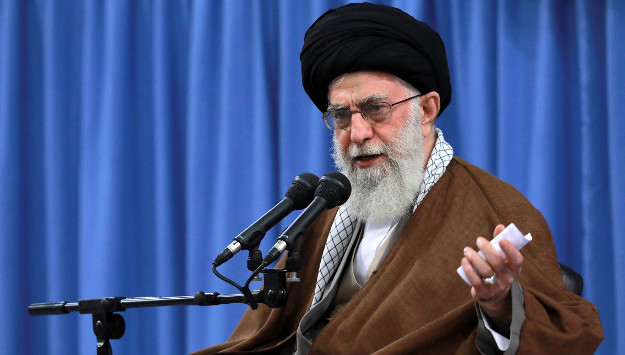
News Brief: On December 5, Iran’s Supreme Leader Ali Khamenei defended the Islamic Republic’s military intervention in Syria, arguing that the Iranian forces had to neutralize enemy threats in Syria to avoid their infiltration inside Iran’s territory.
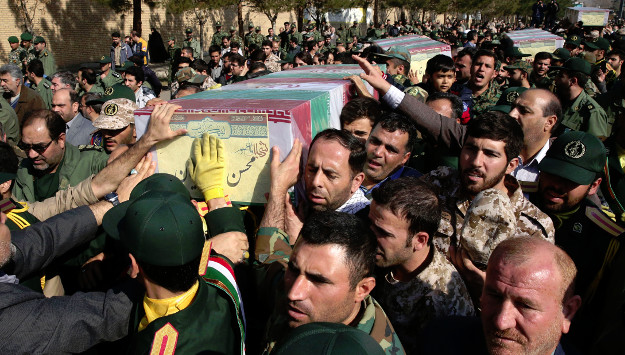
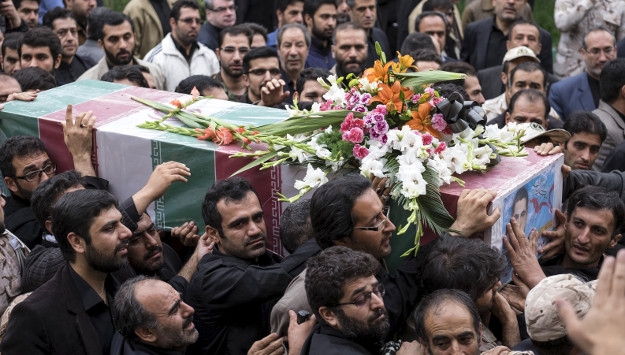
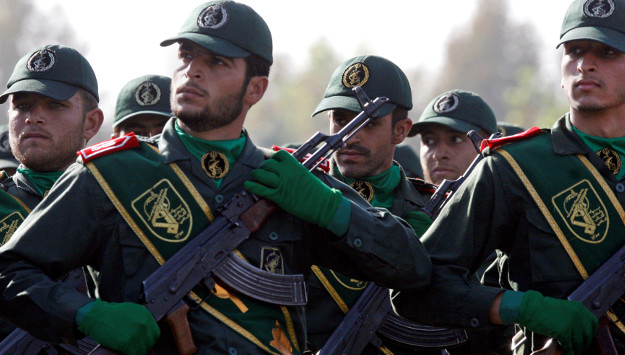
The Iranian media reports that a senior general of the Islamic Revolution Guards Corps (IRGC) has been killed in Syria. According to IRGC-affiliated Fars News Agency, Gholamali Gholizadeh was “martyred during fighting with Takfiri terrorists.” Iranian officials and outlets often refer to all Syrian opposition forces as “terrorists.”
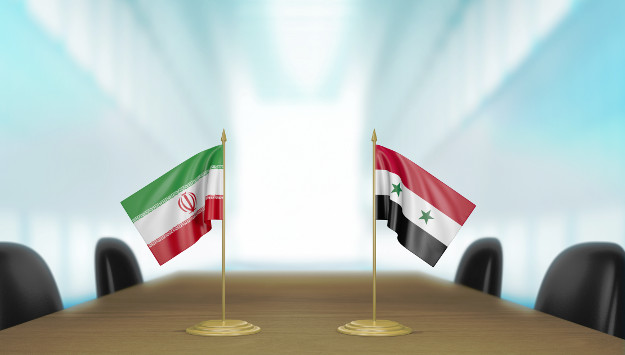
Iranian media has reported that Javad Turk-Abadi will be Iran’s next ambassador to Damascus. “Turk-Abadi was chosen by Foreign Minister Javad Zarif and this selection was approved by President Hassan Rouhani,” it was reported.
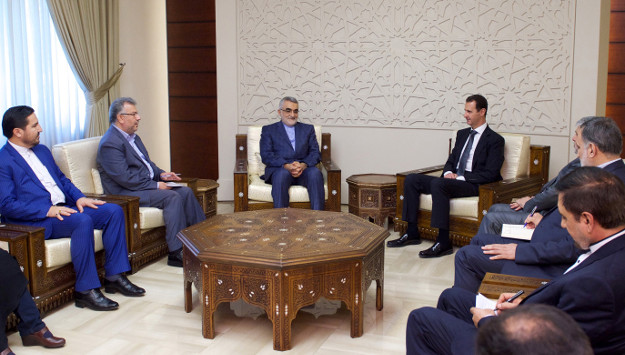
Iran’s Fars News Agency reports that a high-level Iranian parliamentary delegation left Tehran for Damascus on January 3 to hold meetings with senior Syrian officials. The chairman of Iranian Parliament’s Committee on National Security and Foreign Policy, Alaeddin Boroujerdi, heads the delegation.
Iran has rejected requests by Turkey and Russia to include Saudi Arabia in the Moscow-sponsored peace talks on Syria.
A top Iranian general has said the “liberation” of the Syrian city of Aleppo was a “strategic” victory for Iran over the United States and regional countries. “When Aleppo was liberated, polici
The Middle East’s descent into chaos has been accompanied by a growing threat to the region’s historic sites. The breakdown of states and growth in extremism have exposed these ancient sites to looting and destruction. The drivers, however, are varied. Extremist groups like ISIS profit from the smuggling of antiquities, but there are also religious motivations. Extremist movements such as ISIS and al-Qaeda, which adhere to a strictly puritanical view of Islam, perceive heritage sites, including Islamic, as a sinful distraction from faith.
An Iranian lawmaker defended the presence of the Islamic Republic
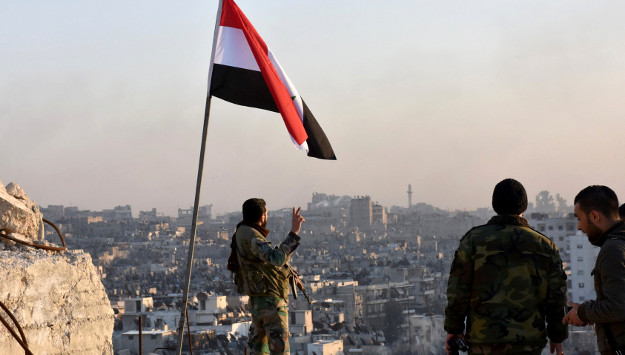
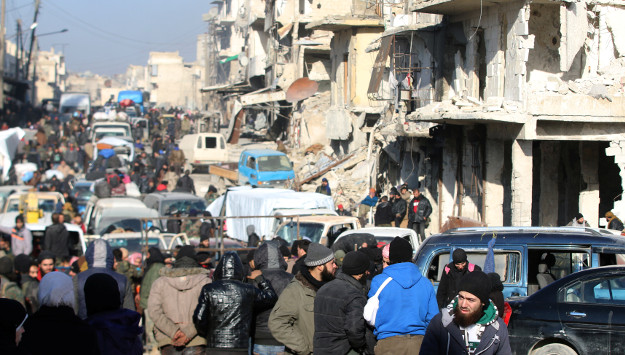
The Iranian media reports that the evacuation of Syrian rebels and civilians from eastern Aleppo has come to an end, and that the entire city is now under the control of the Syrian army.
For the Assad regime in Damascus, displacement has become an essential tactic in shaping the terms of its encounter with dissent, alongside violence and detention. At the same time, the process of displacement has not unfolded in a coherent or predictable manner. Rather, displacement in the Syrian conflict is a product of choices, chief among them the regime’s choice to erase, rather than accommodate, political Opposition in Syria. It is also the result of how the Opposition responds to these challenges. This essay explores how Opposition networks have adapted pragmatically to displacement and exile. Far from accepting the terms of the conflict passively, Syria’s diverse opposition continues to mobilize in the face of ongoing state oppression.
A senior Iranian security official has slammed a United Nations Security Council resolution that calls for international observers to monitor the evacuation of civilians trapped in the besieged Syrian city of Aleppo.
A top Iranian official admitted on December 21 that Tehran and Moscow shared a base in Syria to coordinate their military support for the country’s embattled President Bashar al-Assad.