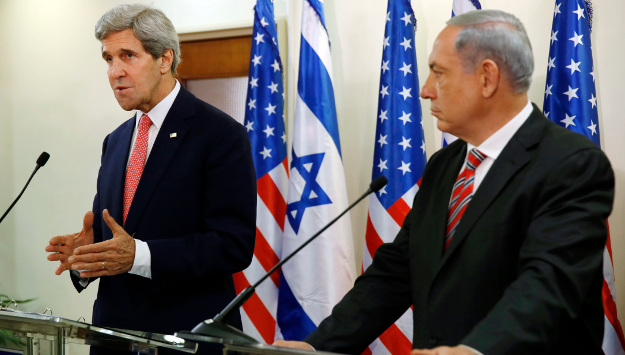
Improved Egypt-Israel Relations through Sinai Crisis: Will They Last?
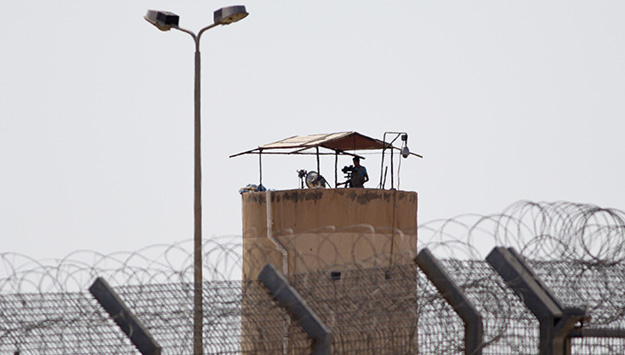
Egyptian diplomats rarely have a good word to say about U.S. policies these days. In contrast, they are enthusiastic in their praise of the close relations between Cairo and Jerusalem—centered on counterterror security and intelligence cooperation in Sinai—and effusive in their acknowledgement of Israel’s response to the bloody insurgency there, led by Egypt’s ISIS affiliate in the “Sinai Province,” Ansar Beit al-Maqdis.
“Relations with Israel are great,” observed an Egyptian official recently.[1]
The Syrian Druze at a Crossroads
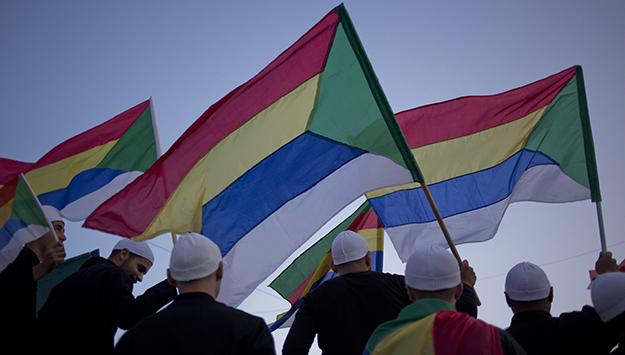
In the last few weeks, the Syrian Druze have been a focal point in significant fighting on the ground. If their role in the fighting continues, or even if it changes, the Druze will likely have a profound impact on the trajectory of the Syrian conflict.
The Peace Window Is Closing For AfPak
This article was first published on Foreign Policy‘s South Asia Channel.
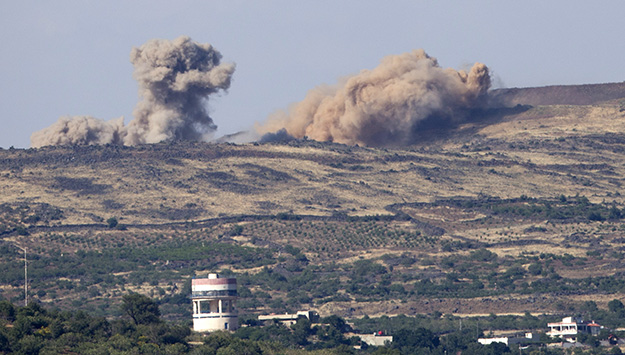
Tensions in the Golan
On June 22, members of the Druse minority in the Israeli town of Hurfeish threw rocks at an ambulance believed to be transporting wounded Syrian Jabhat al-Nusra rebels to medical care in Israel. The following day, a similar incident in the occupied Golan Heights resulted in the killing of one wounded rebel, also of Nusra.

Be Careful What You Wish For: A Security Council Resolution on Palestine Might Come True
For the first time in decades absolutely nothing is happening on the Israeli-Palestinian diplomatic front. There is no agreed-upon structure for diplomatic engagement under U.S.—or anyone’s—guidance. Moreover, there is an international consensus that includes the United States that doubts, with good reason, Prime Minister Benjamin Netanyahu’s commitment to a two-state solution.
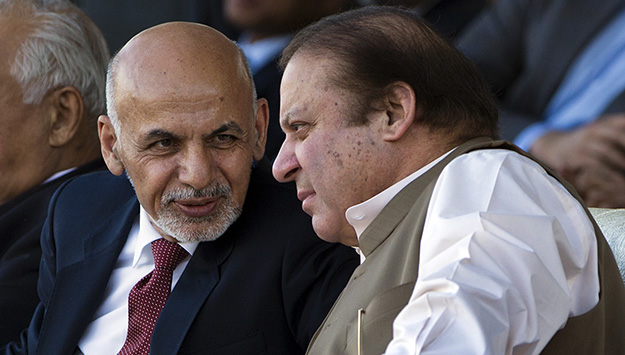
Can Kabul and Islamabad Cooperate Effectively on Counterterrorism?
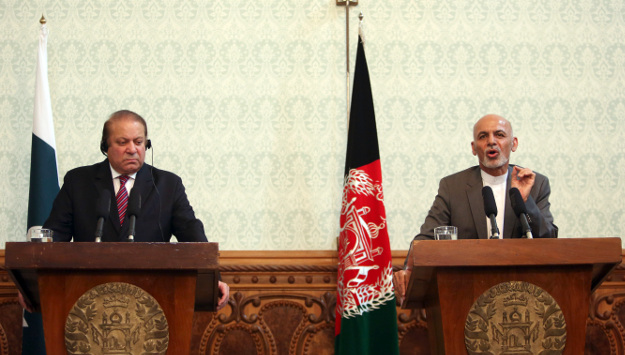
Soon after Ashraf Ghani and Abdullah Abdullah formed a unity government in Afghanistan in September 2014, there were signs of rapprochement between Kabul and Islamabad. When President Ghani visited Pakistan in November, he went to the army’s headquarters in Rawalpindi and laid a wreath at the monument to the country’s fallen soldiers—an indication that the Kabul government had come to an understanding with the Pakistani army, which controls the country’s Afghan policy.
Will China Interfere in the Israeli-Palestinian Conflict?
In June 1954, the leaders of China, India, and Burma (now Myanmar) issued a joint statement affirming the Five Principles of Peaceful Coexistence―mutual respect for sovereignty and territorial integrity, mutual non-aggression, non-interference in each other’s internal affairs, equality and mutual benefit, and peaceful coexistence―as the basis for conducting international relations. Since then, China has adhered strictly to the principle of non-interference in other countries’ domestic turmoil, as displayed prominently over the past several years in Beijing’s response to the Syrian civil war.
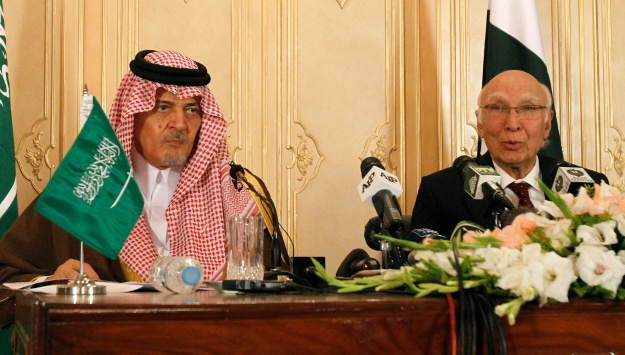
Pakistan Will Disappoint Saudi Arabia
This article was first published on Foreign Policy‘s South Asia Channel.
Pakistan’s Balancing Act Between Saudi Arabia and Iran
April 23, 2015 – Marvin Weinbaum, director of the Center for Pakistan Studies at The Middle East Institute, explains Pakistan’s decision not to provide military aid for Saudi Arabia’s operation in Yemen, and how Prime Minister Sharif is working to repair relations with Riyadh.
When it Comes to Israeli Occupation, Better is Not Good Enough
Palestinians, beset by calamities at every turn, have all but ceased to think about their indeterminate prospects for independence and freedom. This dismal state of affairs suits Israel’s newly reelected Prime Minister Benjamin Netanyahu fine. His opposition to a sovereign Palestinian state, broadcast in word and deed, leaves little room for doubt.
The bar has been set so low that all concerned are searching for any shred of evidence that merely hints at better times for Palestinians, who have now lived under Israeli rule for almost a half century.
Israeli Elections and U.S. Policy Reevaluation: What Lies Ahead?
The Obama administration has lost all patience with Israeli Prime Minister Benjamin Netanyahu’s defiant challenges to two basic U.S. goals: a two-state Israeli-Palestinian peace and a nuclear deal with Iran. Netanyahu’s hostility and the emergence after the March 15 elections of a new, more right-wing coalition, have triggered a major crisis in relations and an apparent decision by Obama to “reevaluate” U.S. policy.

Netanyahu's Right of Way: How the Israeli Left Fell Behind
Read the full article at Foreign Affairs.
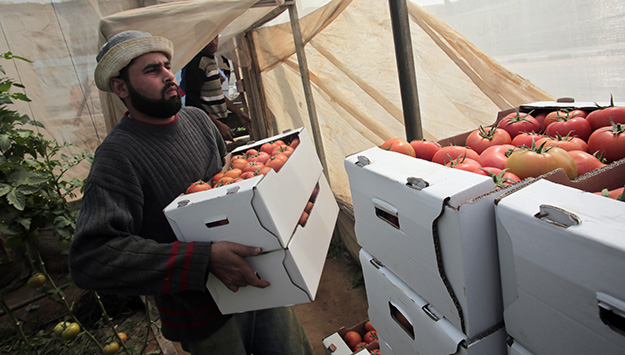
Opening the Borders: A Better Plan for Gaza
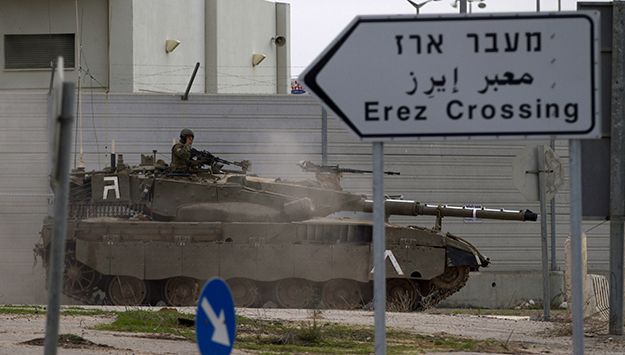
The Middle East is in disarray, but in Gaza, of all places, there are fragile hints of better days.
Two weeks ago, for the first time since Hamas’s takeover of the Gaza Strip in 2007, Israel permitted produce exports from Gaza into Israel and the West Bank.
Former British Prime Minister Tony Blair acknowledged Gaza’s plight during a visit to the area in February.
The Israeli Elections: What Happened, What Didn’t
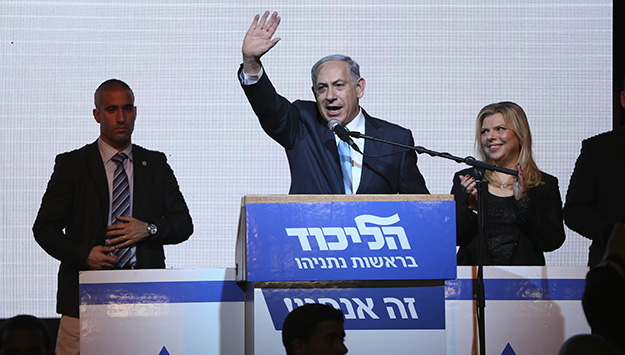
Those Israelis who hoped for a change in Israel’s direction awoke this morning to news worse than they had feared. With more than 99 percent of the vote reportedly counted, Prime Minister Benjamin Netanyahu’s Likud Party has won 30 seats to 24 for his main challenger, the Zionist Union’s Isaac Herzog.