Frustrated Turkey Turns to Onetime Ally Saudi Arabia
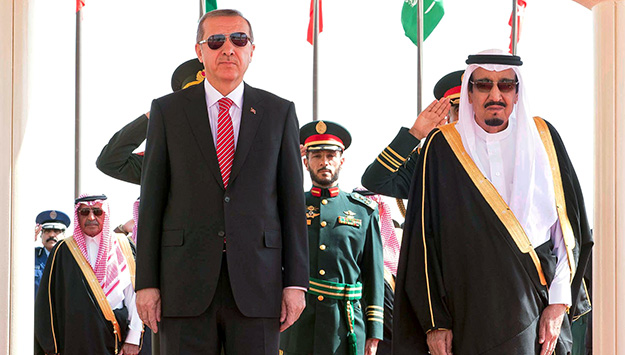
Frustrated by the United States’ failure to heed its advice on Syria and Iraq, and by Iran’s growing clout in these countries, Turkey seems to have decided to mend its frosty relationship with Saudi Arabia. When King Abdullah died earlier this year, Turkish President Recep Tayyip Erdogan immediately cut short an African tour and flew to Riyadh to offer his condolences. He declared a period of mourning in Turkey and ordered the Turkish flag to be flown at half-mast.
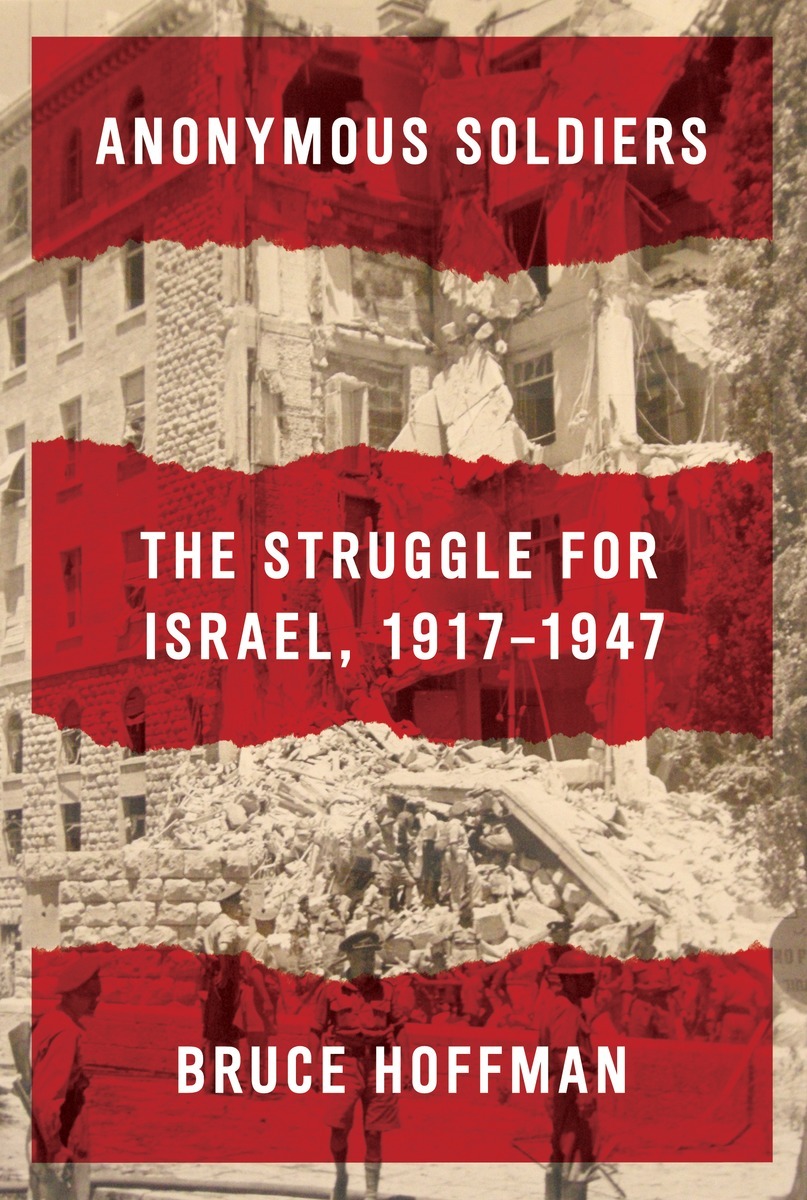
Anonymous Soldiers: The Struggle for Israel, 1917-1947
A review of Anonymous Soldiers: The Struggle for Israel, 1917-1947, By Bruce Hoffman (Knopf 2015). This book review was first published by The Washington Post.
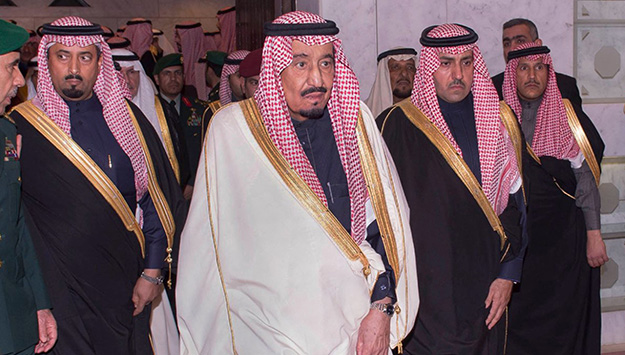
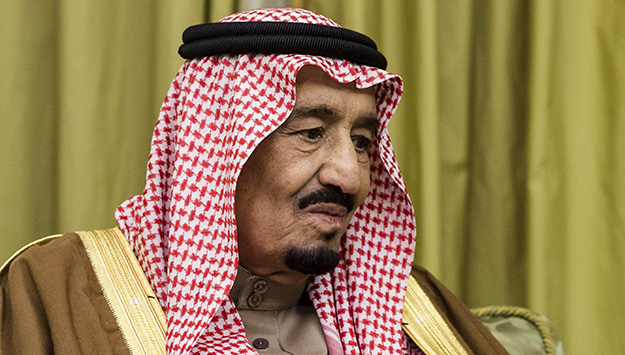
The death of King Abdullah in late January 2015 brought a seamless transition of power in Saudi Arabia. Crown Prince Salman acceded to the throne and Prince Muqrin became crown prince, while Prince Muhammad bin Nayef, minister of the interior, became second deputy prime minister and the first grandson of Ibn Saud in line for the throne. Despite speculation to contrary, the smooth transition was strong evidence of a preexisting agreement that included the late king, Salman, and other senior princes.
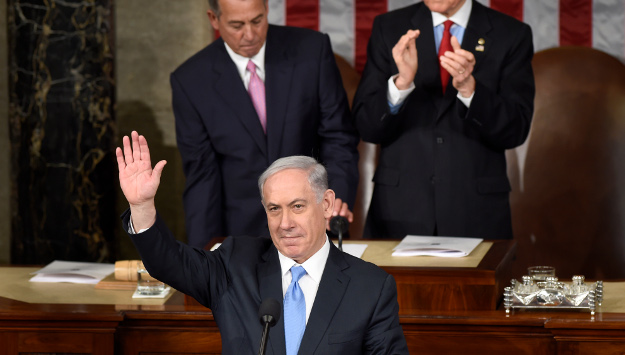
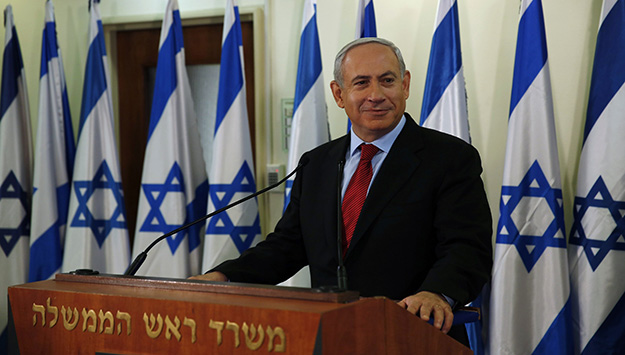
Israeli Prime Minister Benjamin Netanyahu has come to the United States, spoken his piece and returned home to Israel to finish campaigning for the March 17 elections. Netanyahu’s visit to Washington was neither the triumph he expected nor the disaster forecast by opponents of the visit. Indeed, the visit shed no new light on the supposedly central issue of the day: the state of play in the Iran negotiations.
One of the more enduring characteristics of Israel’s electoral campaigns is their ability to produce surprises, often with considerable political consequences.
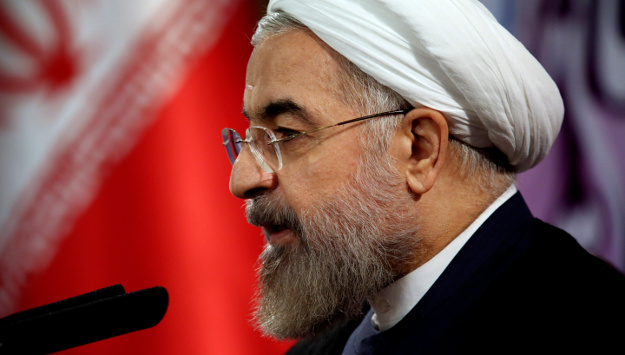
The Middle East is experiencing unprecedented upheaval, and by all indications the region is likely to remain in turmoil for the foreseeable future. From Yemen to Bahrain to Syria and Lebanon, the sectarian agendas and geopolitical maneuverings of the two regional heavyweights – Iran and Saudi Arabia – will likely remain the key drivers fueling the regional fire.
It appears that the senior princes who run Saudi Arabia don’t read Western news reports about their country or the numerous analyses of Saudi affairs put forth by American and European think tanks. If they did, they would have known that the death of King Abdullah was going to set off a “succession crisis” that would divide the ruling family and possibly destabilize the kingdom. They clearly did not get the memo.
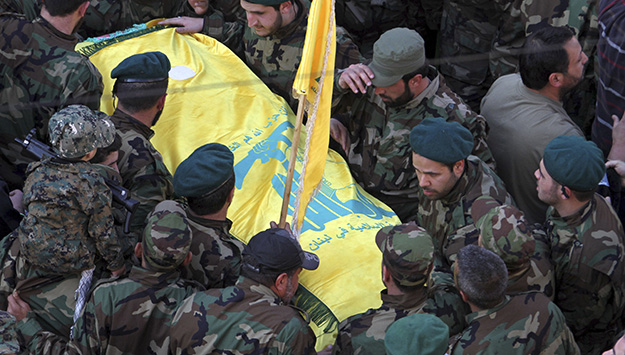
An Israeli helicopter fired rockets on a convoy in the Golan Heights on January 18, killing six members of Hezbollah and an Iranian general. MEI’s Randa Slim explains the context surrounding the attack and the likely repercussions.
Why did Israel choose this time to attack Hezbollah and Iranian targets in the Golan Heights?
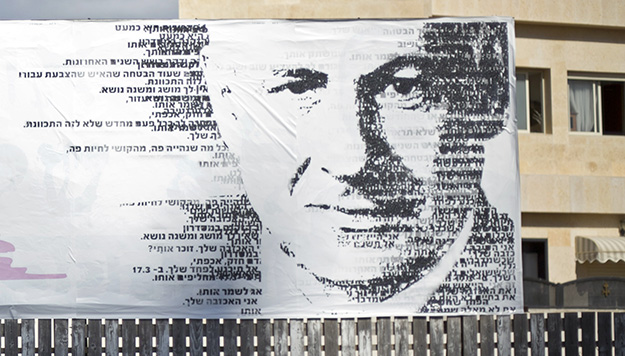
Israel’s politics are always full of paradoxes. In the upcoming March 17 election, the central one is that the likely winner is perhaps the most disliked man in the country’s politics, namely the current prime minister, Benjamin (Bibi) Netanyahu. Even many who will vote for him don’t like him. This is partly a function of his longevity in the top ranks; he first became PM in 1996, but others held the office from 1999 until he regained it in 2009, and he has made a lot of enemies over the years.
The electoral campaign in Israel is still unfolding, and with about two months to go anything might happen to upend predictions about the outcome. But there are straws in the wind.
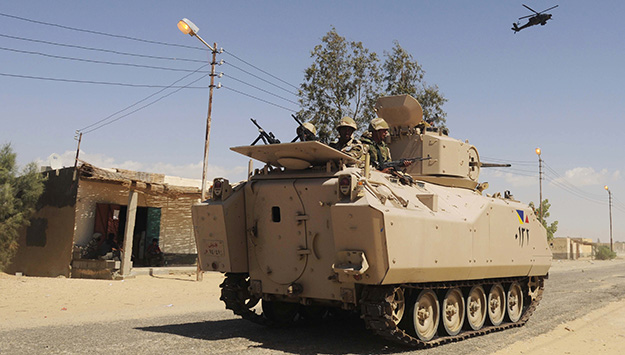
Egyptian President Abdul-Fattah el-Sisi is no Zionist, as senior Israeli interlocutors like to point out, but his vision of state sovereignty and Egyptian national security often closely aligns with the interests of Israel. When Sinai’s Ansar Beit al-Maqdis, Egypt’s most lethal jihadi group, recently pledged allegiance to the Islamic State in Syria and Iraq, perhaps the most interesting response was the non-response by the governments of Egypt and Israel. From the view of both, the origins and ideologies of Islamist groups are all the same.
Taiwan’s Relations with Saudi Arabia: An Interview with Ibrahim Chao
Over the past half century, Saudi Arabia has been the most important country for Taiwan’s Middle East diplomacy. The following interview with HE Dr. Ibrahim Chao (Hsi-lin Chao), Taiwan’s representative to the Kingdom from 2009 to 2012, sheds light on the contours of and recent developments in the bilateral relationship. Prior to joining the Ministry of Foreign Affairs of the Republic of China, or Taiwan, Ibrahim Chao earned an M.A. and a Ph.D. in Shariah (Islamic Law) from the Umm al-Qura University in Mecca, Saudi Arabia. Since retiring from the diplomatic service, he has served as an advisor to the Chinese Muslim Association in Taipei.
There’s an expression in Israel along the lines of “people are scrupulously honest with pollsters, then they get into the voting booth and lie like hell.” It is important to bear this chestnut in mind as one scans survey returns regarding prospects for the major parties in the upcoming elections.