Saudi-Iran Tensions Place Pressure on Smaller GCC States
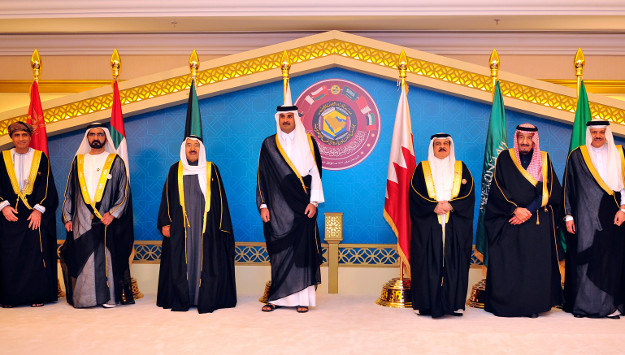
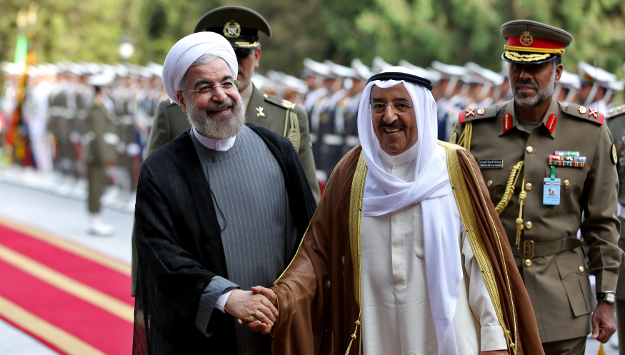
The recent escalation in tension between Saudi Arabia and Iran is throwing the GCC into a crisis of unity. Riyadh’s actions in particular are built on the frustration of the Yemen war and the perception of Iranian encroachment in Arab lands that the Saudi kingdom believes is its domain. King Salman and his son, Deputy Crown Prince Mohammad bin Salman, feel the kingdom is being ignored by the international community in other hot zones, namely Syria, where the outcome of the war is being determined by Washington and Moscow.
The New Year has seen relations in the region spiral out of control with Saudi Arabia cutting off diplomatic ties with the Islamic Republic of Iran. Sectarian tensions mounted following the execution of prominent Saudi Shi’a cleric Nimr al-Nimr and the subsequent attack on the Saudi embassy in Tehran. The immediate impacts of this escalation will likely be felt in Yemen, with the latest ceasefire collapsing over the New Year, and in Syria where U.N.-sponsored peace talks are set to begin later this month.
This article was first published in The Hoover Institution’s The Caravan.
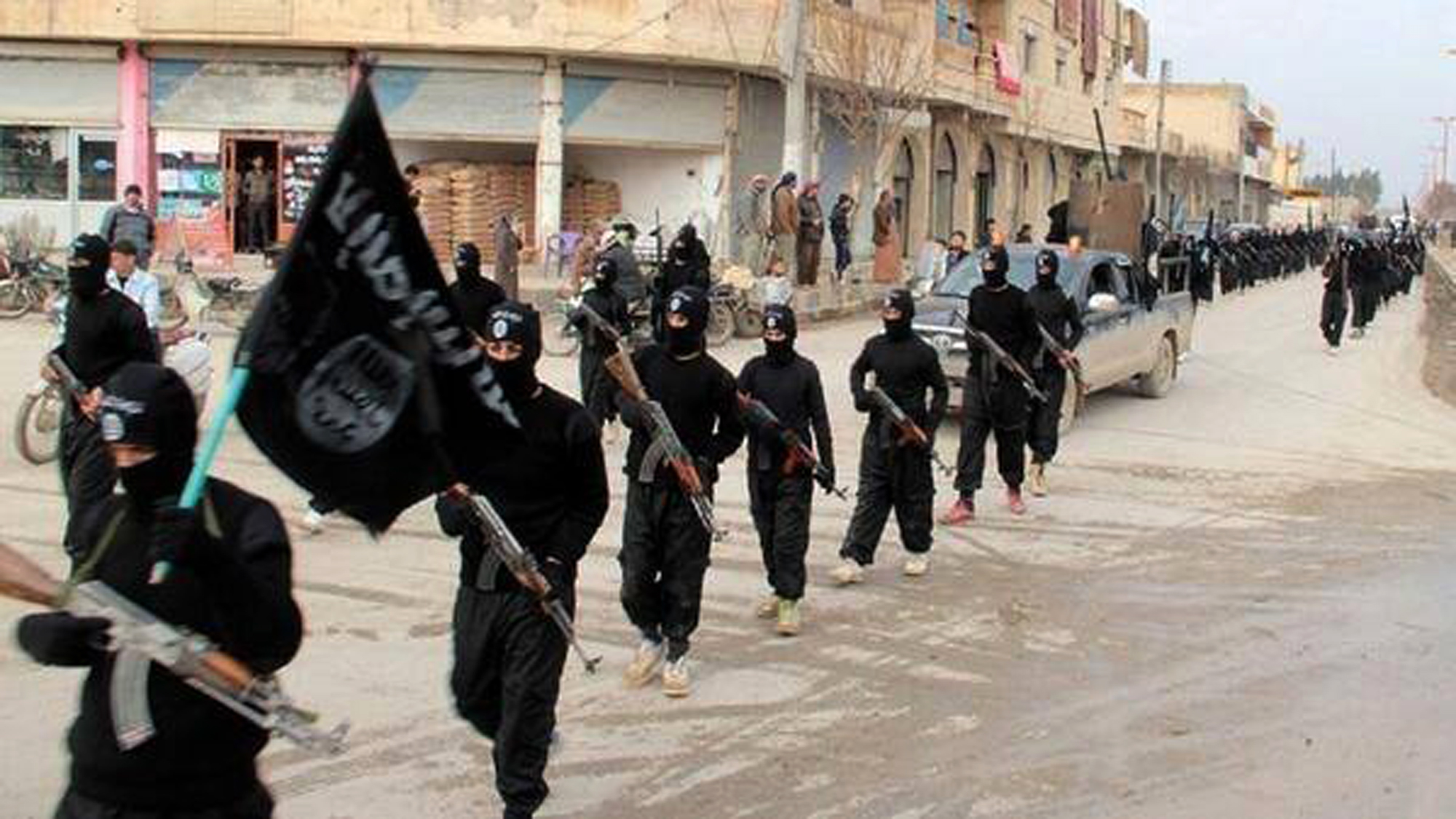
Daesh or ISIS does not represent an existential threat to any state except Syria and Iraq. It occupies and controls ungoverned space in the region between Iraq and Syria and in parts of northern Africa; and its self-proclaimed Caliphate has benefited from the seizure of some income producing assets in these areas. Daesh depends on the dynamism of success and expansion, both of which have been in short supply of late.
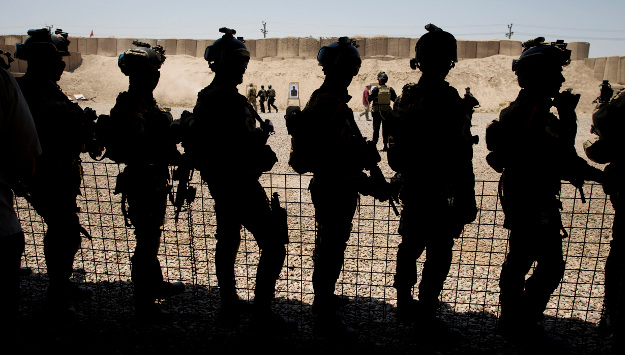
October 2015 marks the fourteenth month of formal U.S. military engagement in the struggle against the Islamic State (ISIS). The Obama administration was at first reluctant to engage U.S. military power in this struggle but then became more deliberate in its approach. U.S. involvement in the battlegrounds of Iraq and Syria has been evolving especially over the past year. This evolution has been defined and is in many ways limited by a strategy that emphasizes political change in Iraq and a broad coalition of states taking action against ISIS.
Read the full article in the September 2015 issue of The Ripon Forum.
It will be one year this September since the U.S. president declared the formation of an international coalition to ‘degrade and destroy’ ISIS. After 6,000 air strikes, 9,000 targets struck, 10,000 fighters killed, and various battles undertaken in Iraq and Syria, the war is at a strategic stalemate.
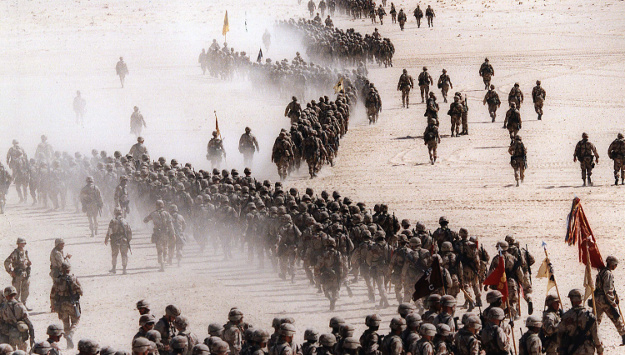
Twenty-five years ago, on August 7th 1990, an American interagency team walked into an urgent meeting with King Fahd of Saudi Arabia, not knowing what would happen. A week earlier Iraq had seized Kuwait. The Americans feared that the Iraqi Army might keep going, seizing the Saudi oil fields. As a result of decisions made at that August 7th meeting, Iraq and terrorism have dominated American foreign policy for three decades and continue to do so.
If the hallmark of al-Qa‘ida was to execute simultaneous spectacular attacks to advance its strategic momentum, the month of Ramadan in June and July showed that the Islamic State (ISIS) is taking this tactic to a new level. Yet the extreme amounts of blood shed during the holy month will likely ultimately weaken ISIS, as tribes and other groups in Syria and Iraq, even more appalled by the organization’s barbarism, unite against it.
This article was first published on NPR’s Parallels blog.
It started so well. When Saddam Hussein’s Iraq invaded Kuwait on Aug. 2, 1990, the United States swiftly cobbled together a broad coalition, unleashed a stunning new generation of air power and waged a lightning ground offensive that lasted all of four days. Iraqi troops were so desperate to quit that some surrendered to Western journalists armed only with notebooks.
The Humanitarian Crisis in the Middle East: Highlights from the MEI Conference
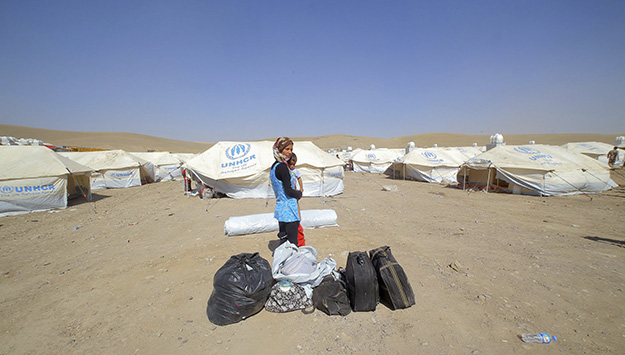
For decades, most refugee crises followed a pattern: A war erupted, usually in a poor country, and beleaguered civilians staggered across the nearest border. The United Nations organized a response, rich nations footed the bill, and aid groups sent in workers to tend to the needy. Even in extreme cases, such as the mass exodus from Afghanistan during the Soviet invasion in the 1980s, the crisis was largely confined to the country at war and a few immediate neighbors.
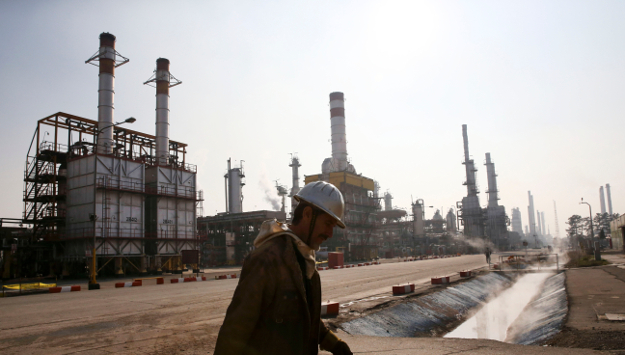
Iran offers a unique platform for China’s ambitions in the Middle East, and as such Beijing is willing to bet that the benefits of closer ties with Tehran will outnumber the costs. This analysis examines the calculations China is making regarding its relationship with Iran and argues that deepening bilateral ties reveal the centrality of Iran for China’s Middle East strategy.
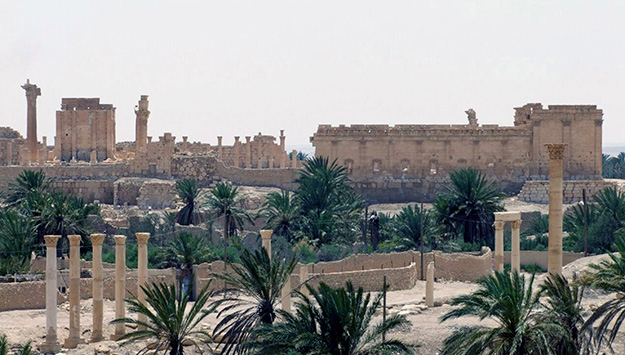
Since March 2011 Syria has gone through a traumatic process that has strained the ethnic, sectarian, and social fabric of the country—almost all that makes Syria a unified state with a people who share a common history, goals, and aspirations—to beyond the breaking point. Much of the country lies in ruins today, and its cultural heritage has been a deliberate casualty of the conflict from its earliest days.
The United States, the GCC, and Iran: The Crisis that Wasn’t
Whatever eventually comes of the security agreements and mutual pledges of support made at last week’s summit conference between President Obama and leaders of the Arab Gulf monarchies, one result is clear: Saudi Arabia and the others may not be enthusiastic about the pending nuclear agreement with Iran, but they will not actively oppose it.