Monday Briefing: Turkey's Post-Coup Military Restructuring and US-Russia Meeting in Geneva on Syria Coodrination
In this week’s Monday Briefing, MEI experts Gonul Tol and Randa Slim provide analysis on the restructuring of Turkey’s military following the recent failed coup attempt and the meeting between U.S. and Russian officials in Geneva tomorrow to discuss counterterrorism coordination in Syria.
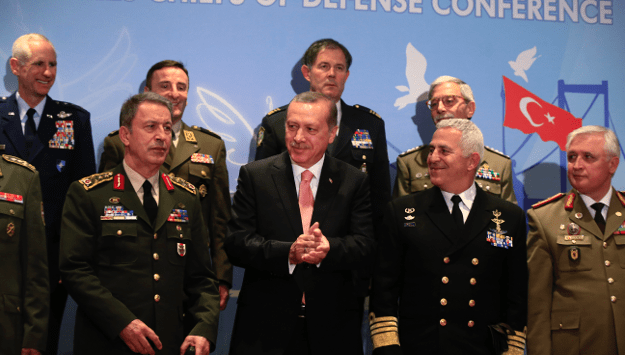
Turkey Restructures Military
Gonul Tol, Director of the Center for Turkish Studies

Post-Coup Purge Adds to Turkey's Instability
Turkey is a country of ironies. A president who has called Twitter “the worst menace to society” and frequently expressed his “hatred” of the Internet, used both to prevent the coup against his rule when he called on his followers to take to the streets using Twitter and Facetime. The first TV network he called to reach out to his followers was CNN Turk, a channel he repeatedly accused of “terrorism propaganda” and “supporting coup against his government” and that has been the target of physical attacks by pro-Erdogan supporters.
Israel on the Outer in Syria’s Civil War
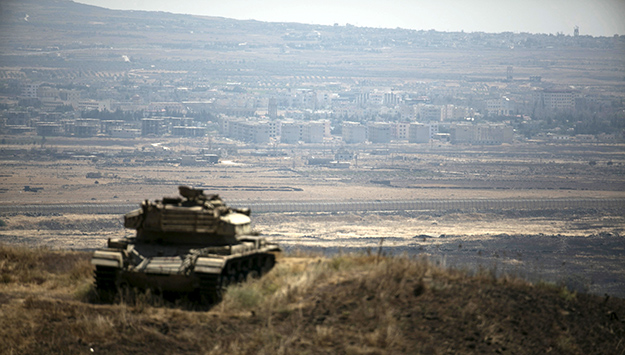
For successive Israeli governments and the defense establishment, the Syrian arena has traditionally been considered Israel’s “front yard” in terms of threat analysis, early warning and force readiness. The defense budget, comprising 7.7 percent of Israel’s G.N.P. in 2011 (latest available data), included considerable allocations designed to meet the Syrian army’s threat.
Monday Briefing: After Turkey's Failed Coup, How Far Will the Crackdown Go?
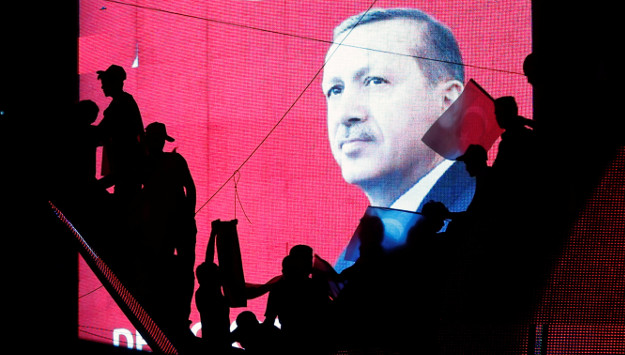
In this week’s Monday Briefing, MEI expert W. Robert Pearson provides analysis on the failed coup in Turkey and the impending crackdown on opposition. Marvin Weinbaum considers whether the unpopularity of Pakistan’s government could put it at risk of a military coup of its own. And Charles Lister looks at how ISIS is adapting in the face of territorial losses in Iraq and Syria.
What Caused the Turkish Coup Attempt
Read the full article on Politico Magazine.
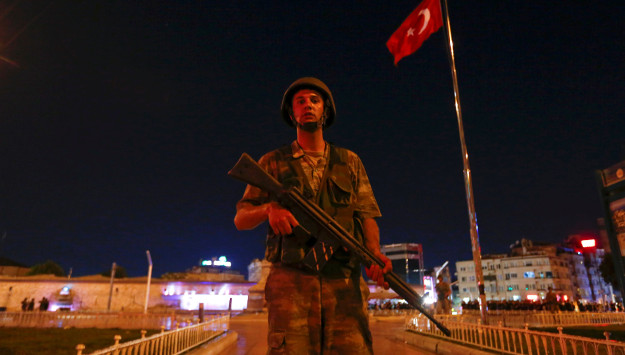
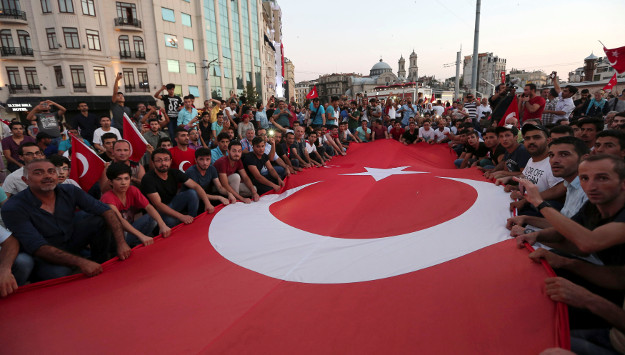
A military coup succeeds or fails quickly. The July 15 attempt in Turkey now is over with thousands arrested, hundreds killed and Turkey in traumatic shock. The reasons behind a coup attempt, however, do not rise or disappear as quickly.
Israel-Turkey: Where to from Now?
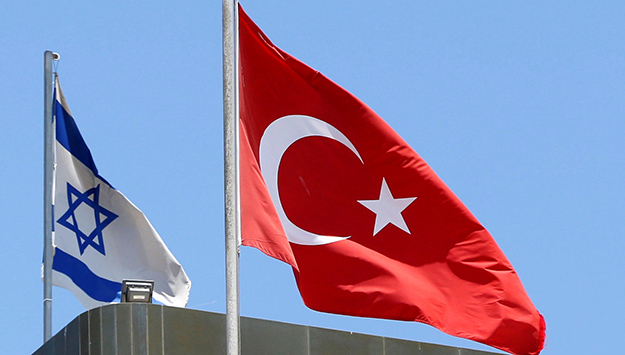
After years of negotiations that produced sporadic headlines but few results, Israel and Turkey finally reached terms for reconciliation on June 27. While relations will not return to the “love affair” of the 1990s, there is reason for cautious optimism. Rapprochement will serve to create the foundation for a stronger dialogue between two of the Middle East’s most important actors.
Weekly Briefing: Baghdad Bombing, NATO Summit, Israel’s Africa Outreach, and Saudi Embassy Trial in Iran
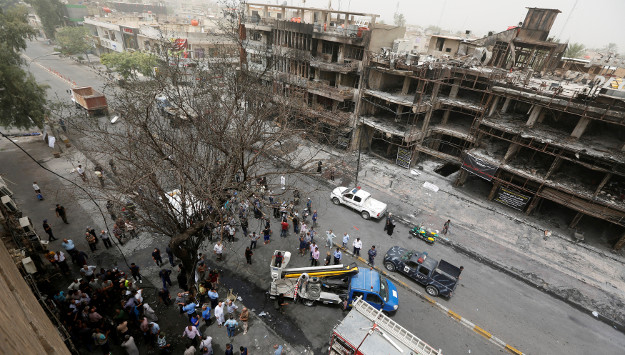
In this week’s briefing, MEI experts Hassan Mneimneh, Daniel Serwer, Paul Scham, and Alex Vatanka provide analysis on recent and upcoming events including the ISIS bombing in Baghdad, this week’s NATO summit in Warsaw, Israel’s outreach to Africa, and the trial in Iran over the ransacking of the Saudi embassy.
Iraqi PM Under Pressure after ISIS Atrocity
Hassan Mneimneh, MEI Scholar
Istanbul Attack offers Turkey a New Start
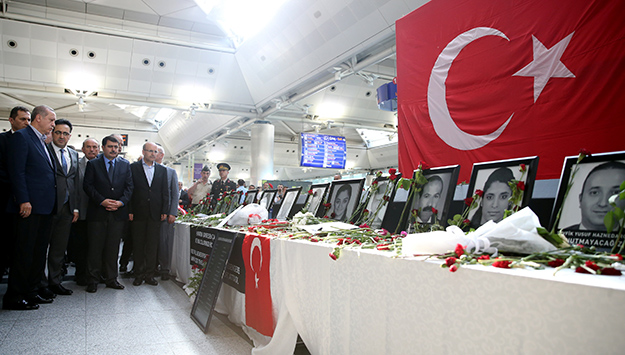
The gut-wrenching tragedy at Istanbul’s Ataturk Airport offers a chance now to strike more damaging blows against ISIS. The cold-blooded massacre of June 28 reveals key facts that call for a rapid and comprehensive response. Recognizing the truth of this massacre opens the door to a new start in Turkey’s own war policy to complement its recent diplomatic efforts to improve its international ties.
Monday Briefing: Brexit’s Impact on the Middle East; Syria File Changes Hands in Iran
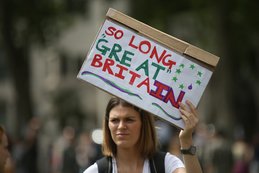
In this week’s Monday Briefing, MEI experts Daniel Serwer, Paul Scham, and Alex Vatanka provide analysis on recent and upcoming events including Brexit’s impact on the Middle East, how Brexit is distracting the E.U. from Israel-Palestine issues, and Iran’s more moderate reshuffling of officials focusing on Syria.
Brexit’s Impact on the Middle East
Daniel Serwer, MEI Scholar
Israel Doubles Down on Settlement Policy
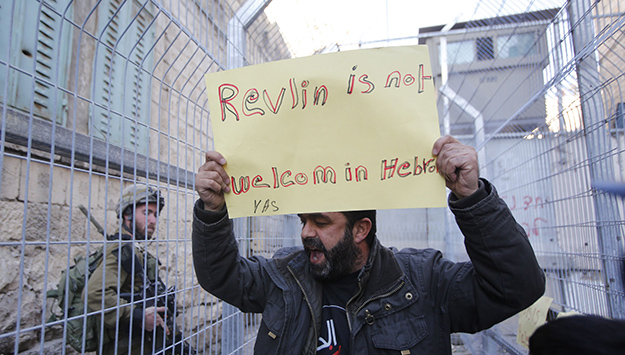
Israeli President Reuven “Ruby” Rivlin was recently asked about the prospects for a two-state solution to Israel’s long conflict with the Palestinians. He described this concept for building a future between Israel and its neighbor as “irrelevant.” Indeed, he claims to have said as much to President Barack Obama when they last met.
What does “irrelevant” mean in this context? The dictionary lists as its synonyms “immaterial” or “beside the point.”
Monday Briefing: ISIS to Lose Fallujah; Pakistan to Join S.C.O.
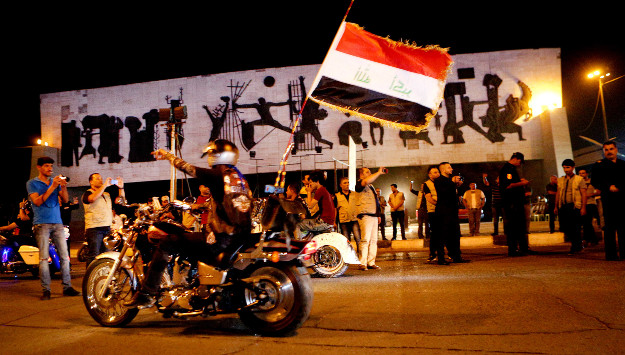
In this week’s Monday Briefing, MEI experts Robert S. Ford, Paul Scham, and Marvin G. Weinbaum provide analysis on recent events including the battle against ISIS for Fallujah, Israel’s upcoming address to the EU Parliament, and Pakistan’s upcoming accession to the Shanghai Cooperation Organization.
ISIS to Lose Fallujah
Robert S. Ford, Senior Fellow
Saudi-Israel: Mistaken Hopes for an Alliance
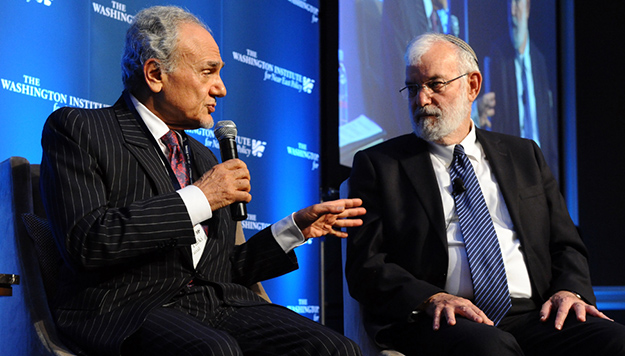
For several years, Israeli-Saudi collaboration over regional geostrategy to check Iranian influence has been the worst kept secret in the Middle East since the advent of Israel’s robust nuclear arsenal. Still, public coordination has been taboo, and while indirect, and even direct, coordination may be taking place behind closed doors, no official relationships can develop. This, of course, is due to the history between the state of Israel and the Arab world.
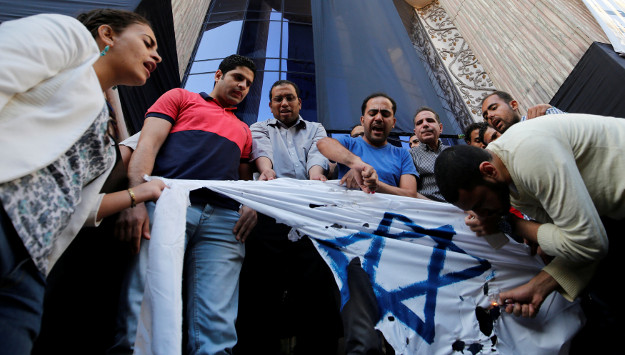
Netanyahu, Sisi and Zero Problems Diplomacy
Read the full article on Al Jazeera.
These days even the hint of a renewal of diplomacy on Palestine is enough to set tongues wagging. In recent months, France has led what remains an inchoate effort to fill the diplomatic vacuum created by the Obama administration’s decision two years ago to close its book on Palestine.
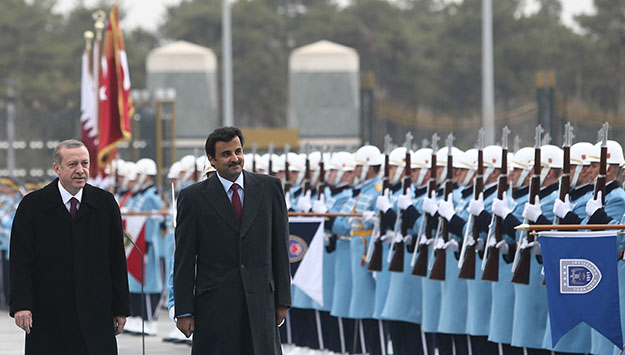
Turkey and Qatar’s Burgeoning Strategic Alliance
Between the rise to power of the Justice and Development Party (A.K.P.) in the early 2000s and the eruption of the Syrian crisis in 2011, Turkey’s “zero problems with neighbors” approach to foreign policy seemed commendable. Today, however, Ankara’s foreign policy is perhaps best described as “zero neighbors without problems.” In response to the Arab uprisings of 2011, Ankara’s projection of primarily soft power has evolved into the embrace of hard power—most notably in Iraq and Syria.