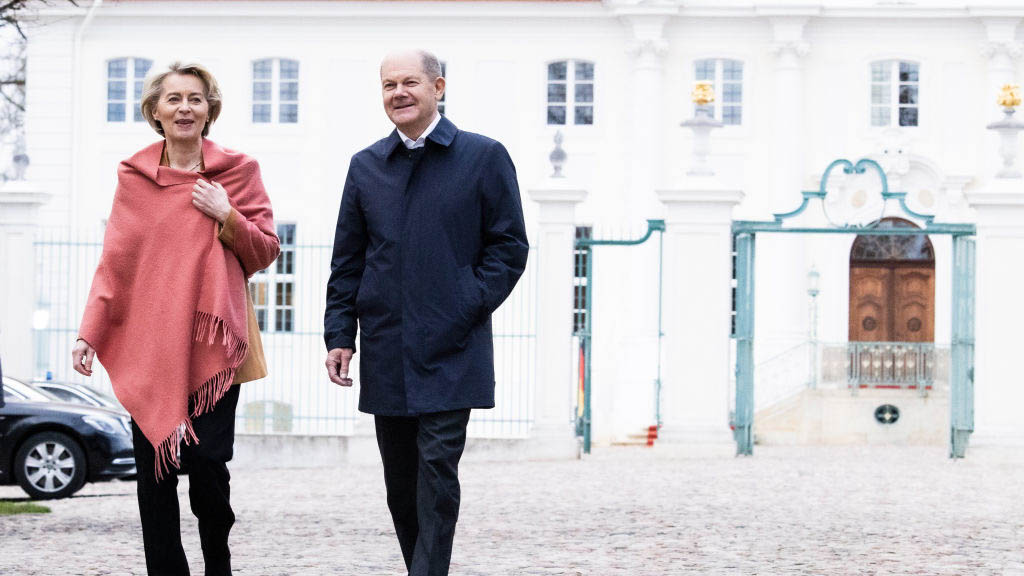
French President Emmanuel Macron is taking Ursula von der Leyen with him on his trip to China next week. Von der Leyen is president of the European Commission and, until now, one of the European Union’s (EU) staunchest supporters of Ukraine. The two are scheduled to arrive in Beijing on April 4. While Macron’s visit had been announced some time ago, von der Leyen’s recent decision to join gives the trip a pan-European stamp of approval. But for what?
Assessing US Assistance to the Lebanese Armed Forces
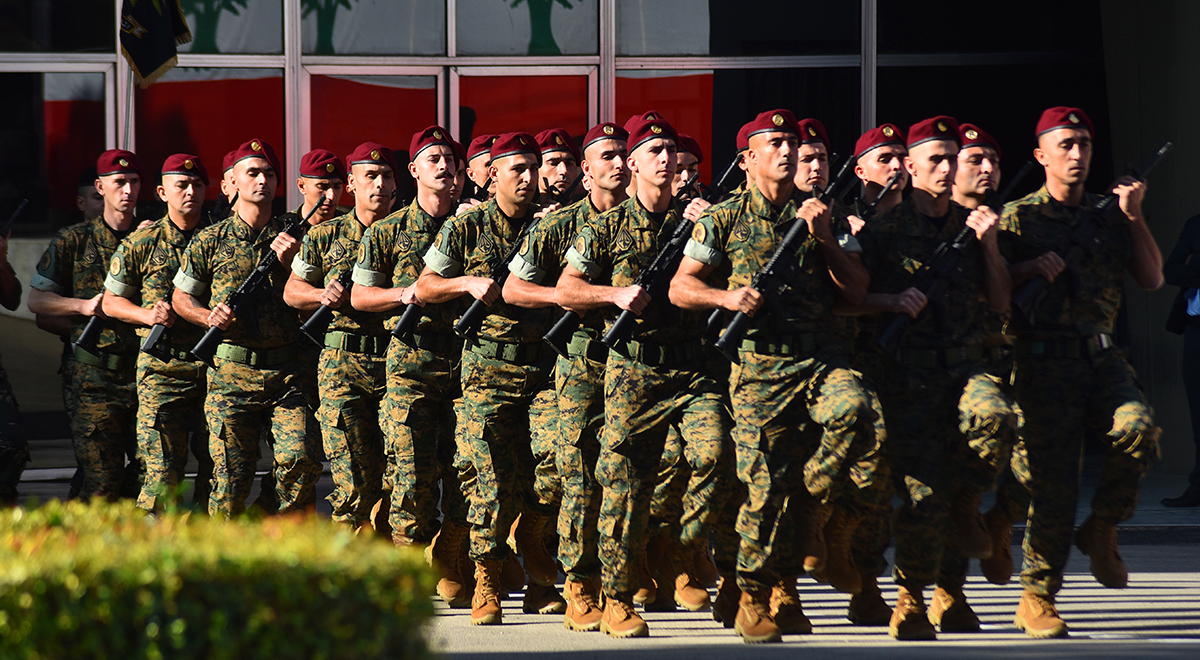
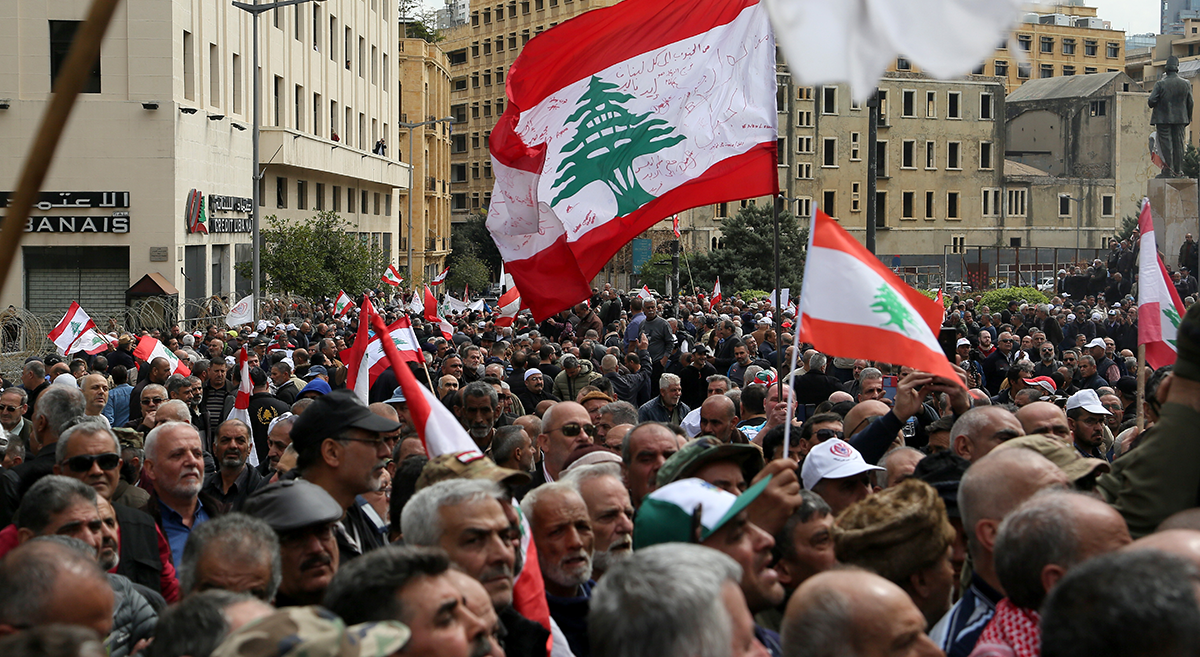
In January 2023, the United States began to reroute $72 million of assistance to Lebanon to support the salaries of Lebanese soldiers and police officers, most of whom could barely make ends meet due to the disastrous economic situation in the country. It took Washington more than two years to make that decision, partly because US laws regarding this type of aid were slightly unclear. But more importantly, the voices inside and outside the US government who argued against further support to the Lebanese Armed Forces (LAF), let alone direct cash assistance, succeeded in delaying the process. This was yet another example of how, despite continued US commitment to the LAF through successive administrations, the US military assistance program remains vulnerable to US domestic politics.https://apnews.com/article/politics-united-states-government-lebanon-bu…
Unexpected beneficiary: The implications of the China-brokered Saudi-Iran deal for Pakistan
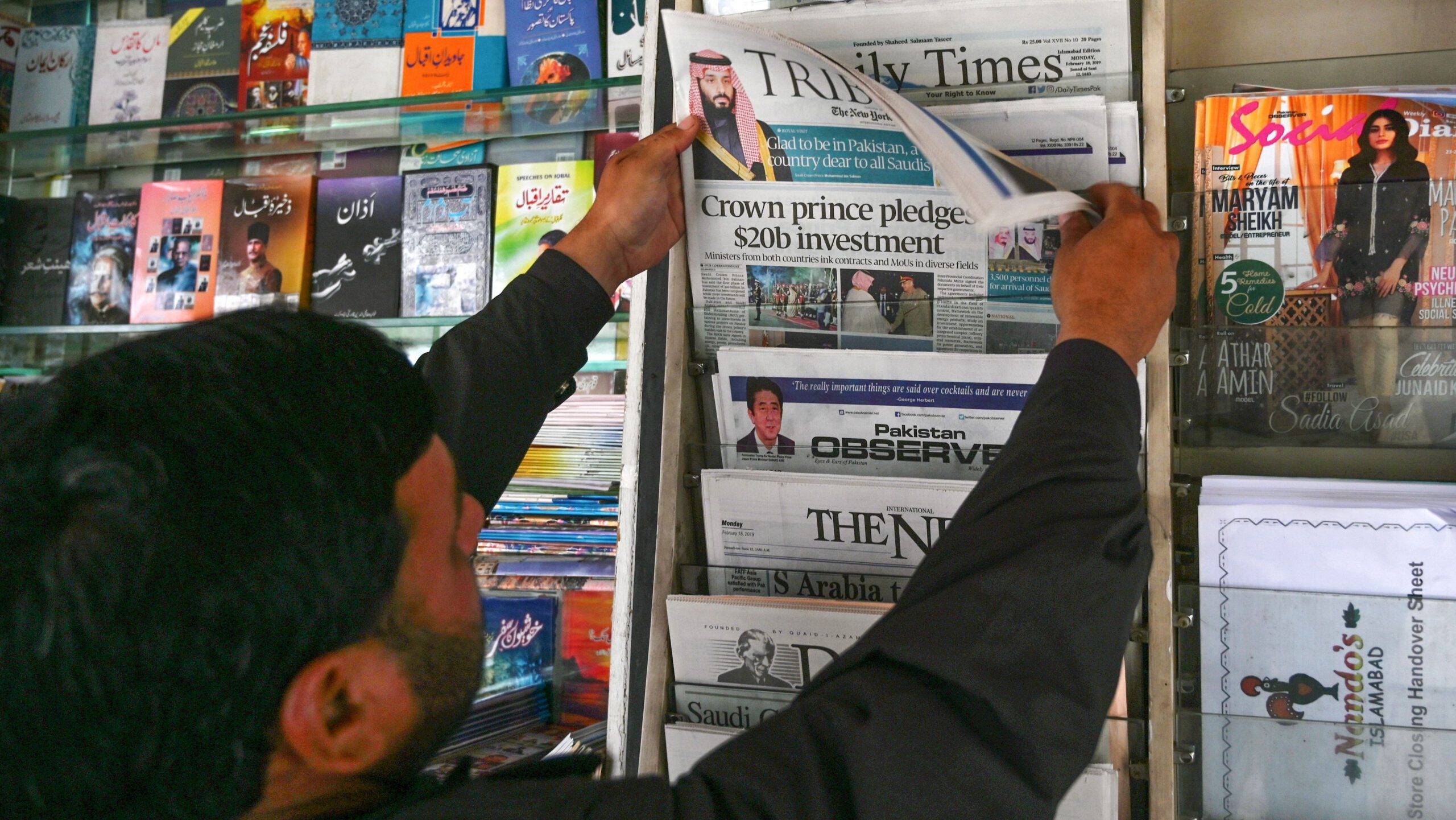
The implications of the apparent rapprochement between Saudi Arabia and Iran are likely to have significant consequences for vital neighboring regions like South Asia and other populous Muslim countries, including, notably, Pakistan.
Why the Iranian public remains silent in the face of Israeli attacks
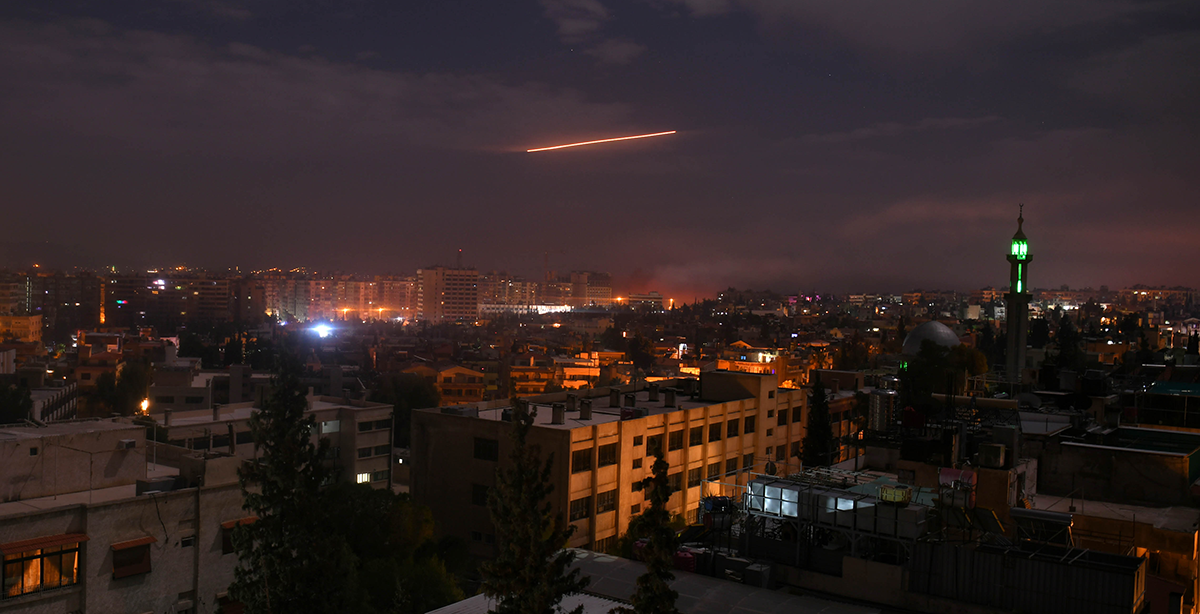
The silence from Iran is deafening. Judging by social media reactions and media reports from Iran, few, if any, members of the Iranian public seem to care that, since 2011, the Israeli air force has attacked Iranian and Iranian-affiliated positions in Syria on more than a thousand occasions, reportedly killing a number of Iranian members of the IRGC.
Arab women break boundaries and stereotypes in Middle Eastern militaries
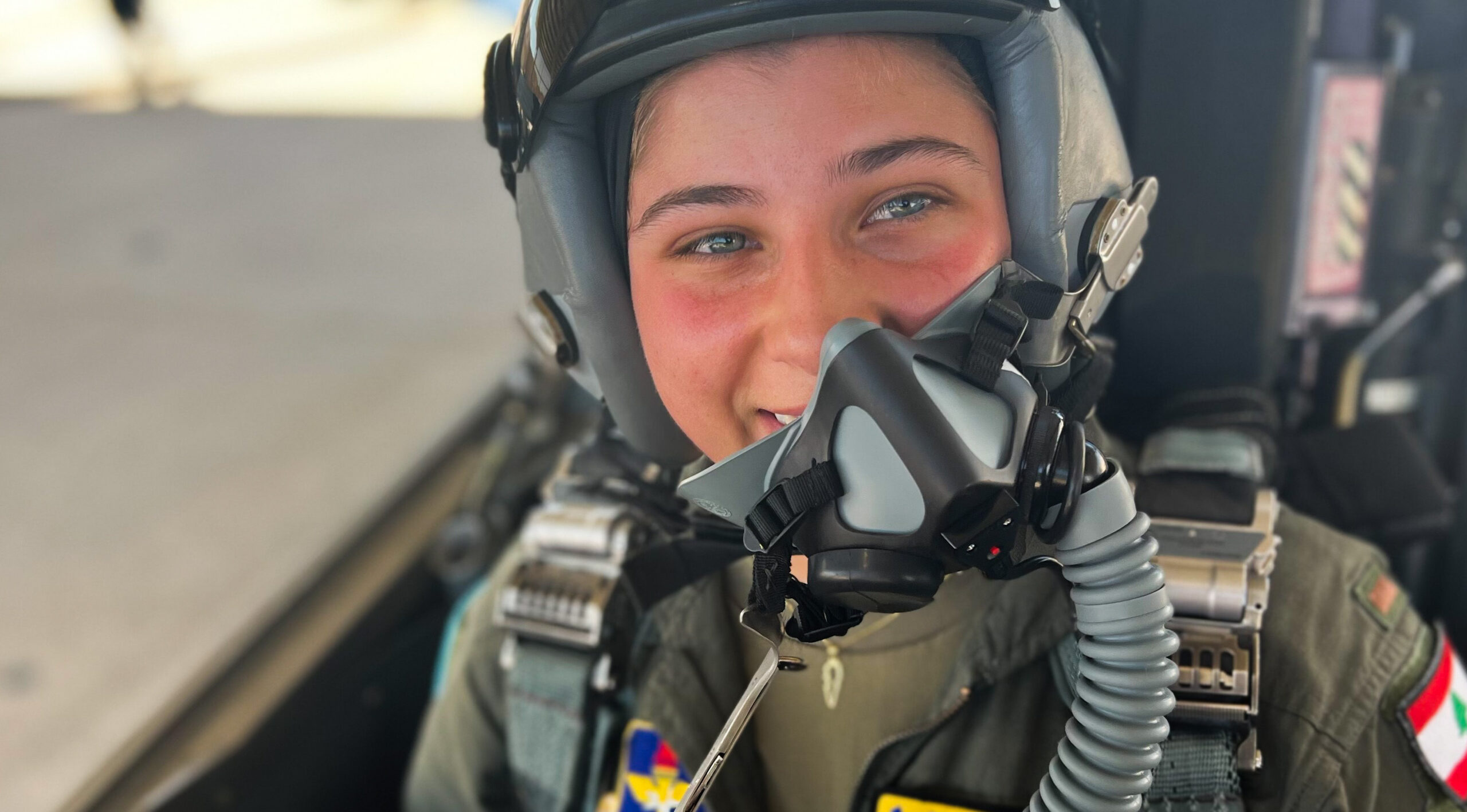
As Women’s History Month in the U.S. draws to a close, women in the armed forces of several Middle Eastern countries continue to achieve historic milestones, with many now serving as pilots, engineers, peacekeepers, and in special forces units. The role of women is steadily increasing as the result of new initiatives, policies, and gradually changing mindsets in the Middle East.
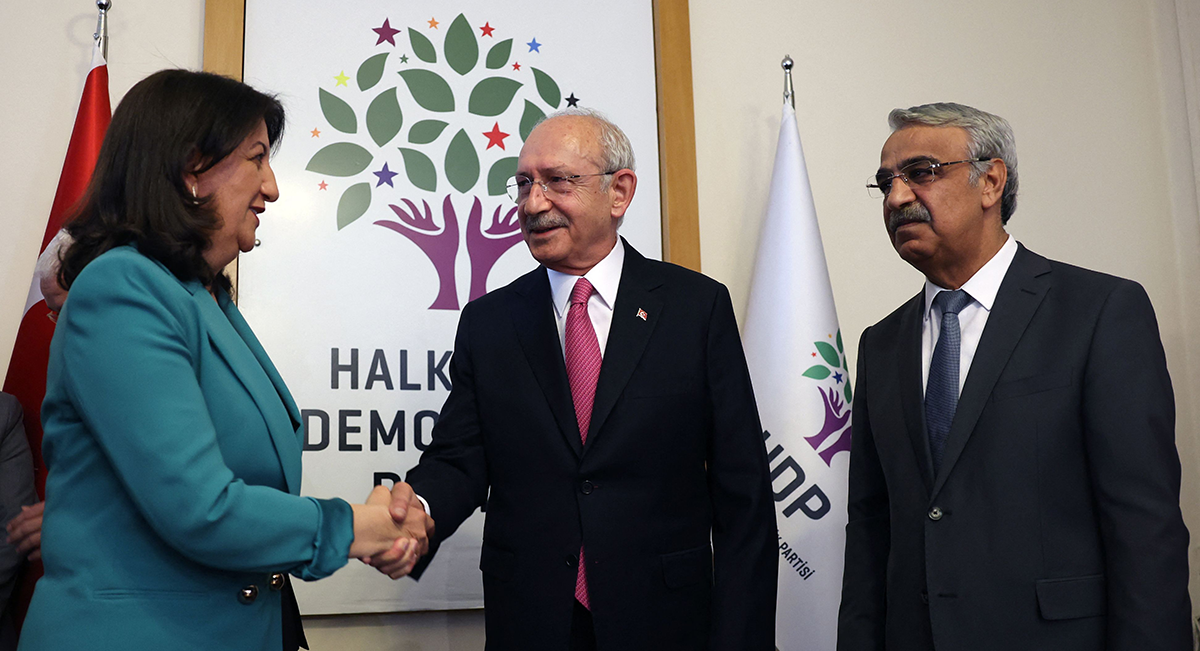
Catch up with the latest developments about Turkey’s May elections with weekly updates from MEI’s Turkey Program. In this week’s installment of Turkish Election Watch: The HDP takes sides without taking sides, the dark horse candidate Muharrem İnce, and the AKP’s “People’s Alliance” coalition.
Missed opportunities: The billions sacrificed annually to generate electricity in the GCC
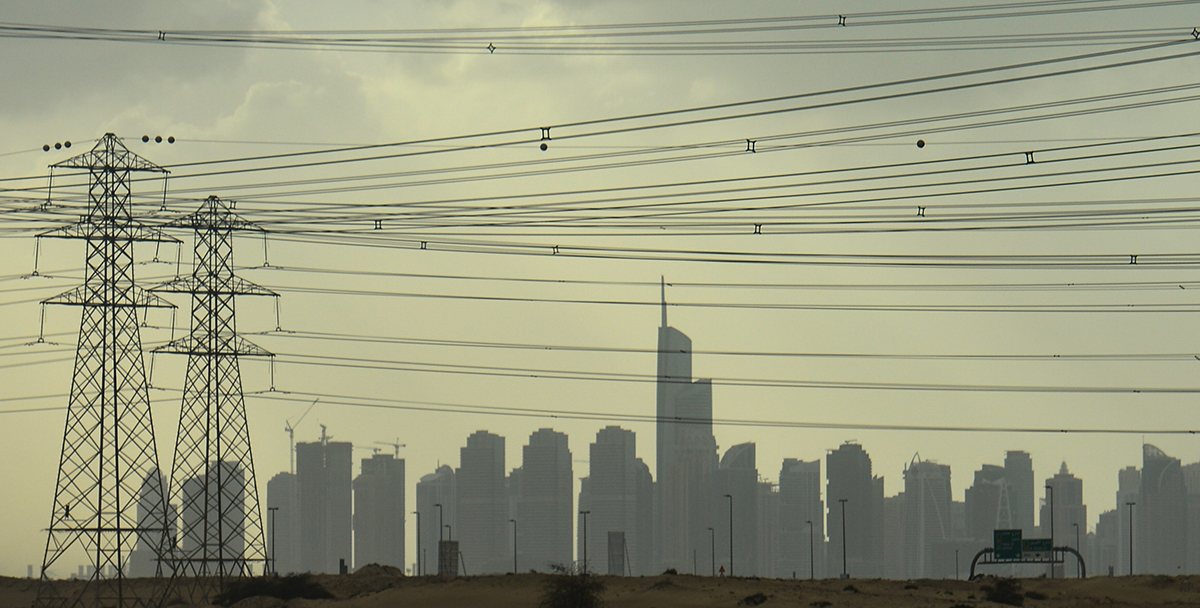
The GCC governments still cover over 40% of the cost of domestic electricity production. Yet, electricity subsidy bills alone do not reflect the full extent of their economic losses. Once the forgone revenues from the export of natural gas and oil used to meet rising domestic energy demand are added in, the total economic cost of the GCC’s electricity is too great to ignore.
A Saudi-Houthi deal won’t bring lasting peace in Yemen
The recent agreement to restore diplomatic relations between Saudi Arabia and Iran raised hope among Western leaders and some Yemen watchers that it could help bring an end to the war in Yemen. The international community, however, can do more harm than good if its actions are driven by hope and desperation rather than a careful reading of the reality on the ground. Yemen must not be a sacrificial lamb for improving relations between Iran and Saudi Arabia.
If the US wants to make its mark on the future of Israeli democracy, it’s time it moved from words to deeds
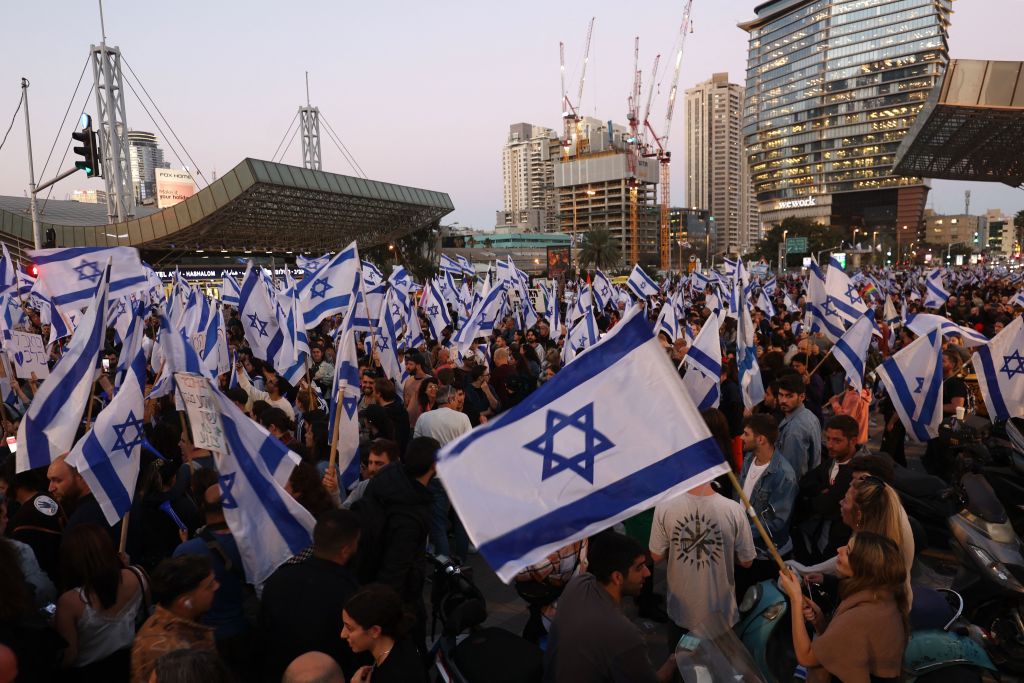
As Israel’s hardline coalition government is ramming through legislation that would radically alter the country’s political character and system of government, alarm bells are finally ringing in Washington. Even President Joe Biden has finally picked up the phone and expressed his concern to Prime Minister Benjamin Netanyahu about his anti-democratic agenda. The growing American apprehension, however, has yet to be translated into meaningful policy action.
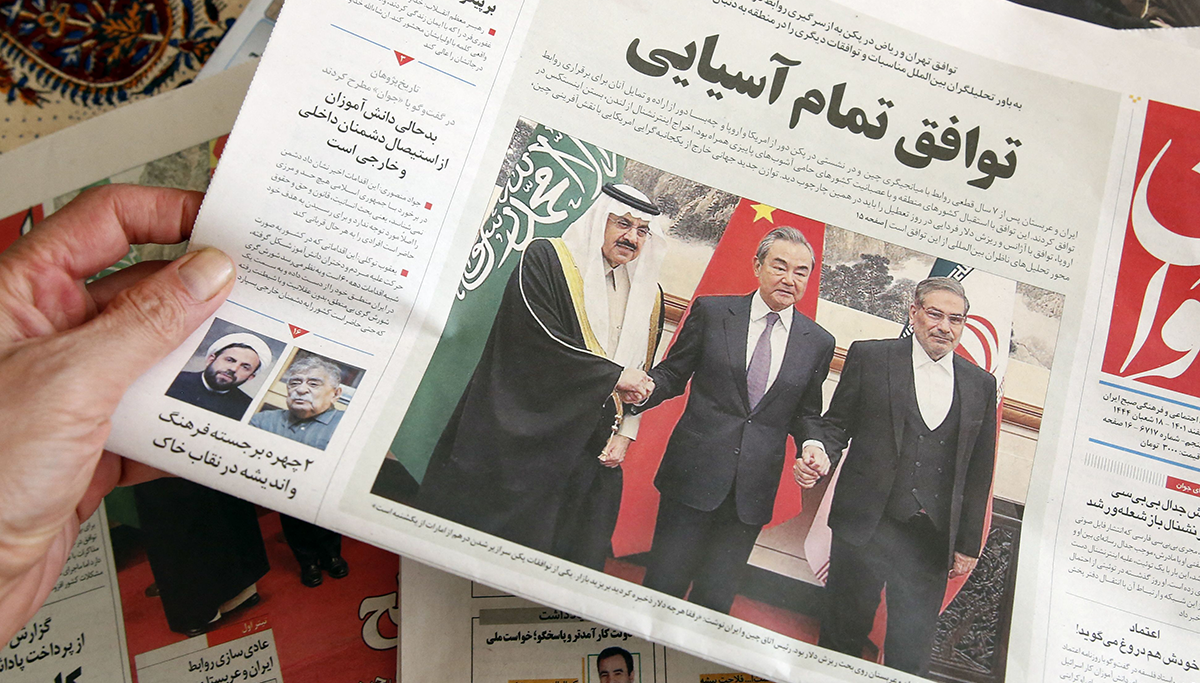
Two weeks ago, on March 10, Iran said it would restore diplomatic relations with Saudi Arabia after a seven-year rupture as part of a deal brokered by China. The agreement, reached in Beijing, is the result of almost a year and a half of mostly quiet talks between Iran and Saudi Arabia, facilitated by a host of countries including China, Iraq, Oman, Russia, and the United States.
Pakistan’s democratic dilemma at the edge of a political precipice
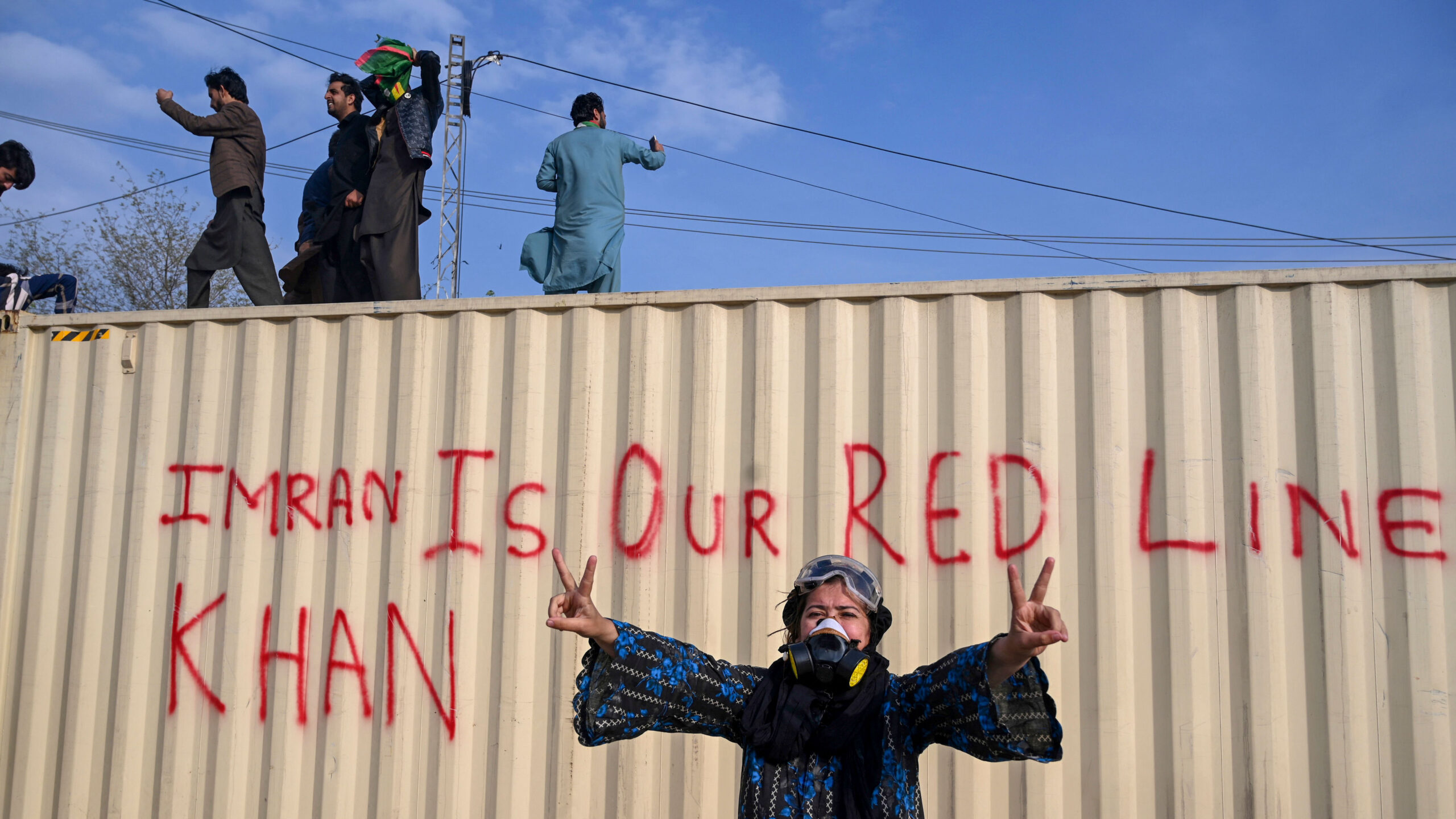
The ongoing conflict in Pakistan between Imran Khan’s Pakistan Tehreek-e-Insaf (PTI) and Prime Minister Shehbaz Sharif’s coalition government has escalated to new heights, widened the political chasm even more, and multiplied social fragmentation in the face of public hostility to state institutions. It has also increased the likelihood of anarchy and civil war.
Paris failed. Washington must lead in breaking the mafia-militia’s chokehold on Lebanon
In response to Lebanon’s seemingly imminent transition into a failed state, this article introduces a new framework to explain the country’s protracted crisis. In turn, we unpack what the past four years of international responses to Lebanon got wrong and make the case for a new assertive approach for Washington to take — one that empowers local stakeholders working to recapture the state and reform the country’s political economy.
Russia’s occupation strategy — the biggest long-term threat to Ukraine’s stability
Repeatedly throughout Russia’s history, its authorities have employed unlawful occupations, annexations, deportations, filtration, and ethnic dilution through an influx of Russian settlers to control and reshape the Eurasian map in favor of Russian expansionism. The de-occupation and reintegration of the Russian-controlled territories of Ukraine can be the only guarantee of durable peace in the heart of Europe.