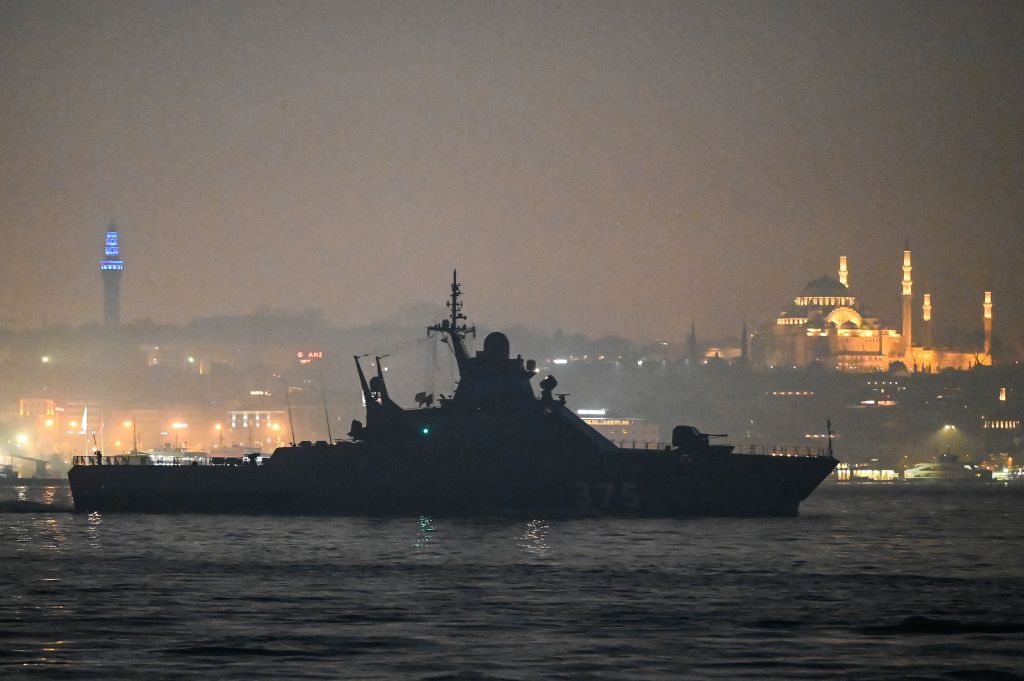
Drones are re-engineering the geopolitics of the Middle East
The Middle East is experiencing a seismic shift in its geopolitics: the dawn of the era of drones. From Syria to Libya and from Yemen to Iraq, UAVs have altered the dynamics on the battlefield. Agile and affordable, drones aren’t just a menace to remote conflict zones, but also to states far removed from theaters of war.
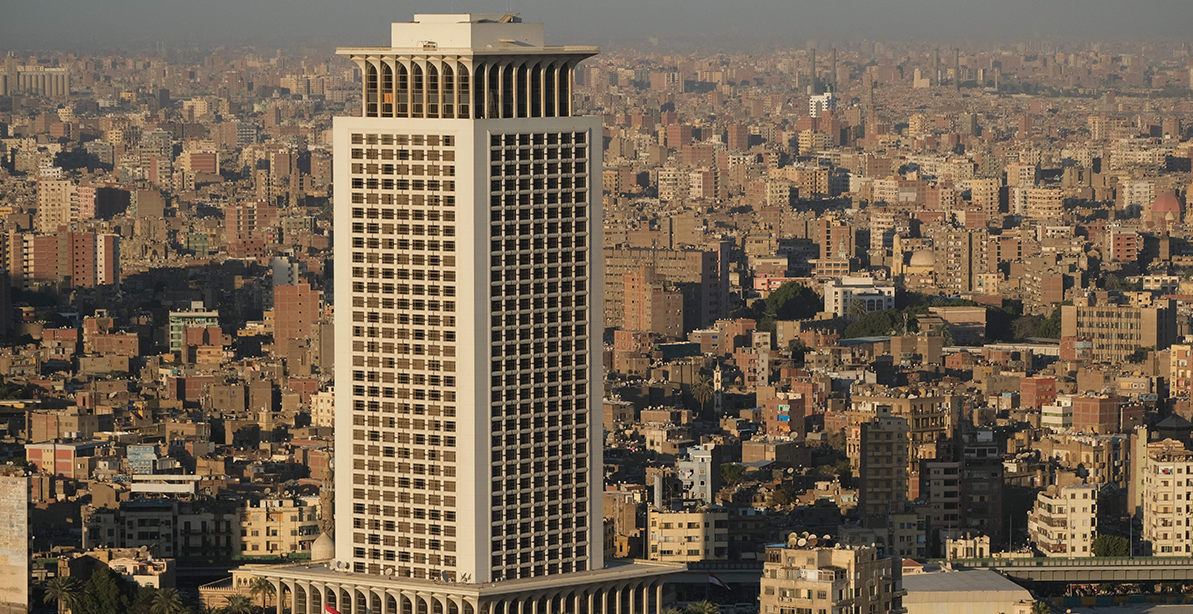
Getting complicated in a hurry: The implications for Egypt of Russia’s invasion of Ukraine
A week after Russia invaded Ukraine, the economic and political ramifications for Egypt have evolved more rapidly, and comprehensively, than its policymakers would have wished.
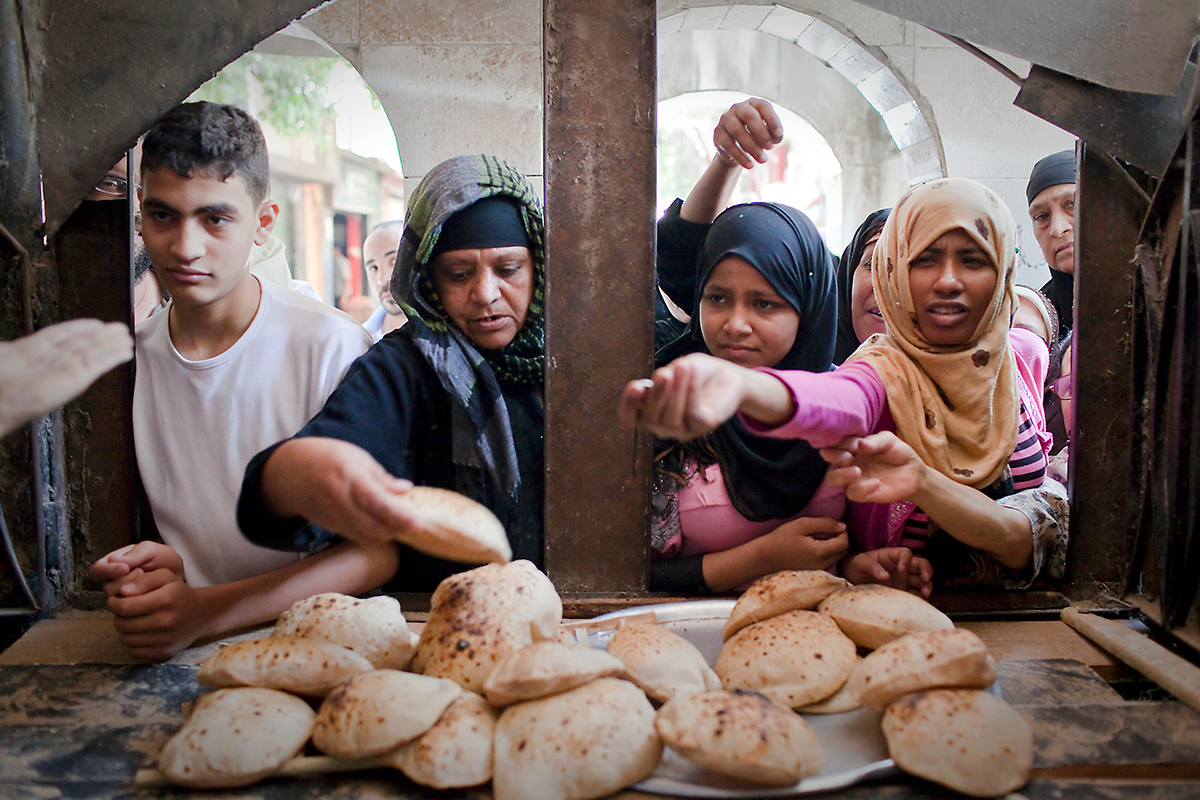
The Russia-Ukraine War has Turned Egypt's Food Crisis into an Existential Threat to the Economy
With the outbreak of the Russia-Ukraine war on Feb. 24, 2022, Egypt’s food security crisis now poses an existential threat to its economy. The fragile state of Egypt’s food security stems from the agricultural sector’s inability to produce enough cereal grains, especially wheat, and oilseeds to meet even half of the country’s domestic demand.
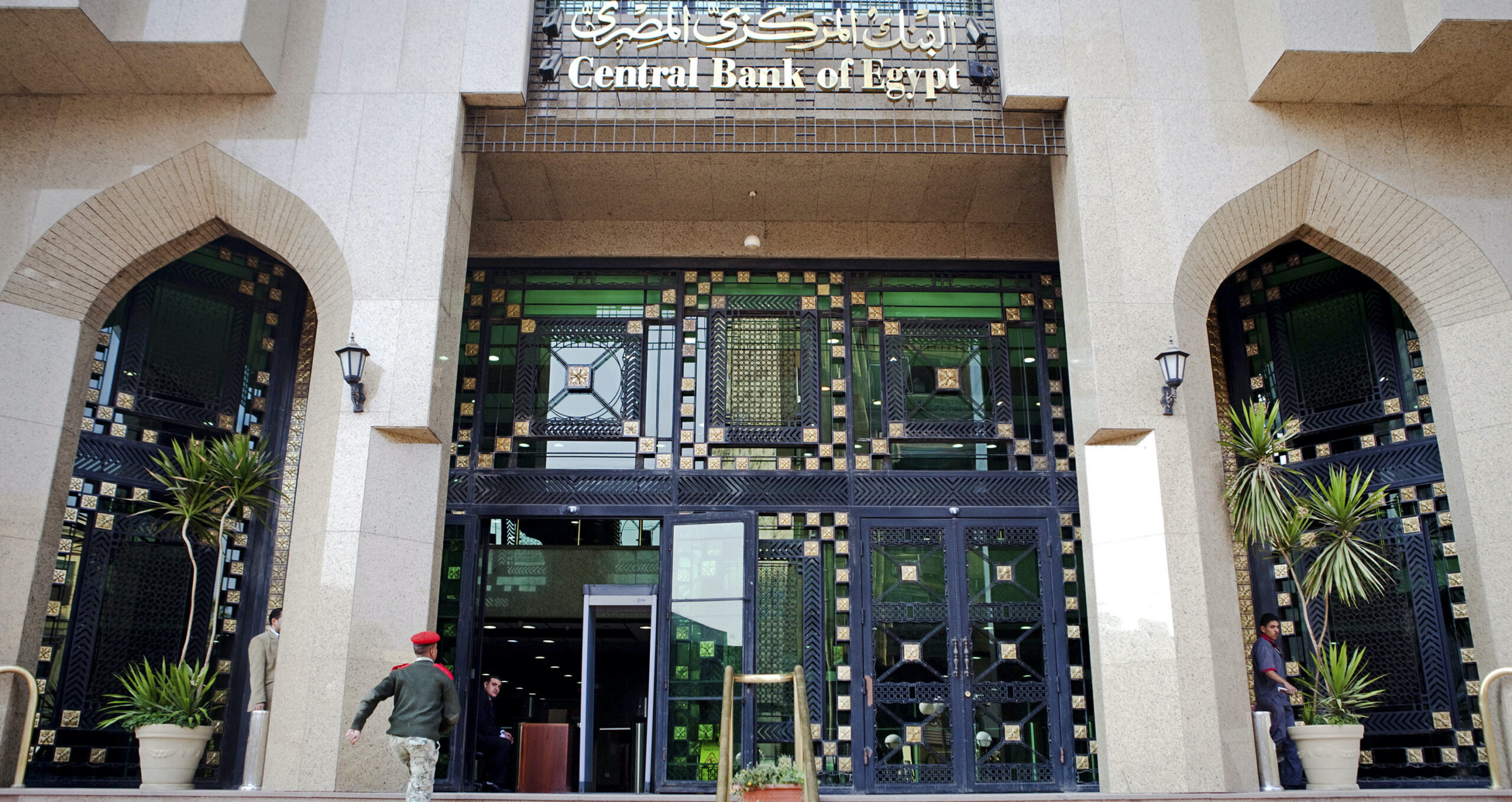
Expanding use of e-wallets in Egypt: Strengthening the social contract one transaction at a time
Egypt, like much of MENA, is experiencing an unprecedented digital transformation. Governments throughout the region are embracing emerging technologies, particularly in governance and, increasingly, financial management. Countries across MENA are adopting ICT strategies, such as the ICT Vision 2030 in Egypt. Egypt’s plan aims to develop a knowledge-based society by means of a strong digital economy built on reliable, affordable, and equitable access to digital tools.
Sudan-Russia relations after the October coup: The view from Moscow
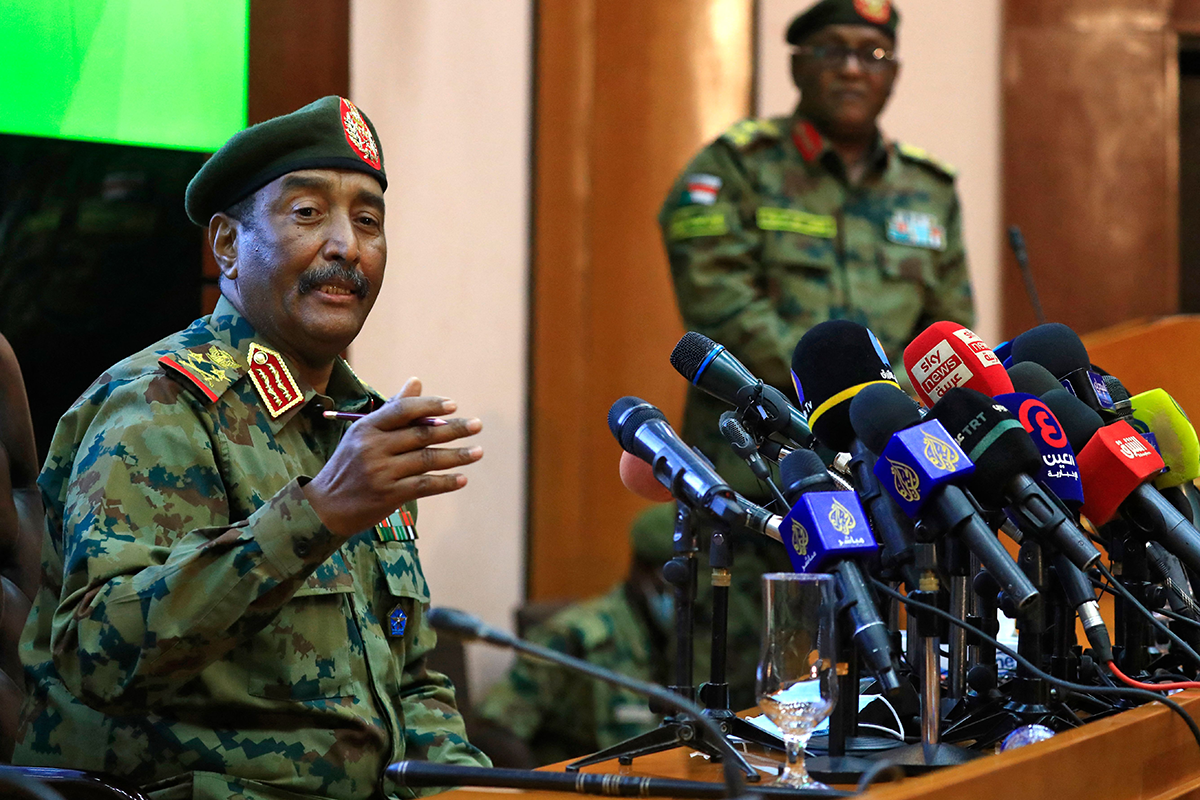
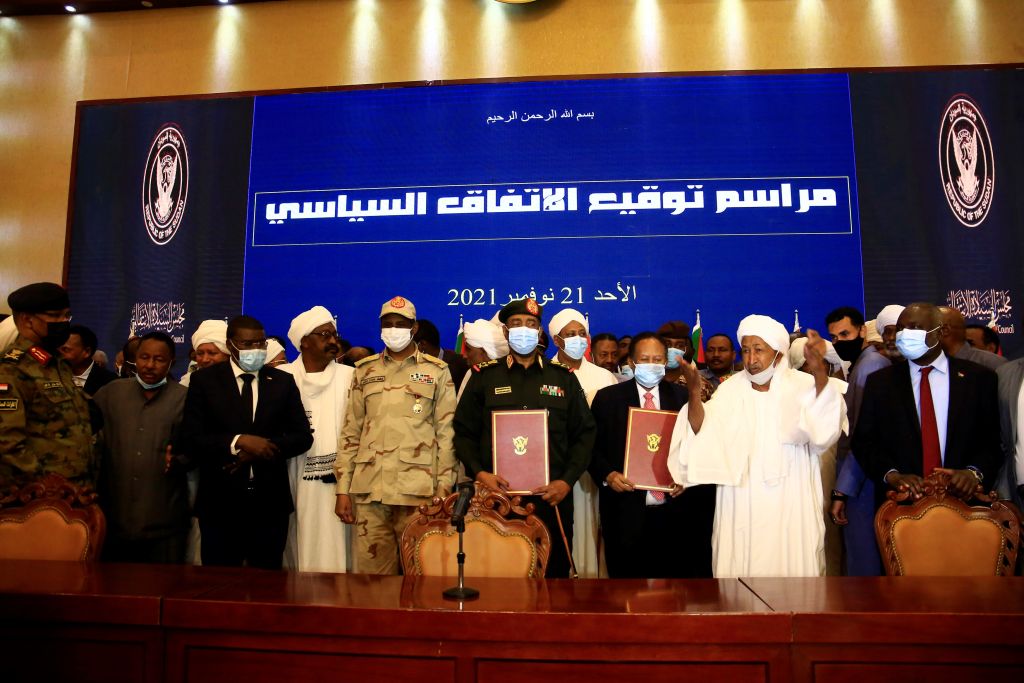
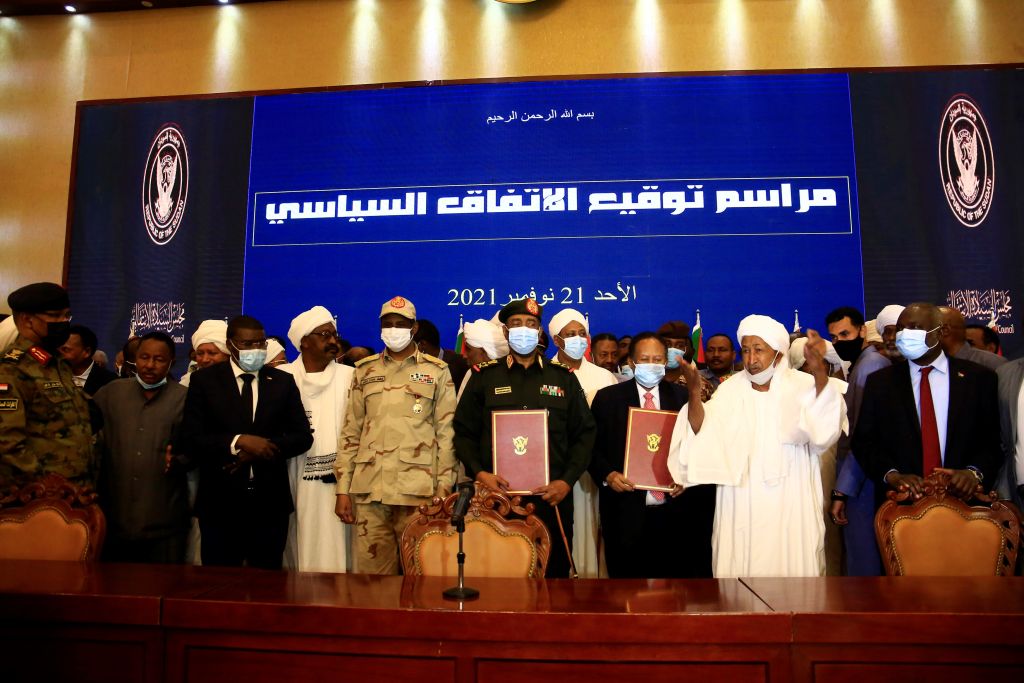
Since late October, Sudan has been mired in a state of intense political turmoil. On Oct. 25, Gen. Abdel Fattah al-Burhan seized power in a coup d’état, placed civilian Prime Minister Abdalla Hamdok under house arrest, and declared a state of emergency. In response to intense international pressure, Burhan and Hamdok signed a 14-point deal on Nov. 21, which reinstated Hamdok as prime minister and resulted in the release of political prisoners. While this agreement thwarted Sudan’s descent into a military dictatorship, mass protests persist and the opposition Forces of Freedom and Change (FFC) have rejected the deal.
جنرالات السودان يتراجعون قليلًا لكن الأزمة لم تنته
منذ تولي الجنرالات السلطة الكاملة في السودان في 25 أكتوبر/تشرين الأول، ضغطت الولايات المتحدة والعديد من الجهات الفاعلة الأخرى على الجيش لإعادة رئيس الوزراء عبد الله حمدوك ووزرائه المدنيين إلى السلطة قبل استئناف المساعدة ومناقشات الإعفاء من الديون. لقد أحجم المجتمع الدولي عن تقديم 4 مليارات دولار من المساعدات الإنمائية وأوقف المناقشات بشأن ما يصل إلى 50 مليار دولار لتخفيف الديون.
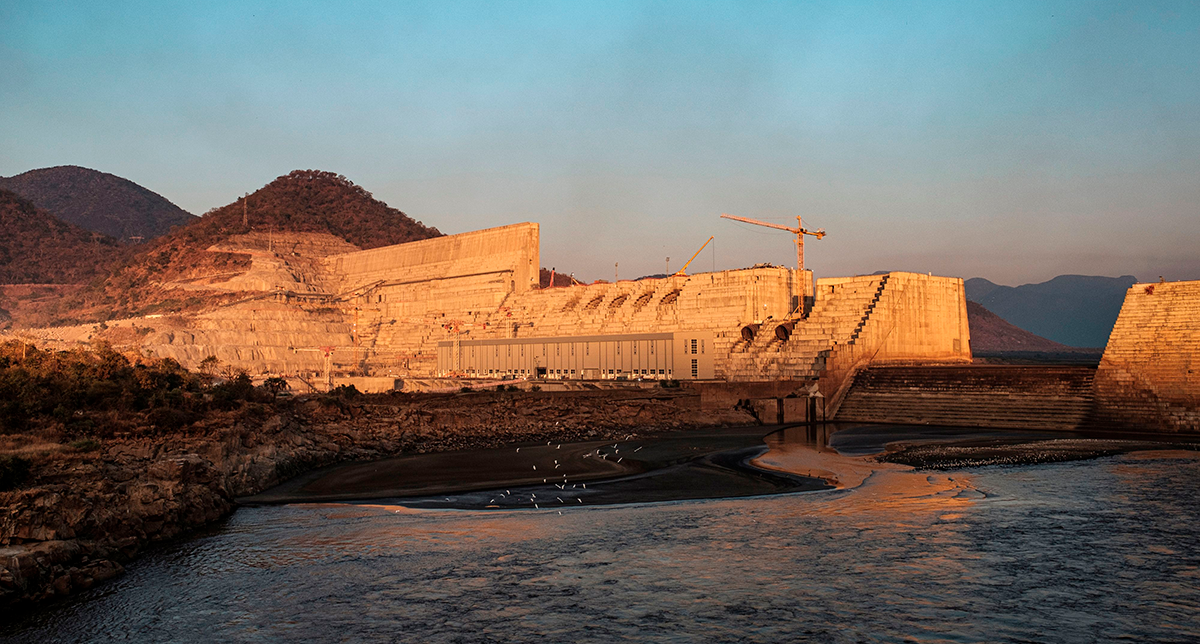
Despite great diplomatic efforts, progress on reaching a comprehensive agreement between Egypt, Ethiopia, and Sudan over the Grand Ethiopian Renaissance Dam (GERD) has remained elusive. While these states have long resorted to legal and political means to protect their share of the Nile, the battle over the dam is increasingly playing out in the global theater of public opinion: social media.
Expert Views: What should be the key outcomes from COP26?
As the U.N. Climate Change Conference (COP26) kicks off in Glasgow, climate change is front and center on the global agenda. Few regions of the world have more at stake than the Middle East and North Africa, given the current environmental and sustainability challenges and potential future scenarios. Experts from across MEI weigh in with their thoughts on what should be the key outcomes from COP26.