Over the course of the past ten years, NATO[1] has consistently invited Saudi Arabia and Oman to join the Istanbul Cooperation Initiative (ICI), which launched in 2004 as a cooperation framework between NATO and the GCC countries. So far, the ICI contains just four Gulf partners (Bahrain, Qatar, Kuwait, and the United Arab Emirates), and neither Riyadh nor Muscat has accepted the invitation.
I ran into some Anbaris in Washington this week. All of them have lost friends or relatives in the fight against Islamist extremism in one form or another. They had interesting things to say.
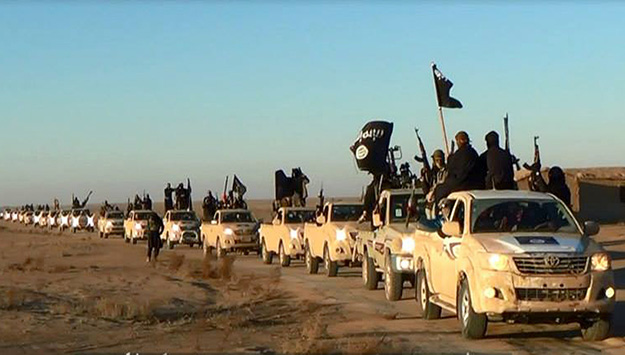
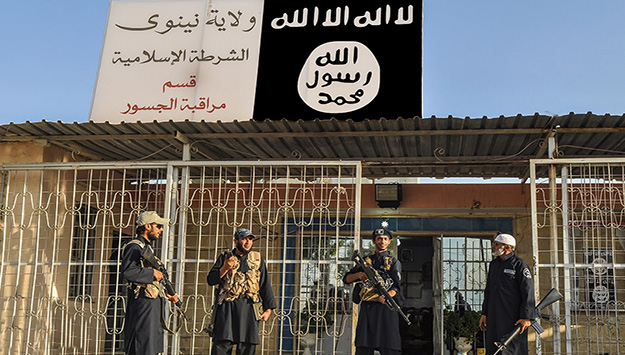
In Iraq, the Islamic State (ISIS) is no longer on the offensive. That is particularly true on the Kurdish front in the north where the ISIS onslaught is now contained.
The Iraqi Kurdish military, the Peshmerga, proved to have the capability to repel the extremist Sunni fighters from ISIS and to hang on to recaptured territory. They have done so largely without many resources or support from West.
While there have been studies on the development of Islamic philanthropic organizations in fostering social welfare in Southeast Asian countries such as Indonesia and Malaysia, the role of international Islamic aid agencies, including those from Gulf countries, in their dealings with Southeast Asian domestic welfare issues remains unexplored. This essay discusses the growth of Gulf charitable organizations operating in Southeast Asia, particularly the reasons for this phenomenon and the types of activities in which these organizations are engaged, and then takes an in-depth look at two Gulf charities that are active in Indonesia, namely the United Arab Emirates’ (UAE) Asian Muslim Charity Foundation (AMCF) and Qatar Charity.
Obama’s Legacy in the Gulf: Despite Disgruntlement, U.S. Remains Indispensable
This paper is part of an MEI scholar series, titled “Obama’s Legacy in the Middle East: Passing the Baton in 2017.” Click here to view the full project, or navigate using the table of contents to the right.
ISIS and President Obama’s Uncertain Legacy in Iraq and Syria
This paper is part of an MEI scholar series, titled “Obama’s Legacy in the Middle East: Passing the Baton in 2017.” Click here to view the full project, or navigate using the table of contents to the right.
Thanks to unprecedented current account surpluses, the Gulf Cooperation Council (GCC) countries are investing billions abroad and looking more toward the East. The GCC’s growing trade ties with China have been accompanied by encouraging development in investment relations. For these countries, investment projects in China promise access not only to large and rapidly growing energy markets, but also to other booming sectors.
Gulf Investment in China: Beyond the Petroleum Sector
This essay explores recent GCC investment in sectors of the Chinese economy other than the petrochemicals industry and examines the challenges confronted by Gulf investors.
Defeating the Islamic State Militarily is Only Half the Battle
In his speech on September 10 President Obama characterized the Islamic State (ISIS) as a terrorist group.[1] There were clear political benefits to using this label, not the least of which was to facilitate the formation of a broad-based military coalition against the organization.
The rise of China and India, coupled with major changes in the global energy market such as the US shale revolution have shifted the Gulf countries’ economic focus towards the Asian continent. East Asia has already emerged as the GCC’s most important trade partner, accounting for over 57% of its external trade.
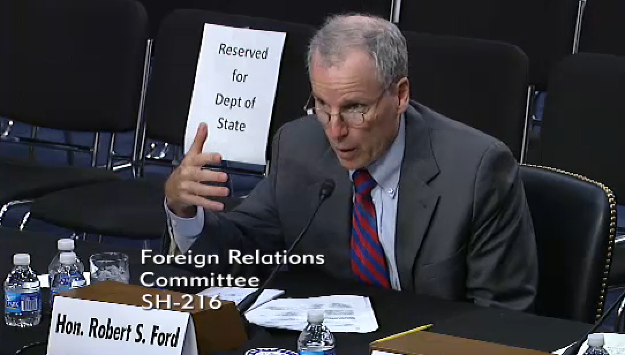
The following is the written testimony prepared and delivered by Amb (ret) Robert S. Ford for the Senate Foreign Relations Committee hearing held on September 17, 2014. Click here to watch video of the full hearing (Amb. Ford’s testimony begins at the 3 hours and 26 minutes mark).