Monday Briefing: Middle East Reactions to Trump's Inauguration
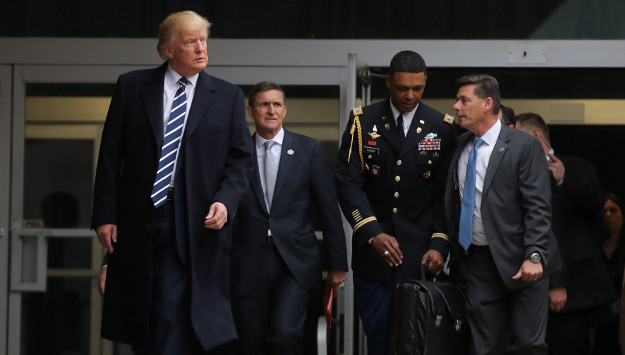
In this week’s Monday Briefing, MEI experts Paul Salem, Alex Vatanka, Gerald Feierstein, and Charles Lister provide analysis on recent and upcoming events including U.S.-Middle East relations in the new Trump administration, the view of Trump’s inauguration from Tehran, the Gulf’s ‘wait and see’ approach to the new administration, and Russia’s public position on Syria talks at the outset of talks in Astana.
Weekly Briefing: Confirmation Hearings, Syria Peace Talks, and OPEC
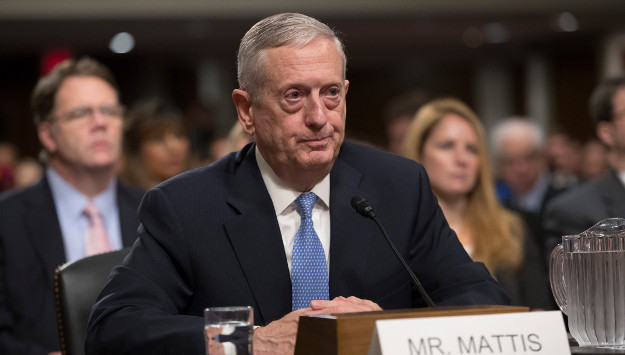
In this week’s briefing, MEI experts Gerald Feierstein, Robert S. Ford, Yousef Munayyer, Eran Etzion, and Ruba Husari provide analysis on recent and upcoming events including the ongoing confirmation hearings for key members of the incoming administration’s foreign policy team, the upcoming Syria talks, the recently convened Paris talks on Israel and Palestine, and OPEC’s assessment of its agreement to cap oil output.
Saudi Analysis: Iran’s Response to Bahrain Terror Attack Proves Dialogue Impossible
Salman al-Dossary, Editor-in- Chief of al-Sharq al-Awsat newspaper, observed that the Iranian response to the January 1 terror attack on a Bahraini police station, killing a police officer and allowing prisoners to escape, proves that there is no basis for a constructive dialogue between the Arab Gulf states and Iran.
New to the Oman Library’s shelves is a distinct collection, donated by Sallie Lewis on behalf of her late husband, Ambassador Samuel Lewis. This new addition brings a unique set of stories to the library, with many works containing signatures and personal notes from well known figures who worked closely with the ambassador during his career in the foreign service.
Monday Briefing: Egypt Faces New Wave of Terrorist Attacks
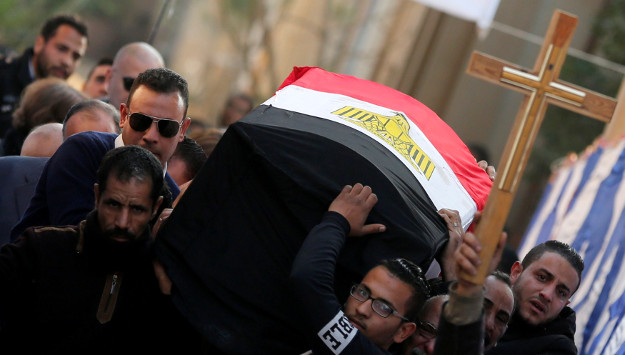
In this week’s Monday Briefing, MEI experts Paul Salem, Randa Slim, Charles Lister, Jean-François Seznec, Eran Etzion, and Marvin G. Weinbaum provide analysis on recent and upcoming events including yesterday’s terrorist attack on the Coptic Christian Cathedral in Cairo, the Sryian regime’s progress in retaking Aleppo, the continued threat presented by ISIS, the potential selection of Rex Tillerson as the next Secretary of State, Ash Carter’s farewell trip to Israel, and new Congressional pressure for Pakistan to crack down on the Haqqani Network.
Toward a Regional Framework for the Middle East: Takeaways from other Regions
Regional Cooperation Series
This Policy Paper is part of the Middle East Institute’s Regional Cooperation Series. Throughout 2016, MEI will be releasing several policy papers by renowned scholars and experts exploring possibilities to foster regional cooperation across an array of sectors. The purpose is to highlight the myriad benefits and opportunities associated with regional cooperation, and the high costs of the continued business-as-usual model of competition and intense rivalry.
U.S.-G.C.C. Relations: Recommendations for the Next Administration
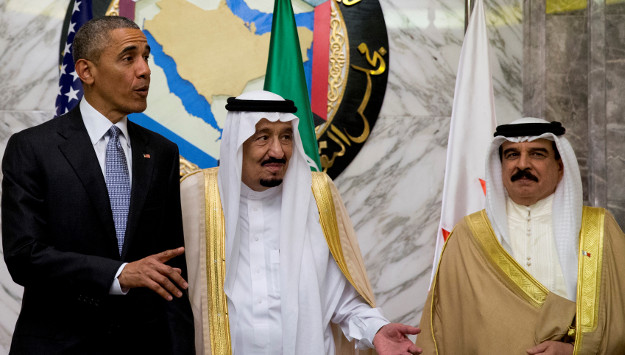
The United States will confront a new and very different set of challenges in its relationship with the G.C.C. states over the coming four years. For the first time since the end of World War II, a new administration will come to power in Washington next January facing a ‘trust deficit’ in its management of relations with its G.C.C. partners. The overwhelming Congressional vote to override President Barack Obama’s veto of the JASTA legislation was interpreted in the region as a lessening of popular support for the U.S.-G.C.C. relationship.
Briefing: Middle East Reactions to the U.S. Election
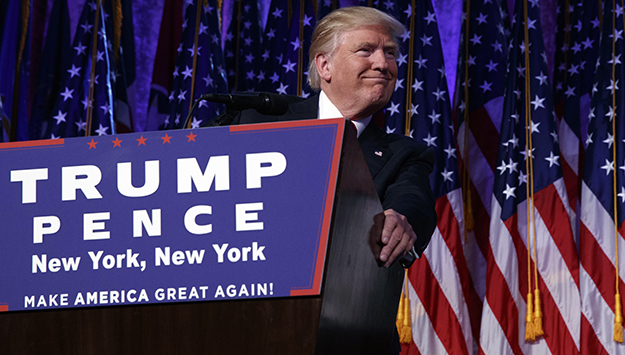
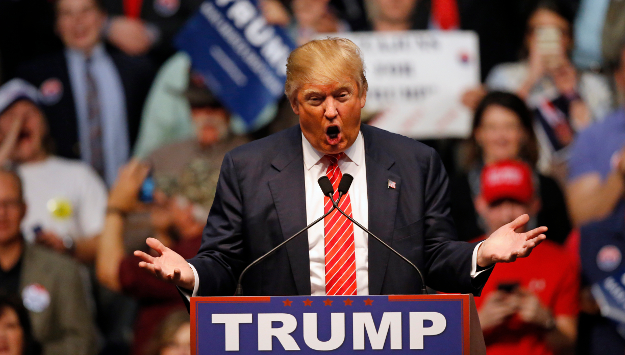
In this special edition of our weekly briefing, MEI experts Paul Salem, Robert S. Ford, Eran Etzion, Gonul Tol, Alex Vatanka, and Gerald Feierstein provide analysis on the impact of Donald Trump’s victory in the U.S. Presidential Election on the future of Middle East policy, its particular effect on the crises in Iraq and Syria, and how the news has been received across the region, including in Turkey, Iran, and the GCC.
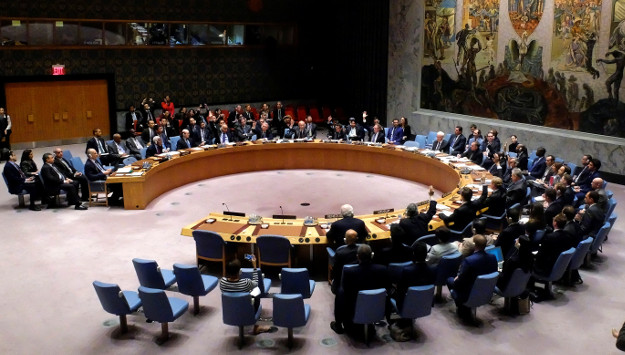
In this Weekly Briefing, MEI experts Robert S. Ford, Gonul Tol, and Ruba Husari provide analysis on issues including the UNSC’s inability to administer diplomatic solutions in Syria, the rebuilding of diplomatic ties between Russia and Turkey, and OPEC’s ongoing consideration of how to control member state oil production.
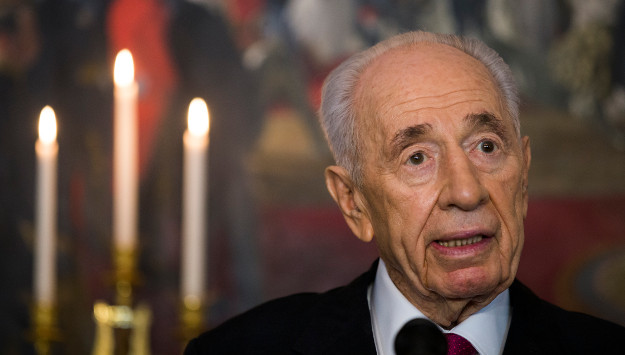
The last surviving leader of Israel’s founding generation, Shimon Peres was a three-time prime minister, the architect of the country’s secretive nuclear program and a winner of the Nobel Peace Prize for his efforts to make peace with the Palestinians.
Palestinian Director Leila Sansour Talks Bethlehem
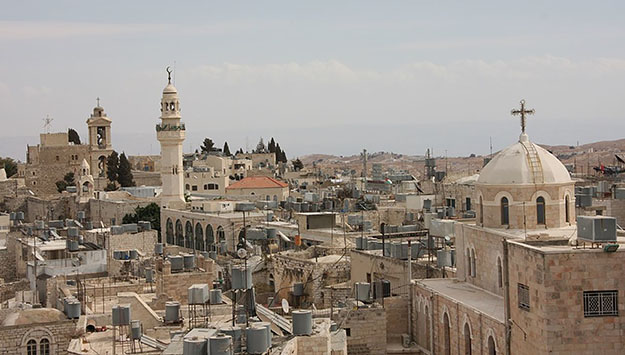
Leila Sansour is an acclaimed filmmaker, best known for “Jeremy Hardy versus the Israeli Army.” She returned to her hometown Bethlehem to document the detrimental effect of the wall on the city and its people. She discusses her latest film, Open Bethlehem.
The following interview was edited for style and clarity.
MEI: Tell me about the genesis of this film and project, and your inspiration for it?
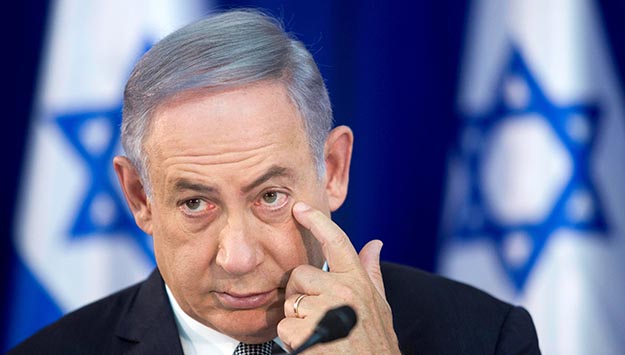
Any Middle East observer would find a question about the basic posture of Israel vs. ISIS a practical no brainer. Such an observer would confidently state that these two entities are staunch enemies, currently engaged in multiple types of warfare and destined to continue on that path. For Israel, according to this intuitive rational, ISIS is but another link in a long chain of terror entities sworn to its destruction, much like Hamas, Hezbollah, Palestinian Islamic Jihad, and many others. For ISIS, the narrative would continue to claim, Israel is a natural primary target.
Weekly Briefing: Syria Talks at G20 Summit, Russian Moves on Israel-Palestine, and Iran Energy Policy
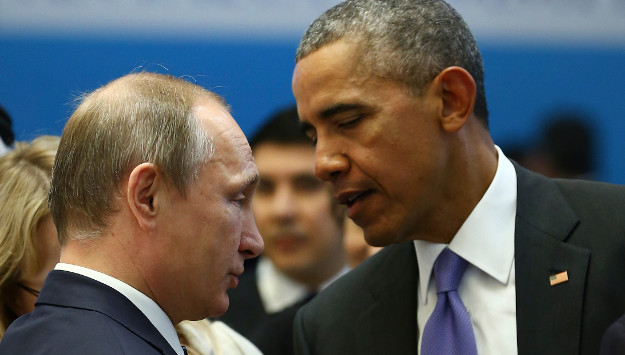
In this issues of MEI’s weekly briefing, contributors Daniel Serwer, Randa Slim, Eran Etzion, and Alex Vatanka provide analysis on recent and upcoming events including discussions between the United States, Russia and Turkey on Syria policy at the G20 Summit, the Syrian opposition’s transition plans, Russian moves on Israel-Palestine, and Iran’s energy policy.