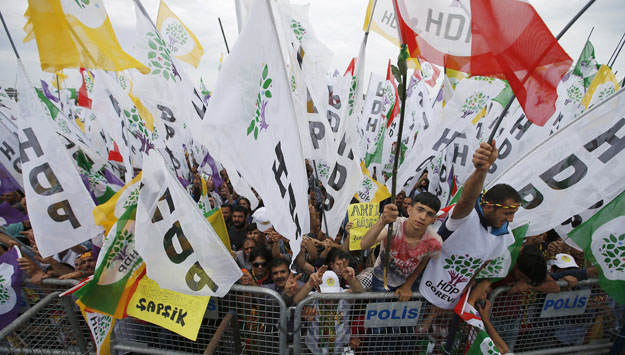
Despite enduring a contentious campaign in its fight to get the ten percent of the national vote necessary to enter parliament, Turkey’s Peoples’ Democratic Party (HDP)—part of the same political movement as the Kurdistan Workers’ Party (PKK)—ran on a fundamentally optimistic platform. It articulated democratic hopes for the so-called “peace process,” that is, the Turkish government-led, long-stuttering negotiations to end the PKK insurgency that has killed more than 40,000 people since 1984.
The Multinational Force of Observers and the Sinai Storm
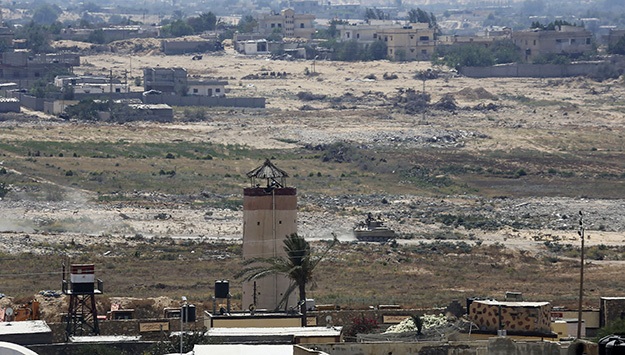
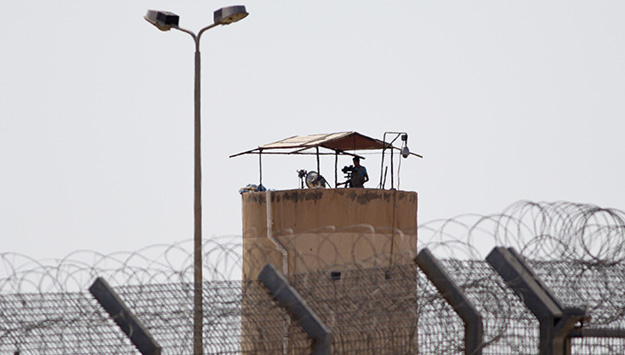
The 1,667-strong contingent of U.S. and international forces that make up the Multinational Force of Observers (MFO) in Egypt’s Sinai Peninsula is in a tough spot. The ongoing failure of the Egyptian government’s war against the ISIS-led rebellion there has shredded the MFO’s mandate to monitor Egyptian and Israeli adherence to their peace treaty. Sinai’s descent into anarchy also puts outnumbered and outgunned U.S. troops in the only location other than Iraq that confronts ISIS in an active theater of war.
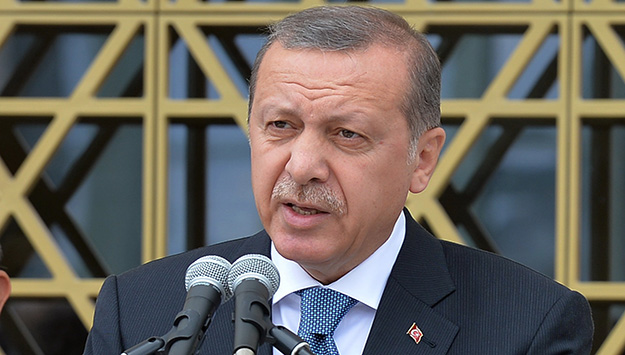
The ironies of modern Turkey’s history seem to be emerging in sharper relief. On Sunday, August 30, Turkey will celebrate its signal victory of 1922, which capped the struggle of Kemal Ataturk, Turkey’s founding father, to secure the country’s freedom. From the beginning of that war of liberation until final victory, Ataturk worked tirelessly to gain the support of all Turks for the fight for independence. That victory of 1922 was a military triumph, but it also reflected the power of a united people to bring a dream to reality.
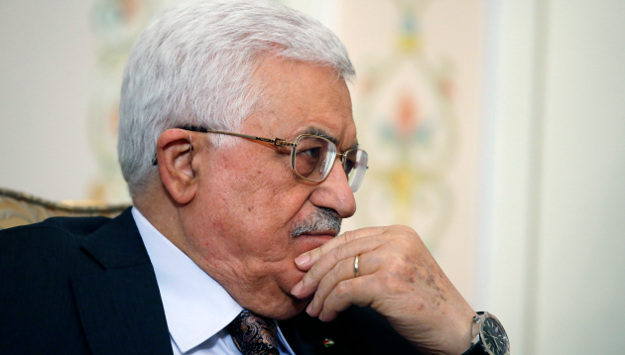
In the coming months, we can expect that Palestinian President Mahmoud Abbas will no longer occupy the executive leadership position in the muqata, the interim Palestinian government headquarters in Ramallah. His age and his repeated insistence that he does not plan to run in new elections, as well as his most recent comments about his willingness to resign, point to this fact.
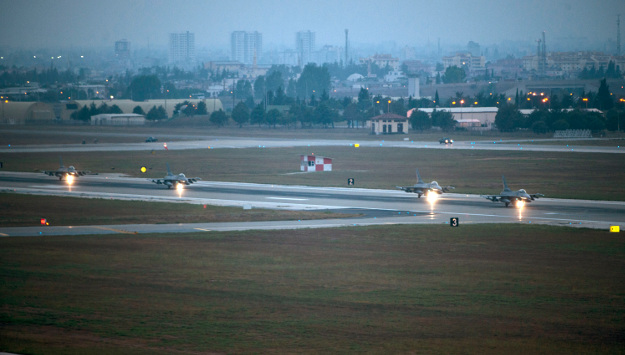
After months of hesitation to take action against the Islamic State (ISIS) and almost two years of quiet since a 2013 truce with the Kurdistan Workers’ Party (PKK), Turkey decided to pick a fight with both. It has been pounding Islamic State targets in Syria and PKK positions in northern Iraq.
Few states face the kind of complex, sustained security challenges that Israel does.
Israel has not enjoyed one day of peace with its neighbors since its independence in 1948. Many Arab and Muslim states have maintained an economic and political boycott against Israel for decades.
Predictions of a new Palestinian intifada in the occupied territories tend to accompany every breakdown in the diplomatic process, announcement of a new colonial expansion project, and Israeli violence against Palestinian life—such as the recent horrific murder of Palestinian infant Ali Dawabsheh by settler terrorists who set fire to his West Bank family home.
Improved Egypt-Israel Relations through Sinai Crisis: Will They Last?
Egyptian diplomats rarely have a good word to say about U.S. policies these days. In contrast, they are enthusiastic in their praise of the close relations between Cairo and Jerusalem—centered on counterterror security and intelligence cooperation in Sinai—and effusive in their acknowledgement of Israel’s response to the bloody insurgency there, led by Egypt’s ISIS affiliate in the “Sinai Province,” Ansar Beit al-Maqdis.
“Relations with Israel are great,” observed an Egyptian official recently.[1]
Salafi discourse has made considerable inroads in Turkey over the past 30 years, making contributions to sectarianism in ways that have yet to be fully studied and understood.
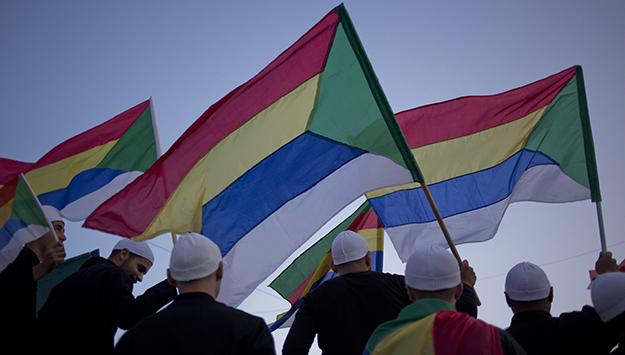
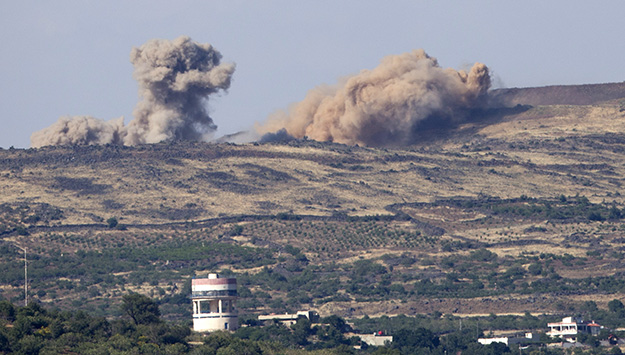
In the last few weeks, the Syrian Druze have been a focal point in significant fighting on the ground. If their role in the fighting continues, or even if it changes, the Druze will likely have a profound impact on the trajectory of the Syrian conflict.
On June 22, members of the Druse minority in the Israeli town of Hurfeish threw rocks at an ambulance believed to be transporting wounded Syrian Jabhat al-Nusra rebels to medical care in Israel. The following day, a similar incident in the occupied Golan Heights resulted in the killing of one wounded rebel, also of Nusra.
June 8, 2015 – Gonul Tol, director of the Center for Turkish Studies at The Middle East Institute, discusses the reactions to Turkey’s June 7 elections, and what the setback for the ruling AK party and President Erdogan means for Turkey’s domestic policy agenda and its relations with the United States.
Be Careful What You Wish For: A Security Council Resolution on Palestine Might Come True
For the first time in decades absolutely nothing is happening on the Israeli-Palestinian diplomatic front. There is no agreed-upon structure for diplomatic engagement under U.S.—or anyone’s—guidance. Moreover, there is an international consensus that includes the United States that doubts, with good reason, Prime Minister Benjamin Netanyahu’s commitment to a two-state solution.