The Hashd: Redrawing the Military and Political Map of Iraq
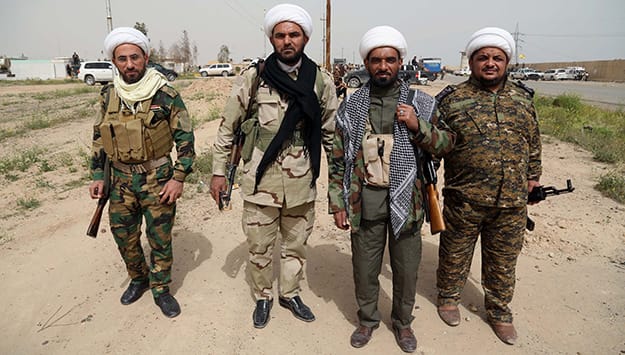
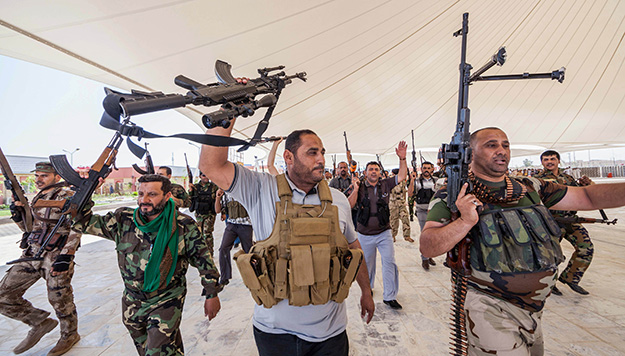
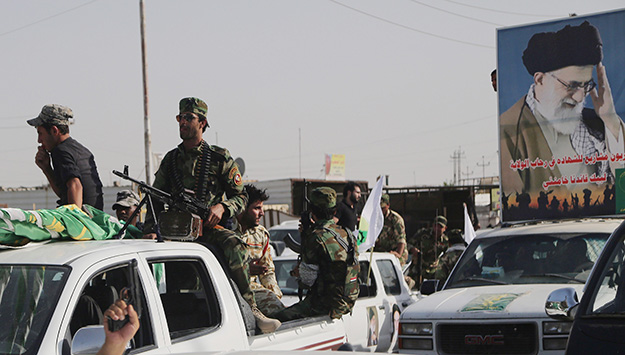
Al-Hashd al-Sha‘bi—also known as the Popular Mobilization Units, the Shi‘i militias, or simply “the Hashd”—has joined Iraqi security forces and the Kurdish peshmerga to spearhead Iraq’s ongoing offensive against ISIS. The coordinated assault has scored significant successes in various parts of Diyala, Babil, and Salah al-Din, including the recapture of Tikrit. With this string of recent triumphs, the Hashd has provided a potent rallying point for a reinvigorated sense of Iraqi nationalism, albeit one with distinctly Shi‘i overtones.
Robert Baer’s See No Evil presents a firsthand account of the life of a CIA case officer in the war on terror. From recruiting agents in the volatile Bekaa Valley in Lebanon to wiretapping Abu Nidal students in France, Baer provides a fascinating description of his CIA service.
Israeli Elections and U.S. Policy Reevaluation: What Lies Ahead?
The Obama administration has lost all patience with Israeli Prime Minister Benjamin Netanyahu’s defiant challenges to two basic U.S. goals: a two-state Israeli-Palestinian peace and a nuclear deal with Iran. Netanyahu’s hostility and the emergence after the March 15 elections of a new, more right-wing coalition, have triggered a major crisis in relations and an apparent decision by Obama to “reevaluate” U.S. policy.
The Middle East is in disarray, but in Gaza, of all places, there are fragile hints of better days.
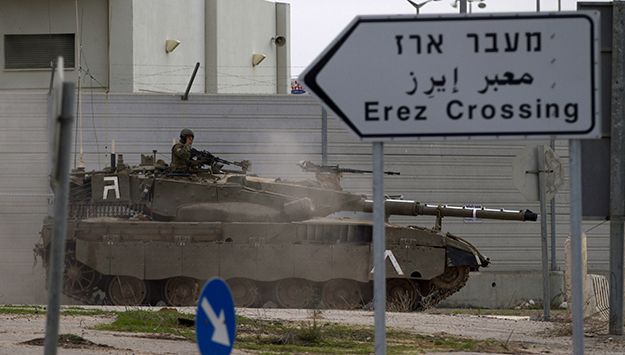
Two weeks ago, for the first time since Hamas’s takeover of the Gaza Strip in 2007, Israel permitted produce exports from Gaza into Israel and the West Bank.
Former British Prime Minister Tony Blair acknowledged Gaza’s plight during a visit to the area in February.
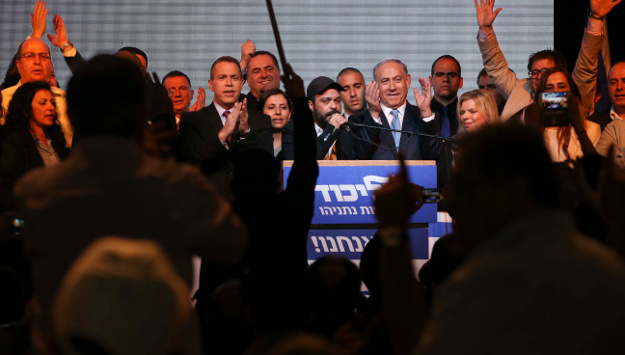
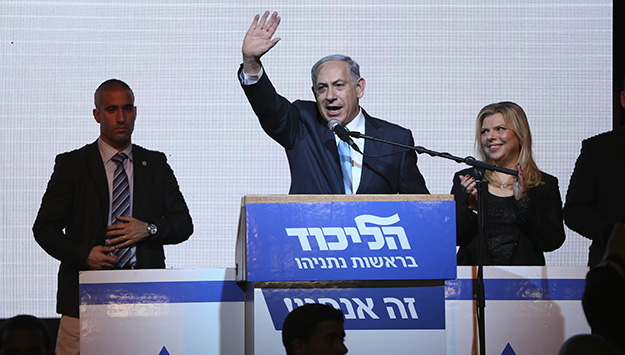
Those Israelis who hoped for a change in Israel’s direction awoke this morning to news worse than they had feared. With more than 99 percent of the vote reportedly counted, Prime Minister Benjamin Netanyahu’s Likud Party has won 30 seats to 24 for his main challenger, the Zionist Union’s Isaac Herzog.
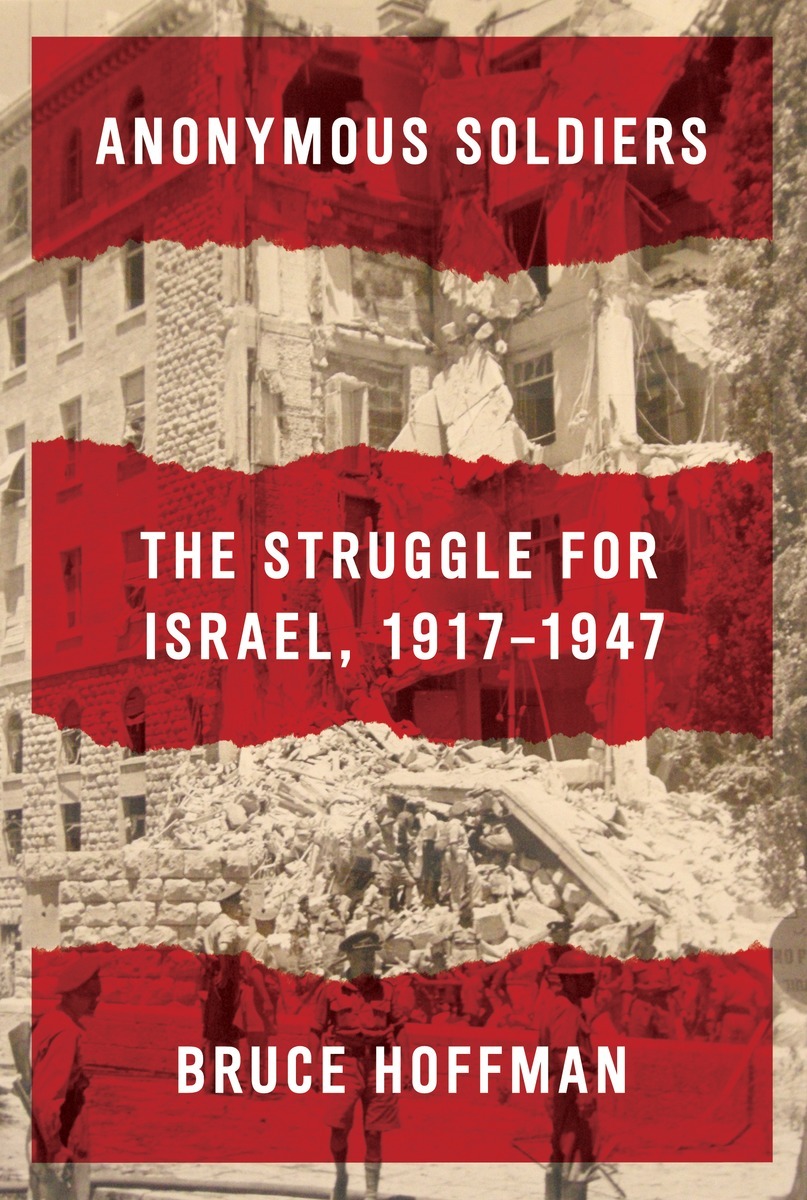
Anonymous Soldiers: The Struggle for Israel, 1917-1947
A review of Anonymous Soldiers: The Struggle for Israel, 1917-1947, By Bruce Hoffman (Knopf 2015). This book review was first published by The Washington Post.
It has long been known that the Assad regime, facing a shortage of manpower in its regular army, has had to rely on irregular paramilitaries in its bid to reverse rebel advances. This became particularly apparent in 2013, when Hezbollah openly declared its participation in the capture of Qusayr, a town in Homs Province on the border with Lebanon.
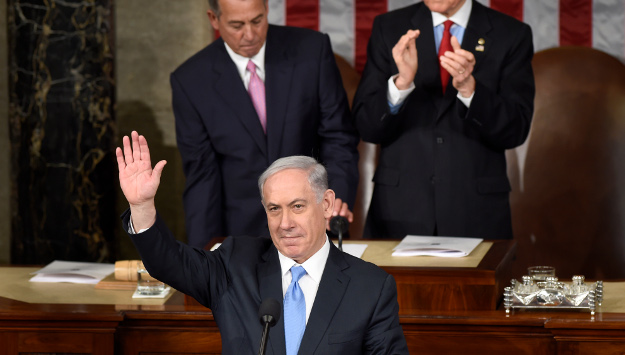
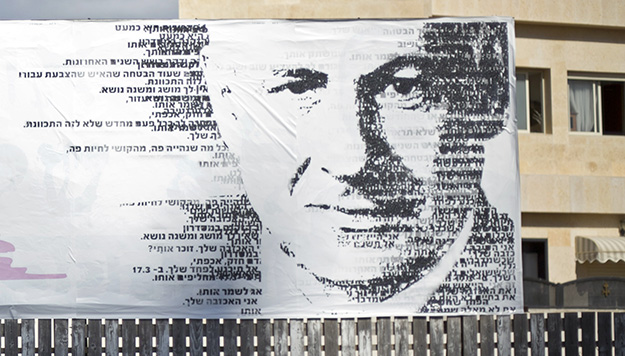
Israeli Prime Minister Benjamin Netanyahu has come to the United States, spoken his piece and returned home to Israel to finish campaigning for the March 17 elections. Netanyahu’s visit to Washington was neither the triumph he expected nor the disaster forecast by opponents of the visit. Indeed, the visit shed no new light on the supposedly central issue of the day: the state of play in the Iran negotiations.
One of the more enduring characteristics of Israel’s electoral campaigns is their ability to produce surprises, often with considerable political consequences.
Sovereignty, the Hezbollah Model, or Dissolution: Managing Factional Forces in Iraq
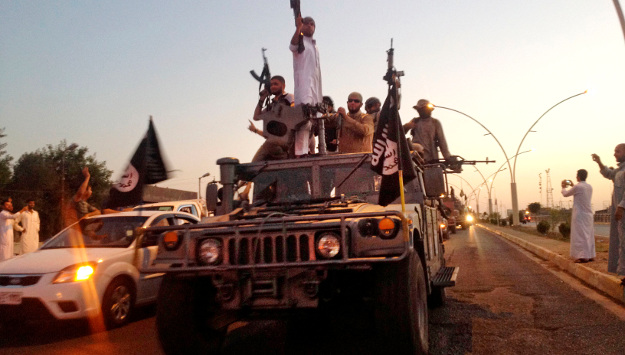
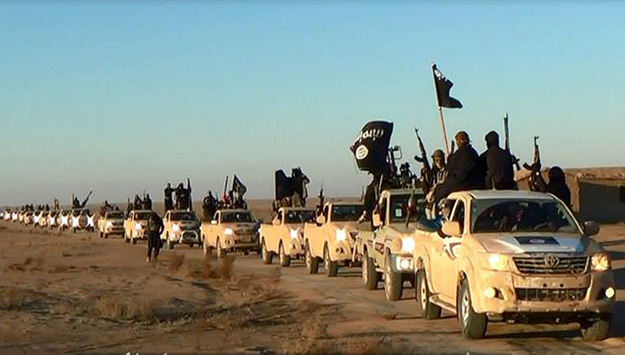
When the Islamic State of Iraq and Syria (ISIS) overran Mosul last June, Grand Ayatollah Ali al-Sistani, the preeminent Shi‘i cleric in Iraq, called for voluntary jihad. The outlook for the central government was bleak. Reports from the battlefronts, as well as threatening statements by ISIS leaders, suggested that the capital Baghdad could also fall to ISIS. The group repeatedly massacred its captives and systematically destroyed important religious and cultural sites.
I ran into some Anbaris in Washington this week. All of them have lost friends or relatives in the fight against Islamist extremism in one form or another. They had interesting things to say.

 Robert Baer’s See No Evil presents a firsthand account of the life of a CIA case officer in the war on terror. From recruiting agents in the volatile Bekaa Valley in Lebanon to wiretapping Abu Nidal students in France, Baer provides a fascinating description of his CIA service.