Challenges of mechanized and combined arms warfare: Lessons for Ukraine from Syria and Iraq
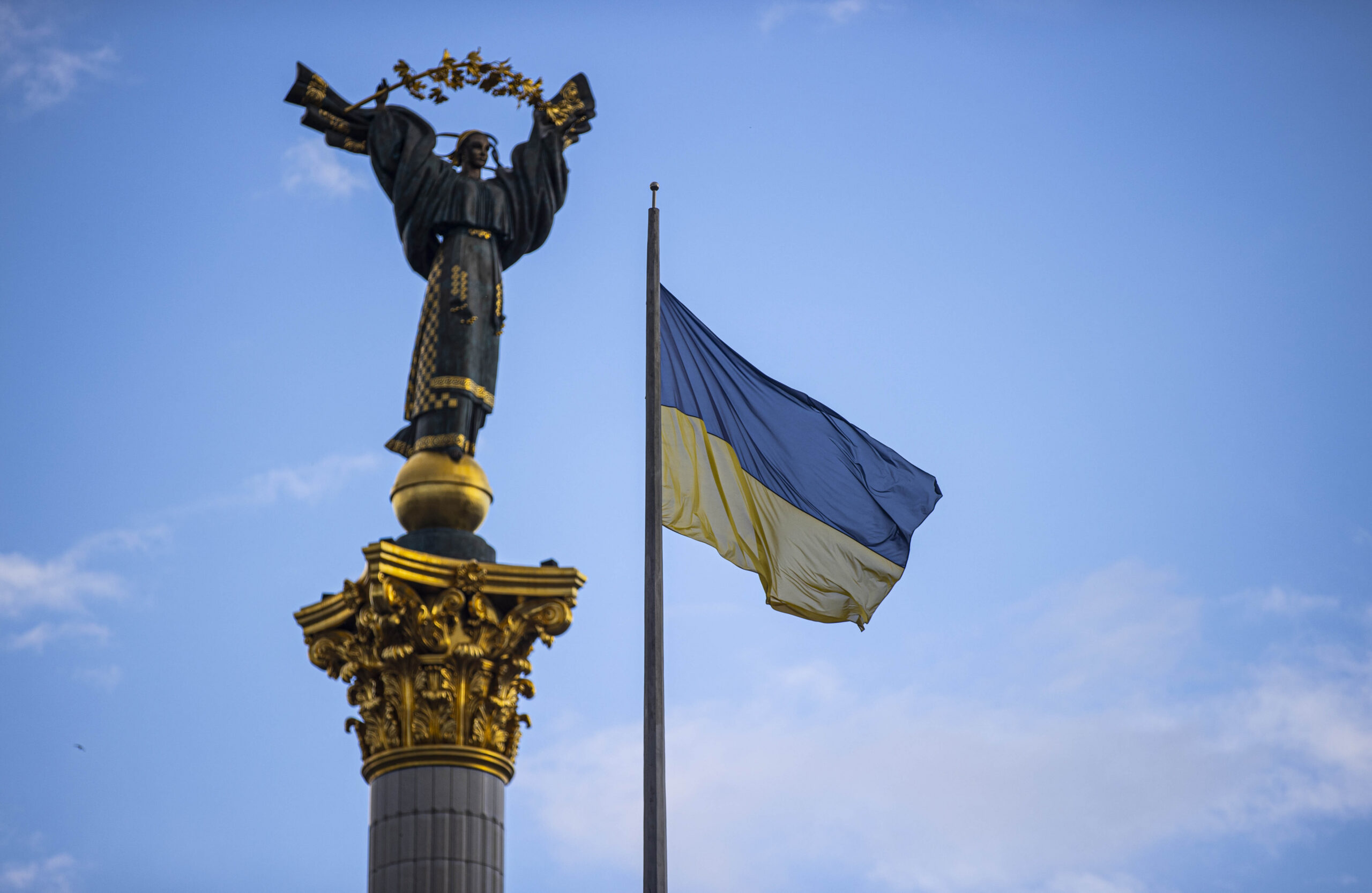
The difficulty of quickly providing mechanized and armored equipment to Ukraine, training Ukraine to employ this equipment in combined arms operations, and ensuring Ukraine can maintain and sustain combat power should not be underestimated. As the examples of Turkey’s 2016 military operation in Syria and the U.S. operation in Fallujah in 2004 illustrate, dislodging Russia from its prepared defensive positions will be a daunting task for the Ukrainian Armed Forces.
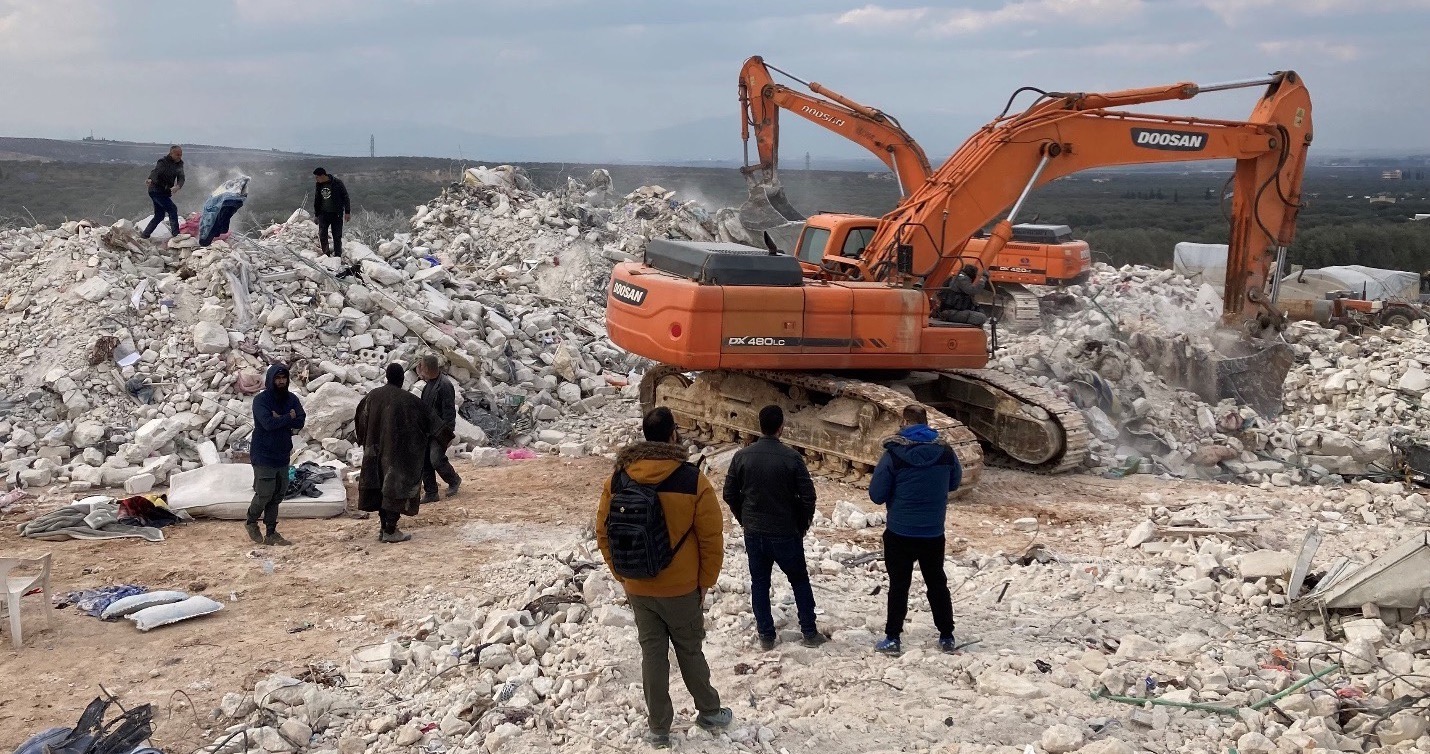
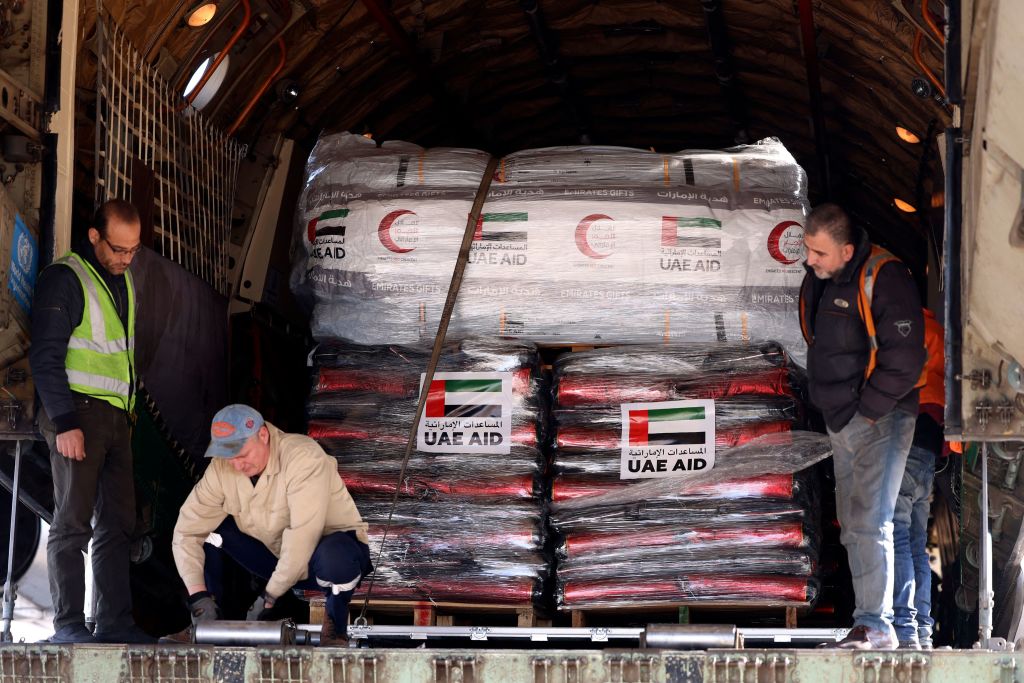
“Idlib is under siege” — this is the common sentiment shared with me by both local leaders and residents alike. The dual earthquakes on Feb. 6 not only rocked the physical foundations of the cities in Syria’s last opposition-held region, it cracked the social foundation of trust Syrians had with the international aid community.
MEI's Arts and Culture Center joins DESIGNEAST in Dubai
MEI’s Arts and Culture Center joins DesignEast at Alserkal Avenue in Dubai
DesignEast is a new platform launching in Dubai during Alserkal Art Week from 26 February to 5 March, 2023 focused on providing opportunities for emerging designers from the Middle East, South East Asia and China. MEI’s Arts and Culture Center director Lyne Sneige speaks to founder and creative director Rue Kotharie about their opening show ‘(Un)common Threads’ and two of the participating artists Ghizlane Sahli (Morocco) and Nour Hage (UAE/UK).
As great power competition in the Middle East heats up, polling data shows a complex picture of popular attitudes
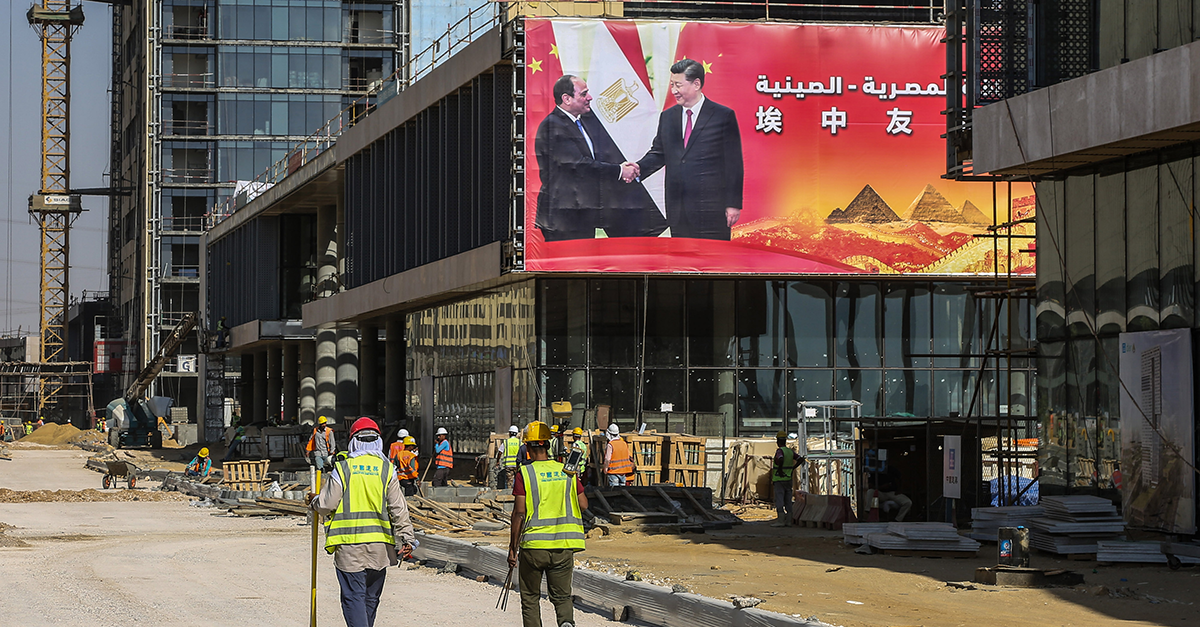
The Middle East and North Africa is one of the epicenters for what the U.S. has termed “great power competition” especially between the U.S. and China, although Russia also figures into the assessment. There is particular sensitivity to China’s perceived economic inroads into the region as it has surged to become its largest economic partner. Based on Arab Barometer’s Wave 7 raw favorability numbers, China’s increased presence in the region appears to have paid dividends in terms of its popular standing, especially in North Africa.
Iraq needs renewables, but they won’t solve its power problems without broader reforms
Despite massive hydrocarbon reserves, Iraq struggles with chronic electricity shortages. There is a clear need to explore cleaner alternatives, such as renewable energy systems, yet the deployment and integration of these systems would be hindered by the same structural woes that have crippled the electricity sector, and which go far beyond generation issues.
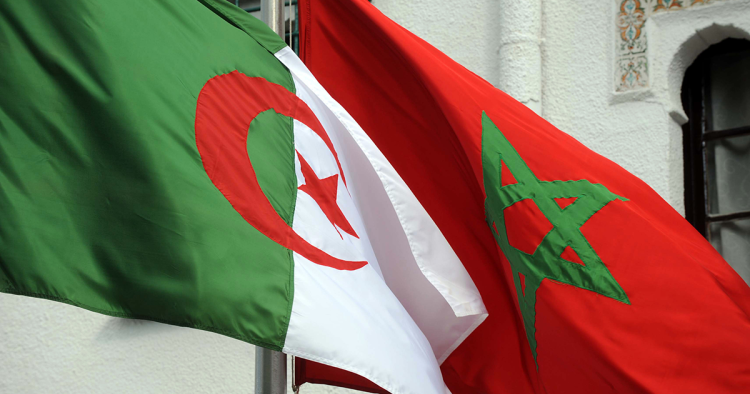
Algeria, Morocco and Western Sahara: Why Tension, Not Conflict, Has Become the Norm
During an interview on 29 December with the French daily Le Figaro, Algerian President Abdelmadjid Tebboune declared that his country had cut ties with Morocco in the summer of 2021 to “avoid war.”[i] Tebboune’s comments reflected just how far relations had deteriorated, and that avoiding conflict required a strong response. Hence, the diplomatic break of August 2021. What has resulted in this bilateral nadir?
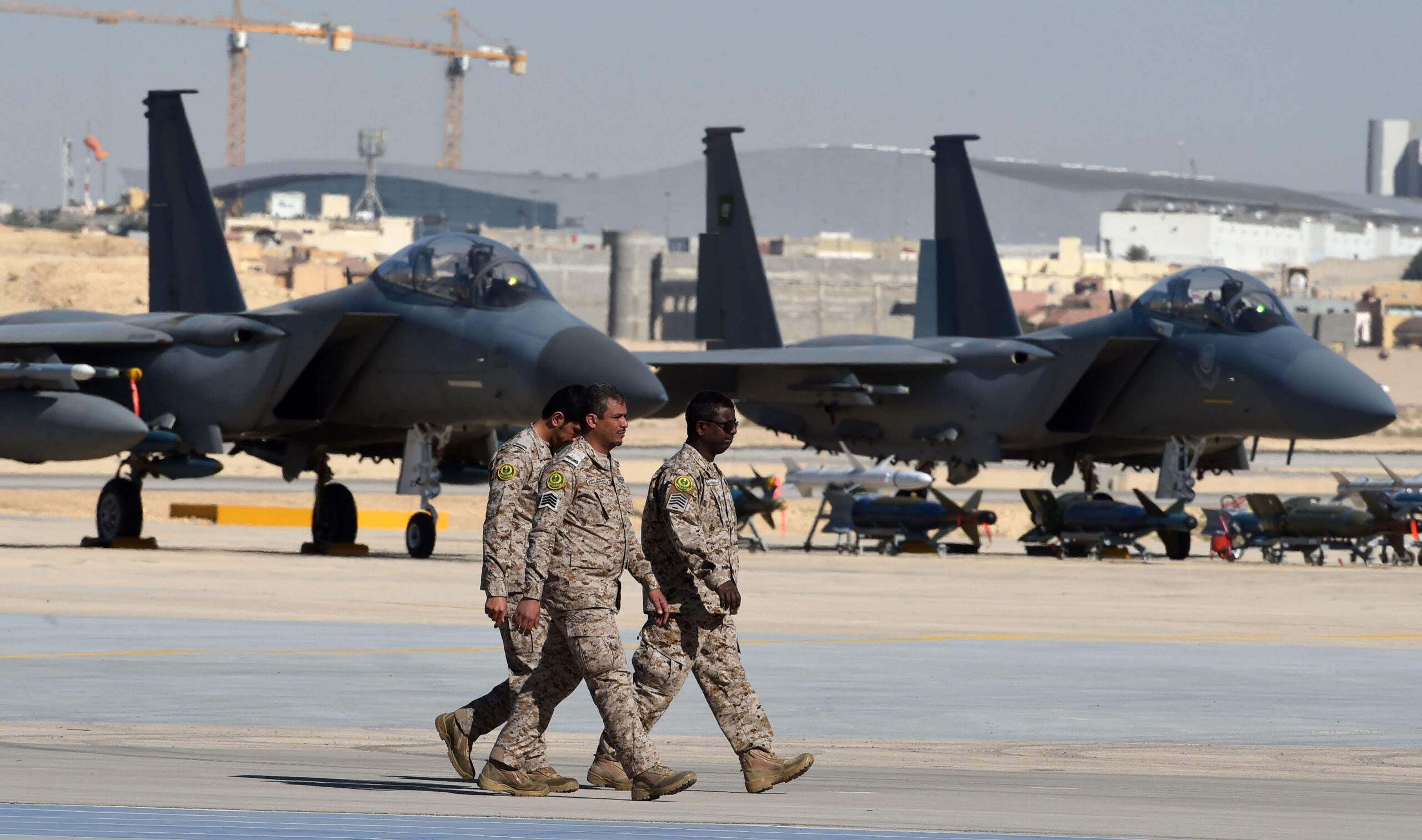
After Oil-for-Security: A Blueprint for Resetting US-Saudi Security Relations
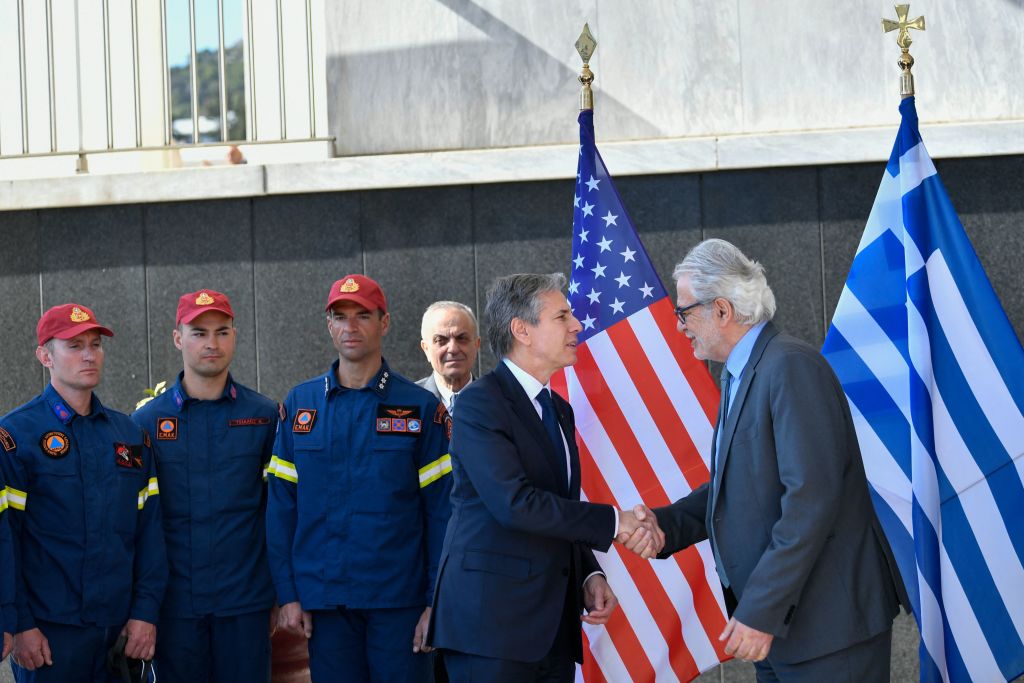
Although U.S.-Saudi bilateral ties are on the mend, ambiguities and the transactional nature of the 1945 oil-for-security covenant contribute to mistrust and tensions. The burden of fixing or stabilizing the relationship is a shared responsibility. It’s time for Washington and Riyadh to reconfigure their security ties in accordance with new U.S. geopolitical priorities and new Saudi defense requirements. This report lays out such a process.
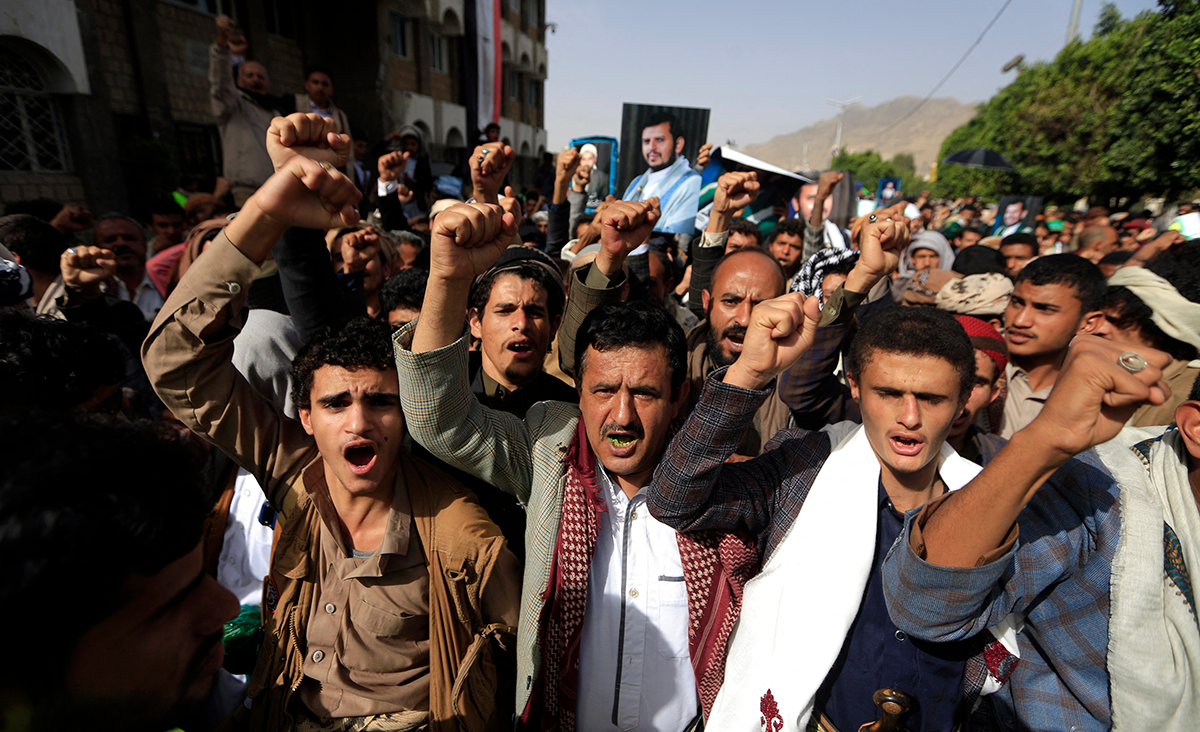
Saudi-Houthi talks could pave the way for intra-Yemeni ones, but will they ensure sustainable peace?
A Saudi-Houthi agreement now looks increasingly likely, but it is highly doubtful that such a deal by itself will end the multi-layered war or build a sustainable peace.
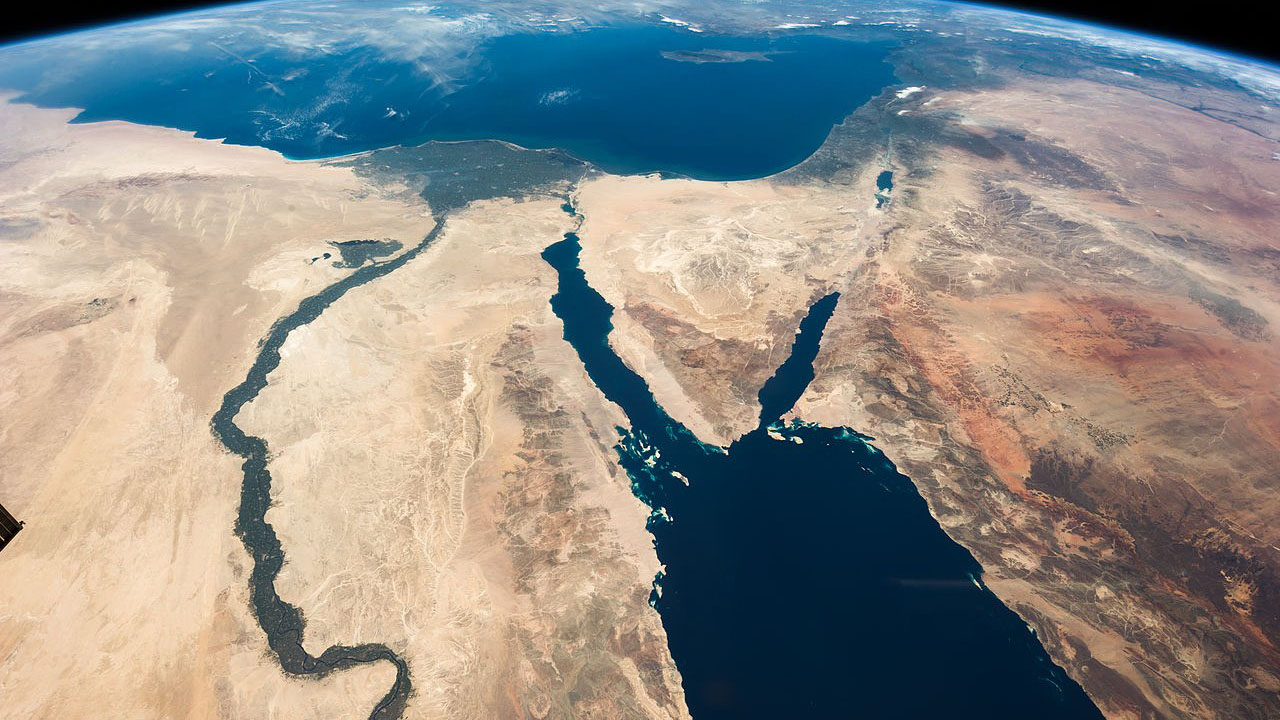
Tracking water resources from space: Challenges for the MENA region
In the Middle East and North Africa, water is a scarce resource with uneven distribution, resulting in geo-environmental problems at the national level and conflicts between countries that share access to key rivers and water resources that straddle state borders. The stress on the region’s limited water resources is exacerbated by an increasing reliance on groundwater. In such context, monitoring precipitation — the sole renewable water source — is essential yet also challenging. But space-based monitoring can provide a promising technological solution.
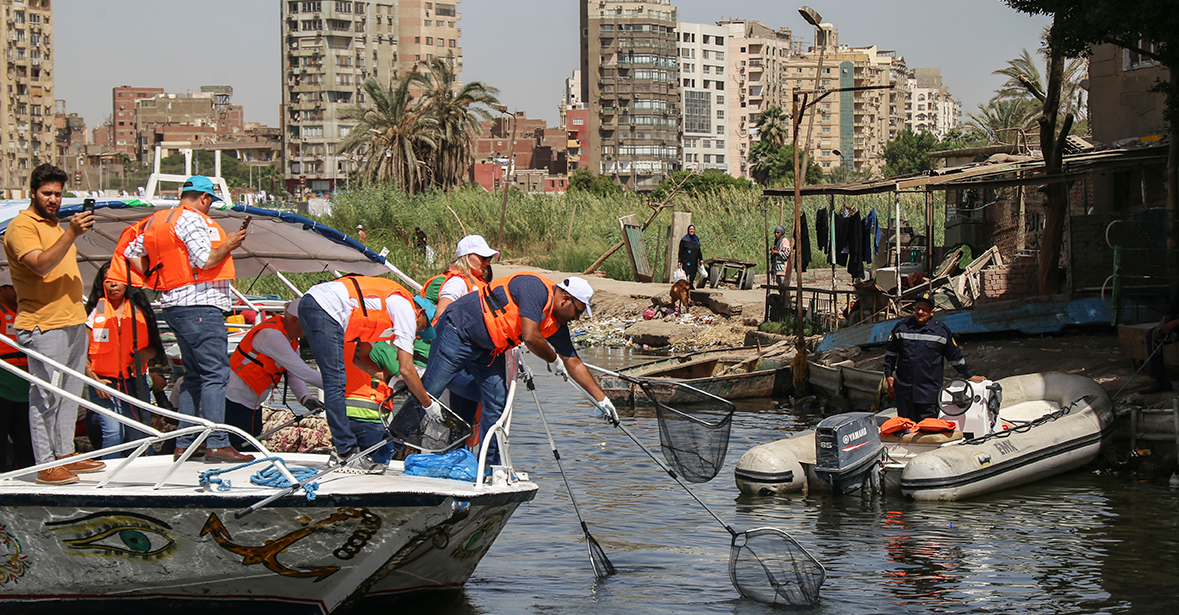
Citizen priorities on the environment and climate change in MENA
The results of the seventh wave survey from Arab Barometer shed light on regional perspectives on issues of climate change, water resources, and the environment. Here are five key takeaways gleaned from the survey results.
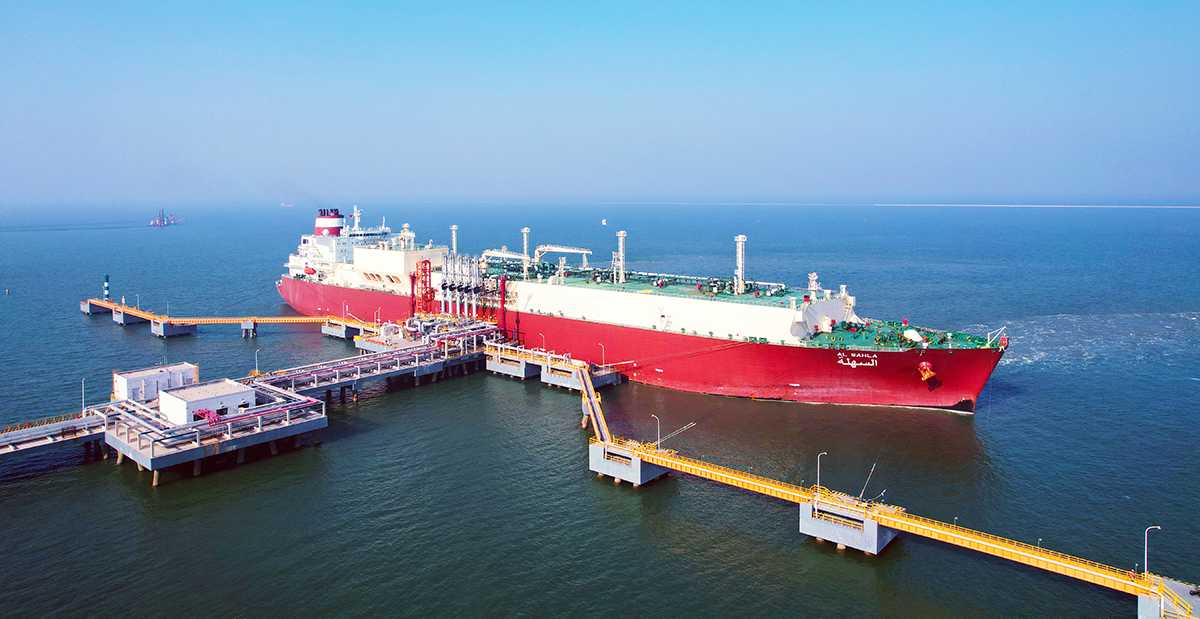
The geopolitics of energy transition in MENA: Mitigating risks, exploring new opportunities
Energy remains at the heart of the geopolitical chessboard. Despite recent advances in the development of renewable energy sources, their share in the energy mix remains limited as oil still meets most of the transportation sector’s needs. The development of renewable energies is not yet able to drastically change this reality.
Is There a Way Forward for Political Resolution in Yemen?
Director of MEI’s Arabian Peninsula Program Gerald Feierstein speaks to MEI Non-Resident Scholars Fatima Abo Alasrar & Ibrahim Jalal on a host of current events in Yemen. What have been the takeaways from U.S. Special Envoy Timothy Lenderking’s recent visit to the country – and what are the current trends in the Saudi-Houthi dialogue?