The Middle East in China’s Silk Road Visions: Business as Usual?
Chinese President Xi Jinping’s 2013 proclamation of the Silk Road Economic Belt (“One Belt, One Road”) and Twenty-First Century Maritime Silk Road initiatives provided an overarching framework for understanding China’s strategic priorities over the coming decade. The land-based and sea-based Silk Roads will link Asia and Europe via the Middle East and Central Asia through a series of transcontinental railroads, pipelines, ports, airports, and other infrastructure projects.
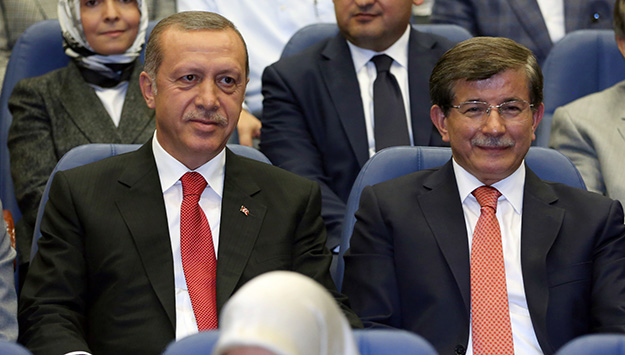
The recent public row between Deputy Prime Minister Bulent Arinc and Ankara Mayor Melih Gokcek marked the latest fallout from a widening rift between the country’s president, Recep Tayyip Erdogan, and his handpicked prime minister, Ahmet Davutoglu. If the crack continues to widen, it will not only deal a blow to Erdogan’s presidential dream but also to the future of the ruling party.
Collection Spotlight: In the Name of Oil: Anglo-American Relations in the Middle East, 1950-1958
Ivan L. G. Pearson’s In the Name of Oil: Anglo-American Relations in the Middle East, 1950-1958 provides a comprehensive analysis of the extent to which British interests in the Middle East influenced or were furthered by the United States between 1950 and 1958.
Frustrated Turkey Turns to Onetime Ally Saudi Arabia
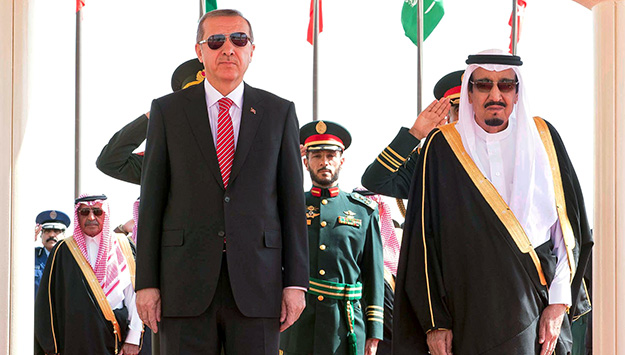
Frustrated by the United States’ failure to heed its advice on Syria and Iraq, and by Iran’s growing clout in these countries, Turkey seems to have decided to mend its frosty relationship with Saudi Arabia. When King Abdullah died earlier this year, Turkish President Recep Tayyip Erdogan immediately cut short an African tour and flew to Riyadh to offer his condolences. He declared a period of mourning in Turkey and ordered the Turkish flag to be flown at half-mast.
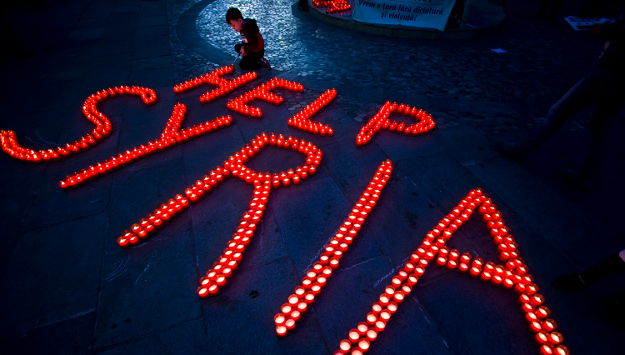
Do Kerry’s Remarks on Syria Represent a Break with Previous Policy?
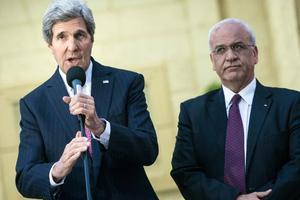
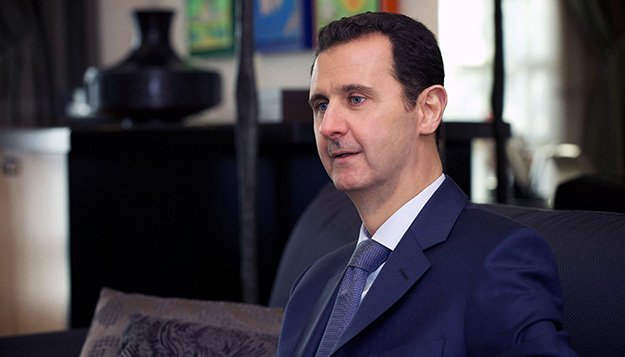
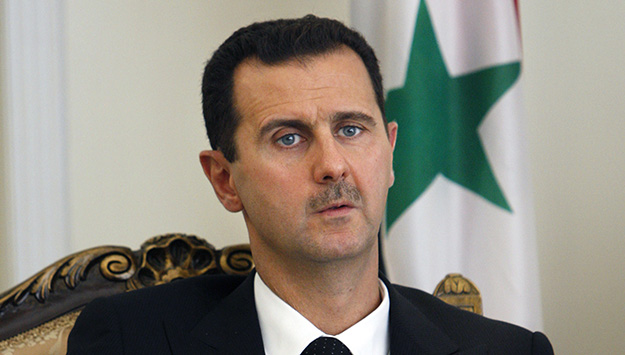
Over the weekend, the Western and Arab media reported extensively on U.S. Secretary of State John Kerry’s remarks, given on the fourth anniversary of the Syrian revolution, that the United States must negotiate “in the end” with Bashar al-Assad. Are his remarks anything new, or do they represent a continuation of previous policy? MEI’s Robert Ford weighs in.
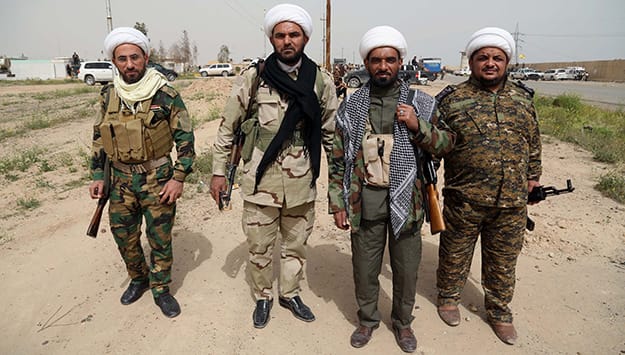
It has long been known that the Assad regime, facing a shortage of manpower in its regular army, has had to rely on irregular paramilitaries in its bid to reverse rebel advances. This became particularly apparent in 2013, when Hezbollah openly declared its participation in the capture of Qusayr, a town in Homs Province on the border with Lebanon.
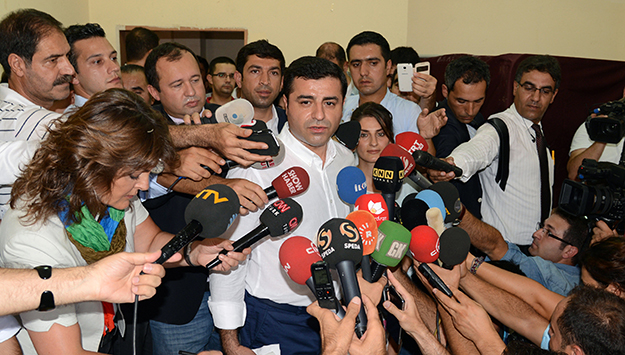
Could Kurds Be the Liberal Alternative Turks Have Been Looking For?
Turkey’s first tangible democratic push came from the Islamist camp in 2002 when the Islamist-rooted Justice and Development Party (AKP) came to power. The second could come from an unlikely source: the Kurds.
Turkey is in an unprecedented state of political tumult. Since the ascent of Recep Tayyip Erdogan’s Justice and Development Party (AKP) to power in 2002, all Turks have struggled to support, defeat, or accommodate this party that rose suddenly in free elections to national power. Now, that contest has entered a new and more dangerous phase.
In his recent National Interest blog post entitled “Assad Will Have to Stay for Awhile,” Paul Pillar advises the Obama administration to ignore regional calls to help bring down the Assad regime, for three reasons: the resilience of the regime; the need to avoid fighting it and ISIS simultaneously; and the need to preserve stability in Syria. Pillar’s three reasons are flawed.
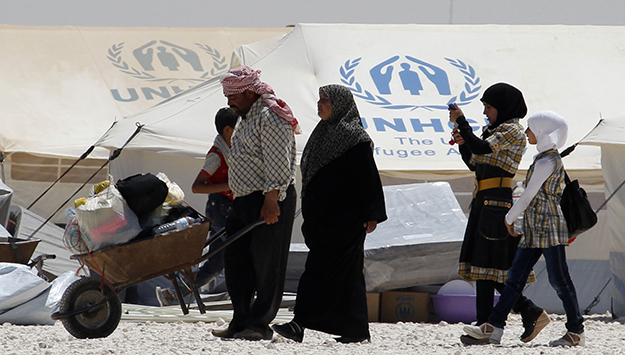
Hind Kabawat is a senior program officer at the United States Institute of Peace (USIP) and a senior research associate at the Center for World Religions, Diplomacy and Conflict Resolution (CRDC) at George Mason University. Since 2012, she has been conducting periodic conflict resolution and peace-building workshops for communities within Syria and for Syrian refugees living in Jordan and Turkey.
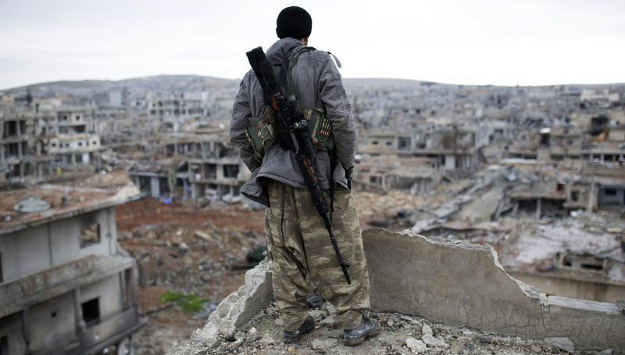
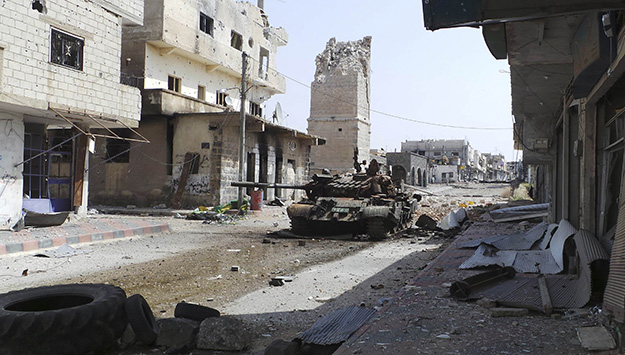
Analysis of Syrian civil war dynamics tends to draw a sharp contrast between the southern front, referring to the southernmost provinces of Deraa, Quneitra, and Suwayda, and the north. Most observers point to the south, in contrast to the north, as lacking a significant Islamic State (ISIS) presence. How true does this general assessment hold? Are radical or extremist groups much less influential in the south?
The Syrian Opposition Meeting in Cairo: One Small Step
Around 100 Syrian opposition figures recently concluded a conference in Cairo. The meeting was noteworthy for two reasons. It signaled Cairo’s cautious but unmistakable entry into the Syrian minefield, and it marks the still-fragmented opposition’s first careful steps in the direction of a compromise with the Assad regime.
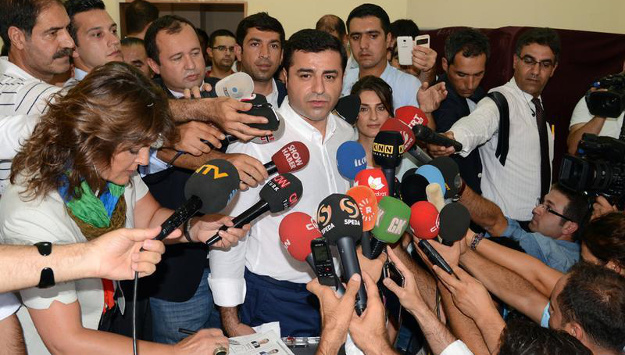
Turkey’s Kurds are playing a risky game. If they succeed, they can boost the country’s troubled democracy. If they fail, a further drift toward authoritarianism will follow.

 Ivan L. G. Pearson’s In the Name of Oil: Anglo-American Relations in the Middle East, 1950-1958 provides a comprehensive analysis of the extent to which British interests in the Middle East influenced or were furthered by the United States between 1950 and 1958.