Introduction to Iraq's Refugees and IDP Crisis: Human Toll and Implications
Originally posted July 2008
In the comparatively short time since the establishment of the Iraqi state in 1920, the country has experienced successive waves of forced migration. Yet the magnitude of the forced displacement of Iraqis from their homes since 2003 is unprecedented. In addition to the still dire humanitarian situation are the potentially far-reaching negative implications of the refugee/IDP crisis for the future of Iraq and the Middle East as a whole.
Iraq’s Internally Displaced Persons (IDPs) Scale, Plight, and Prospects
Originally posted July 2008
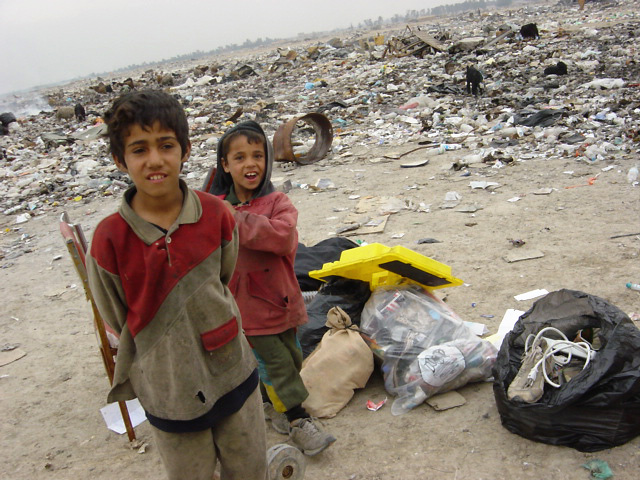
Over the past several decades, and especially in the past two years, Iraq has suffered from one of the worst displacement crises in the world.
While new displacement has slowed to a trickle in 2008, the conditions of those already displaced continue to deteriorate, and prospects for those returning to their homes are grim. The plight of internally displaced Iraqis and those who have crossed international borders in search of refuge remains largely unknown and unaddressed.
Higher Education Reform in the Arab World: The Model of Qatar
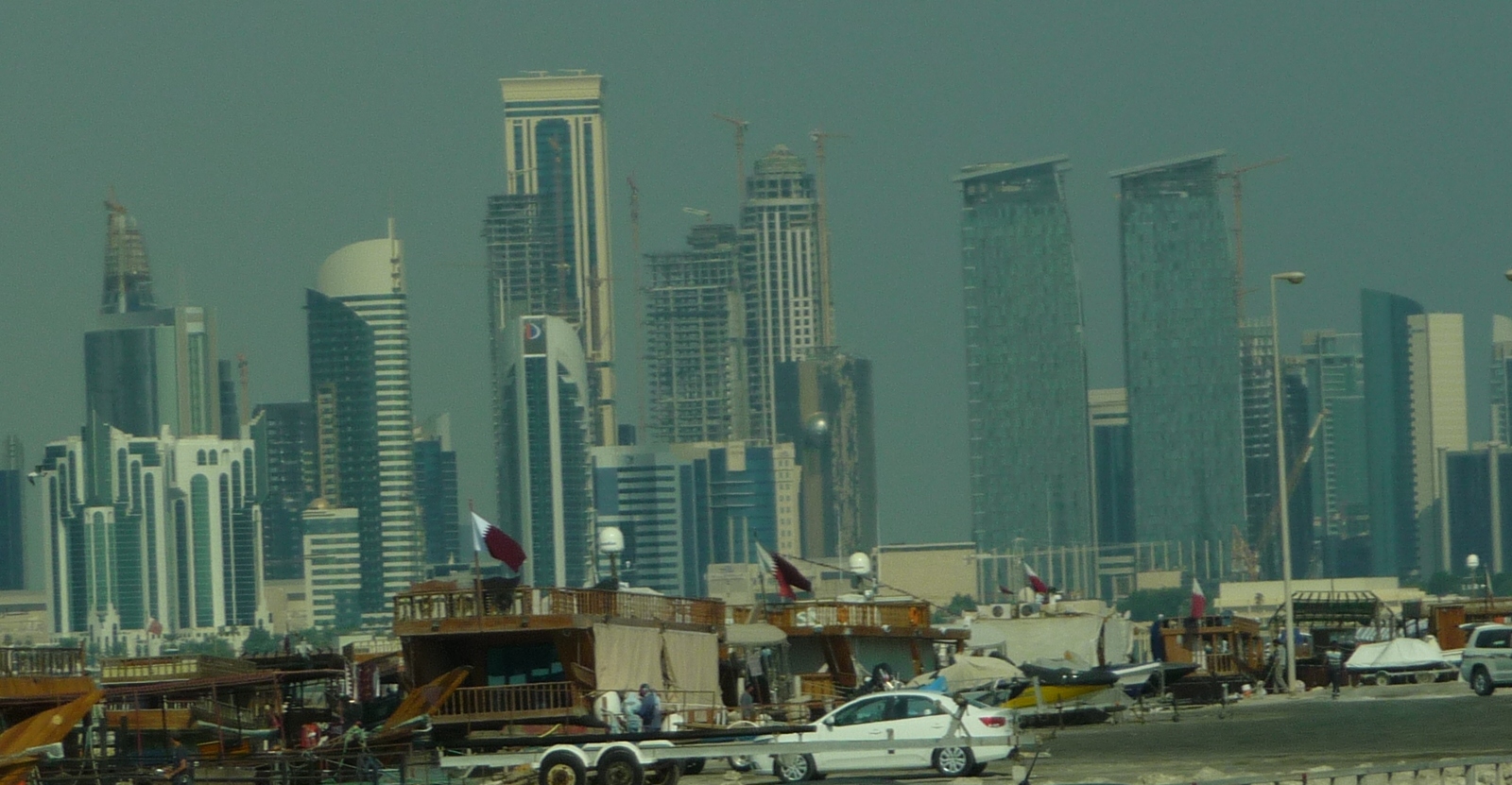
Higher education—and its successful reform—is essential to the long term stability and prosperity of the Arab world. The youth uprisings which triggered the Arab Spring in Tunisia and Egypt have highlighted the urgency of defusing the region’s ticking demographic time bomb: young, growing populations facing uncertain futures. To combat high unemployment and sluggish private sector growth, the Arab world must focus on building a knowledge society quickly in order to create three million more jobs annually than it currently generates, according to World Bank estimates.
After the Summit: Assessing Iraq's Relations with its Arab Neighbors
MEI Podcast, 12 July, 2012After the Summit: Assessing Iraq’s Relations with its Arab NeighborsJohn Desrocher, Gregory Gause, Ken Pollack, Amb. Samir Sumaida’ie, Phebe Marr
After the Summit: Assessing Iraq's Relations with its Arab Neighbors
MEI Podcast, 12 July, 2012After the Summit: Assessing Iraq’s Relations with its Arab NeighborsJohn Desrocher, Gregory Gause, Ken Pollack, Amb. Samir Sumaida’ie, Phebe Marr
After the Summit: Assessing Iraq's Relations with its Arab Neighbors
MEI Podcast, 12 July, 2012After the Summit: Assessing Iraq’s Relations with its Arab NeighborsJohn Desrocher, Gregory Gause, Ken Pollack, Amb. Samir Sumaida’ie, Phebe Marr
After the Summit: Assessing Iraq's Relations with its Arab Neighbors
MEI Podcast, 12 July, 2012After the Summit: Assessing Iraq’s Relations with its Arab NeighborsJohn Desrocher, Gregory Gause, Ken Pollack, Amb. Samir Sumaida’ie, Phebe Marr
After the Summit: Assessing Iraq's Relations with its Arab Neighbors
MEI Podcast, 12 July, 2012After the Summit: Assessing Iraq’s Relations with its Arab NeighborsJohn Desrocher, Gregory Gause, Ken Pollack, Amb. Samir Sumaida’ie, Phebe Marr
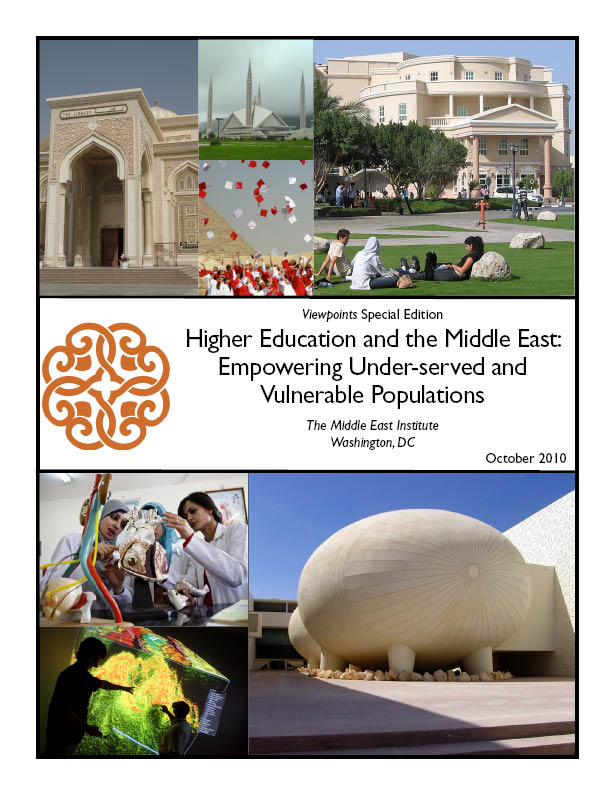
Introduction to Higher Education and the Middle East: Empowering Under-served and Vulnerable Populations
Originally posted October 2010
This second edition of the MEI Viewpoints series on Higher Education and the Middle East focuses on Empowering Under-served and Vulnerable Populations.
On March 11, 2011 Japan was struck by a massive earthquake and tsunami that devastated the northeastern part of the country. The quake and tsunami also damaged three reactors at the Fukushima Daiichi Nuclear Power Plant, triggering a nuclear crisis that led to the shutdown of nearly a third of the country’s energy production.
Turkey’s popular and outspoken Prime Minister, Recep Tayyip Erdogan, was treated to a hero’s welcome last week when he met with Syrian refugees for the first time since Turkey opened its doors to the thousands of people fleeing Bashar Al-Assad’s crackdown. Erdogan’s pledge to defend the rights of the Syrian people and his call for Assad’s removal, however, fell short of expectations. Although Erdogan’s speech drew some applause, it was also interrupted by shouts of “We want arms for the Free Syrian Army and a buffer zone inside Syria!” The Turkish PM’s reiteration of his previous positi