Dr. Stephen J. Blank is Senior Fellow at Foreign Policy Research Institute’s Eurasia Program. He has published over 900 articles and monographs on Soviet/Russian, U.S., Asian, and European military and foreign policies, testified frequently before Congress on Russia, China, and Central Asia, consulted for the Central Intelligence Agency, major think tanks and foundations, chaired major international conferences in the U.S. and in Florence; Prague; and London, and has been a commentator on foreign affairs in the media in the U.S. and abroad. He has also advised major corporations on investing in Russia and is a consultant for the Gerson Lehrmann Group.
Stephen has published or edited 15 books, most recently Russo-Chinese Energy Relations: Politics in Command (London: Global Markets Briefing, 2006). He has also published Natural Allies? Regional Security in Asia and Prospects for Indo-American Strategic Cooperation (Carlisle, PA: Strategic Studies Institute, U.S. Army War College, 2005). He is currently completing a book entitled Light From the East: Russia’s Quest for Great Power Status in Asia to be published in 2014 by Ashgate. Dr. Blank is also the author of The Sorcerer as Apprentice: Stalin’s Commissariat of Nationalities (Greenwood, 1994); and the co-editor of The Soviet Military and the Future (Greenwood, 1992).
The Latest from Stephen Blank
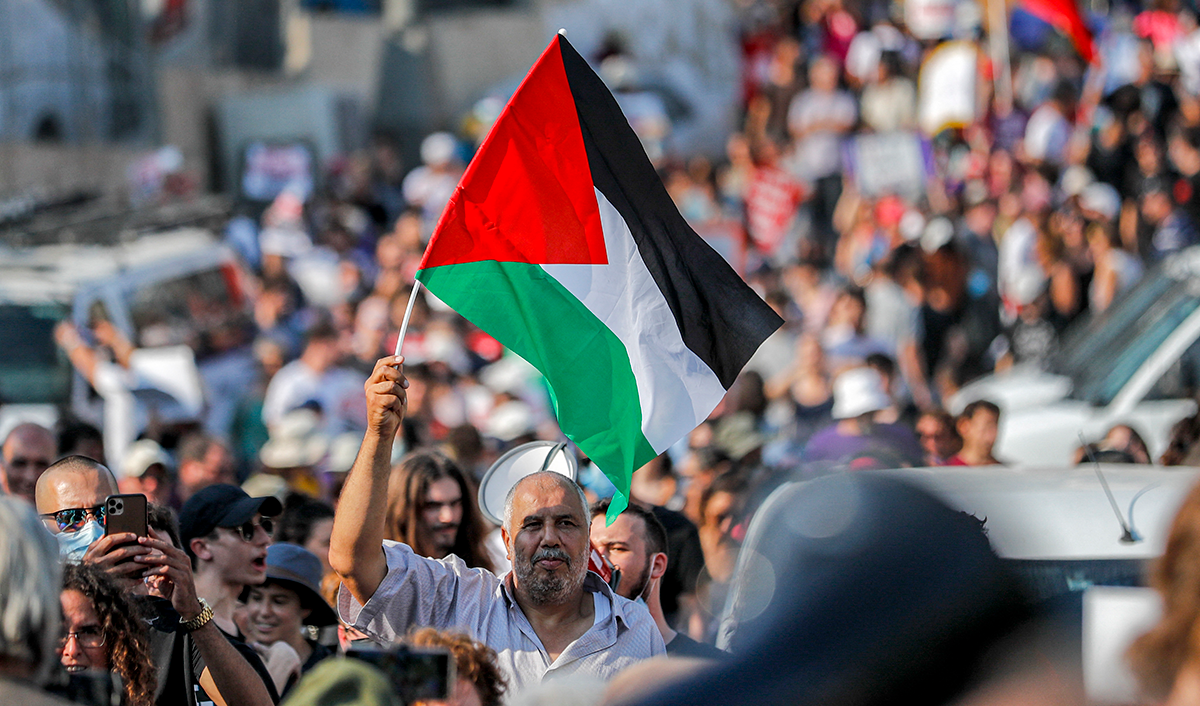
How the War on Terror paved the way for online censorship of Palestinians
Pro-Palestine solidarity in the UAE: A view from Emirati activists
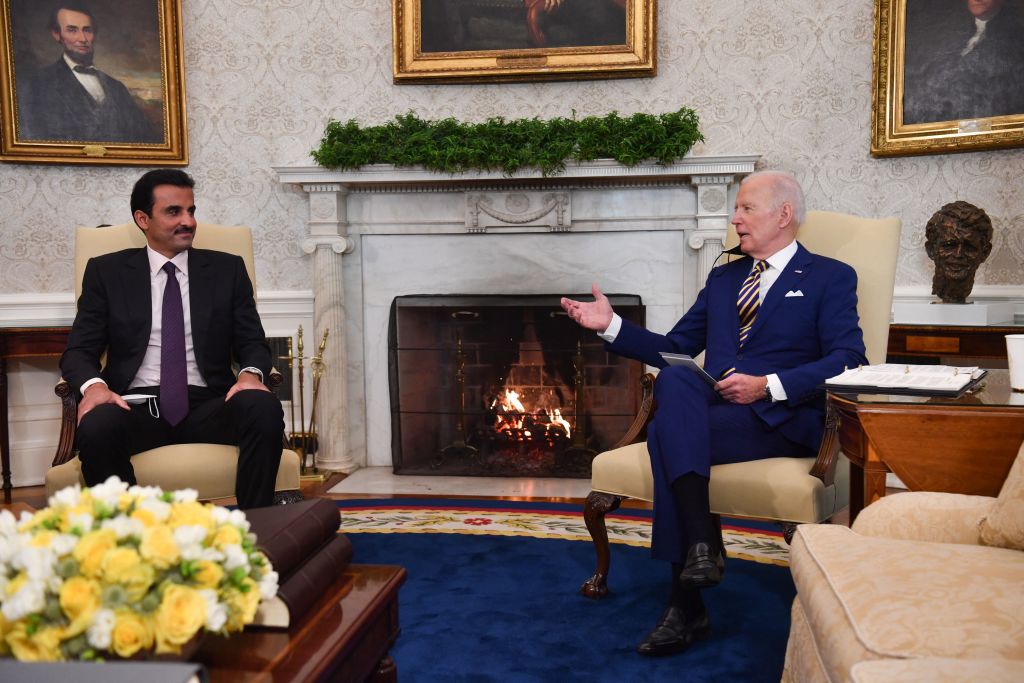
أمير قطر الشيخ تميم يصبح أول زعيم خليجي يزور البيت الأبيض في عهد بايدن

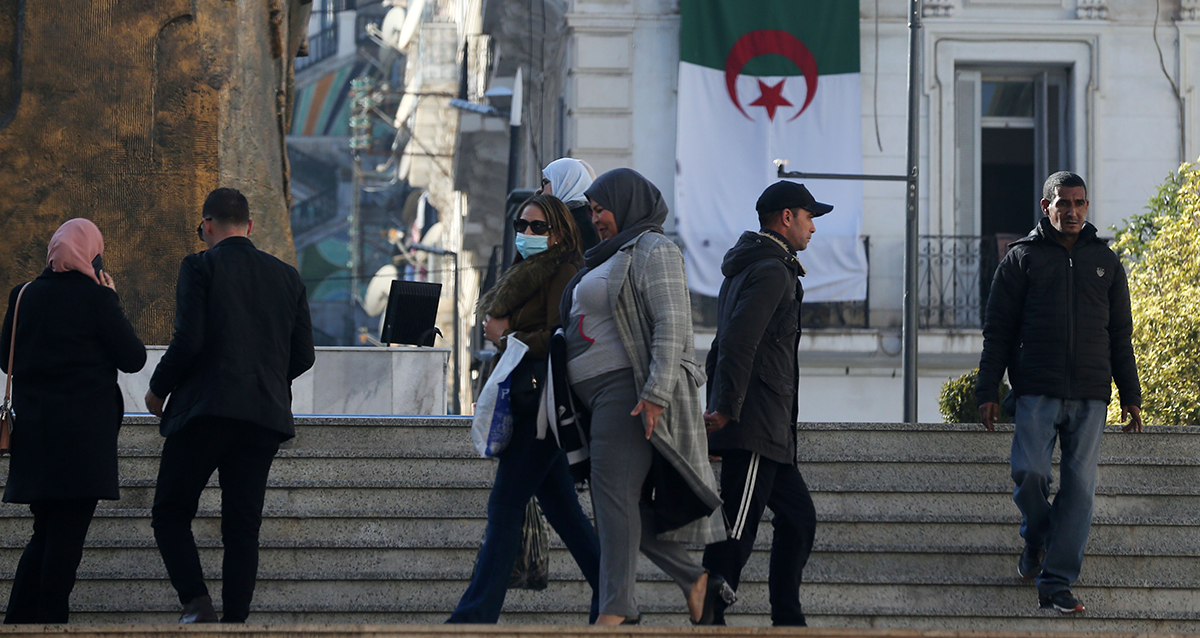
Algeria’s recurring food crises: The sign of an ailing economy
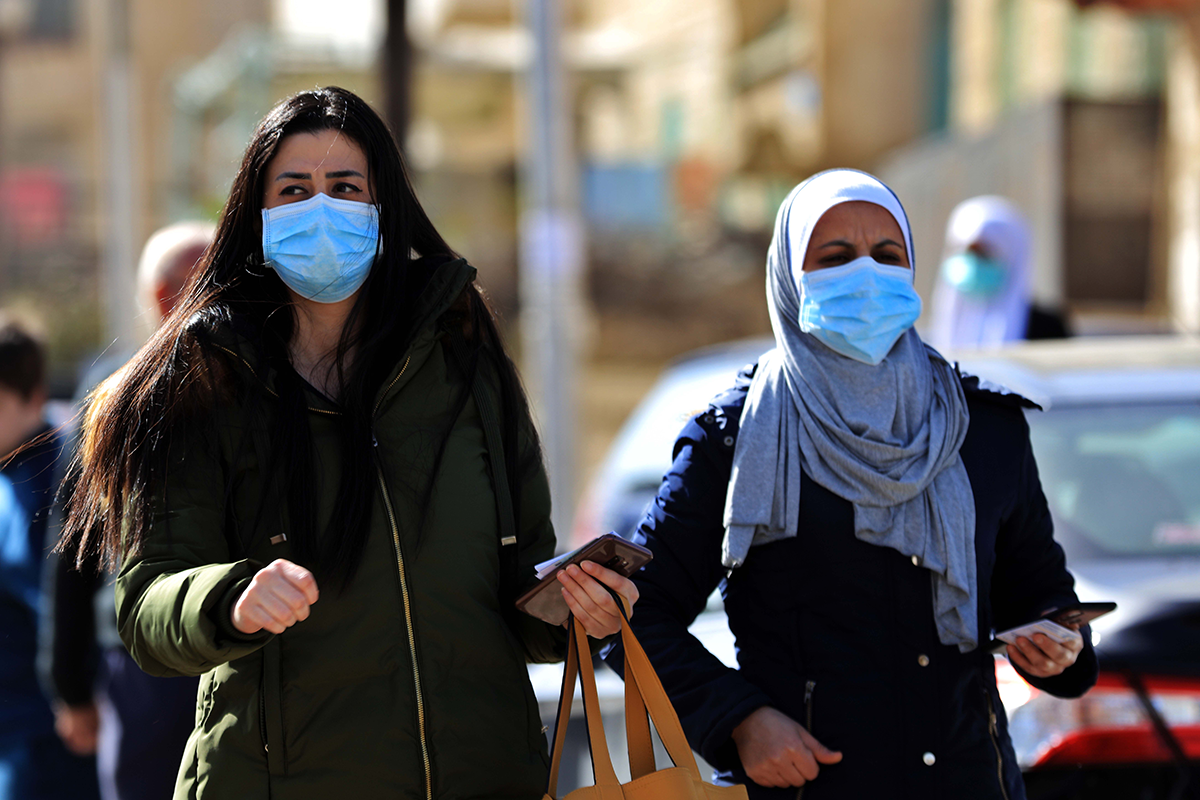
Women’s labor force participation and COVID-19 in Jordan
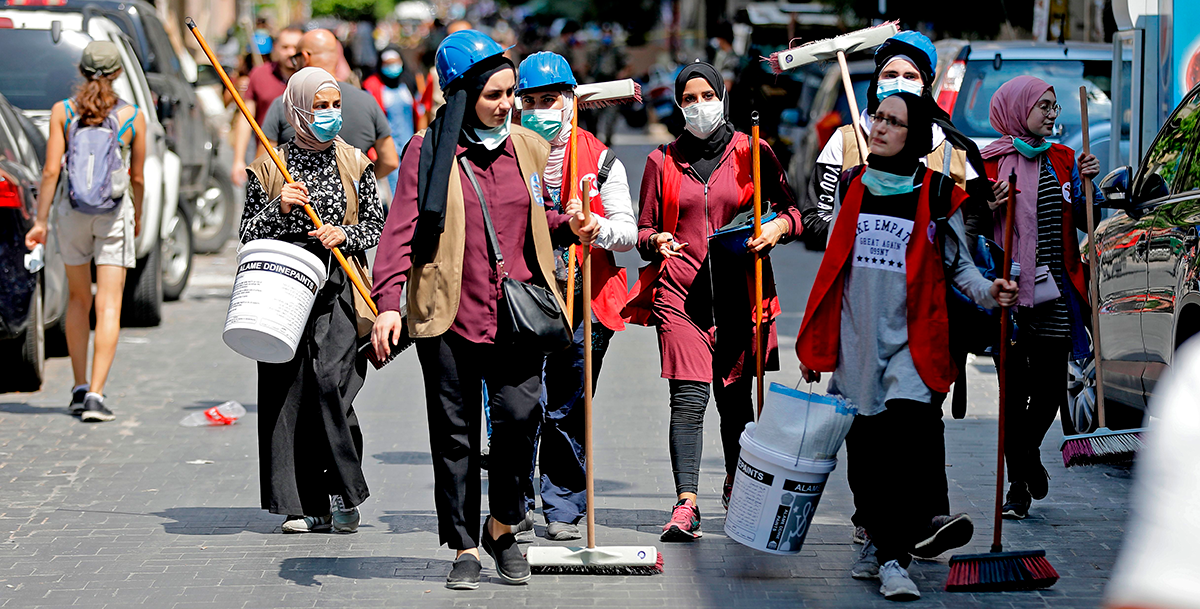
Helping the Lebanese People Move Toward Recovery: Recommendations for US Policy
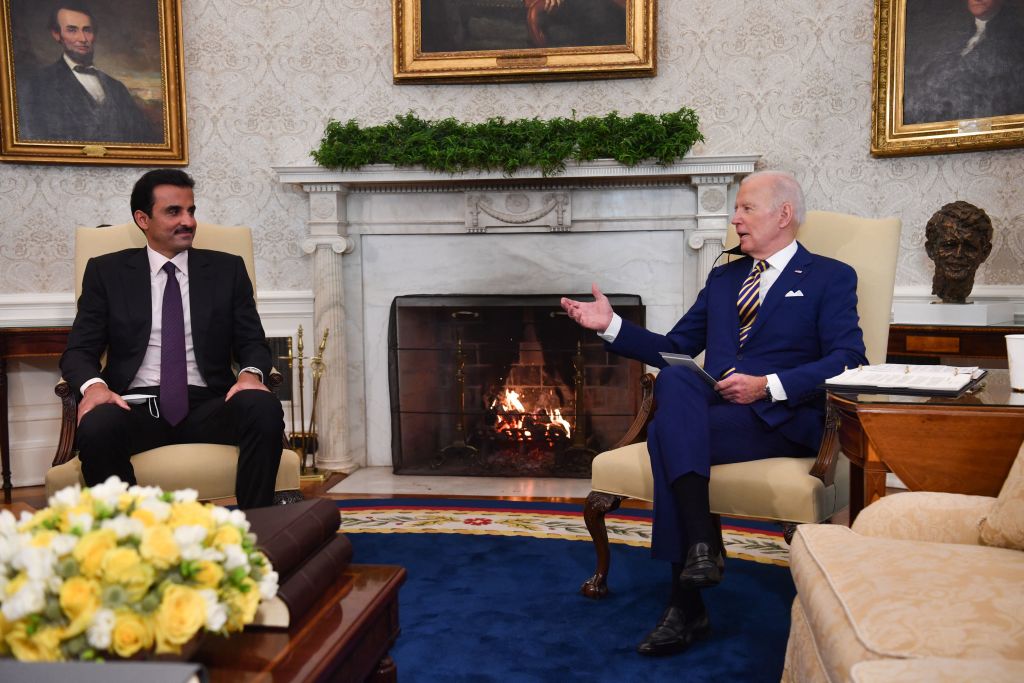
Monday Briefing: Qatar’s Sheikh Tamim becomes first Gulf leader to visit Biden White House
Reassessing women’s role in peace and security in the Middle East
For Gulf producers, decarbonization does not mean zero oil production
The UAE paves way for Syria’s return to the Arab fold, but plenty of hurdles remain