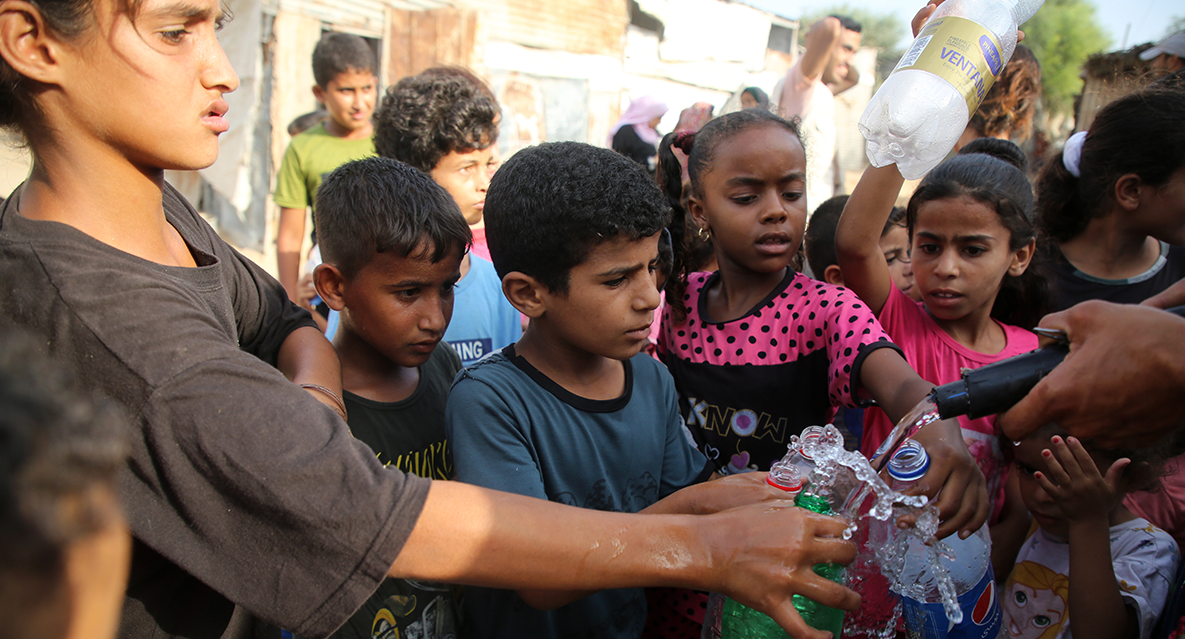
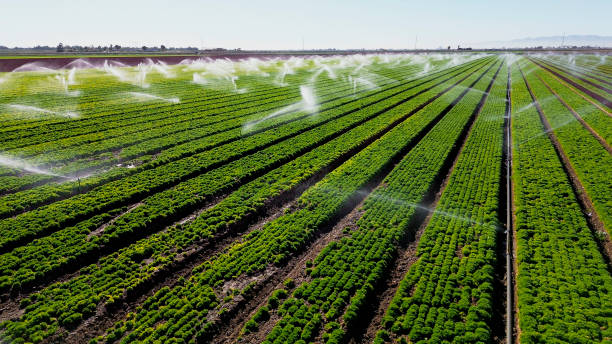
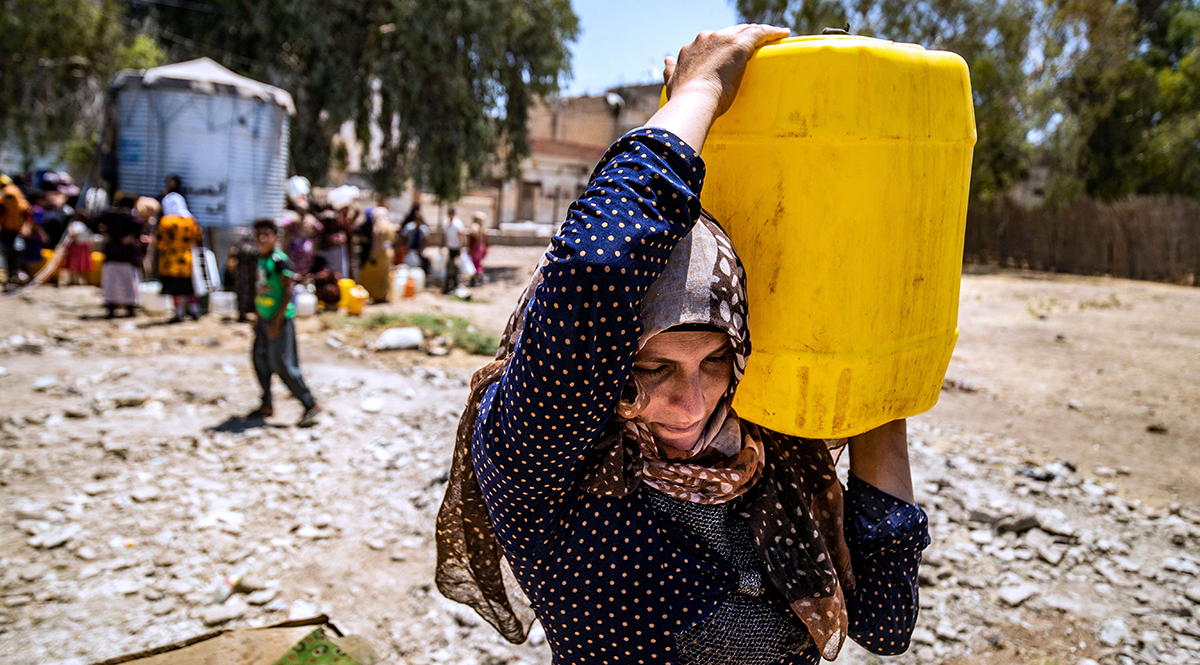
This summer, brutally hot temperatures, deepening water scarcity, and spiking fertilizer costs have put North Africa’s agricultural sector under intense pressure. Host Alistair Taylor is joined by Mohammed Mahmoud, CEO and founder of the Climate and Water Initiative and lead for Middle East Climate and Water Policy at the United Nations University Institute for Water, Environment, and Health, to unpack the region’s food and water security challenges. Drawing on Mahmoud’s new report card on agricultural sustainability in North Africa, they explore the diverging picture across the region, why some countries have weathered the strain better than others, and what it will take to build a more resilient and secure food system.
When the Strait of Hormuz closed in March, fertilizer prices spiked within weeks, triggering a food security crisis across North Africa and the Sahel. Host Alistair Taylor is joined by MEI Senior Fellow Intissar Fakir to explore what it means for the region, unpack the link between food security and regional stability, and assess how the strait’s reopening could impact those affected.
The Gulf’s water crisis: Why cooperation is crucial — and complicated
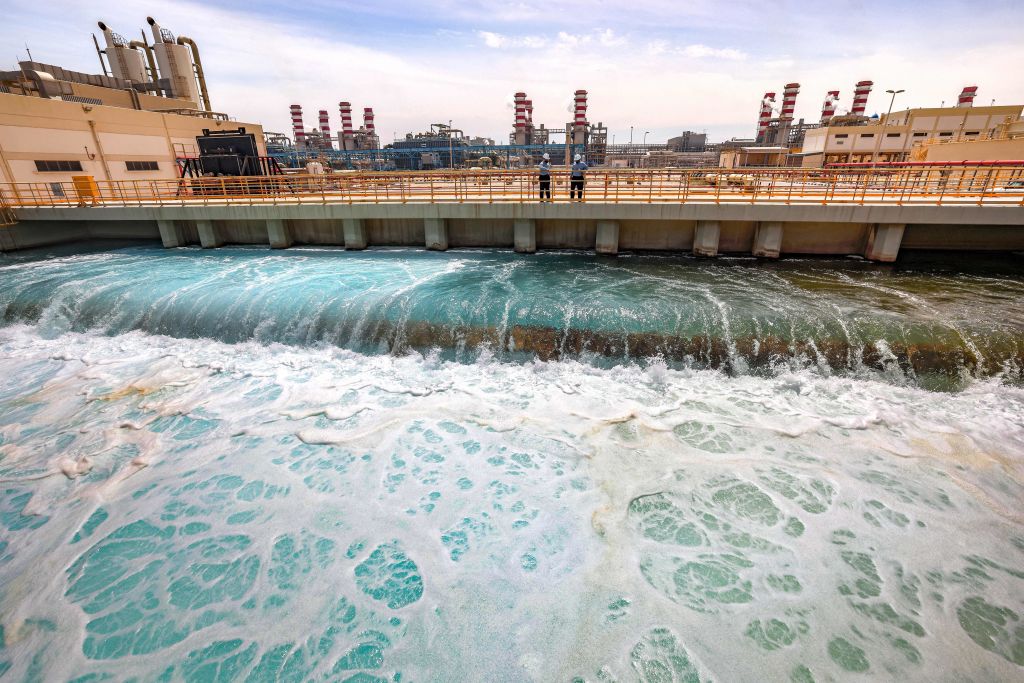
On June 19, false reports of an Israeli strike on Iran’s Bushehr nuclear plant sparked alarm across the Gulf. Though denied by Israeli officials, the claim traces back to a warning from Qatar’s prime minister of a potential catastrophe in the event of nuclear contamination — no water, no food, no life — due to the Gulf’s reliance on desalinated seawater. Gulf governments moved quickly to reassure the public that no radiation had been detected, but the episode underscored the region’s growing sense of vulnerability. A regional approach to water security could help to mitigate such risks.
Circus of Parties: The COP is broken but it is the only show in town
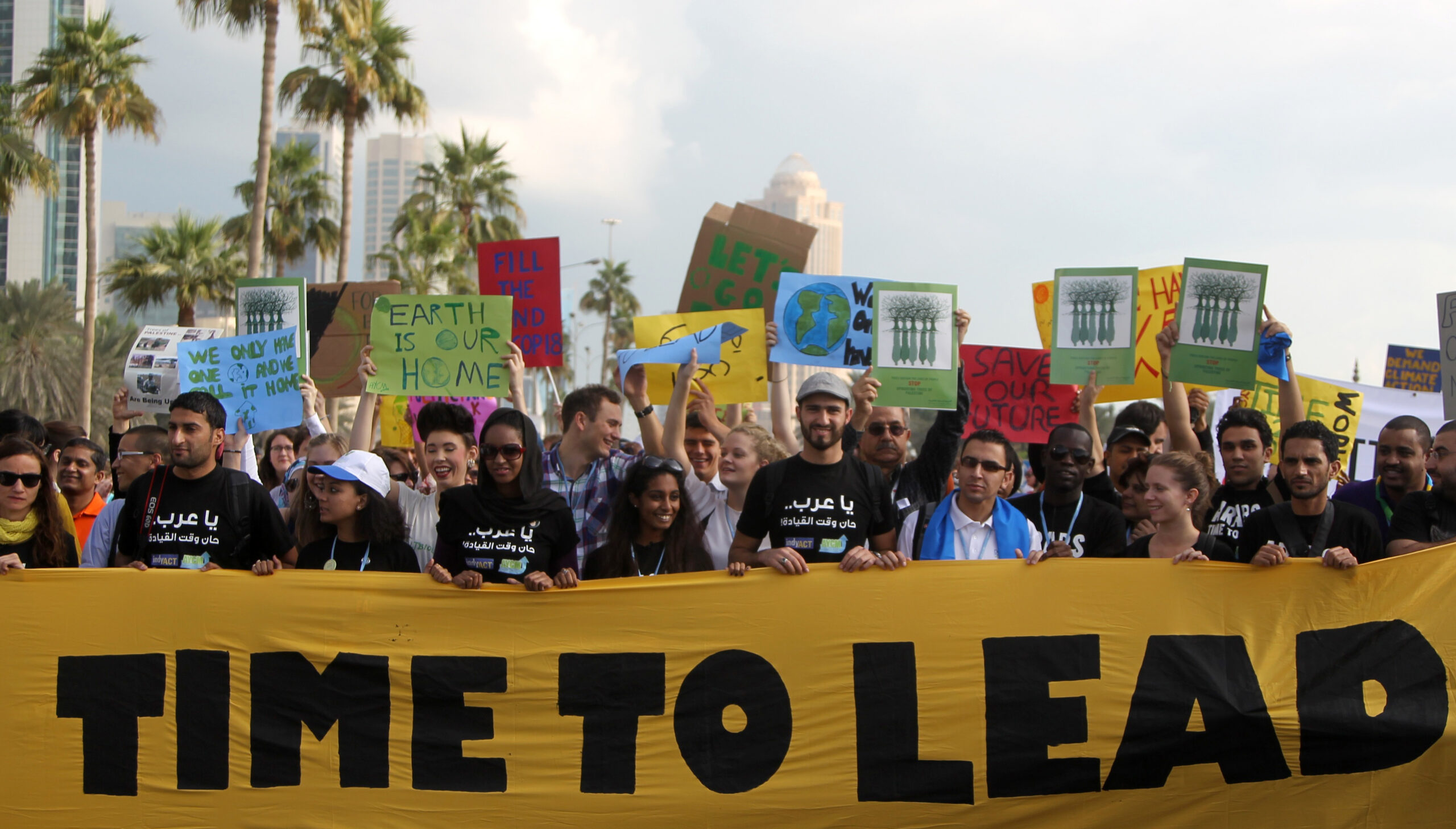
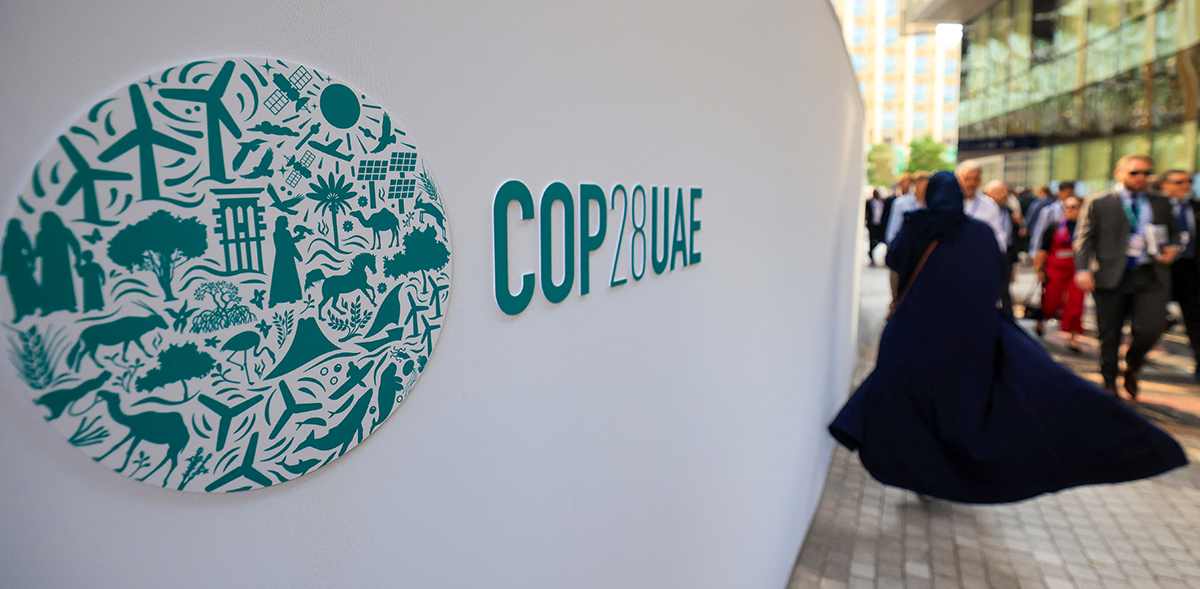
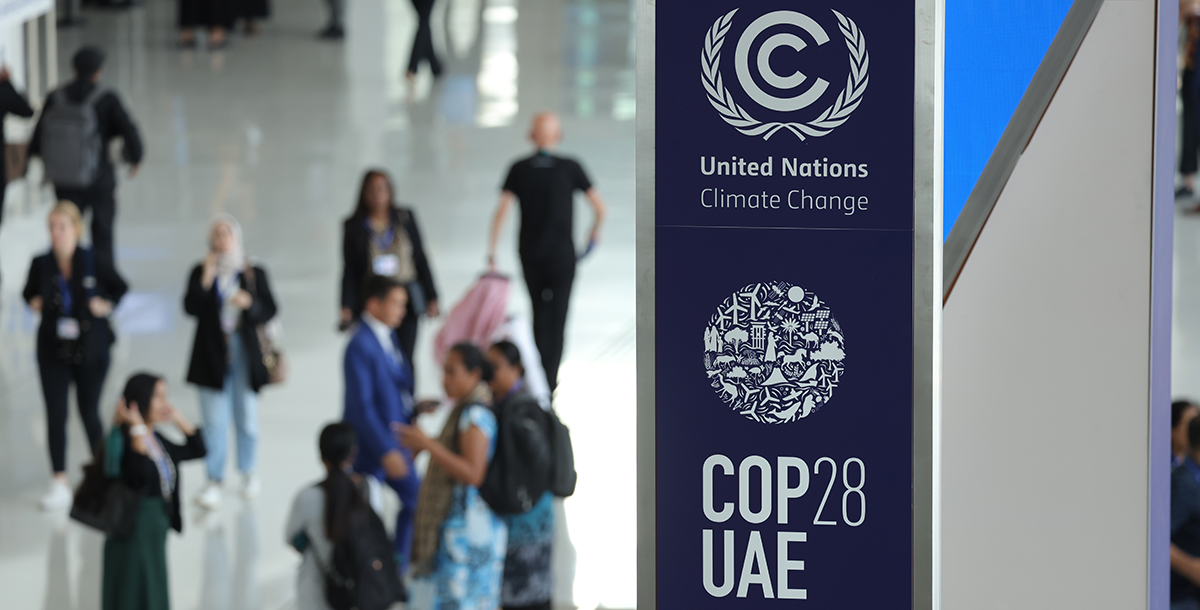
COP28 was billed as our last best chance to get the world’s act together and save our chances of limiting warming to 1.5 degrees Celsius. However, the final outcome fell far short of the commitments so desperately needed to keep the target alive. The future of COP lies in refocusing on its fundamental objective: ensuring that countries are held accountable to science-based targets that prioritize the needs of vulnerable communities most affected by climate change.
COP28 introduced peace and conflict into the climate discussion. What comes next?
At the COP28 in Dubai last December, 74 countries, organizations, and multinational development banks officially linked climate change and conflict for the first time in the conference’s history by signing the Declaration on Relief, Recovery, and Peace. This declaration recognizes that countries affected by conflict and fragility are significantly more vulnerable to the effects of climate change and calls for the scaling up of climate finance to help them better prepare for and respond to climate impacts
Pillars of sand: The environmental fragility of Gulf cities
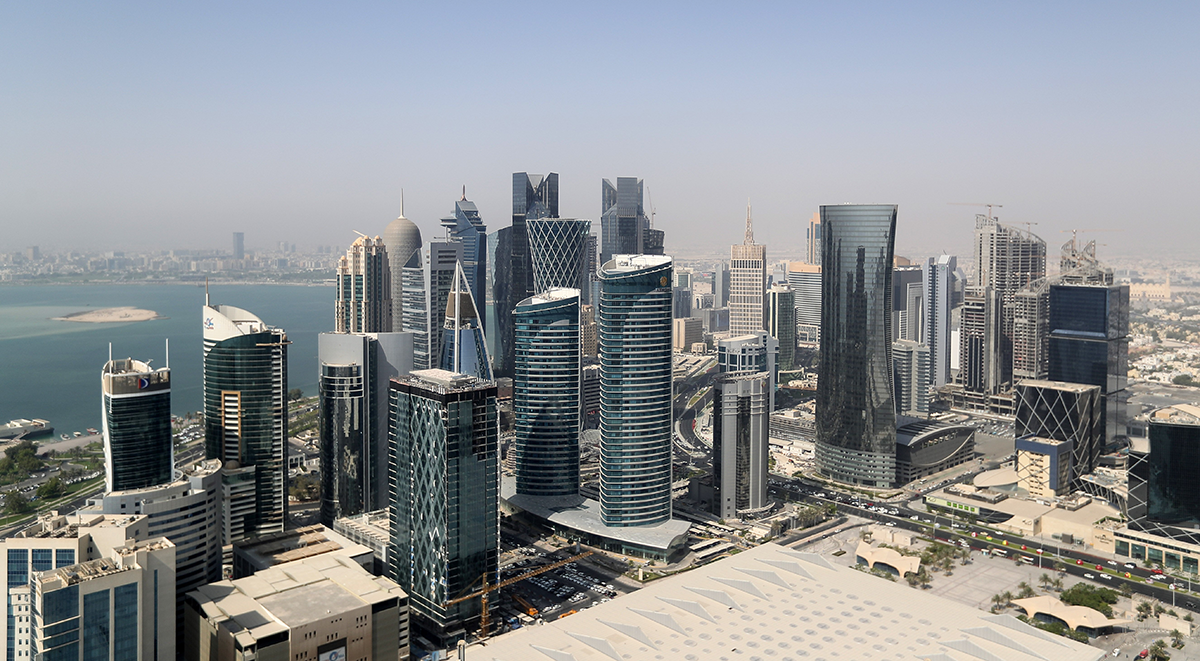
Future climate change is set to increase temperatures around the Gulf further still, rising twice as fast as the global average and pushing the cities of this rapidly growing region toward the edge of their viability as human habitats. But how did this situation come to be in the first place, and why did humans settle in such an inhospitable environment and build such cities around the Gulf waters?
The great financing gap: The state of climate funding in MENA
The Middle East and North Africa region is one of the lowest recipients of climate finance compared to other areas of the globe, such as East Asia and the Pacific Islands, despite MENA’s exposure to extreme climate risks. The MENA region’s share of climate financing from the big three global climate funds — the Green Climate Fund (GCF), the Climate Investment Funds (CIF), and the Global Environment Facility (GEF) — and their sub-funds made up only 6.6% of their cumulative global financing through 2023.
The devastating impact of Gaza’s acute and prolonged water crisis
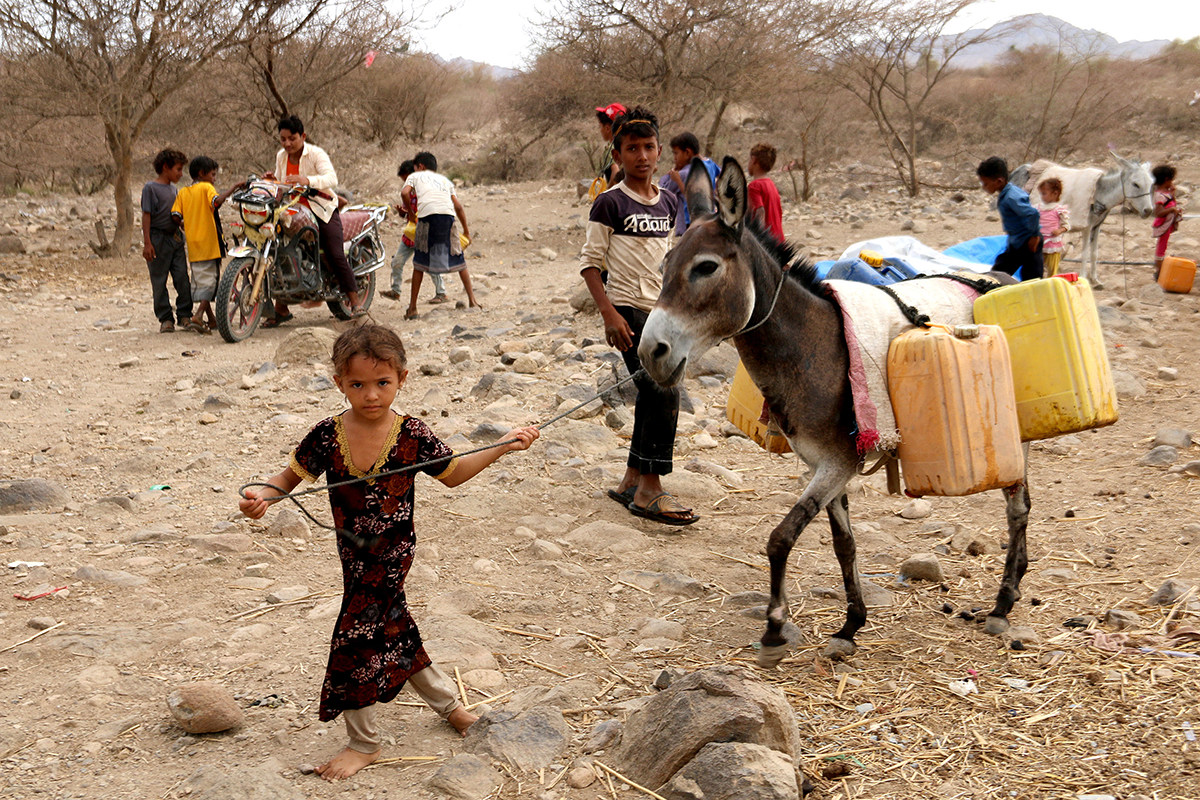
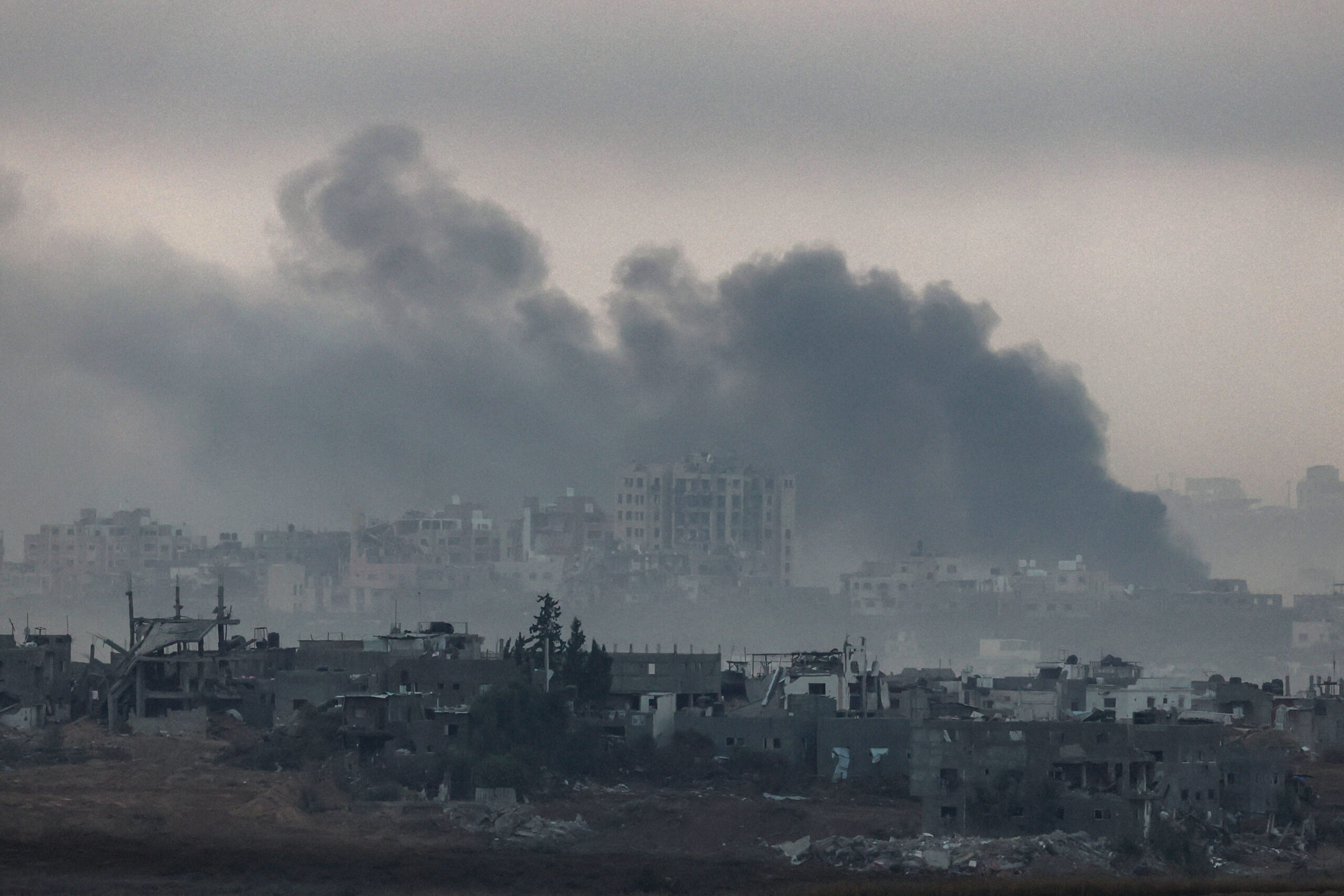
The Gaza Strip faces a severe and worsening water crisis. With the death toll now above 31,000 and a catastrophic humanitarian crisis plaguing the strip, one of the most urgent challenges facing its residents is access to water.
Innovations in Climate Resilience: Water and Energy for Food (WE4F) in MENA
Innovations in Climate Resilience is an event series hosted by the Middle East Institute's Climate and Water Program. This fireside chat series showcases different practical applications that address climate change vulnerability in the MENA region.
Women and climate change in MENA: Turning adversity into opportunity
The MENA region is both a climate change hotspot and one of the world’s most gender unequal regions. As a result of gender inequality, women face disproportionate risks from climate change, but there are ways to transform these threats and turn them into opportunities.
The Middle East's critical mineral resources: A key to the clean energy transition?
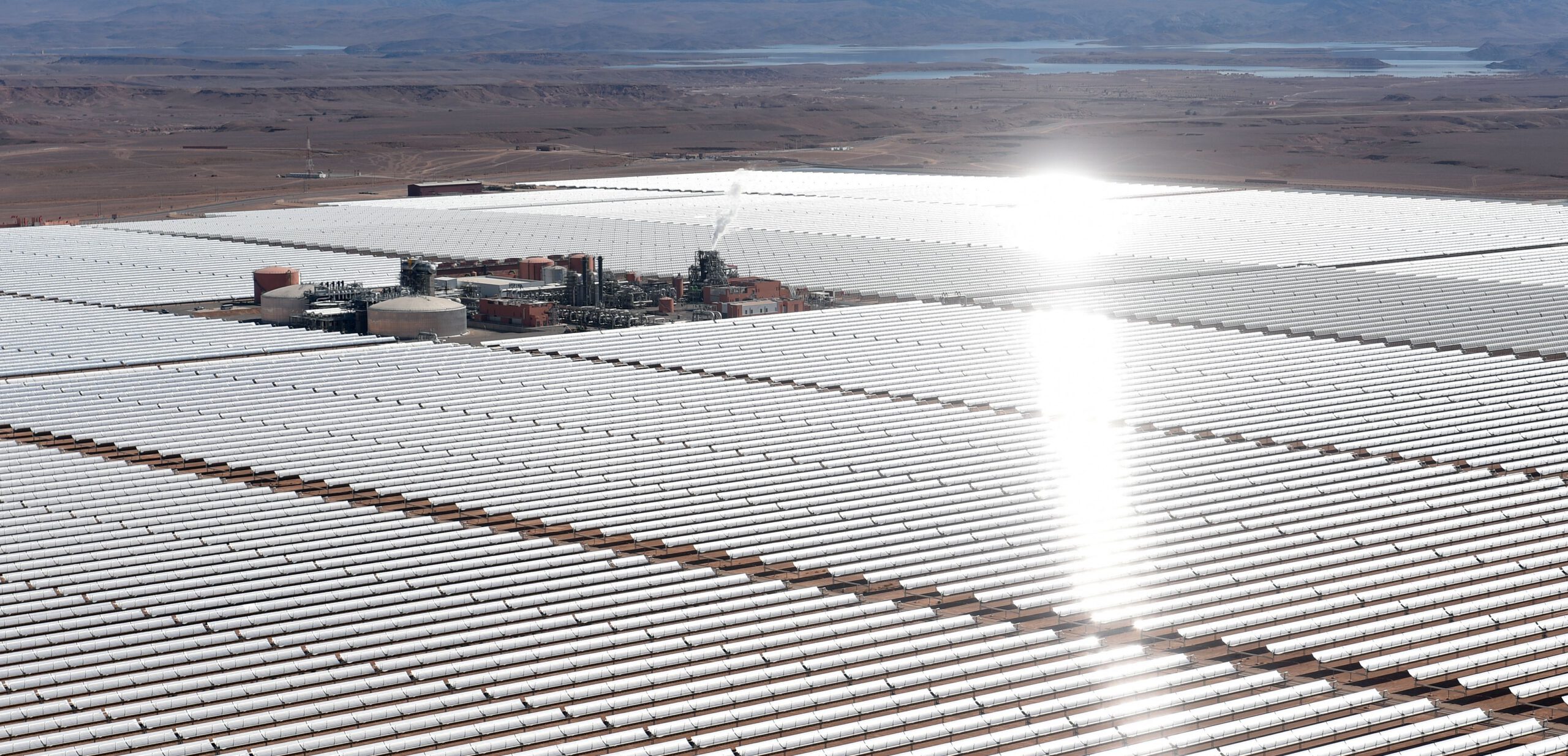
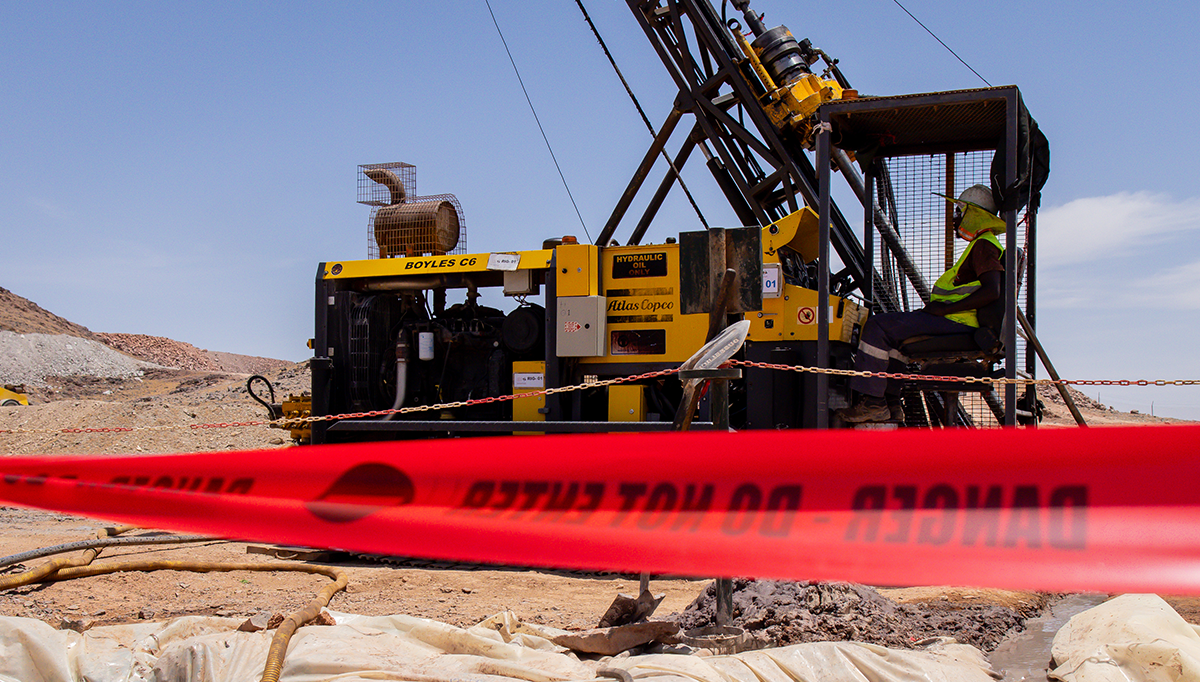
The transition toward renewable and clean energy sources, both in the Middle East and around the world, relies on the availability of critical minerals. Critical minerals are set to be the foundation upon which a sustainable, clean energy future is built, catalyzing innovation and progress on a global scale.
The Future of Climate Change Mitigation in the Middle East and North Africa
Future global warming scenarios indicate the 1.5°C target laid out under the 2015 Paris Agreement is at risk, with some projections suggest a median global warming of as much as 2.8°C by 2100. Bridging the gap between emissions and mitigation necessitates immediate, comprehensive, and far-reaching strategies in energy, cities, transportation, demand mitigation, and carbon removal. Urgent and coordinated global action is imperative to address the escalating climate crisis. The 2023 U.N. Climate Change Conference meeting in Dubai serves as a critical juncture to assess progress, address gaps in mitigation efforts, and translate net-zero goals into impactful climate action.
Charting the climate course: Concrete outcomes and expectations from COP28
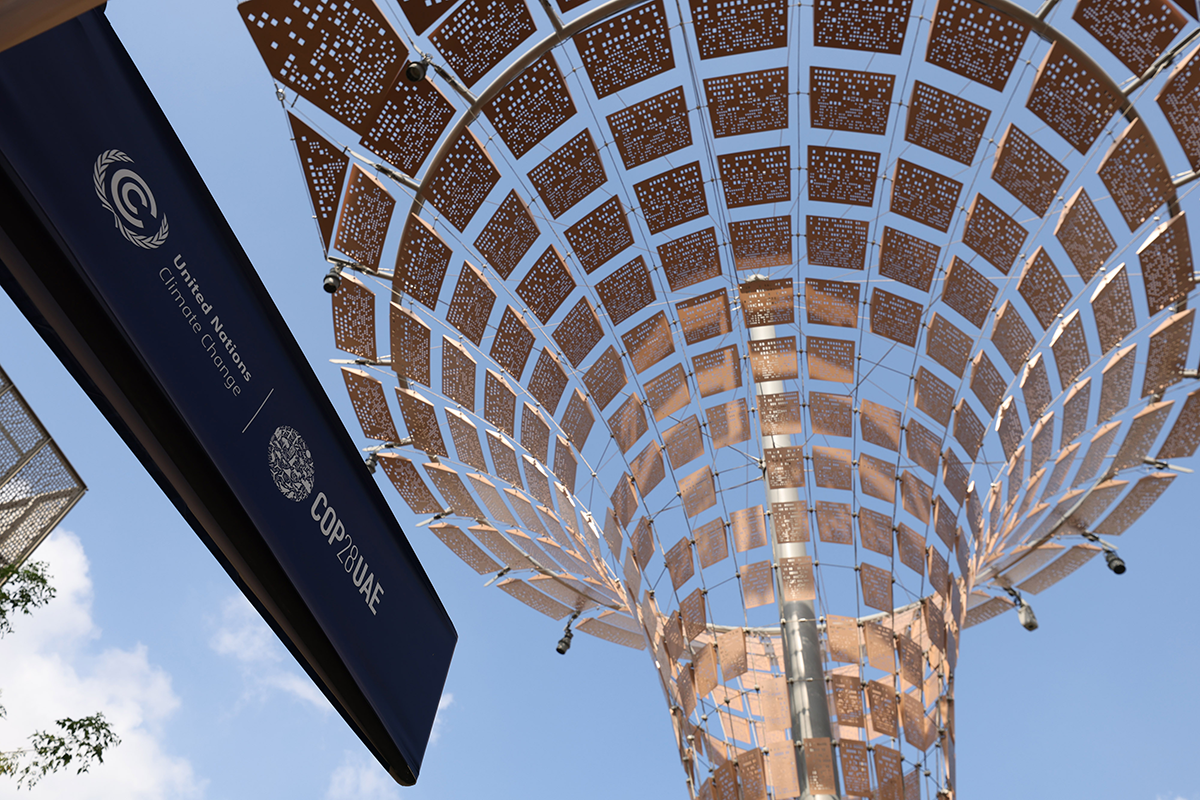
COP28 in Dubai carries a weighty set of expectations as the international community grapples with the urgent need to address the escalating climate crisis. It is anticipated to be a pivotal moment in the collective effort to mitigate climate change and adapt to its impacts.
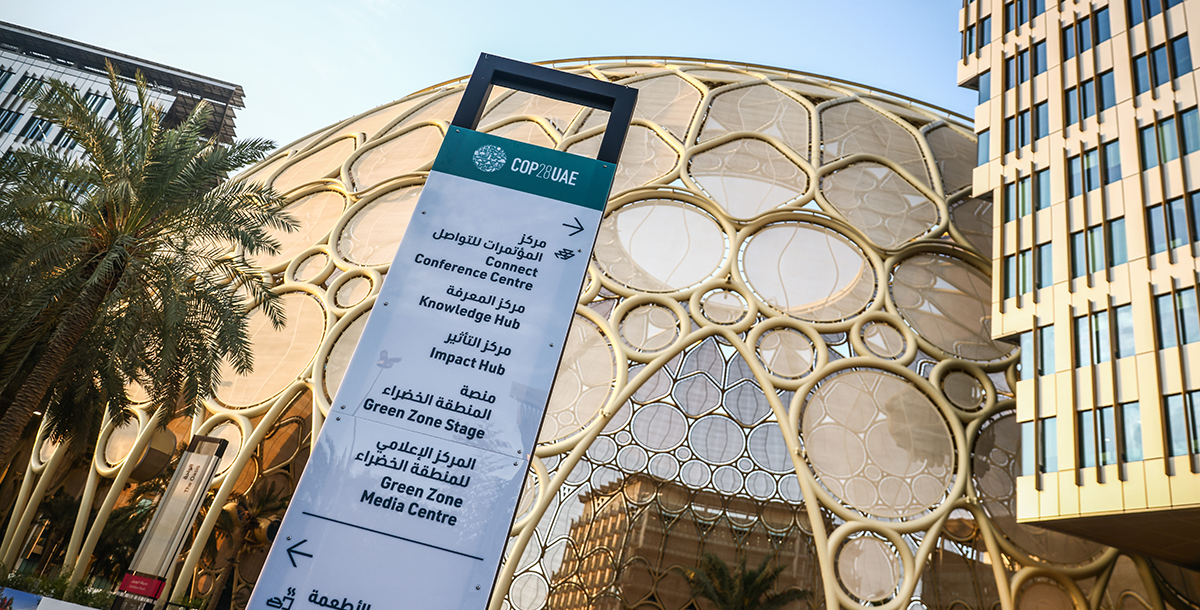
With COP28 set to kick off later this week at Expo City, Dubai, in the United Arab Emirates, MEI’s Mohammed Mahmoud takes a closer look at five key questions that will influence the course and outcomes of the proceedings.
The oldest peer-reviewed publication dedicated to the study of the modern Middle East, MEI’s flagship journal covers politics, society, and culture in the region.