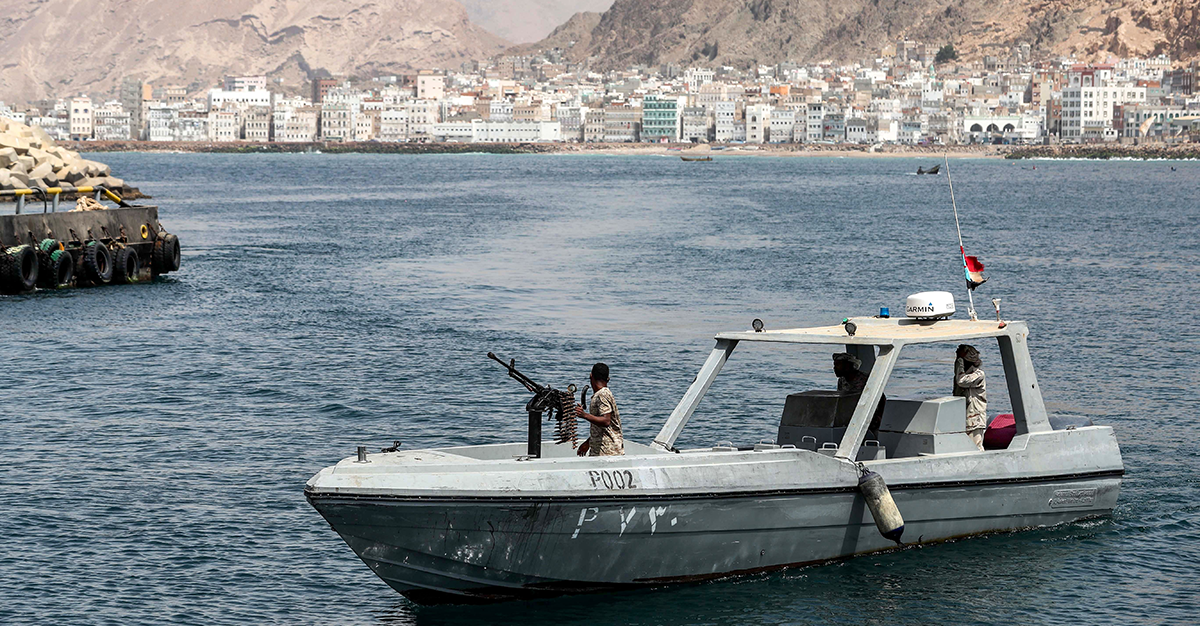
Over the past several weeks, the Houthis have seized the port city of Mokha, Yemen’s western coastline, and several islands in the Bab el-Mandeb Strait, and they are now massing around Marib and Taiz in the first major frontline shift since 2022. MEI Associate Fellow Nadwa Al-Dawsari joins host Matthew Czekaj to unpack the latest developments. Together, they discuss what has allowed the Houthis to advance against Yemeni government forces, the role the militant group plays in Iran’s regional strategy, and what it will take to contain the threat.
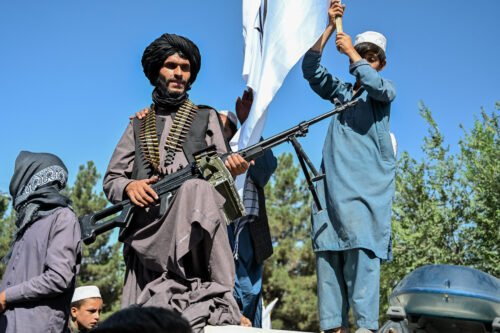
I was a teenage Afghan refugee in Pakistan’s tribal areas when the Twin Towers fell. Almost nobody around us understood the politics of what had happened, but we knew that something had changed for good. Afghanistan, which until then had been our private tragedy and our first exile from Taliban rule, had suddenly become the world’s concern, with the United States leading the response.
Though it has fallen out of the headlines because of the Iran war, Syria has had a dramatically consequential summer. Hosts Alistair Taylor and Matthew Czekaj are joined by MEI Senior Fellow Charles Lister to take stock of recent developments: the dissolution of the Kurdish-led Syrian Democratic Forces, Israeli strikes and the friction with Turkey they have exposed, the standoff in Sweida, as well as Damascus’s bid to turn Syria into a trade corridor between the Mediterranean and the Gulf. Is the transition consolidating or fragmenting nearly two years after the fall of the Assad regime?
After Prigozhin: The future of Wagner and Russian gray zone activities in MENA
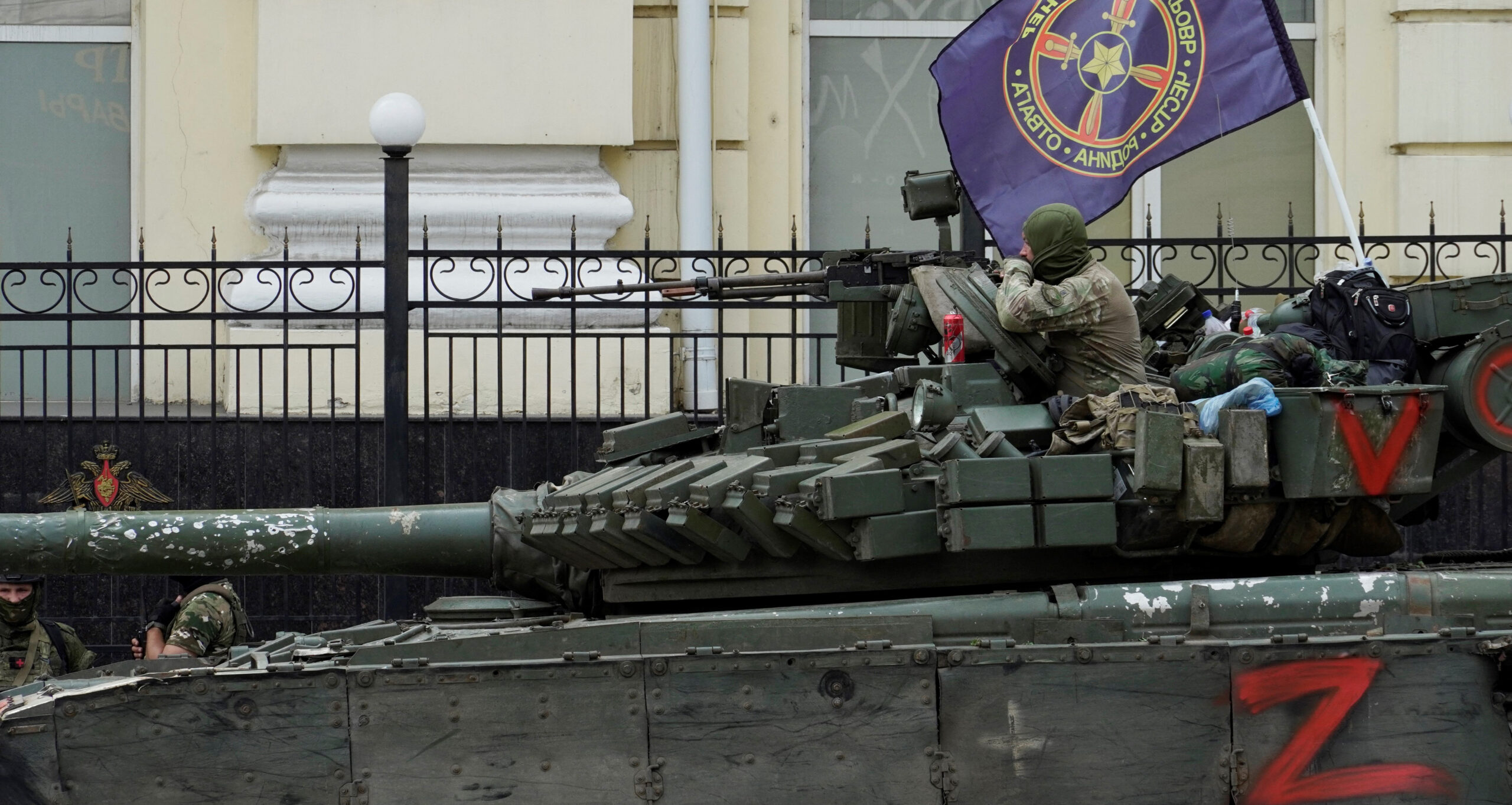
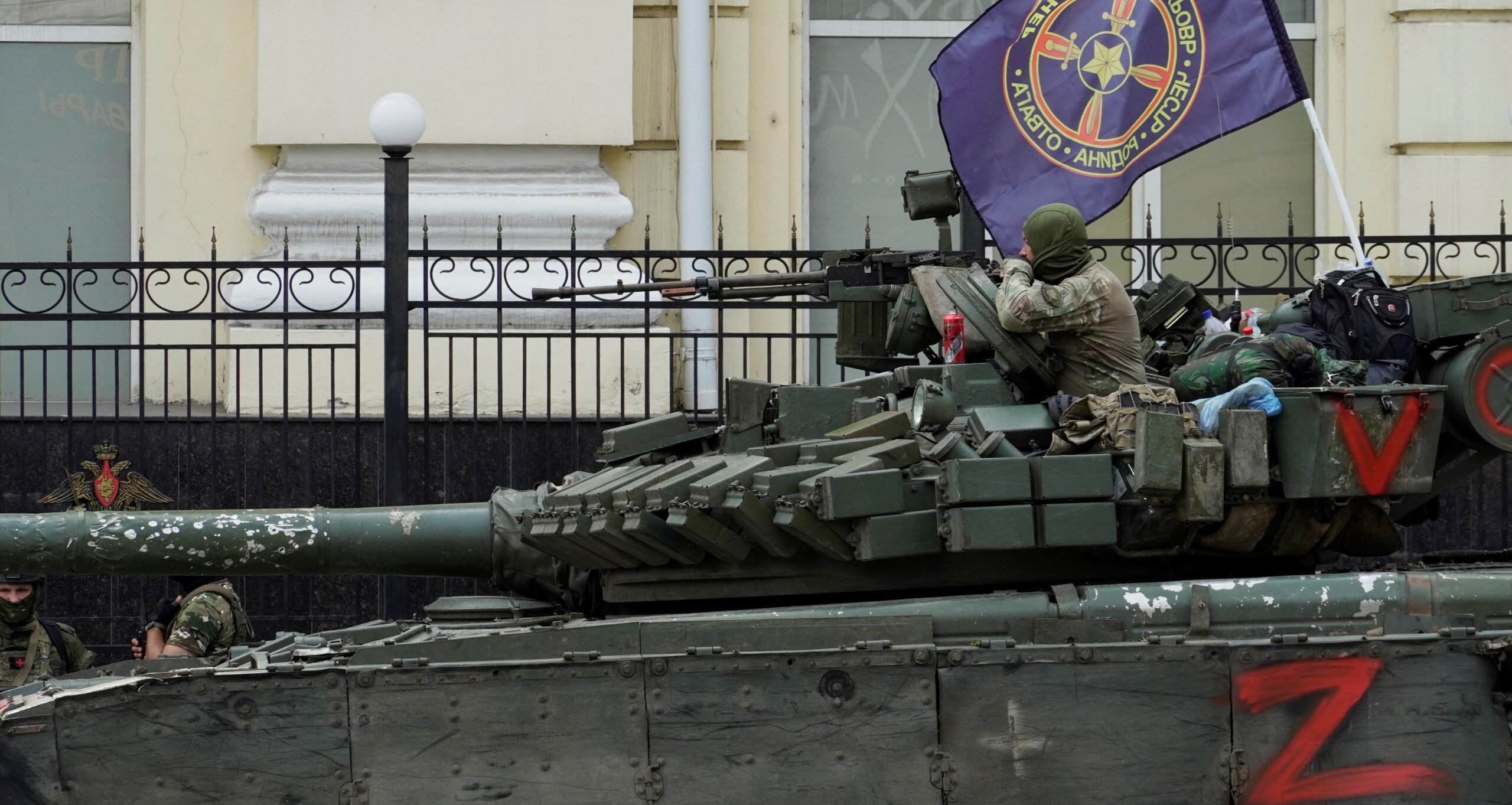
As the Wagner Group has an entrenched military presence in Syria, Libya, and Sudan, the evisceration of its senior leadership will have serious repercussions for Russia’s influence in the MENA region. Wagner’s military contractors are unlikely to depart, since they guard strategically valuable oil and mining facilities; but they are likely to now be swiftly integrated into the regular Russian Armed Forces.
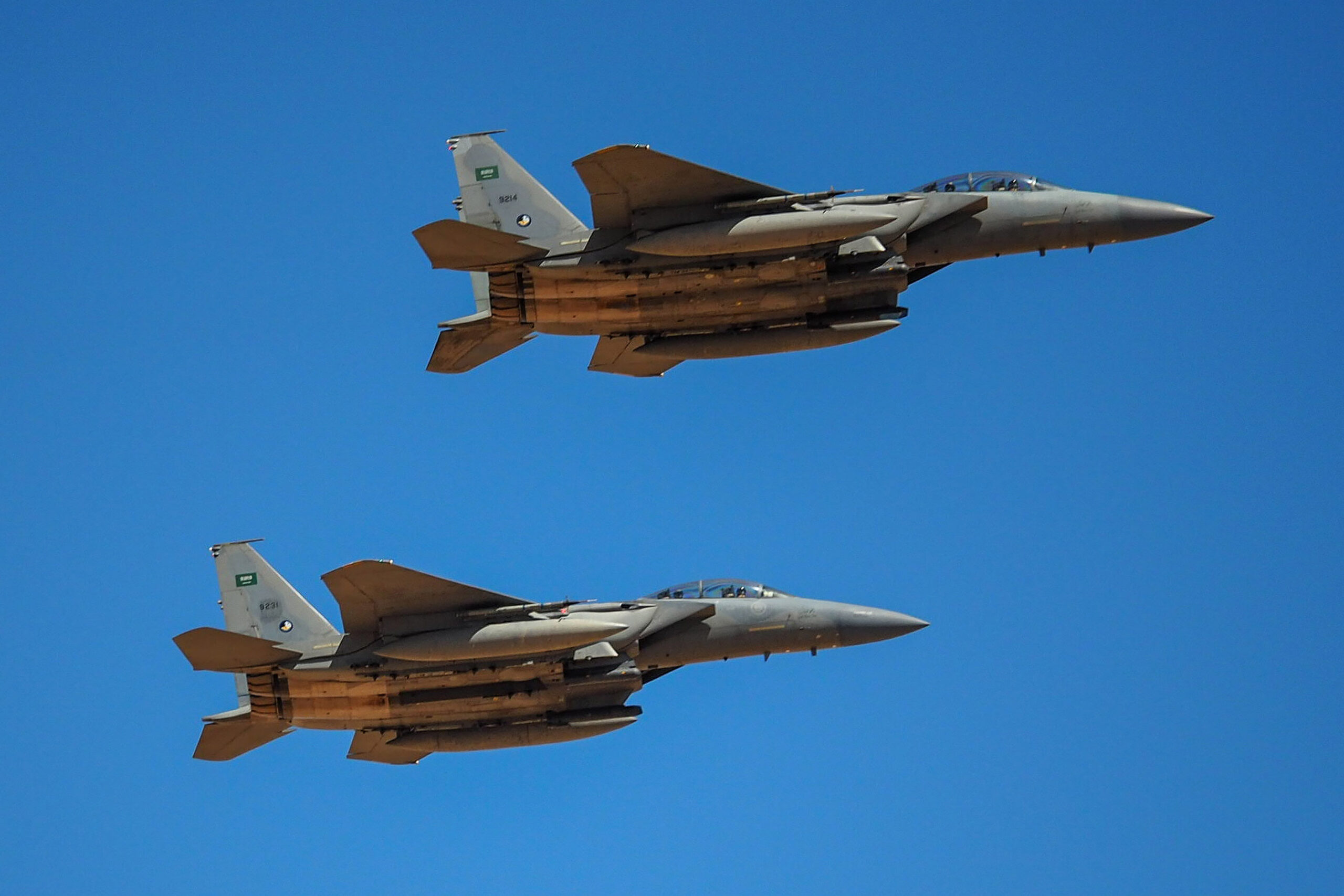
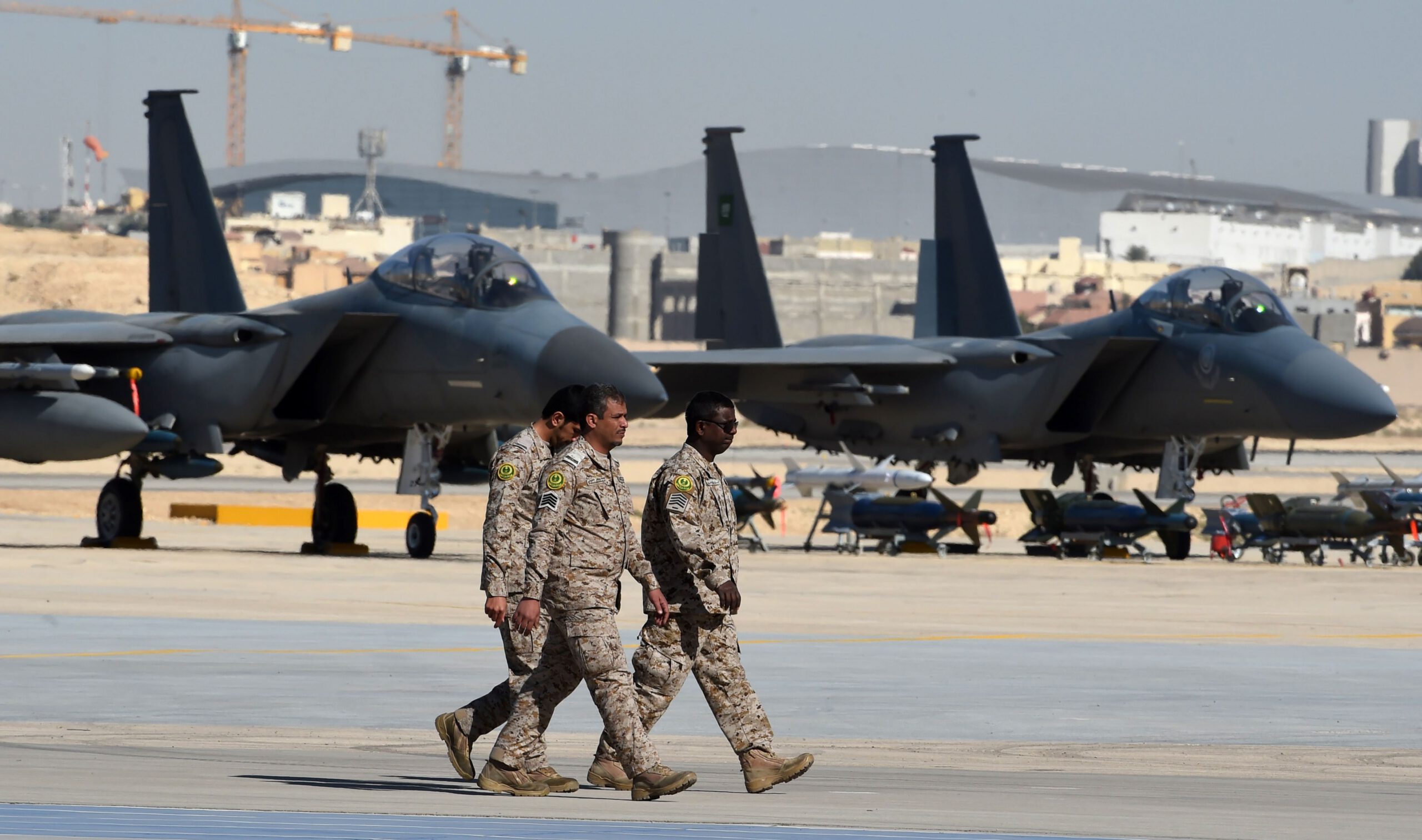
Of all the challenges to Saudi Vision 2030, arguably none is greater than Iran’s threat to Saudi national security. To succeed, Crown Prince Mohammed bin Salman must protect the kingdom, which will require not only fortifying its defenses against further Iranian and Houthi attacks but also establishing a level of deterrence against Tehran.
A US security guarantee to Israel should help to advance Israeli-Palestinian peace, not avoid it
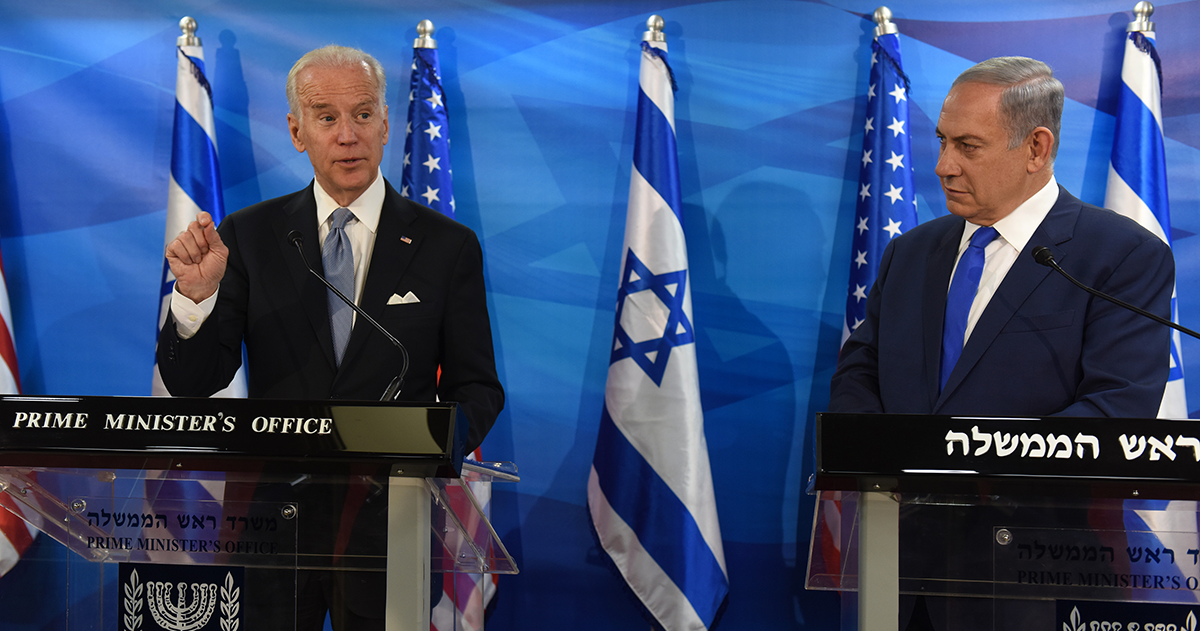
It has been nearly 70 years since Israel first asked the U.S. to sign a bilateral defense treaty. Ever since then, the idea of a formal security agreement has resurfaced from time to time, only to be struck down, due to an understanding that it does not serve the two sides’ actual needs. Prime Minister Netanyahu is currently floating the idea once again, but the U.S. can make use of his interest in a security upgrade to revive a different idea instead: the decade-old security plan for the two-state solution, known as the Allen Plan.
Peshmerga reform hangs in the balance in Iraq’s Kurdistan Region
Efforts to reform the Iraqi Kurdish security forces known as the Peshmerga are at serious risk of failing. Tensions between the ruling parties of Iraq’s Kurdistan Region are not new, but the working relationship between the leaders of the Kurdistan Democratic Party and the Patriotic Union of Kurdistan has collapsed over the past year. As a result, officials within the Ministry of Peshmerga Affairs are no longer capable of preventing the politics of partisan self-interest from consuming the reform project. The prospects for the depoliticization and unification of the Peshmerga have rarely seemed more remote.
The future of America's Middle East posture is now
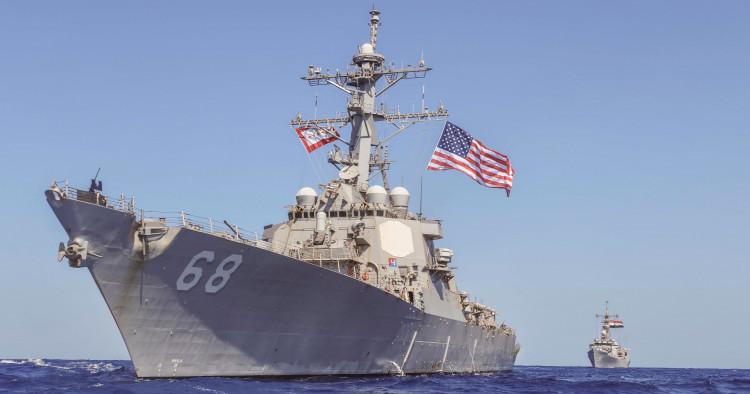
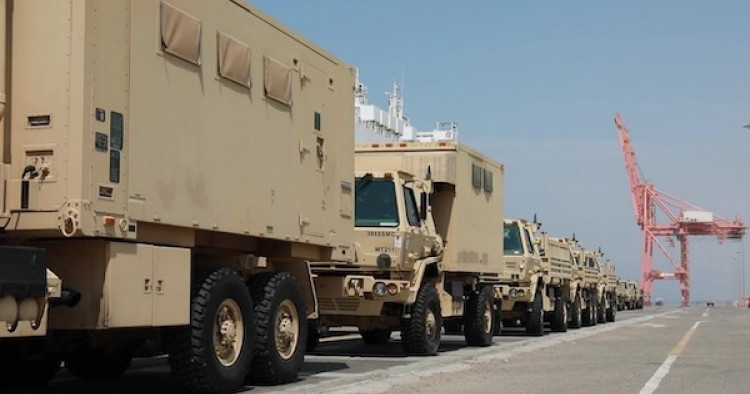
With its strategic prioritization of the Indo-Pacific and European theatres, the United States has had to significantly adjust its defense posture in the Middle East through new concepts and procedures to safeguard collective security interests.
The result is at least the beginning of a more dynamic and flexible approach to military deployment in the US Central Command (CENTCOM)’s Area of Responsibility. Instead of emphasising large and permanent basing, the United States will surge assets and resources from other locations depending on threats and needs.
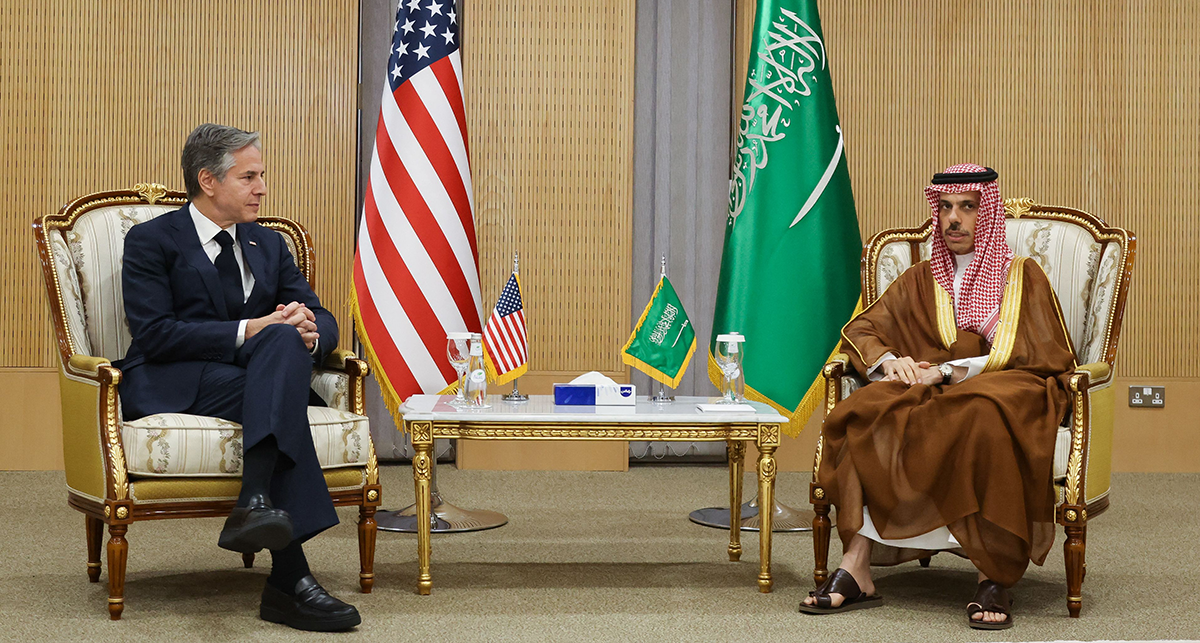
A defense treaty is not how Biden should fix the Saudi relationship
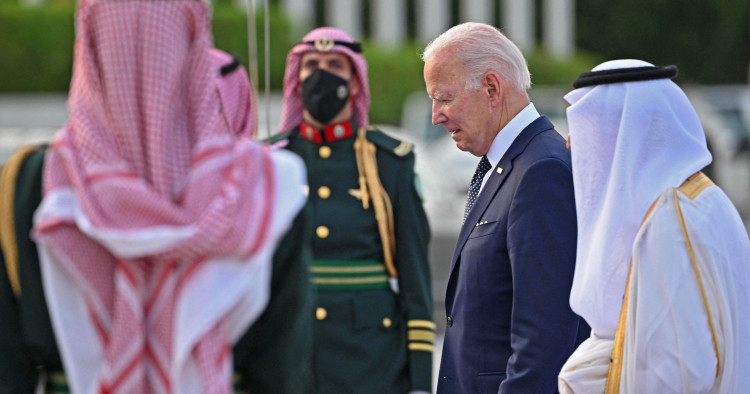
The United States has likely reached a crossroads in its relationship with Saudi Arabia. President Joe Biden can reconcile with Riyadh and use its influence to reshape the Middle East to Washington’s liking and stabilize the global energy markets. Or else the Saudis most probably will tie their fortunes much closer to China, thus complicating America’s top foreign-policy priority.
Effectiveness, not size, key to US involvement in Middle East
In the summer of 2016, I was honoured to be asked by former US national security advisor Stephen Hadley and former US Secretary of State Madeleine Albright to help design a wargame, or a simulated crisis, to test whether more or less US engagement in the Middle East would be more beneficial for US interests and regional security.
The crisis revolved around a fictitious incident at sea between Saudi and Iranian naval forces. We postulated that several small attack craft belonging to the Iranians confronted a Saudi frigate in the Arabian Gulf southwest of the island of Abu Musa.
Changing dynamics reshape power networks in Yemen’s “two Hadramawts”
Since 2015, Yemen’s largest governorate, Hadramawt, has been informally divided between two distinct centers of power with different military loyalties and external backing. The balance of power within the governorate is no longer fixed, however. Changes in Hadramawt’s military, political, and economic dynamics are reshaping power networks in the governorate and beyond, with implications for the conflicting agendas of the Saudis, Emiratis, and Houthis.
سورية التي أسست للخلاف بين قوات فاغنر والحكومة الروسية
لم يكن تمرد مجموعات فاغنر العسكرية على الحكومة الروسية ووزارة الدفاع وقادتها العسكريين مفاجئاً، خاصة في الفترة الأخيرة من الحرب الروسية الأوكرانية مع الظهور المستمر لزعيم تلك القوات يفغيني بريغوجين، الذي تكرر ظهوره خلال الأشهر الماضية منتفداً تارة ومهدداً تارةً أخرى للقادة العسكريين الروس، بسبب ما قال إنه نقص في الذخيرة والمعدات المقدمة لقواته على جبهات أوكرانية وخاصة باخموت، ما تسبب بمقتل العشرات من قواته على مدار الفترة الماضية.
Syria is where the conflict between Wagner and the Russian government began
The conflict between the Wagner Group and the Russian government was not born out of the full-scale invasion of Ukraine, though the war there caused the rift to widen and tensions to explode publicly in the form of an armed rebellion. Instead, the discord actually started in Syria back in 2017 and has intensified since then.
The false promise of Washington’s foreign military sales reforms
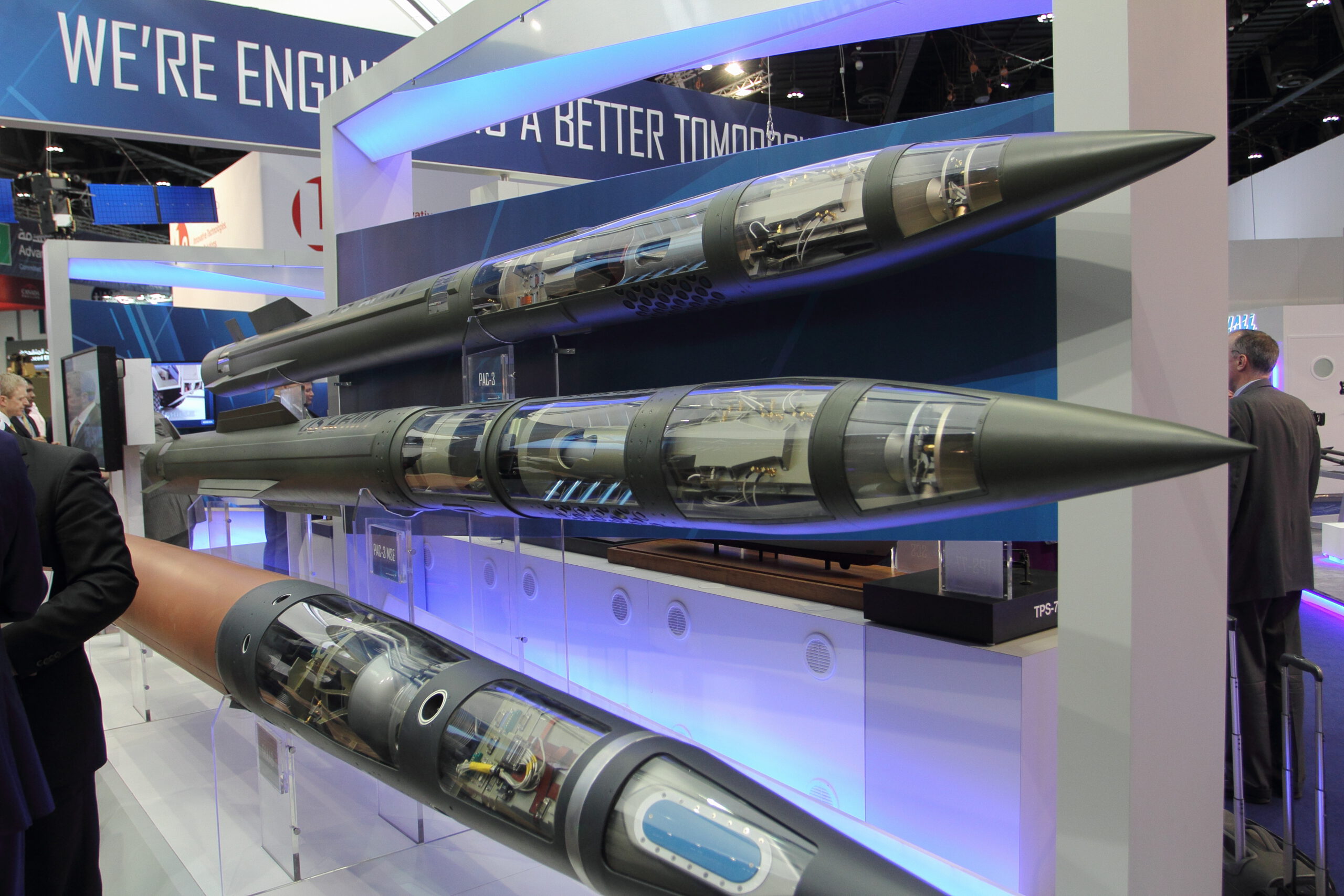
Over the past few weeks, the US State Department and the US Defense Department released separate but similar statements about the changes each organization has instituted to the Foreign Military Sales, or FMS, process. There are 80 recommendations coming out of the Pentagon, but in short, they all advocate for less bureaucracy and more speed.
Saudi Arabia can alleviate US concerns over its civilian nuclear energy program. Here’s how.
Saudi leaders have stepped up their plans for developing peaceful nuclear energy, inviting technical bids to the planned construction of two 1.4 gigawatt-electric nuclear reactors and restating the kingdom’s intention to use domestic uranium resources for producing low-enriched uranium as nuclear fuel.
Defense Rapid Reaction: Proposed reforms to the U.S. Foreign Military Sales process
In the latest installment of the Defense Rapid Reaction series, experts from MEI’s Defense & Security Program provide their views on what reforms to the U.S. Foreign Military Sales process could or should accomplish and how an improved approach to approving foreign arms sales can strengthen U.S. relations with international partners and allies.
Should the US be wary of Chinese military power in the Middle East?
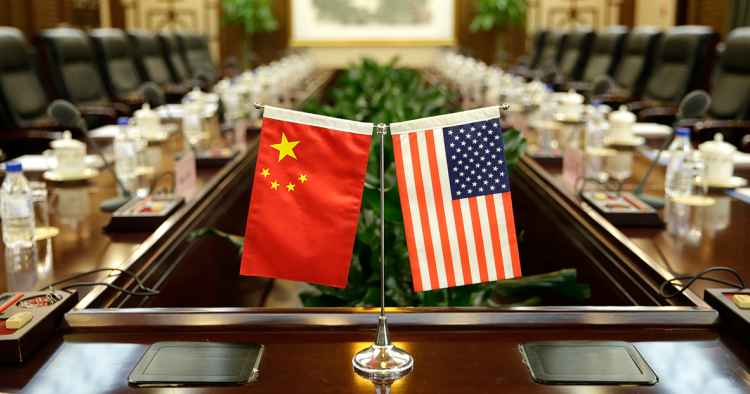
It is not difficult to see why US officials view China’s increasing influence in the Middle East with greater concern.
Through investments, trade, arms sales, and lately diplomacy, China has patiently built a strategic sphere of influence in the region that is only going to grow and more seriously challenge America’s regional position and interests.
But will China set off alarm bells in Washington and attempt to solidify its regional clout by establishing a permanent military presence in the region?
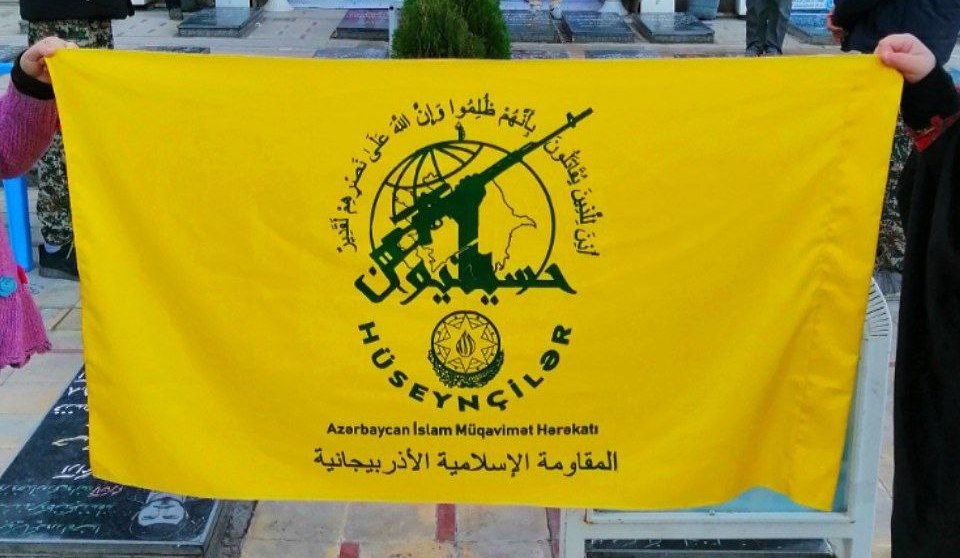
Azerbaijan's Hoseyniyun: The prospects and challenges of a Caucasus Hezbollah
The “Axis of Resistance,” a network of non-state actors aligned with Iran, has emerged as a significant force in the Middle East in the last two decades. Despite the attention given to the more well-known members of the Axis of Resistance, the Azerbaijani group Hoseyniyun, which also operates within the network, remains relatively unknown.
The oldest peer-reviewed publication dedicated to the study of the modern Middle East, MEI’s flagship journal covers politics, society, and culture in the region.