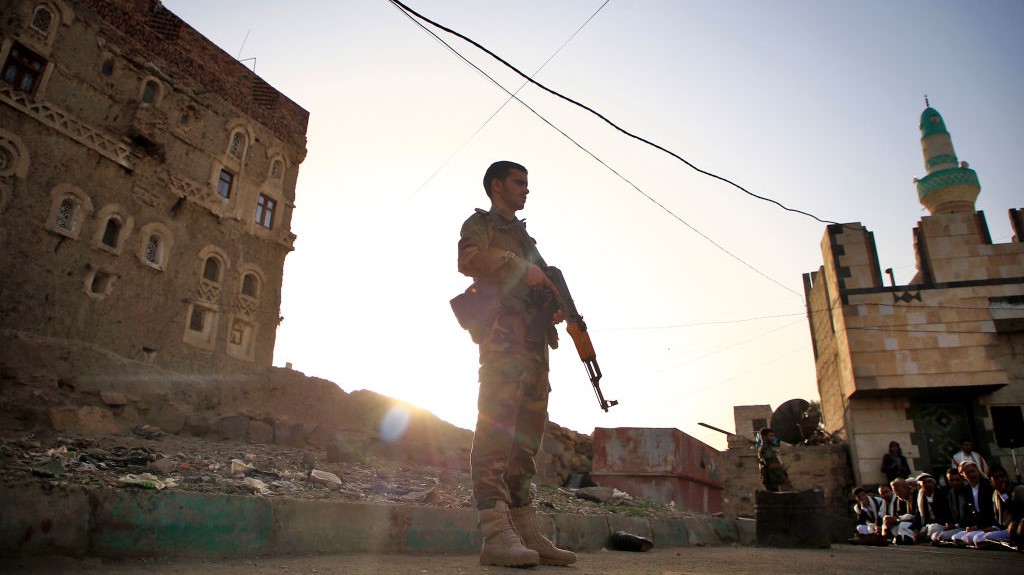
Over the past several weeks, the Houthis have seized the port city of Mokha, Yemen’s western coastline, and several islands in the Bab el-Mandeb Strait, and they are now massing around Marib and Taiz in the first major frontline shift since 2022. MEI Associate Fellow Nadwa Al-Dawsari joins host Matthew Czekaj to unpack the latest developments. Together, they discuss what has allowed the Houthis to advance against Yemeni government forces, the role the militant group plays in Iran’s regional strategy, and what it will take to contain the threat.
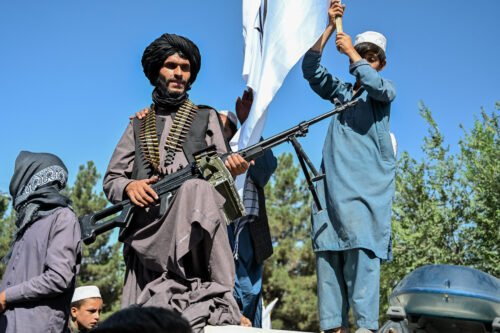
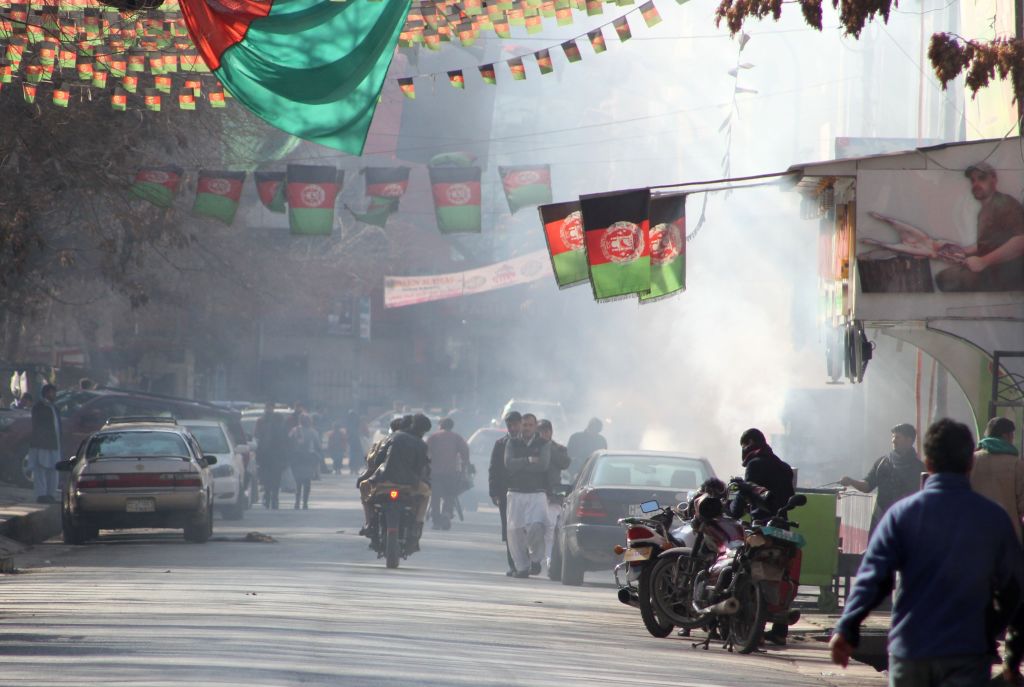
I was a teenage Afghan refugee in Pakistan’s tribal areas when the Twin Towers fell. Almost nobody around us understood the politics of what had happened, but we knew that something had changed for good. Afghanistan, which until then had been our private tragedy and our first exile from Taliban rule, had suddenly become the world’s concern, with the United States leading the response.
Though it has fallen out of the headlines because of the Iran war, Syria has had a dramatically consequential summer. Hosts Alistair Taylor and Matthew Czekaj are joined by MEI Senior Fellow Charles Lister to take stock of recent developments: the dissolution of the Kurdish-led Syrian Democratic Forces, Israeli strikes and the friction with Turkey they have exposed, the standoff in Sweida, as well as Damascus’s bid to turn Syria into a trade corridor between the Mediterranean and the Gulf. Is the transition consolidating or fragmenting nearly two years after the fall of the Assad regime?
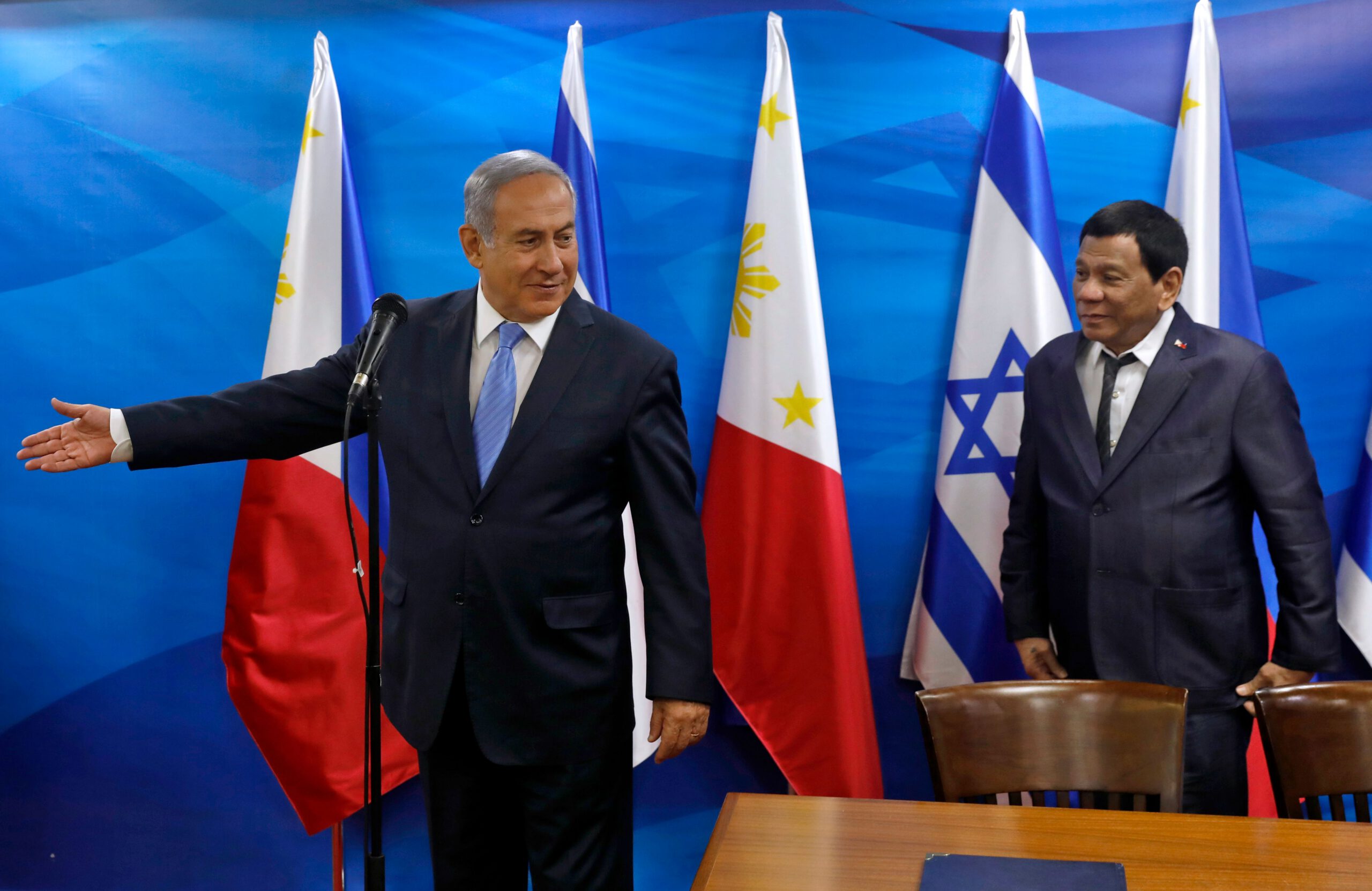
The Military-Security Dimension of Israel-Southeast Asia Relations
Over the past two decades, Israel has developed robust bilateral relationships with China, India, and Singapore. Israel has also succeeded in forging ties with Japan and South Korea. More recently, Israel has devoted considerable attention to strengthening its relations with Southeast Asian countries, particularly Vietnam, the Philippines, Thailand and Myanmar. Military-security cooperation in the form of arms trade as well as technology transfer and licensed production has emerged as an important dimension of Israel’s relations with Southeast Asian countries.
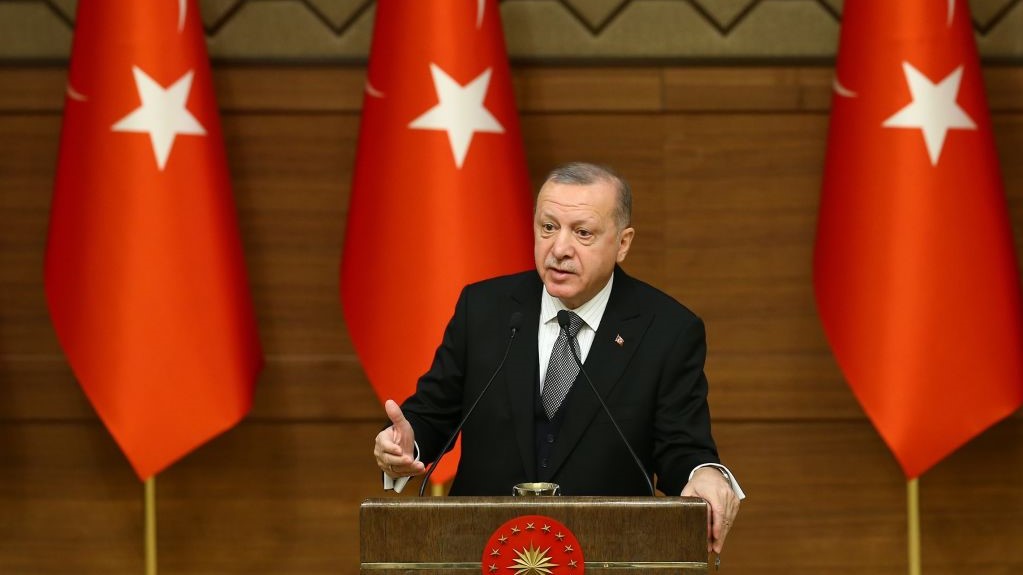
Trump has taken such a forward-leaning and aggressive position now that he has set himself, and the U.S., in a conflict trap that he might not be able to defuse.
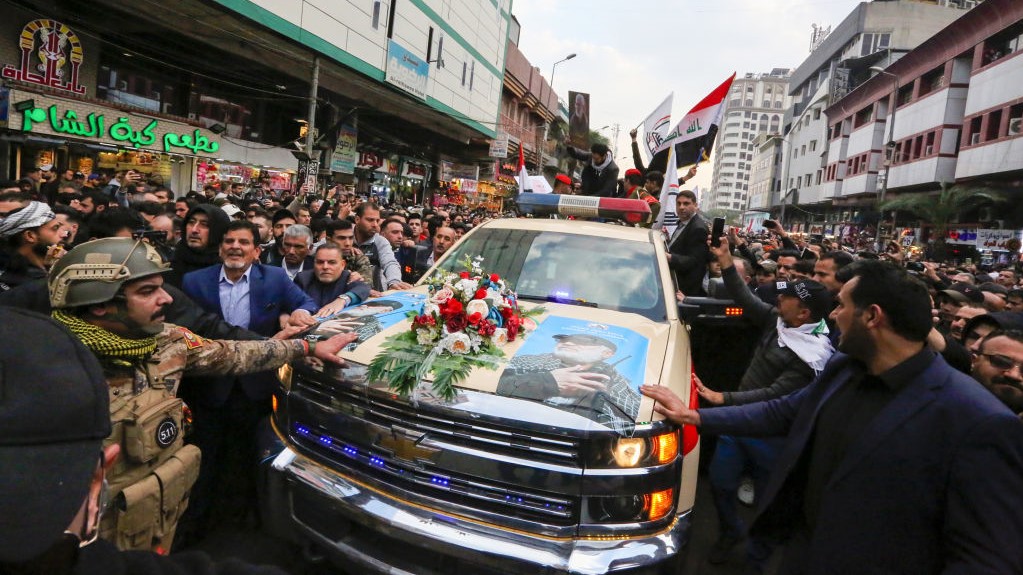
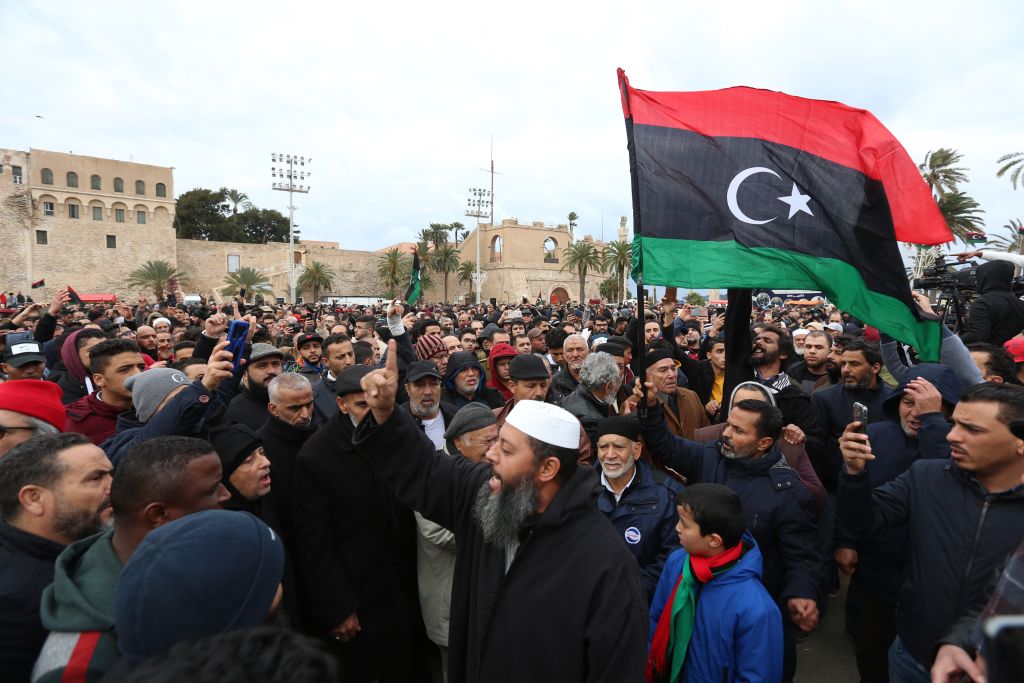
While yesterday’s vote in the Iraqi Council of Representatives on a decision to remove U.S. forces is not legally binding, it creates dynamics inside the U.S. and Iraq that make a U.S. decision to remove its forces all but inevitable.
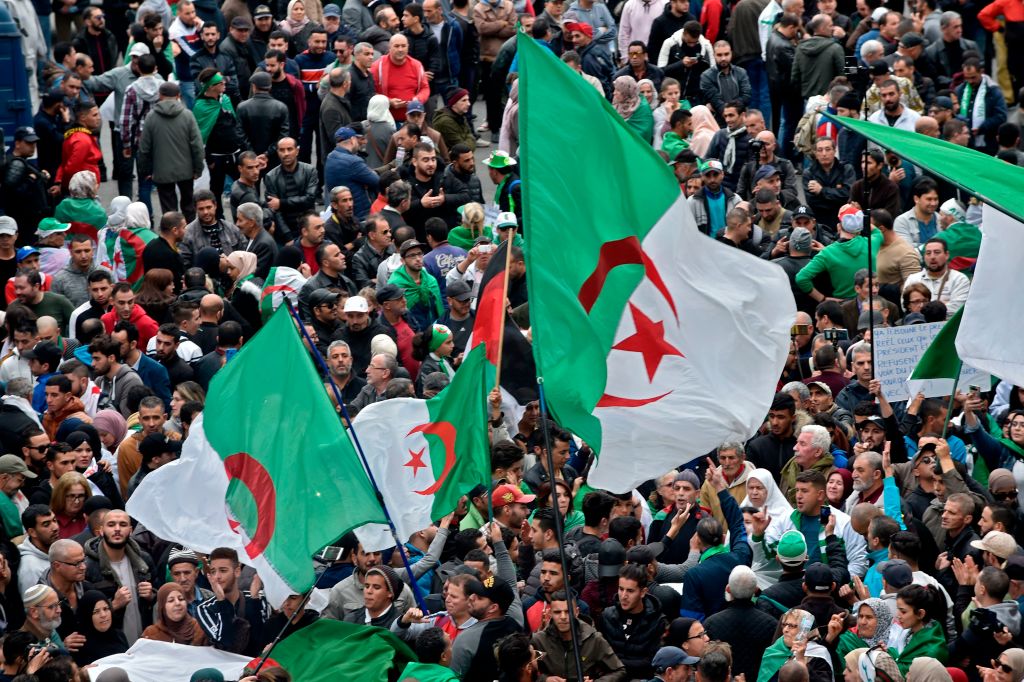
The future of the UK’s relationship with the Maghreb
The UK’s impending exit from the EU will present a new chapter for British interests in and posture toward the region. If the UK is to find a trade-off for loss of diplomatic and economic heft, it will need to re-prioritize its engagement efforts. Policy continuity toward Morocco and Tunisia appears inevitable; Algeria, in contrast, promises great opportunity for an evolving relationship.
Strong U.S. leadership could still make a difference to counter the threats arising from the ongoing proxy war, but the Trump White House appears mainly to have other things on its mind.
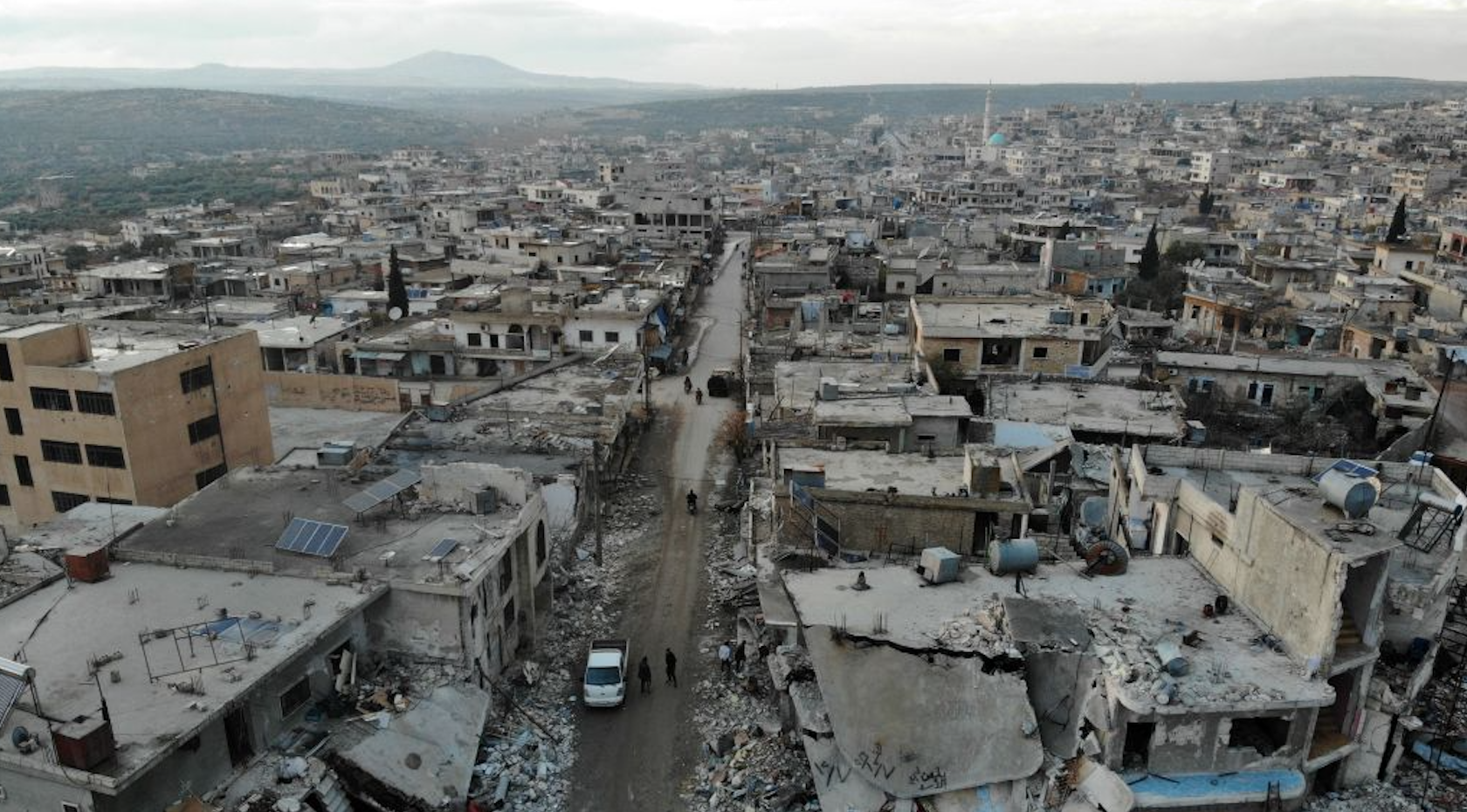
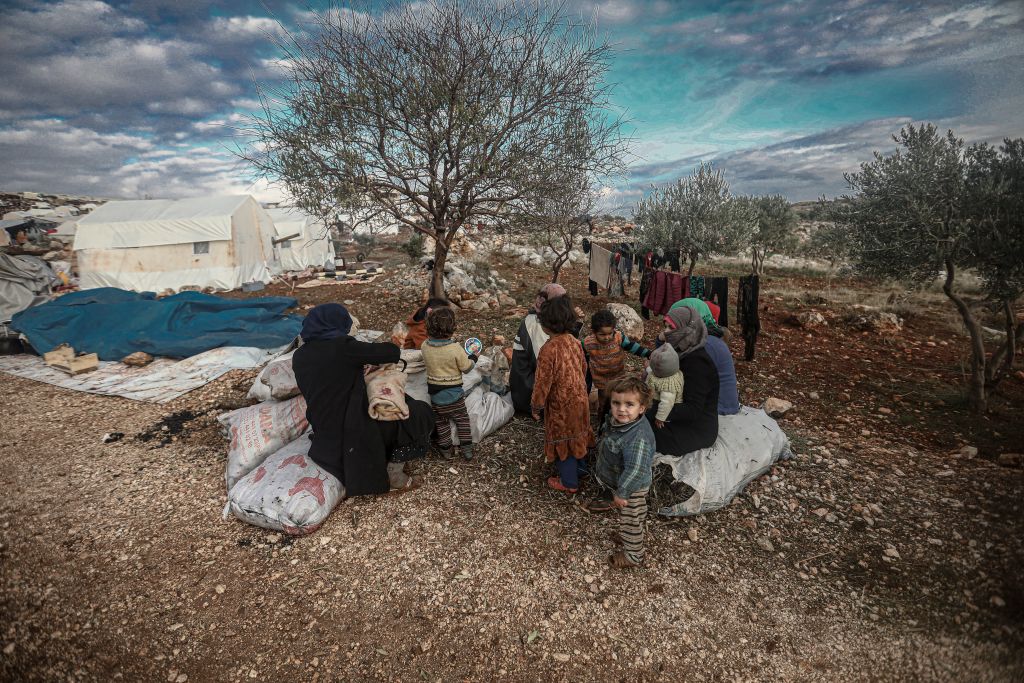
Militarily, the most concerning issue remains the fate of Idlib, where at least three million people remain crammed in a killing-zone that encompasses just 3.5 percent of Syria’s territory
The consequences of what happens in Idlib could come to define the future of Syria — a country already destined for many more years of instability and suffering.
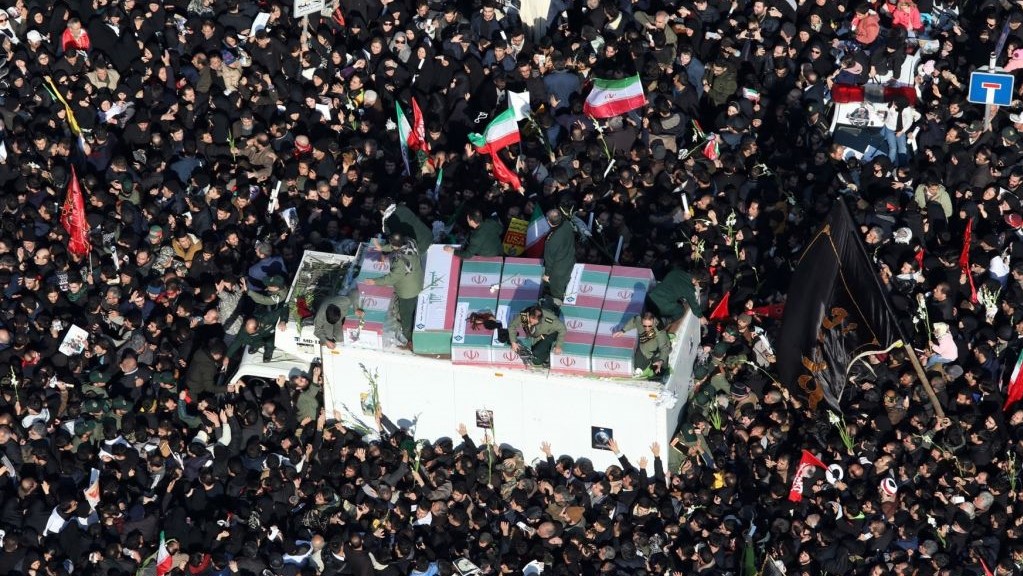
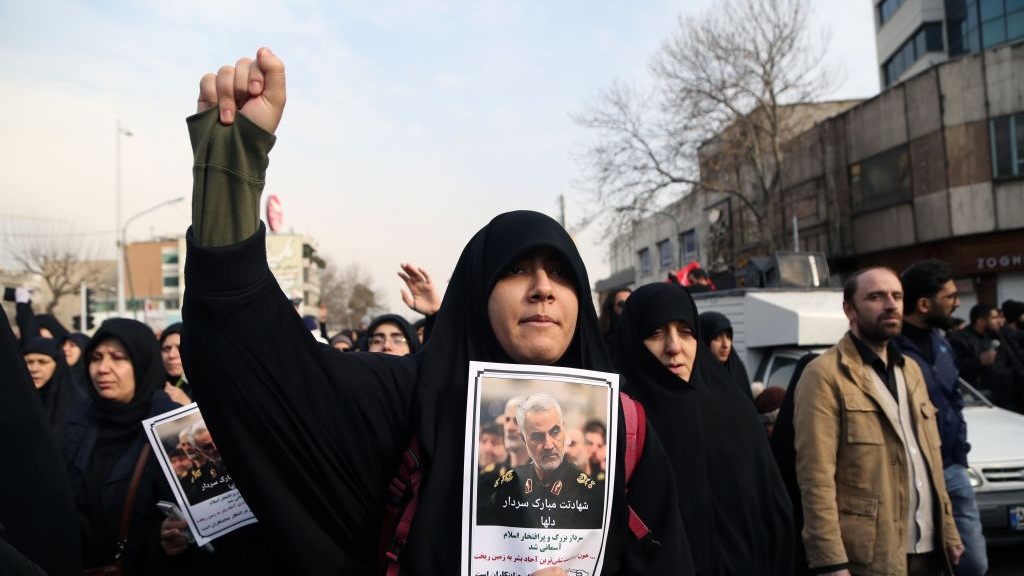
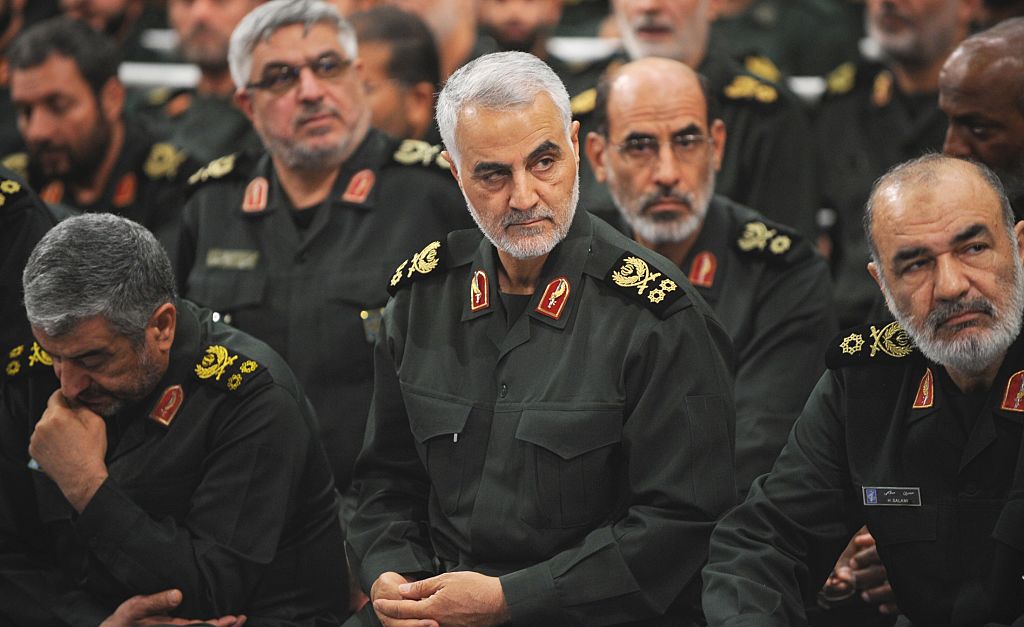
The killing of Qassem Soleimani is one of the biggest developments in the Middle East in decades — it far eclipses the deaths of Osama bin Laden or Abu Bakr al-Baghdadi in terms of strategic significance and implications.
The oldest peer-reviewed publication dedicated to the study of the modern Middle East, MEI’s flagship journal covers politics, society, and culture in the region.