Over the past several weeks, the Houthis have seized the port city of Mokha, Yemen’s western coastline, and several islands in the Bab el-Mandeb Strait, and they are now massing around Marib and Taiz in the first major frontline shift since 2022. MEI Associate Fellow Nadwa Al-Dawsari joins host Matthew Czekaj to unpack the latest developments. Together, they discuss what has allowed the Houthis to advance against Yemeni government forces, the role the militant group plays in Iran’s regional strategy, and what it will take to contain the threat.
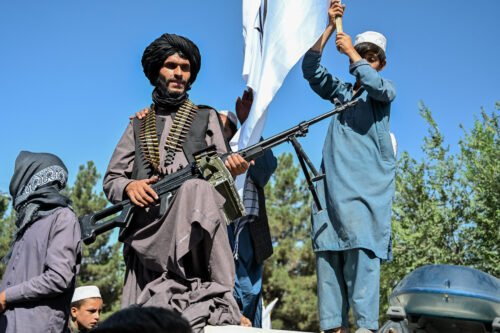
I was a teenage Afghan refugee in Pakistan’s tribal areas when the Twin Towers fell. Almost nobody around us understood the politics of what had happened, but we knew that something had changed for good. Afghanistan, which until then had been our private tragedy and our first exile from Taliban rule, had suddenly become the world’s concern, with the United States leading the response.
Though it has fallen out of the headlines because of the Iran war, Syria has had a dramatically consequential summer. Hosts Alistair Taylor and Matthew Czekaj are joined by MEI Senior Fellow Charles Lister to take stock of recent developments: the dissolution of the Kurdish-led Syrian Democratic Forces, Israeli strikes and the friction with Turkey they have exposed, the standoff in Sweida, as well as Damascus’s bid to turn Syria into a trade corridor between the Mediterranean and the Gulf. Is the transition consolidating or fragmenting nearly two years after the fall of the Assad regime?
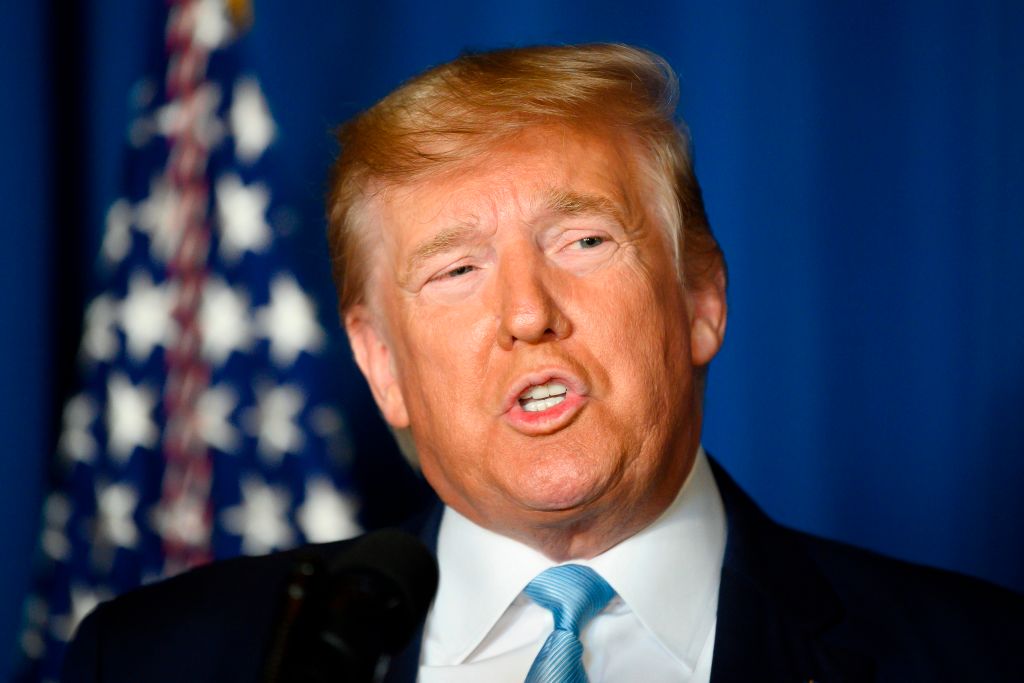
Just when we thought we had a good understanding of President Donald Trump’s Middle East policy — which boils down to “get out of the region and avoid another endless war there” — he pulls off something dramatic like this.
We must keep in mind that Iran exercises what Barack Obama liked to call “strategic patience.” They pursue strategies and tactics that serve their interests, not emotions. Their interests remain to get Trump to ease off on crippling economic sanctions; to maintain or increase their influence in Iraq, Syria, and Lebanon; and to maintain regime security at home. The death of a senior military officer of theirs is significant but doesn’t change their institutional relations, their interests, or their overall strategy.
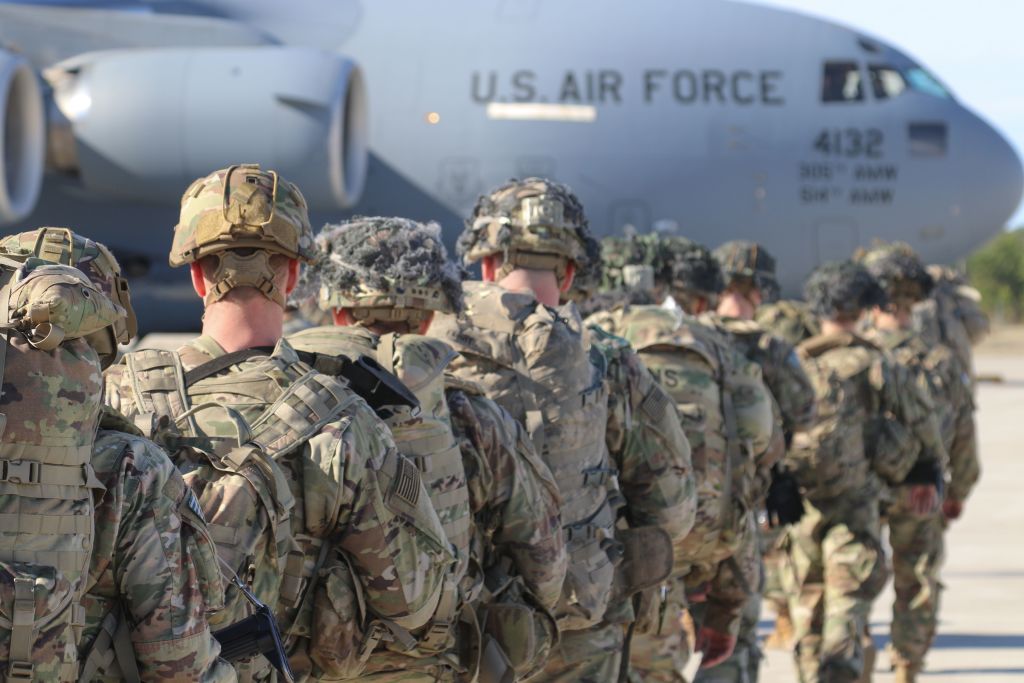
After a career in the military with a lot of time spent in this region, I have learned that you must respect your adversaries and their ability to hurt us.
In the wake of the airstrike, there have been many calls inside Iraq for restraint among Iraqis and between the Americans and the Iranians, most notably from the Shi’a clerical establishment in Najaf. There is a wide consensus in Iraq that the country should not be at the center of an American-Iranian military fight.
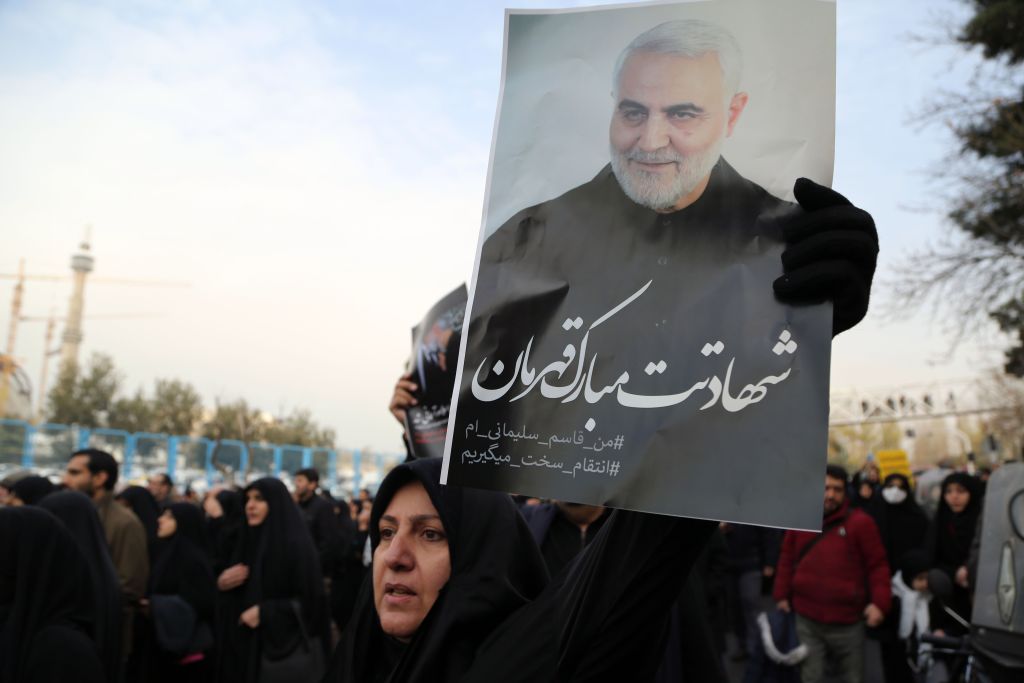
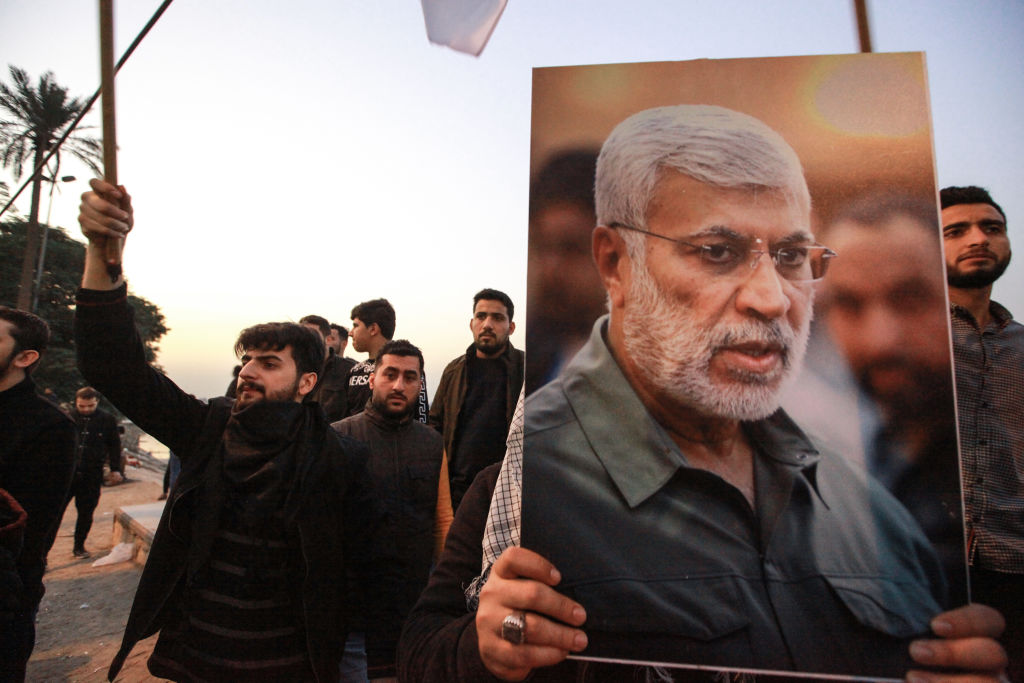
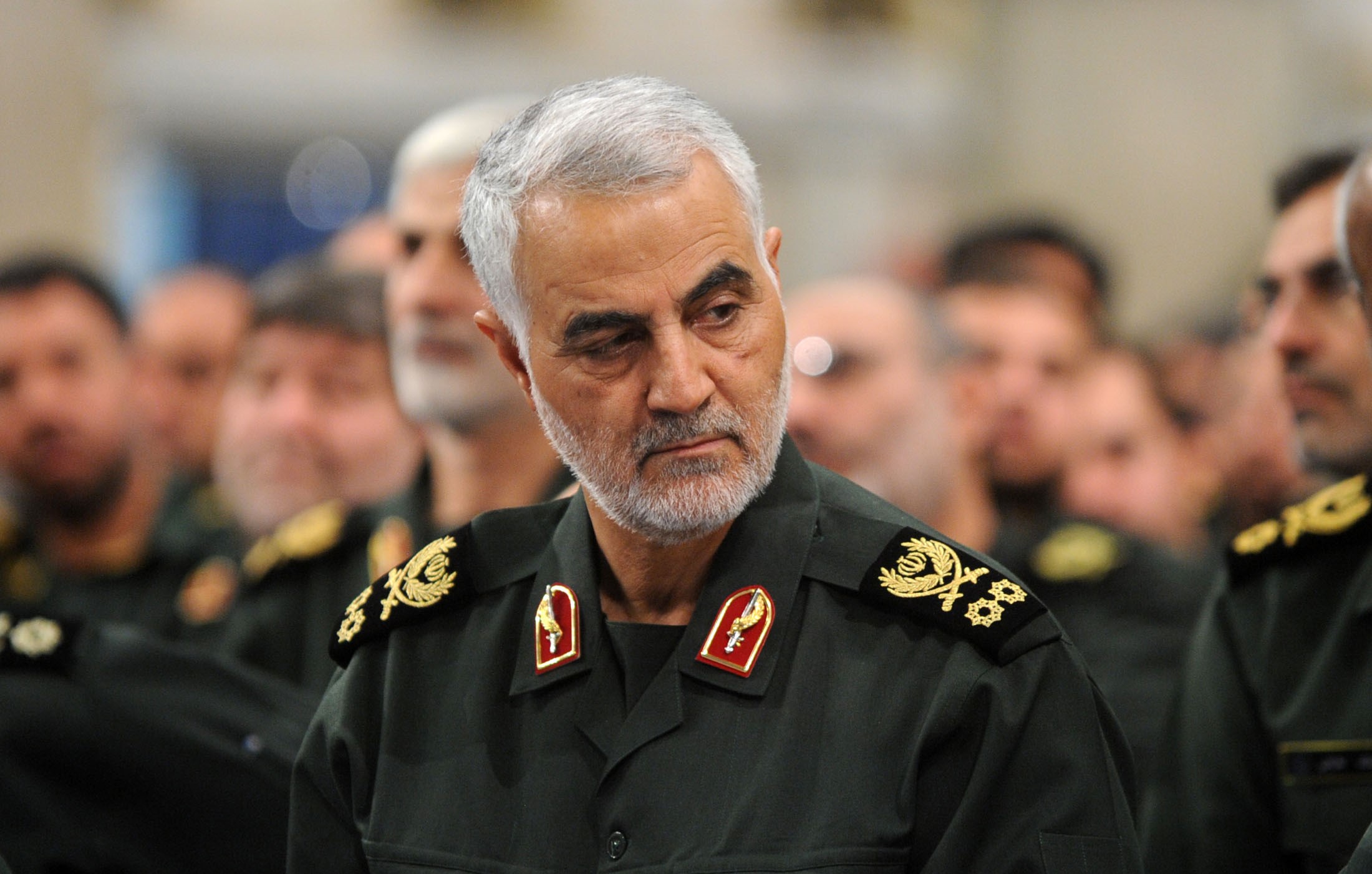
The killing of Gen. Qassem Soleimani, head of Iran’s Revolutionary Guards Quds Force, was a major and unexpected blow to the Iranian leadership. It punctured the aura of invincibility and the hubris that have characterized Soleimani and his colleagues’ behavior.
Soleimani's killing: A turning point, but not necessarily a prelude to war
No one in Tehran can now afford to test the limits of Donald Trump’s unpredictability. He is the man who for years lamented American interventions in the Middle East only to shock the Iranians by killing the leading symbol of Iran’s regional agenda.
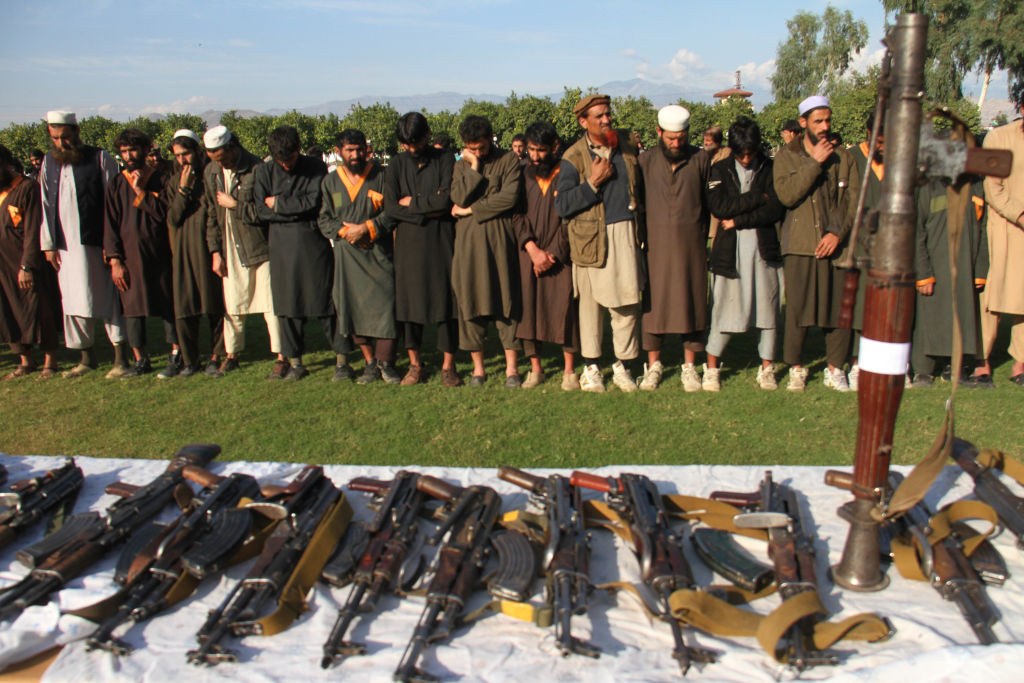
What do recent successes against ISIS mean for a US withdrawal from Afghanistan?
Afghan security forces, working in concert with U.S. airpower, have launched a series of successful attacks in eastern Afghanistan on ISIS forces, which operate locally under the banner of ISKP. Simultaneously, the Taliban has conducted its own military campaign against ISKP in the same region. These campaigns have significantly degraded ISKP’s position in eastern Afghanistan, a development that may well increase the likelihood of an eventual U.S.-Taliban peace deal.
The question as 2019 ends is whether foreign forces supporting the conflict will rethink their commitment to military victory and instead work to secure political solutions through compromise.
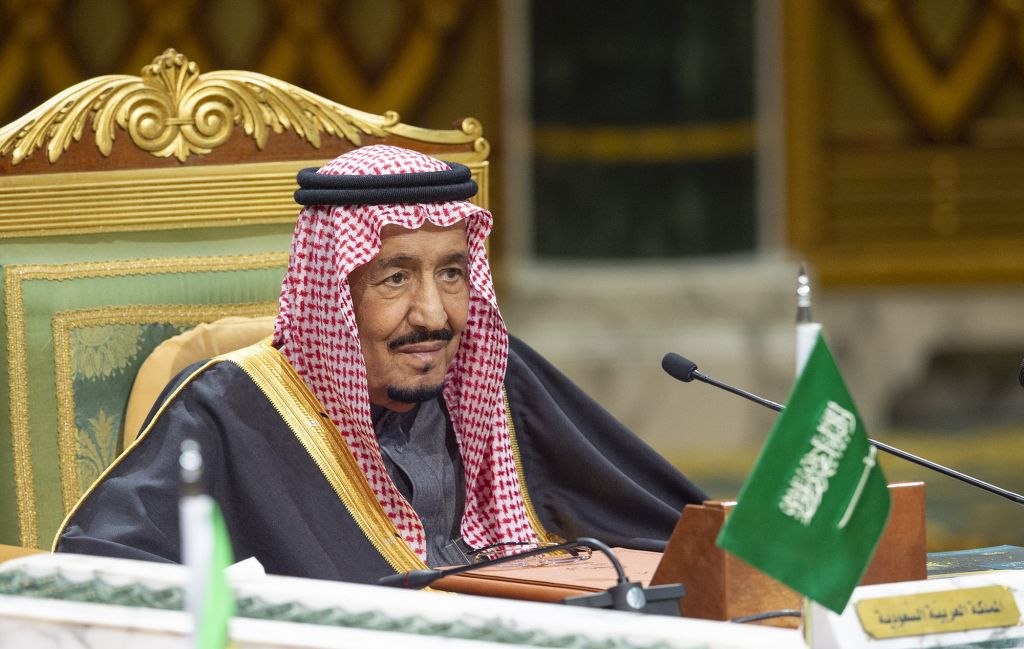
The steps the Saudis have taken in 2019 may help to ease international pressure on the kingdom’s leadership and restore its image as a constructive player in the world.
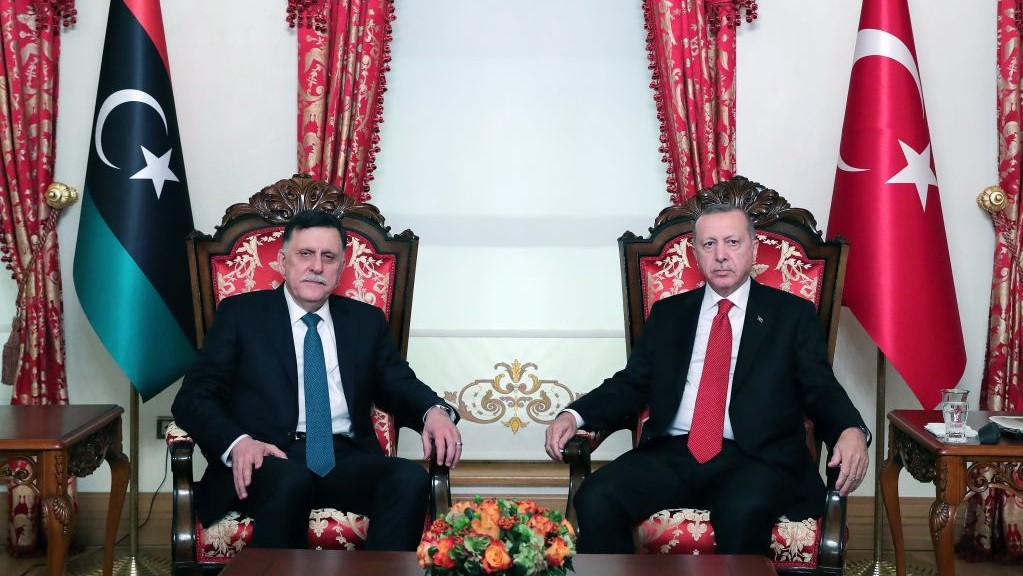
On Nov. 27 the GNA signed an MoU with Turkey seeking to create a shared maritime boundary in the Mediterranean Sea between southwestern Turkey and northeastern Libya. In an overt quid pro quo, this maritime agreement was signed along with a separate MoU to expand security and military cooperation. Thus, it seems clear that Turkey was only able to persuade the GNA to agree to the maritime deal in exchange for increased security support for the GNA-aligned forces fighting the self-styled LNA in Tripoli.
Upgrading Iran’s Military Doctrine: An Offensive “Forward Defense”
Since the 2011 “Arab Spring” uprisings, there have been several indications that Iran is shifting to an offensive military doctrine through the adoption of hybrid warfare. This essay will demonstrate that Iran’s “forward defense” doctrine emphasis on the offensive is influenced not simply by the “window of opportunity” created by regional upheaval but by a dispute about the domestic politics of the Islamic Republic between the radical Islamic Revolution Guards Corps (IRGC) and the reform camp within the regime currently represented by President Hassan Rouhani. This development represents a marked setback for the “civilianization” of the Iranian state.
The oldest peer-reviewed publication dedicated to the study of the modern Middle East, MEI’s flagship journal covers politics, society, and culture in the region.