Skip to Content

Energy

Special Episode: Saudi Oil After the East-West Pipeline Attack
  • Podcast
  • Special Episode: Saudi Oil After the East-West Pipeline Attack

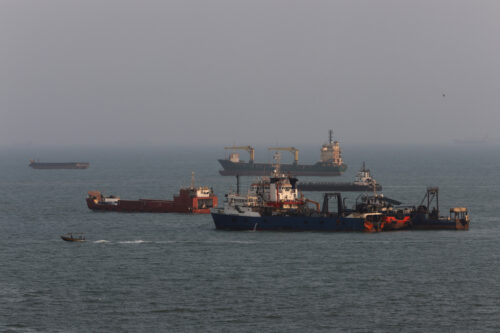
    Saudi Arabia’s East-West pipeline is back in operation after a drone attack from Iraq, blamed on Iran-backed militias, shut it down for nearly two weeks. The pipeline is the kingdom’s main way to export oil while the Strait of Hormuz is closed, so the shutdown dealt another blow to global energy markets. How vulnerable is this route, and what does that mean for the kingdom and the world economy? This episode of Middle East Focus features a recent MEI Virtual Briefing in which Director of Communications Zeina Al-Shaib is joined by MEI Senior Fellow Colby Connelly and MEI Affiliate Yesar Al-Maleki. They examine the new geopolitical risks facing the oil market, what further losses of global supply could mean for Saudi Arabia and the world economy, and which buffers outside the Persian Gulf could ease the pressure.
    October 1, 2026

    Gulf Political Economy: The Cost of Accommodating Iran
  • Analysis
  • Gulf Political Economy: The Cost of Accommodating Iran

    There may be no near-term resolution to the conflict between the United States, Israel, and Iran. The cease-fire and memorandum of understanding (MoU) signed on June 18  have broken down, there is little diplomatic engagement, and new flare-ups in early September indicate a further round of escalation. Gulf states may have no choice but to protect their assets and populations while trying to deter Iran by finding mechanisms of both containment and accommodation.

    Gulf Energy Markets: The Region’s Edge Will Survive — At a Price
  • Analysis
  • Gulf Energy Markets: The Region’s Edge Will Survive — At a Price

    Across the Gulf, views differ widely on how the Iran war can and should end, and what the region will look like once it does. Yet on the crisis over the closure of the Strait of Hormuz, the view is near-unanimous that a repeat is not only possible but likely. That expectation, more than any single incident over the past year, is becoming a major driver of decision-making in industry and policy circles alike.

    Filter by
    401 Results
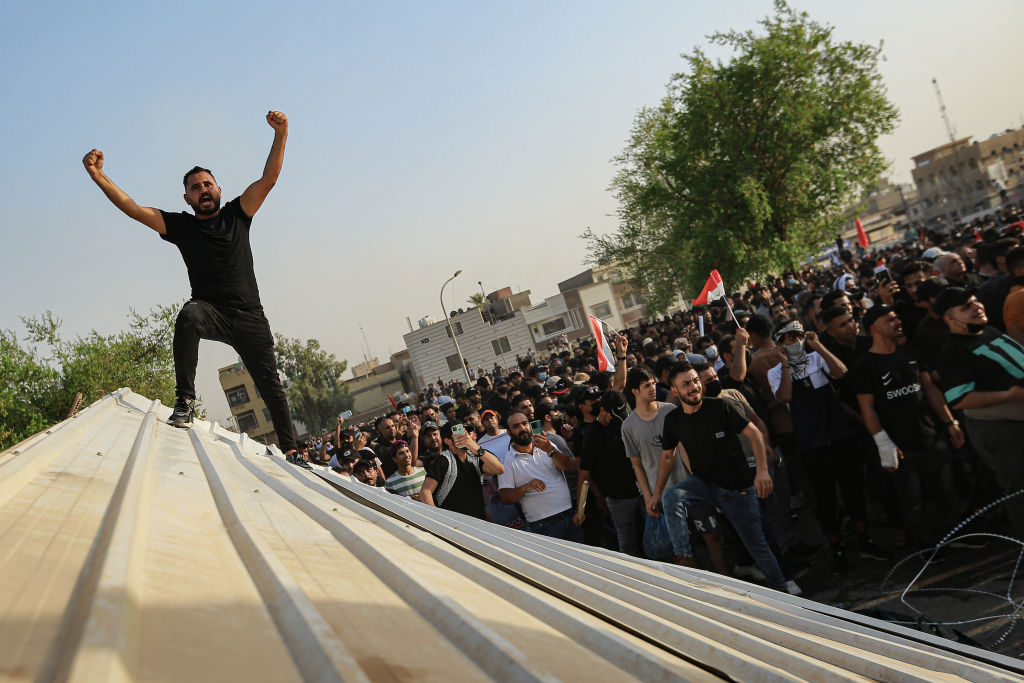
    OPEC+: Neither with the West, nor with the East
    Photographer: Simon Dawson/Bloomberg via Getty Images
  • Analysis
  • OPEC+: Neither with the West, nor with the East

    Under current, highly unpredictable market conditions, it is unreasonable for OPEC to make sharp movements to saturate the oil market or withdraw a significant number of barrels from it to meet divergent Western interests of lowering prices and punishing Russia.

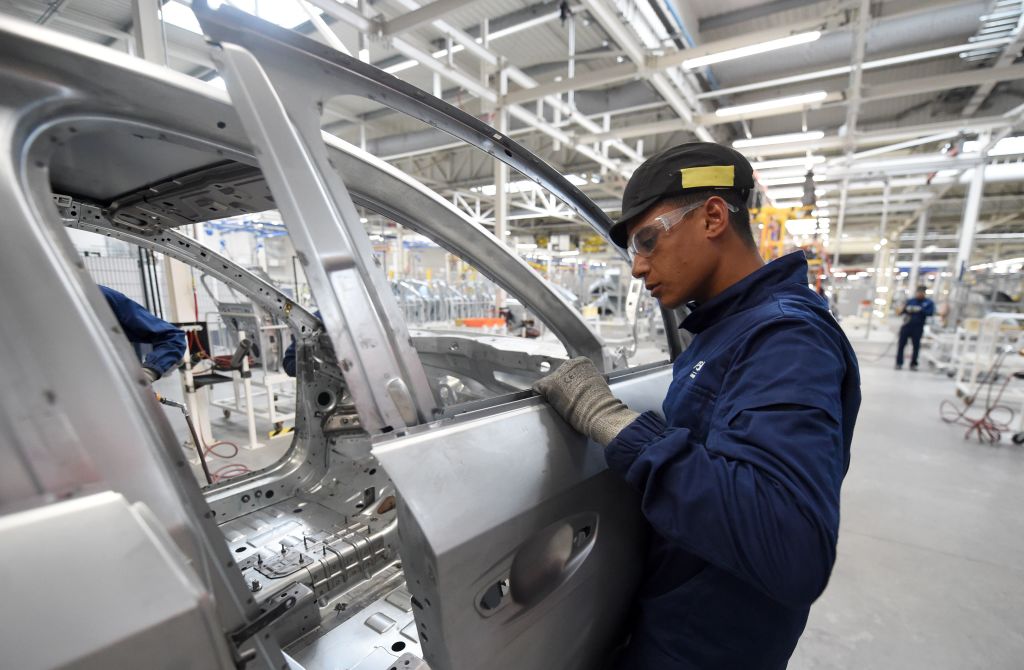
    Morocco’s green mobility revolution: The geo-economic factors driving its rise as an electric vehicle manufacturing hub
    Photo by BALINT PORNECZI/Bloomberg via Getty Images
  • Analysis
  • Morocco’s green mobility revolution: The geo-economic factors driving its rise as an electric vehicle manufacturing hub

    Rabat’s recent announcement that it would soon sign an agreement for the construction of a “gigafactory” to make electric vehicle (EV) batteries has placed Morocco in pole position to become a green mobility leader in the Middle East and North Africa.

    Iran-Venezuela relations: Presidents, postures, and pressures
    Photo by Iranian Presidency / Handout/Anadolu Agency via Getty Images
  • Analysis
  • Iran-Venezuela relations: Presidents, postures, and pressures

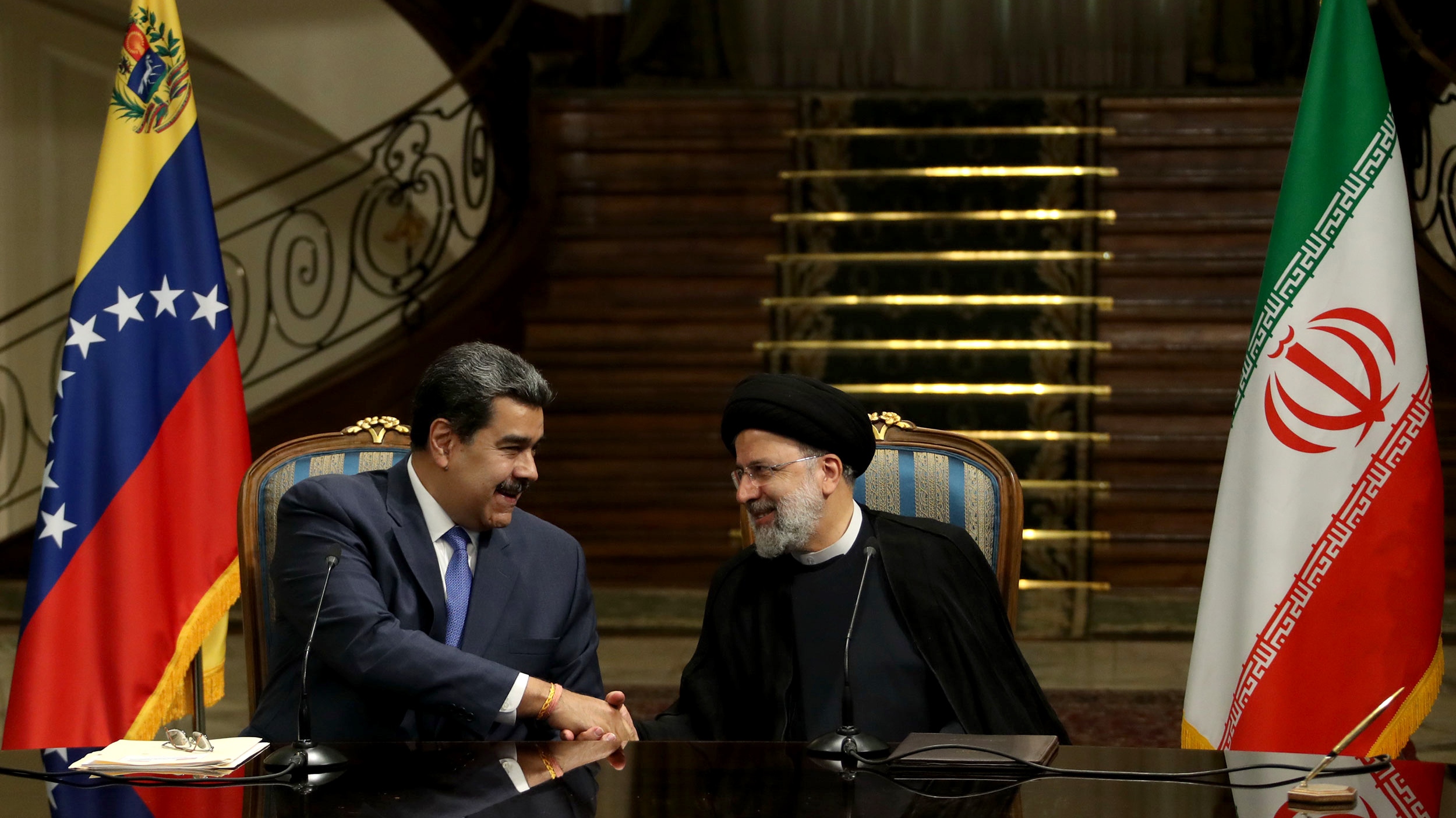
    In June, Iran and Venezuela signed a 20-year road map on cooperation. As much as Iranian President Ebrahim Raisi has wanted to differentiate himself from his predecessor, his Venezuela policy has so far closely resembled that of Hassan Rouhani during the latter’s second term.

    August 22, 2022

    Gulf economies should use the available fiscal space to ensure a soft landing
    Photo by Wang Dongzhen/Xinhua via Getty Images
  • Analysis
  • Gulf economies should use the available fiscal space to ensure a soft landing

    After achieving respectable growth in 2021, the GCC member states now face the risk of monetary (over) tightening due to the need to follow the U.S Federal Reserve’s interest rate adjustments. These increases are not warranted, however, as the GCC economies currently face relatively moderate inflation. Instead, they should use the available fiscal space to mitigate the negative fallout of monetary tightening and make greater use of PPPs for future infrastructure development.

    August 9, 2022

    Egypt’s President Sisi makes a comeback on the world stage with a three-stop European tour
    Photo by Antoine Gyori, Corbis via Getty Images
  • Analysis
  • Egypt’s President Sisi makes a comeback on the world stage with a three-stop European tour

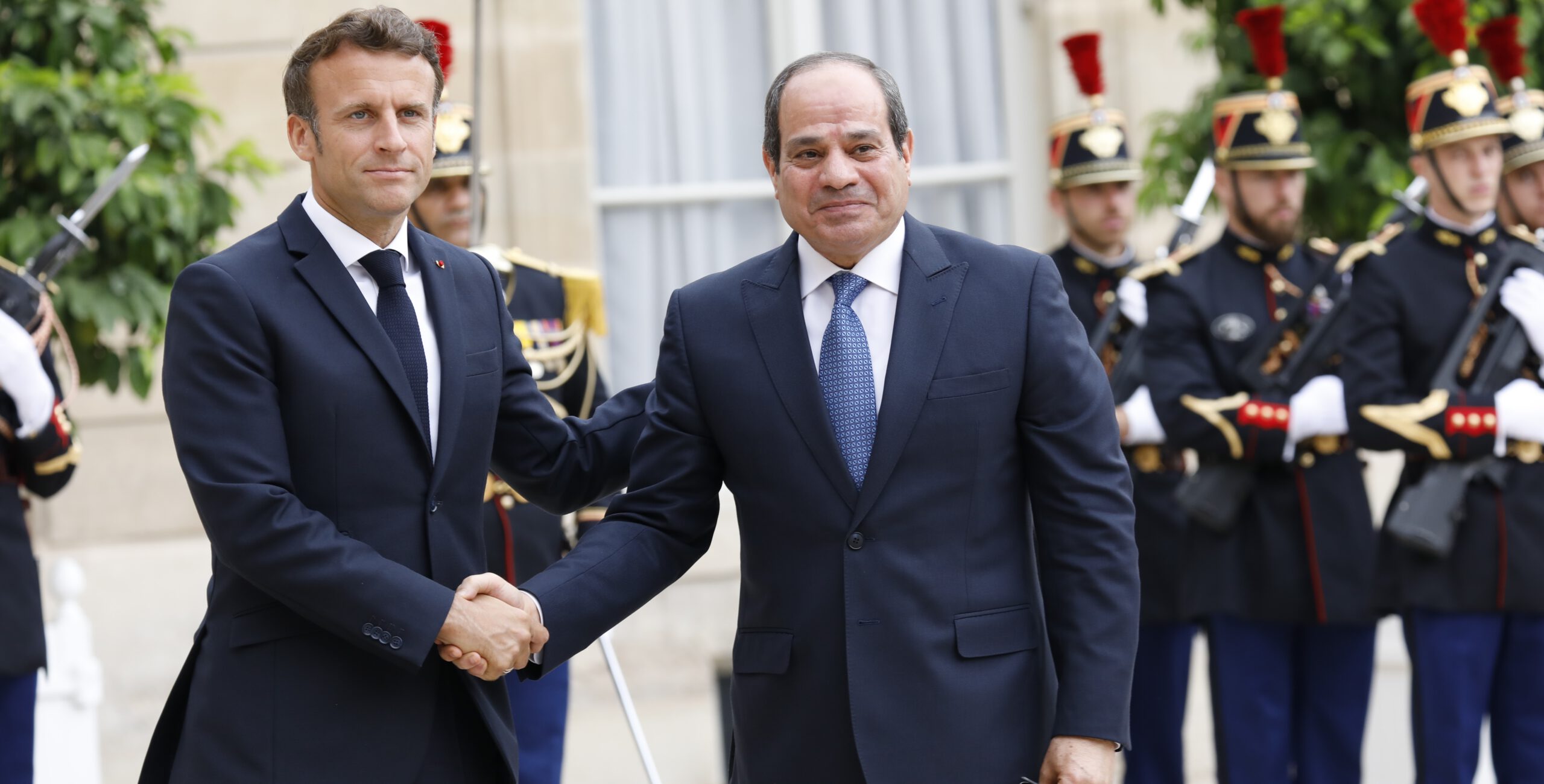
    Egyptian President Abdel-Fattah el-Sisi’s recent, six-day European tour, which took him to Germany, Serbia, and France, aimed to boost his image and status as a central player on the world stage despite widespread criticism of his regime’s human rights record.

    August 5, 2022

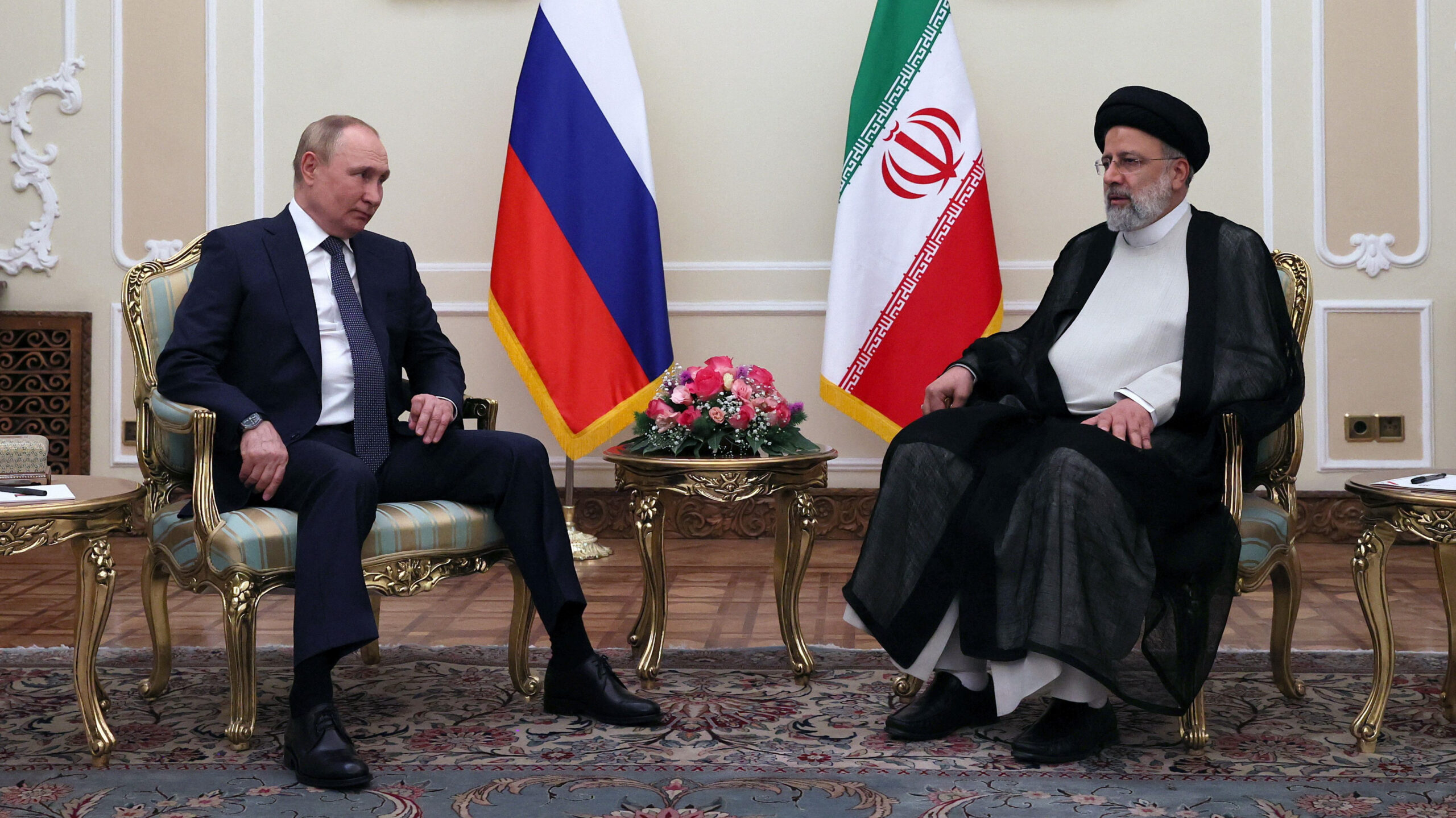
    Putin’s visit to the Islamic Republic: Bringing Iran closer to Russia while building long-term leverage over Tehran
    Photo by SERGEI SAVOSTYANOV/SPUTNIK/AFP via Getty Images
  • Analysis
  • Putin’s visit to the Islamic Republic: Bringing Iran closer to Russia while building long-term leverage over Tehran

    Russian President Vladimir Putin’s July 19 visit to Tehran will have important repercussions for the region’s evolving security environment as well as the trajectory of Iranian-Russian relations more specifically. Although officially billed as seeking to revive the “Astana peace process” on Syria, the significance of the trip has less to do with the trilateral meeting between Iran, Russia, and Turkey and more with the deepening of ties between Moscow and Tehran.

    August 1, 2022

    Germany’s Expanding Partnership with Morocco: Strengthening Supply Chain Resilience is the Driving Factor
  • Commentary
  • Germany’s Expanding Partnership with Morocco: Strengthening Supply Chain Resilience is the Driving Factor

    The deepening partnership between Germany and Morocco has been driven by the private sector, providing an enduring foundation for cooperation. During the 2021 diplomatic crisis over Berlin’s position toward Rabat’s autonomy plan for the Sahara region, German-Moroccan business-to-business relationships remained largely unaffected. The fraying of global supply chains is bringing now Germany and Morocco into a closer economic partnership. The sudden supply shocks caused by Russia’s war against Ukraine have accelerated that process. In the years just prior to the COVID-19 pandemic, global supply chains were already shortening as companies and countries in Europe placed greater emphasis on resilience rather than on just-in-time inventories serviced by distant Asian suppliers. This structural transformation meant bringing sourcing and manufacturing closer to European end-markets. The drive to “nearshore” while maintaining a competitive advantage has provided an impetus to German and other international firms to locate manufacturing facilities in Morocco, which has focused on cultivating an appropriate business ecosystem.

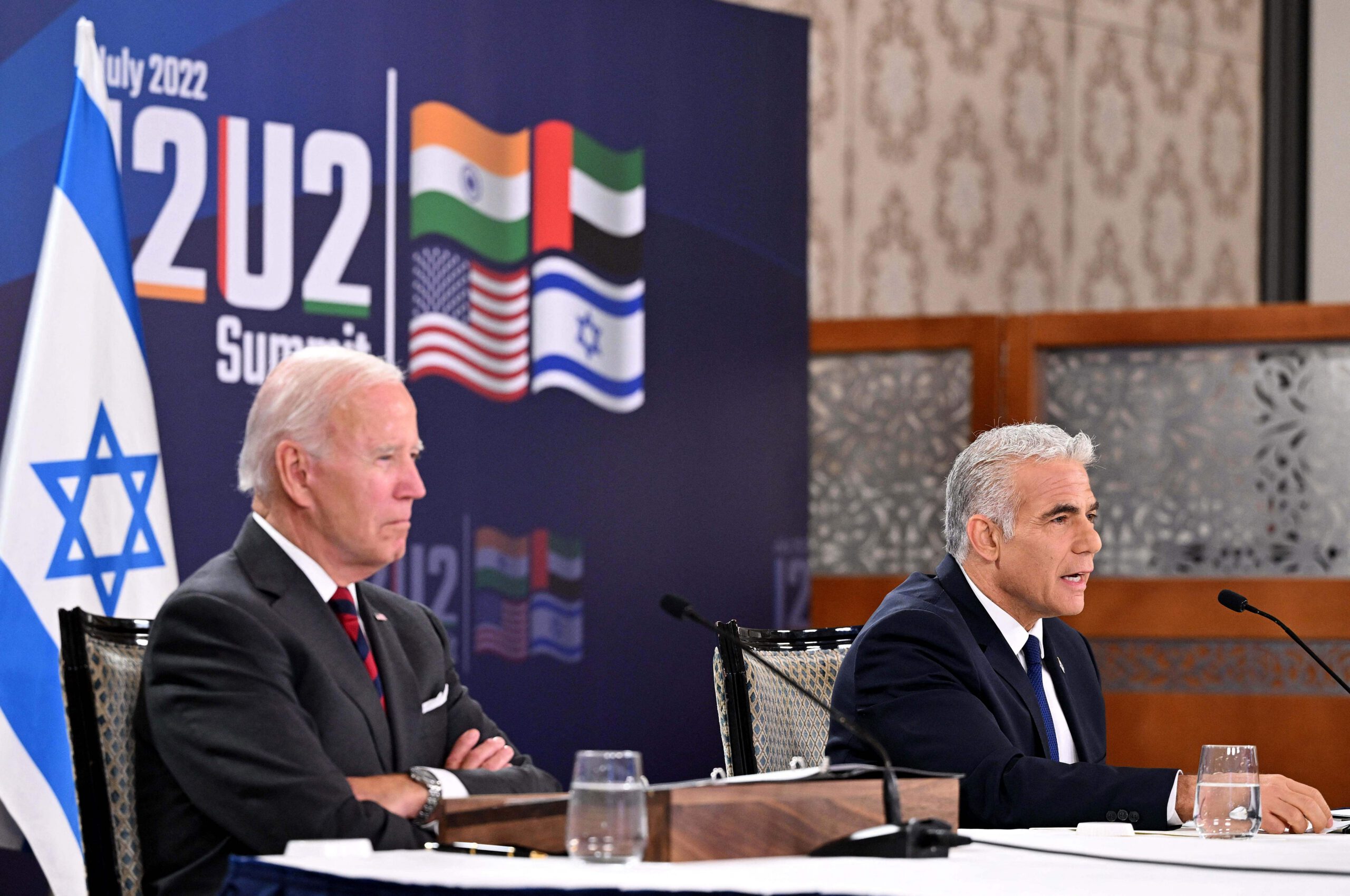
    The India-Middle East Food Corridor: How the UAE, Israel, and India are forging a new inter-regional supply chain
    Photo by MANDEL NGAN/AFP via Getty Images
  • Analysis
  • The India-Middle East Food Corridor: How the UAE, Israel, and India are forging a new inter-regional supply chain

    The India-Middle East Food Corridor developed organically among the three Asian countries themselves, through private sector, joint venture investments carefully cultivated via bilateral public-private partnerships. The United States’ participation in the corridor could prove beneficial as the U.S. seeks to bolster its presence in the strategic architecture of the Indo-Pacific.

    Ukraine’s critical minerals and Europe’s energy transition: A motivation for Russian aggression?
    Photo by Jens Büttner/picture alliance via Getty Images
  • Analysis
  • Ukraine’s critical minerals and Europe’s energy transition: A motivation for Russian aggression?

    Russia’s war launched on February 24, 2022, may have partly been motivated by Ukraine’s large reserves of critical metals and their global strategic importance in the production of advanced “green” energy technologies. The cutoff of access to Ukrainian sources, combined with the nature of the partnership between Moscow and Beijing — with China being the largest supplier of the necessary critical minerals — could endanger the very notion of the West’s energy transition.

    July 21, 2022

    Monday Briefing: Biden’s realist roadshow
  • Commentary
  • Monday Briefing: Biden’s realist roadshow

    Read MEI’s weekly briefing featuring expert analysis of key regional developments for the week ahead.

    July 18, 2022

    Read the Middle East Journal

    The oldest peer-reviewed publication dedicated to the study of the modern Middle East, MEI’s flagship journal covers politics, society, and culture in the region.