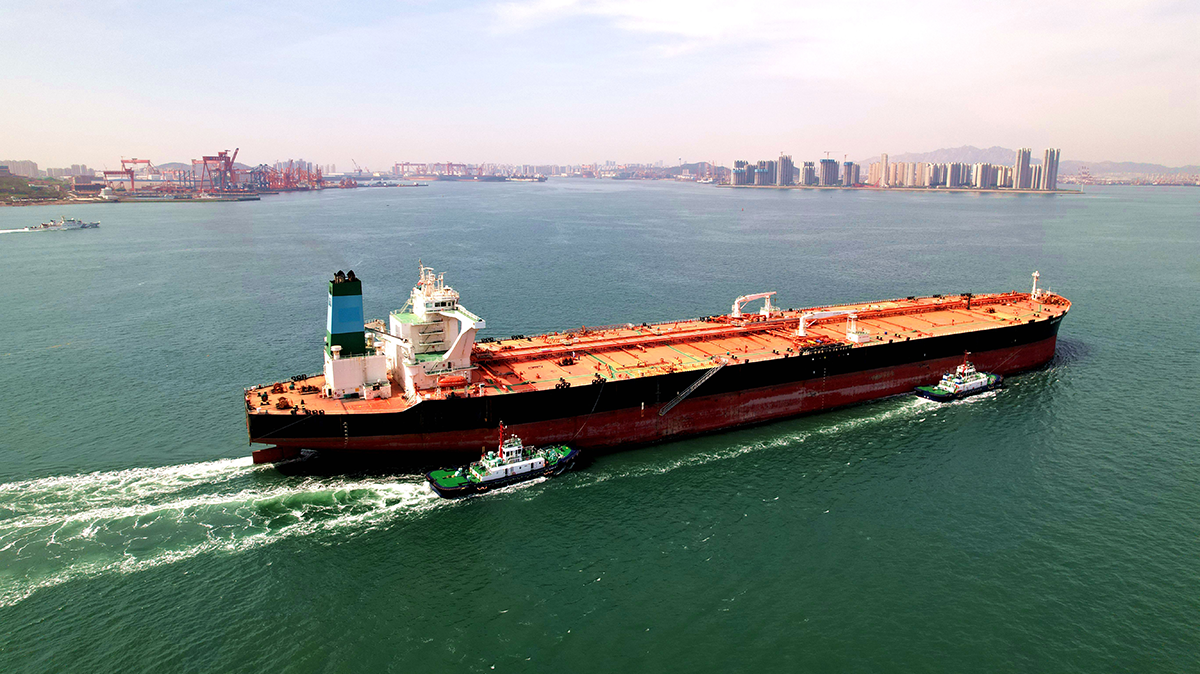
MENA Energy Recap, Q2-2026: Mideast Energy Confronts its Hormuz Era
The MENA Energy Recap is a quarterly review of key energy developments that took place in the region from April through June of 2026 and what they signal in the months ahead. The Recap views these developments through the lens of policy and strategy, energy security, and markets.
The Other MoU: Launching a Europe-Gulf Resilience Initiative After the US-Iran Deal
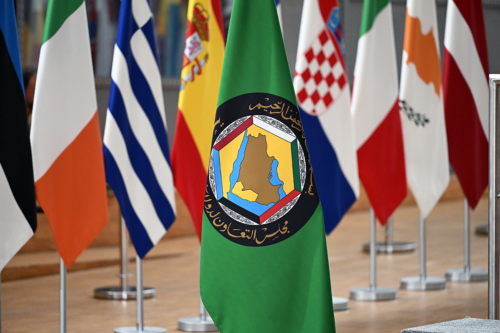
The Islamabad Memorandum of Understanding (MoU) between the United States and Iran may have ended one of the most consequential Middle Eastern crises in decades, but it has not resolved the strategic problem it exposed. Whether the 60-day talks it set in motion will produce a final agreement remains far from certain.Yet the central lessons are already clear: Iran has preserved significant leverage, Washington has had to scale back its ambitions, and Europe and the Gulf face the prospect of protracted regional tension. Europe and the Gulf should therefore use the aftermath of the US-Iran deal to articulate their own “other MoU”: a Europe-Gulf Resilience initiative.
When Will Energy Markets Recover From the Iran War?
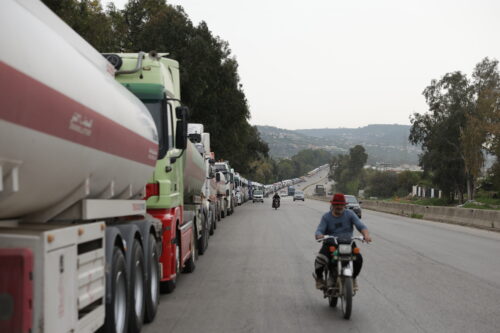
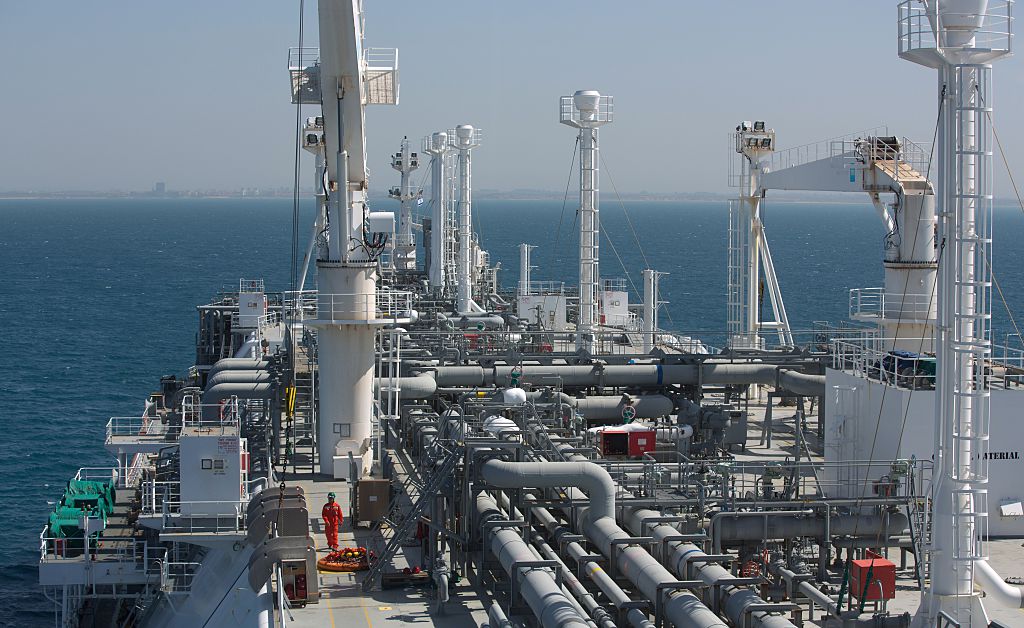
Two and a half months into the blockade of the Strait of Hormuz, what lessons can markets draw from the resulting global energy shock? Colby Connelly, MEI Senior Fellow, joins hosts Alistair Taylor and Matthew Czekaj to assess the crisis’s impact on the energy industry. Together, they examine how producers are responding to the conflict in both the short and long term, how this moment differs from past energy disruptions, and how regional reverberations may shape international energy policies going forward.
Mid-term election success will tempt the American president to go for quick wins, but he must enter into talks with an eye on the global demand for energy
New opportunities in gas production to define future of Middle East energy giants
While there will continue to be a market for oil and associated petrochemical products for some time to come, the short- and medium-term opportunities in gas production will be transformational for some MENA states.
Qatar strengthens ties with international energy players through North Field East Project
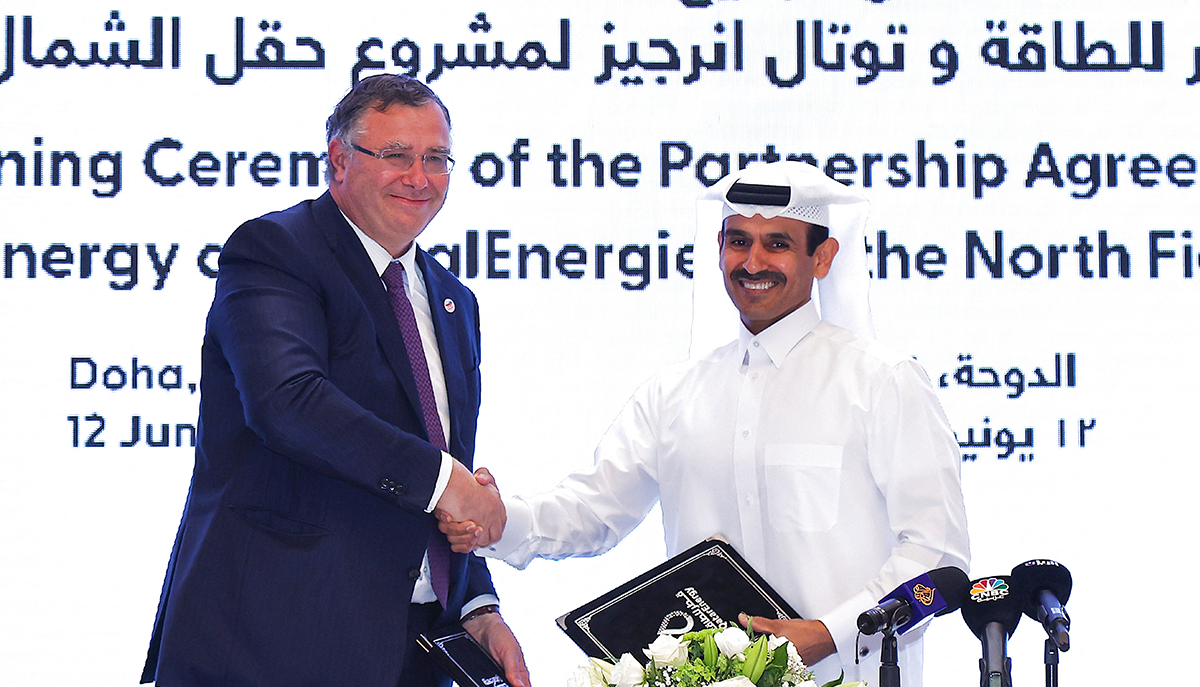
Throughout the month of June, Qatar Energy, the state-owned energy company responsible for delivering the newly named North Field East Project, captivated the attention of global energy players. After more than six months of bid evaluation, the Qataris have selected the partners in the drive to expand their LNG capacity. While all partners have minor interests, the Qataris have publicly secured participation from representative Western energy players.
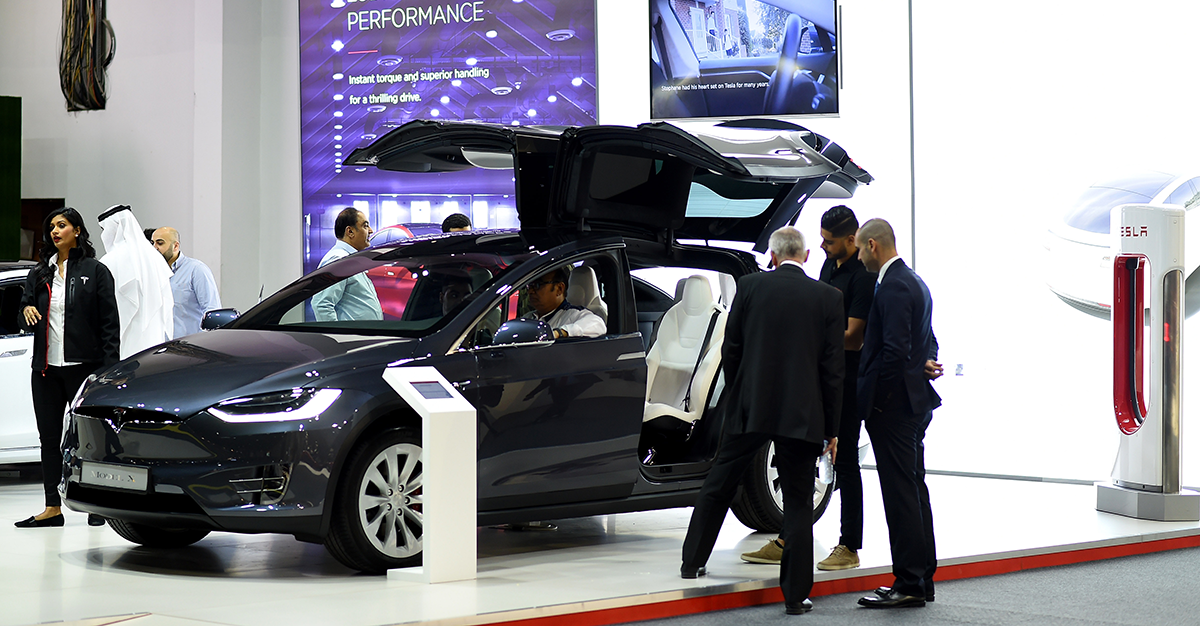
“Get an electric vehicle!” This might be the first idea that comes to mind when considering how to reduce carbon dioxide emissions from transportation at the community level. Fossil fuels are widely recognized as a significant source of emissions due to the large amount of carbon dioxide they produce when burned, but what about the emissions associated with electric vehicles?
أُخُوة يخنقها العداء: التنافس الجزائري المغربي وتحديات الاندماج المغاربي
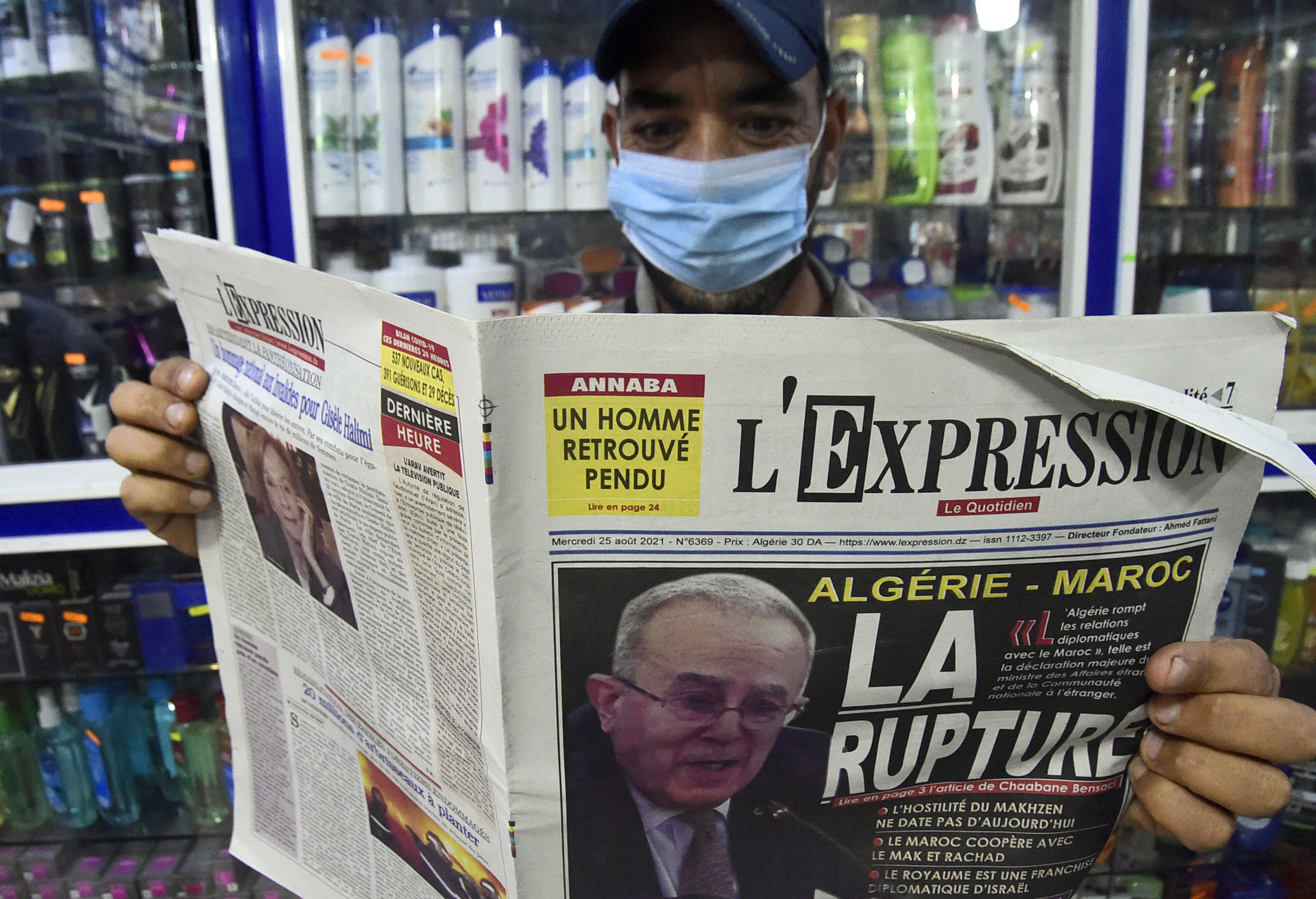
صَدم وزير الخارجية الجزائري، رمطان لعمامرة، العالم بإعلانه القطع المفاجئ للعلاقات الدبلوماسية بين الجزائر والرباط، بعد ثلاثة عقود من تجاور بارد بين القوتين المغاربيتين. واتهم لعمامرة، في بيان رسمي، تلاه أواخر أغسطس/آب 2021، المغرب بالتخلي عن التزامه بتنظيم استفتاء لتقرير المصير في الصحراء الغربية، من بين ما أسماه “أعمال عدائية ومشينة” أخرى ارتكبها ضد الجزائر.
Brothers at arm’s length: Moroccan-Algerian rivalry and the challenge of Maghrebi integration
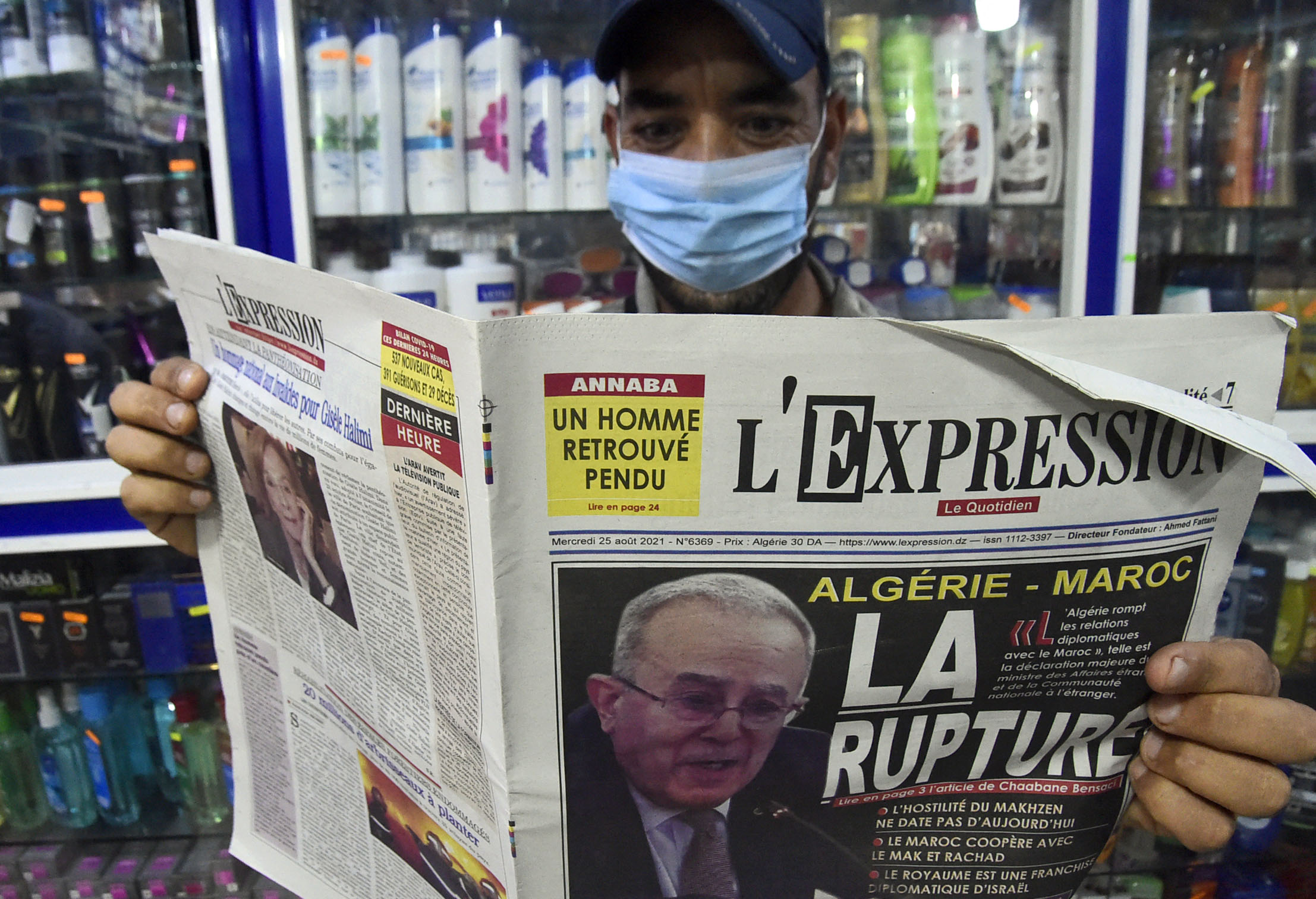
In late August 2021, Algerian Minister of Foreign Affairs, Ramtane Lamamra, shocked the world by abruptly severing diplomatic relations with Rabat after three decades of a cold modus vivendi between the two Maghrebi powerhouses. In an official statement, Lamamra accused Morocco of abandoning its commitment to organizing a referendum for self-determination in Western Sahara, among other “hostile and despicable acts” against Algeria.
Economic Diversification and Energy Transition in Iraq and the Gulf
To identify pathways to deal with demands for economic reform and volatility in resource revenue in Iraq, in November 2021 the Middle East Institute (MEI) and Iraq Policy Group (IPG) convened a high-level workshop on the side-lines of the American University of Kurdistan’s annual Middle East Peace and Security Forum. This report provides the insights and analyses of a select group of participants, and forms part of a series of forthcoming Iraq- and Gulf-focused reports and initiatives that MEI and IPG will be convening.
Bridging the Cost Gap: Three Labor Policies to Close the Wage Gap Between Saudi and Foreign Labor
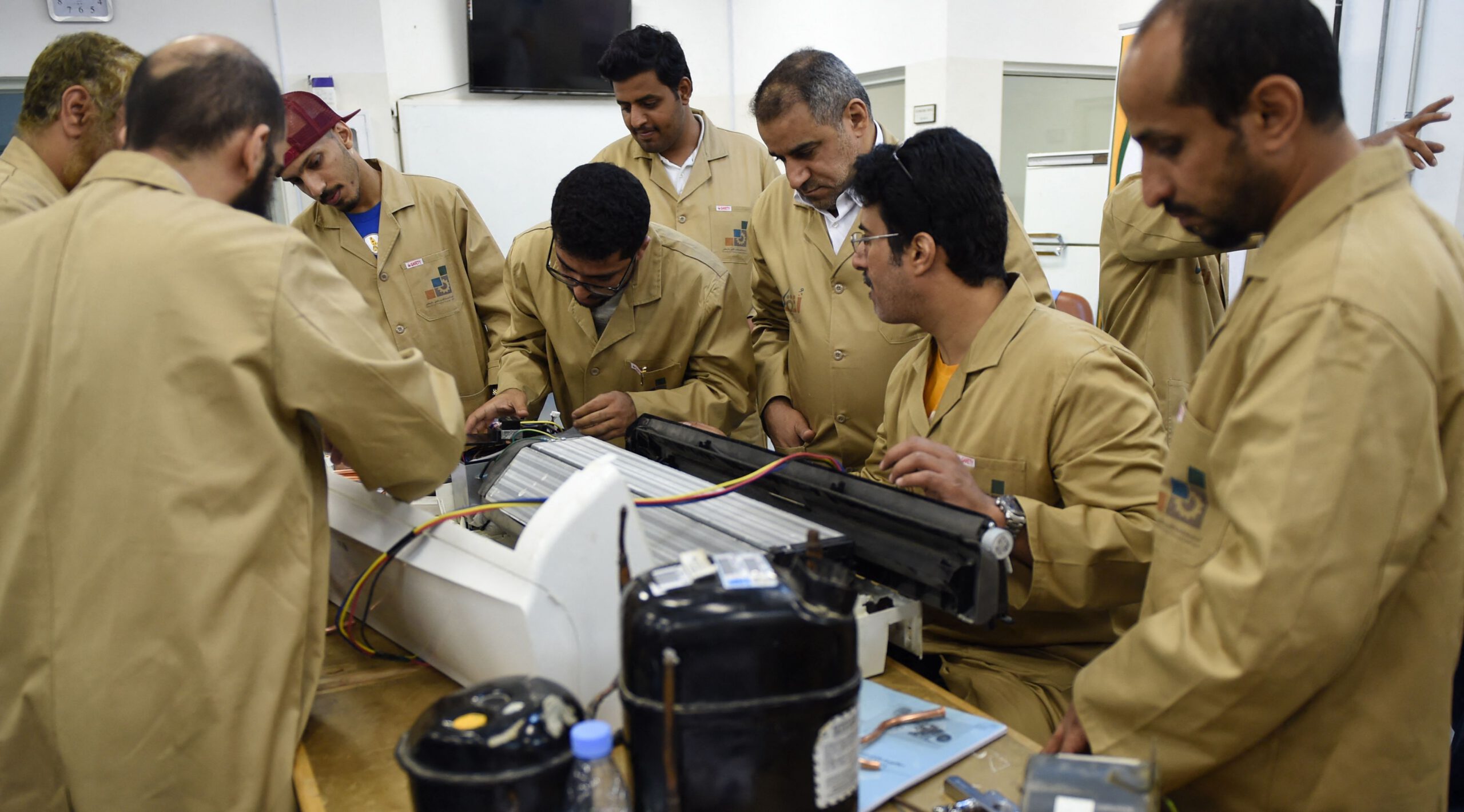
Since the launch of Vision 2030 six years ago, Saudi Arabia has made considerable progress in reducing the labor-cost gap between national and foreign workers in the private sector. While the total unemployment rate has declined recently among nationals, it remains high at 11%. Drawing on evidence from Bahrain’s experience with labor market reform, this can be significantly reduced through policies designed to bridge the cost gap between citizens and foreign labor in the private sector.
Turkey: A new emerging gas player with resources and infrastructure
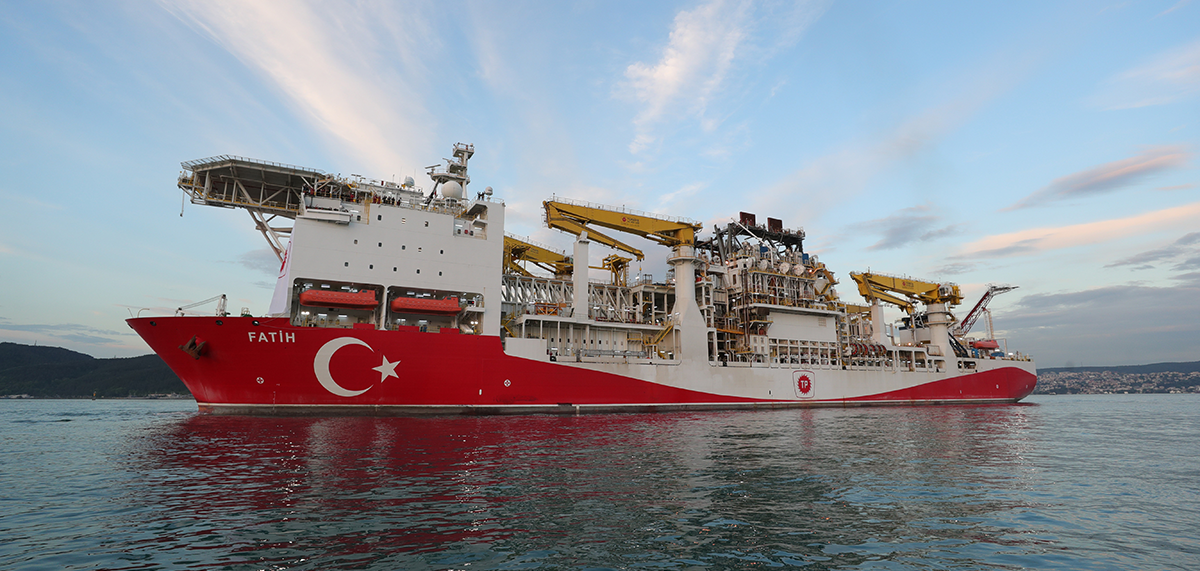
With its recent deepwater exploration success in the Black Sea and prominent geographic location for interregional hydrocarbon pipelines, Turkey can play a material role in shaping the geopolitical landscape today, especially in the natural gas sector. The country will face a strategic conundrum, whether to utilize newly discovered gas resources entirely for domestic needs and thereby reduce gas imports that come with political baggage as well as foreign currency expenditures, or export gas to capture foreign revenue that Ankara desperately needs.
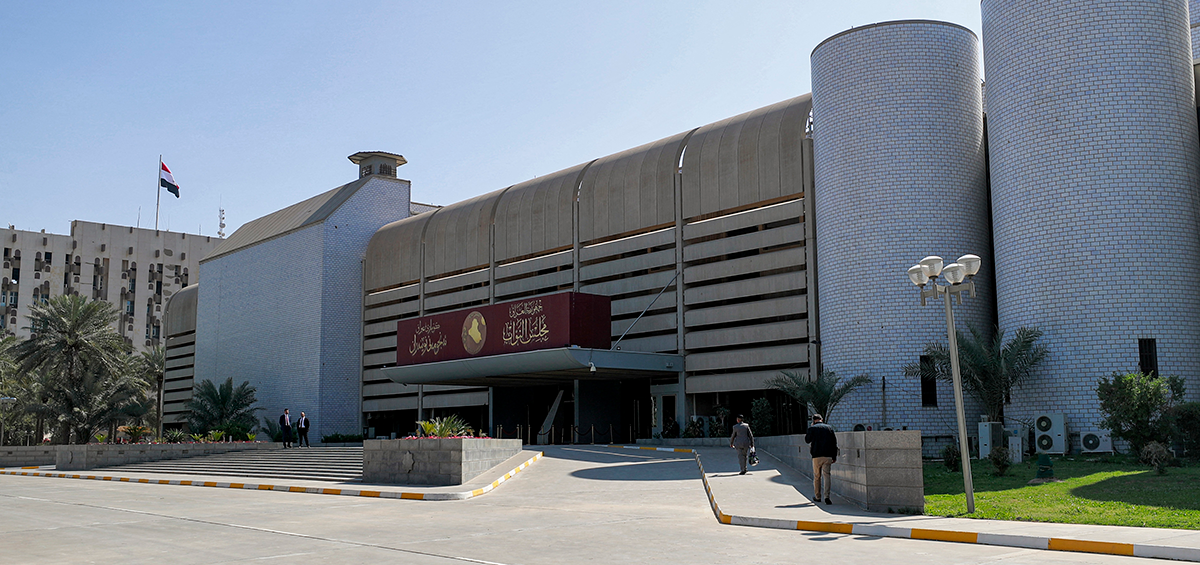
Iraq once again leaps into the void, but not before political elites secure funding
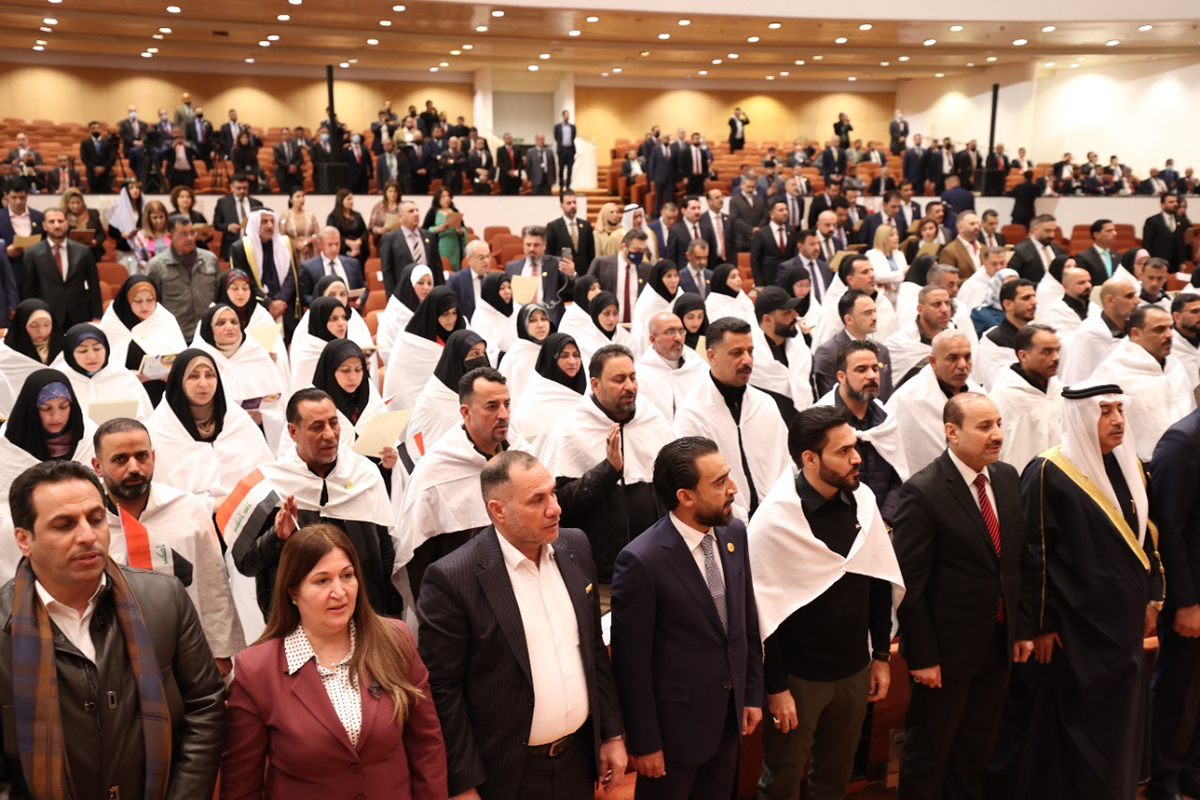
For Iraqis, two key events last week will shape the rest of this year, but hopefully not many more to come. First, on June 8 the divided parliament voted in surprising harmony to pass the so-called “Food Security and Development Bill,” a controversial piece of legislation with a $17 billion price tag. Second, this was followed, almost overnight on June 9, by a call from firebrand populist Shi’a cleric Muqtada al-Sadr to lawmakers loyal to his movement to “prepare their resignations.” On June 12, the 73 MPs of the Sadrist Movement tendered their resignations, and Iraq leapt even deeper into the void of political uncertainty.
Morocco counters Russia’s weaponization of the food-energy nexus
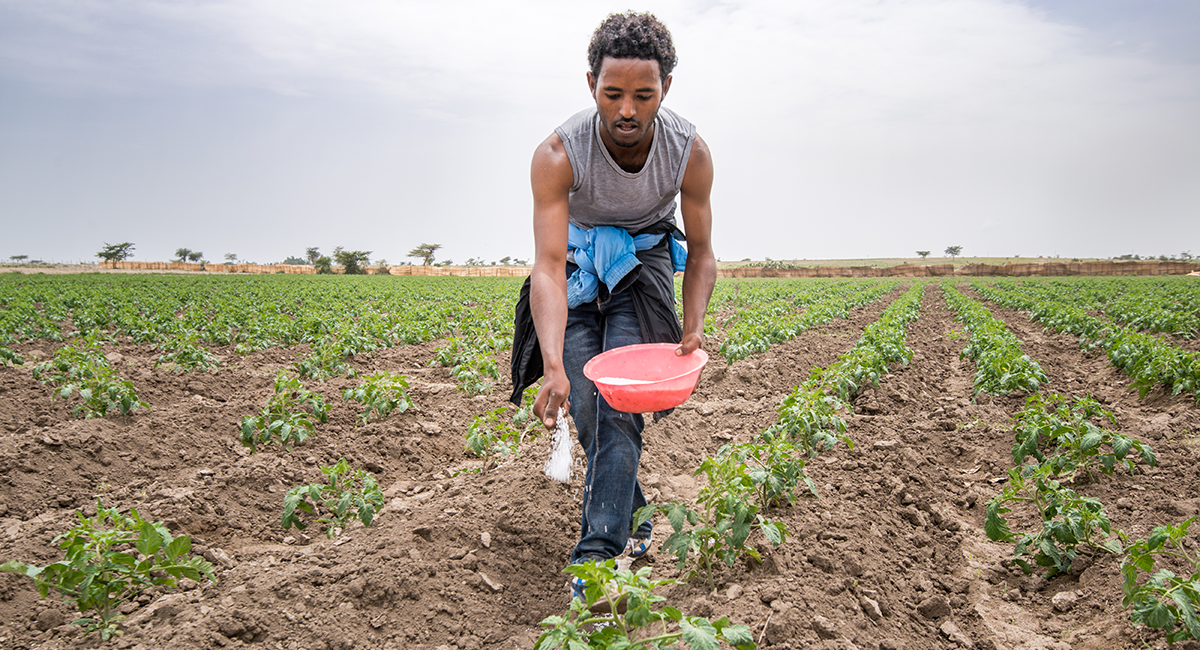
After 100 days of war in Ukraine on Europe’s eastern flank, a critical new front has opened on Europe’s southern flank with the food crisis in Africa. As Europe faces a two-front, geo-economic war of attrition with Russia, Morocco’s plan to increase its fertilizer output by nearly 70% changes the strategic equation by countering Moscow’s ability to weaponize the food-energy nexus. In so doing, Morocco has demonstrated its increasing importance as a geopolitical partner for Europe and the United States in Sub-Saharan Africa.
New Turkey-Uzbekistan Strategic Partnership Accelerates Turkey’s Rise as a Eurasian Agenda-Setter
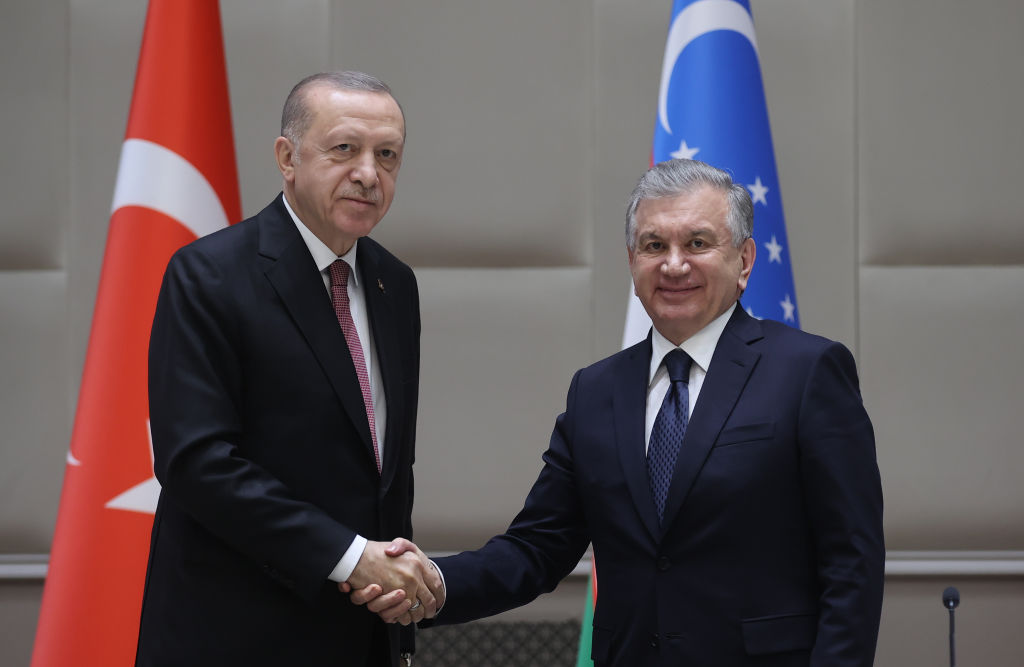
The March 2022 elevation of the Turkey-Uzbekistan relationship to a “Comprehensive Strategic Partnership” provides the Ankara-led Organization of Turkic States with a new geopolitical heft. To preserve its autonomy in the face of Beijing’s growing regional dominance, Tashkent has turned to Ankara to act as a countervailing force in both economic and security affairs. Combined with the expanding Turkey-Pakistan strategic partnership, this makes Turkey a rising Eurasian agenda setter that will impact the strategic calculus of both Beijing and Washington.
The war in Ukraine and the new reality in Asian oil markets
One of the main long-term consequences of Russia’s invasion of Ukraine is the restructuring of export flows in the global oil market. This will have direct consequences for Middle Eastern players, forcing them to choose whether to compete with Russia and each other or continue to coordinate their efforts.
Higher oil prices are giving Algeria’s regime breathing room
As Russia’s war on Ukraine keeps oil and gas prices high, Algeria’s regime is replenishing its financial reserves after years of depleting them. This renewed budgetary space will make it easier for the government to deal with any hint of popular discontent. But rather than going back to splurging on new salary increases or other forms of accelerated rent distribution as it has done in the past, the regime seems to be adopting a more cautious approach this time around.
The oldest peer-reviewed publication dedicated to the study of the modern Middle East, MEI’s flagship journal covers politics, society, and culture in the region.