Skip to Content

Energy

Special Episode: Saudi Oil After the East-West Pipeline Attack
  • Podcast
  • Special Episode: Saudi Oil After the East-West Pipeline Attack

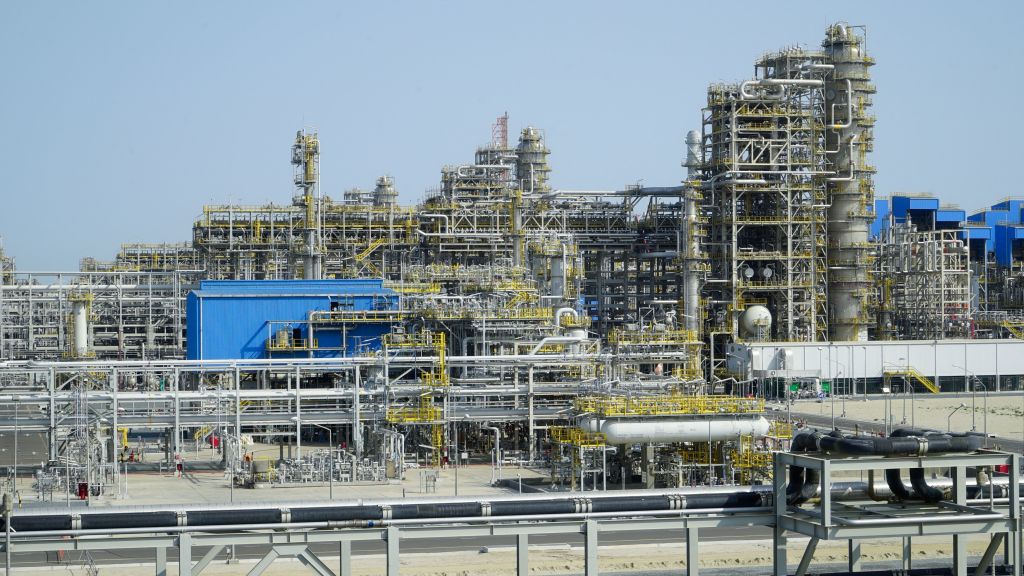
    Saudi Arabia’s East-West pipeline is back in operation after a drone attack from Iraq, blamed on Iran-backed militias, shut it down for nearly two weeks. The pipeline is the kingdom’s main way to export oil while the Strait of Hormuz is closed, so the shutdown dealt another blow to global energy markets. How vulnerable is this route, and what does that mean for the kingdom and the world economy? This episode of Middle East Focus features a recent MEI Virtual Briefing in which Director of Communications Zeina Al-Shaib is joined by MEI Senior Fellow Colby Connelly and MEI Affiliate Yesar Al-Maleki. They examine the new geopolitical risks facing the oil market, what further losses of global supply could mean for Saudi Arabia and the world economy, and which buffers outside the Persian Gulf could ease the pressure.
    October 1, 2026

    Gulf Political Economy: The Cost of Accommodating Iran
  • Analysis
  • Gulf Political Economy: The Cost of Accommodating Iran

    There may be no near-term resolution to the conflict between the United States, Israel, and Iran. The cease-fire and memorandum of understanding (MoU) signed on June 18  have broken down, there is little diplomatic engagement, and new flare-ups in early September indicate a further round of escalation. Gulf states may have no choice but to protect their assets and populations while trying to deter Iran by finding mechanisms of both containment and accommodation.

    Gulf Energy Markets: The Region’s Edge Will Survive — At a Price
  • Analysis
  • Gulf Energy Markets: The Region’s Edge Will Survive — At a Price

    Across the Gulf, views differ widely on how the Iran war can and should end, and what the region will look like once it does. Yet on the crisis over the closure of the Strait of Hormuz, the view is near-unanimous that a repeat is not only possible but likely. That expectation, more than any single incident over the past year, is becoming a major driver of decision-making in industry and policy circles alike.

    Filter by
    401 Results
    US-Gulf Relations at the Crossroads: Time for a Recalibration
    Photo by JONATHAN ERNST/POOL/AFP via Getty Images.
  • Analysis
  • US-Gulf Relations at the Crossroads: Time for a Recalibration

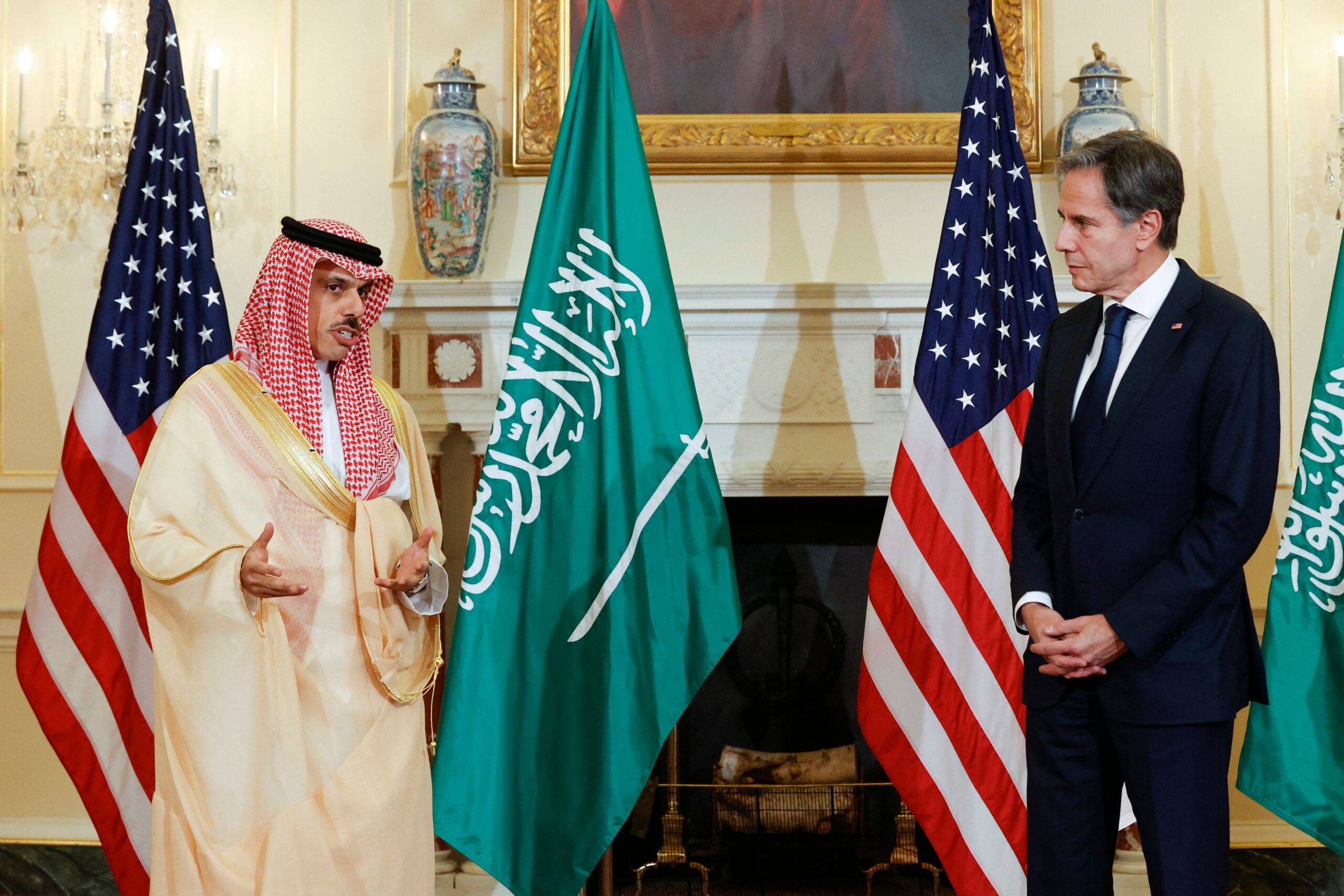
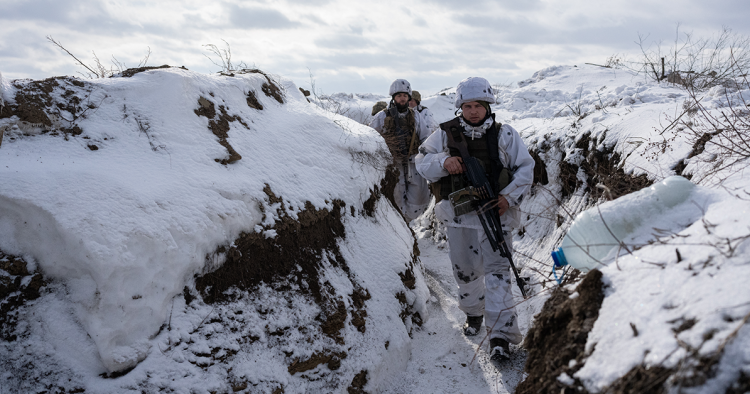
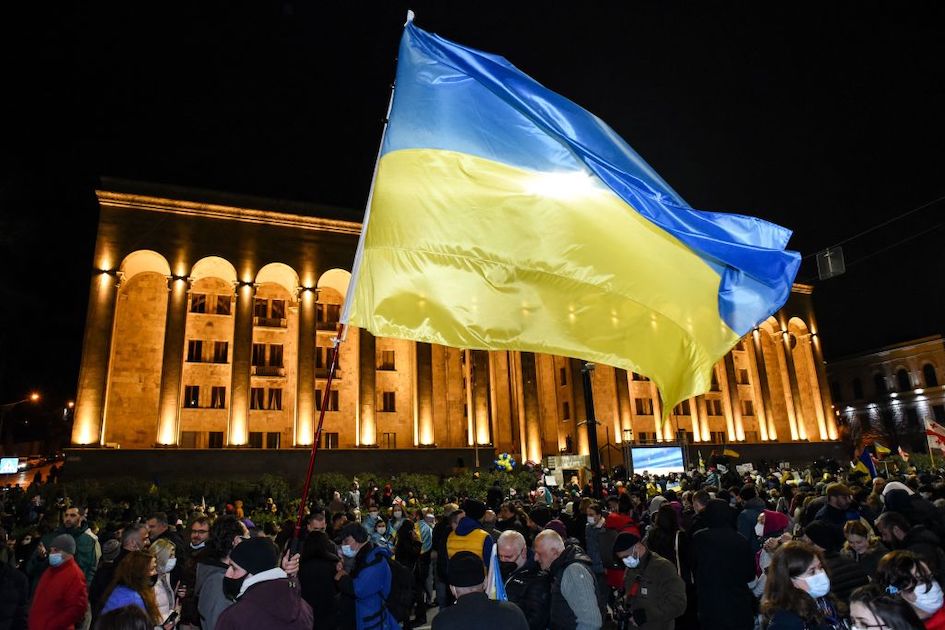
    The global response to Russia’s invasion of Ukraine has focused new attention on friction between the United States and its traditional partners in the Gulf and reinforced skepticism regarding the United States’ status as the dominant international partner in the region. It’s time for both sides to identify a realistic way forward that sheds outdated notions of mutual obligation without becoming merely transactional.

    April 5, 2022

    How Biden can rebuild U.S. ties with the Gulf states
  • Commentary
  • How Biden can rebuild U.S. ties with the Gulf states

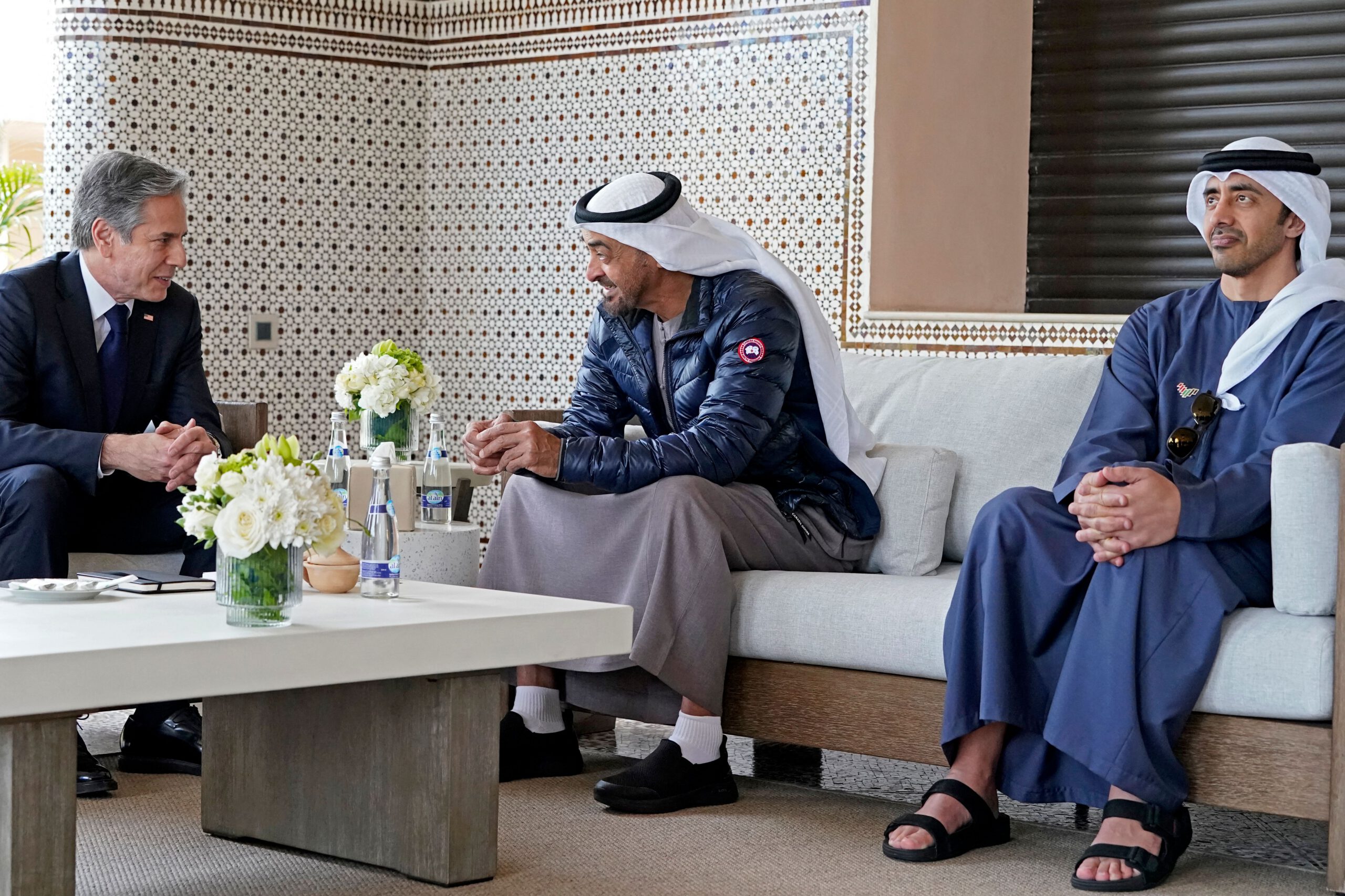
    As tensions between the United States and the Gulf monarchies have been laid bare in recent weeks against the backdrop of Russia’s war in Ukraine, spiraling energy prices, and Houthi attacks on Saudi and Emirati territory, it’s clear that there will not be a return to the U.S.-Gulf partnership of the past—but there can be a new understanding between the two sides.

    What does Russia’s war in Ukraine mean for Iraq?
    Photo by HUSSEIN FALEH/AFP via Getty Images
  • Analysis
  • What does Russia’s war in Ukraine mean for Iraq?

    Iraq has refrained from taking a firm position on the war and political opinion on Russia’s conduct is divided along partisan and factional lines. The imposition of sanctions against Russia has complicated its energy investments in Iraq and prospective arms purchases from Moscow and could have a long-lasting adverse impact on the Iraqi economy.

    April 4, 2022

    Gulf oil producers feel vindicated, but don’t expect them to turn on Russia
    Photo by KARIM SAHIB/AFP via Getty Images
  • Analysis
  • Gulf oil producers feel vindicated, but don’t expect them to turn on Russia

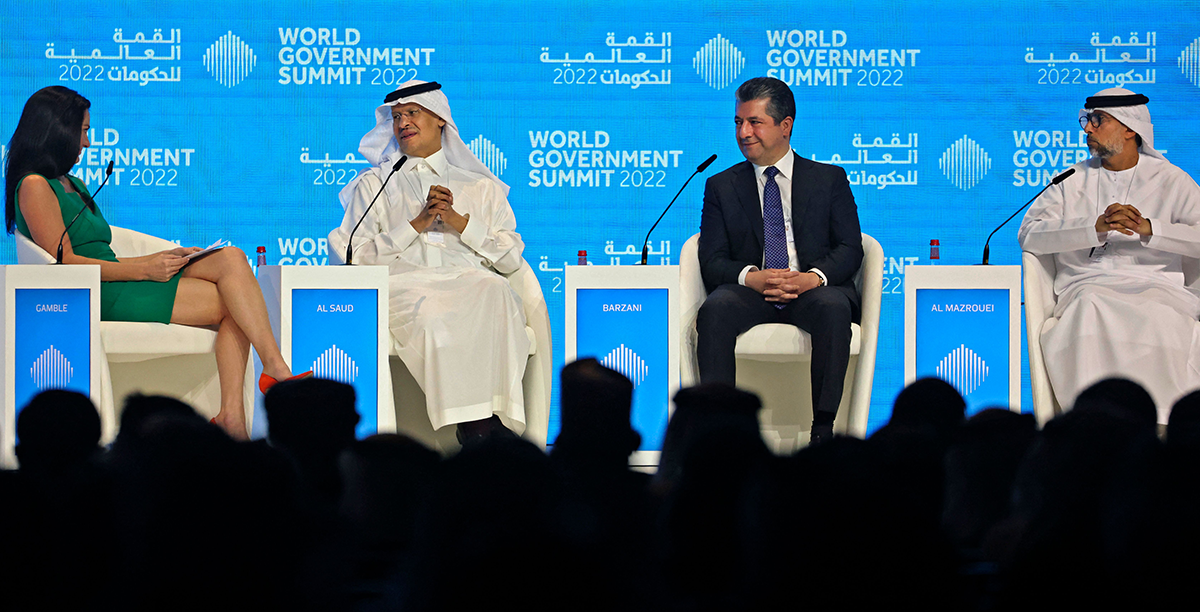
    The war in Ukraine has brought back to the forefront the conversation about the need for new investments in oil and gas for the foreseeable future. As the calls multiply for Gulf producers to step in and fill the gap in gas and oil supplies as Russia faces sanctions, producers now feel vindicated after being shunned, and even targeted, at the COP26 in Glasgow last year.

    March 31, 2022

    How will the war in Ukraine affect EU-MENA relations?
    Photo by Stringer/Anadolu Agency via Getty Images
  • Analysis
  • How will the war in Ukraine affect EU-MENA relations?

    While most analyses of the war in Ukraine have tended to focus on the intra-European dimension, it is worth exploring the potential consequences of this conflict for the EU’s relations with countries further afield, especially those in the Middle East and North Africa.

    March 25, 2022

    The Ukraine war has upended Turkey’s plans to stabilize the economy
    Berkcan Zengin/GocherImagery/Universal Images Group via Getty Images
  • Analysis
  • The Ukraine war has upended Turkey’s plans to stabilize the economy

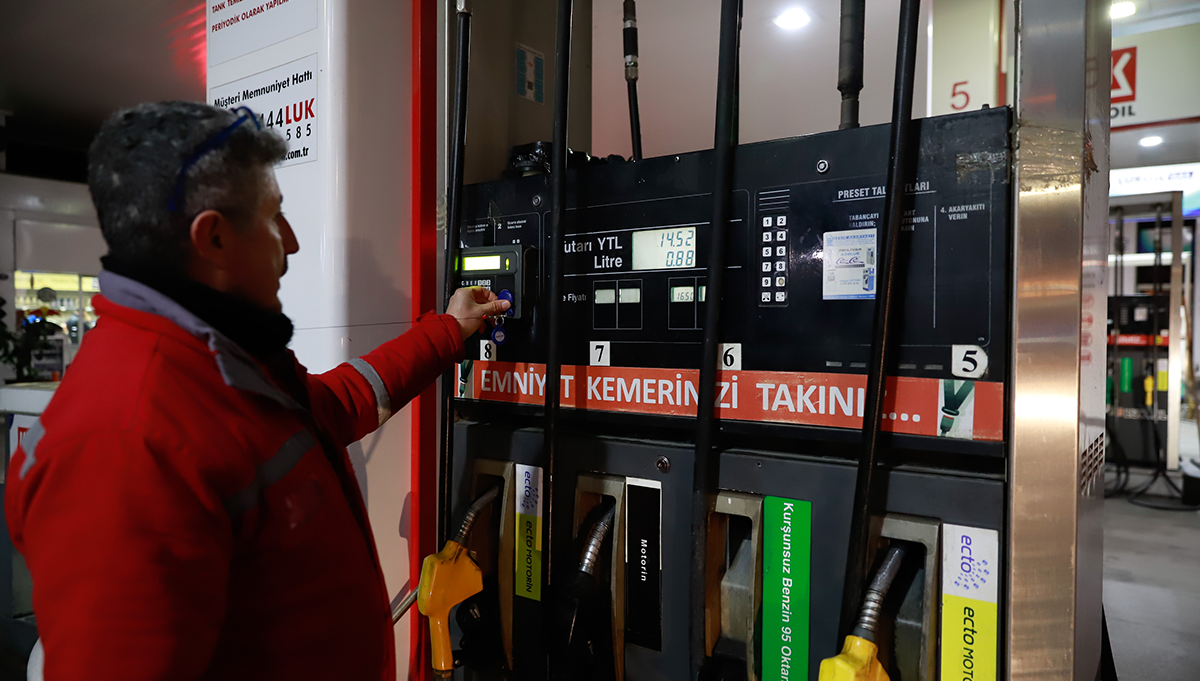
    The war in Ukraine couldn’t have come at a worse time for the Turkish economy. Amid the country’s ongoing economic crisis, the government has been implementing extraordinary and unconventional monetary and fiscal policies.

    March 23, 2022

    Li-Chen Sim on the China-Russia relationship and its impact on the Middle East
  • Video
  • Li-Chen Sim on the China-Russia relationship and its impact on the Middle East

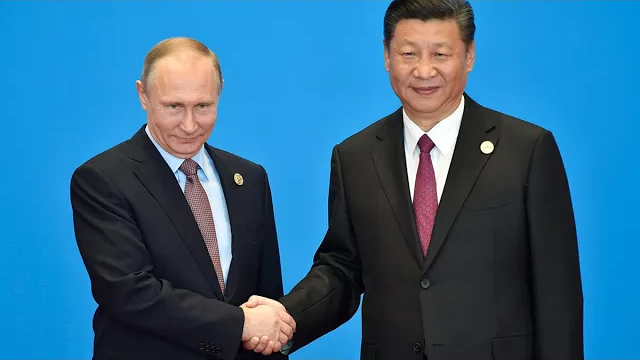
    Li-Chen Sim, a non-resident scholar with MEI’s Economics and Energy program, discusses the findings of her recent publication, “Great power projection in the Middle East: The China-Russia relationship as a force multiplier,” co-authored with Jonathan Fulton.

    March 22, 2022

    Lebanon is running out of time to avert starvation
  • Commentary
  • Lebanon is running out of time to avert starvation

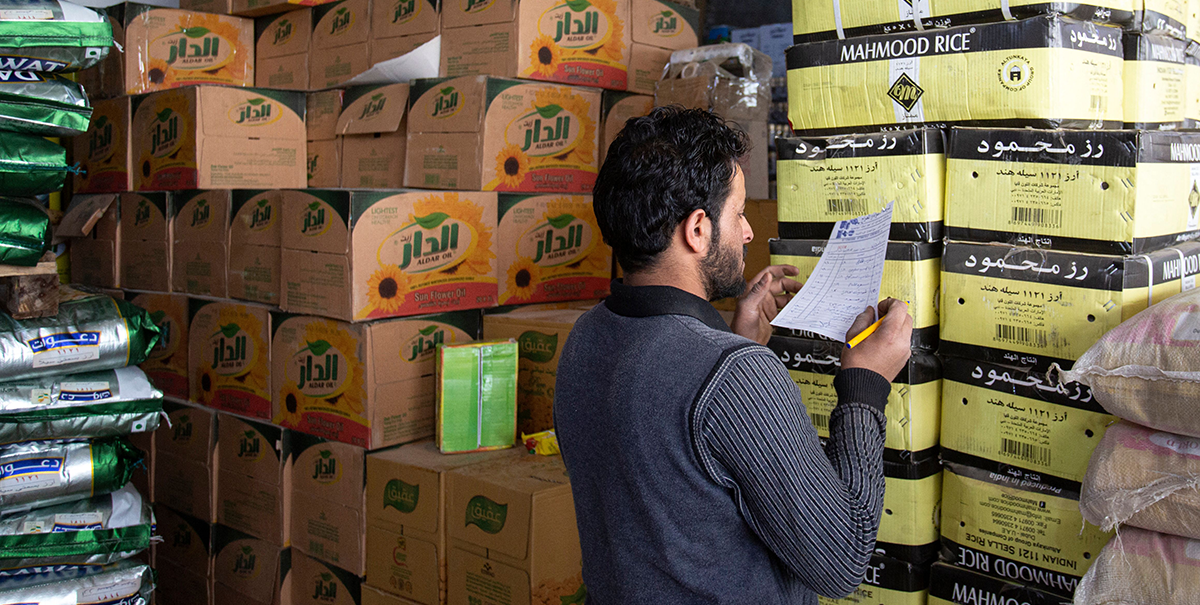
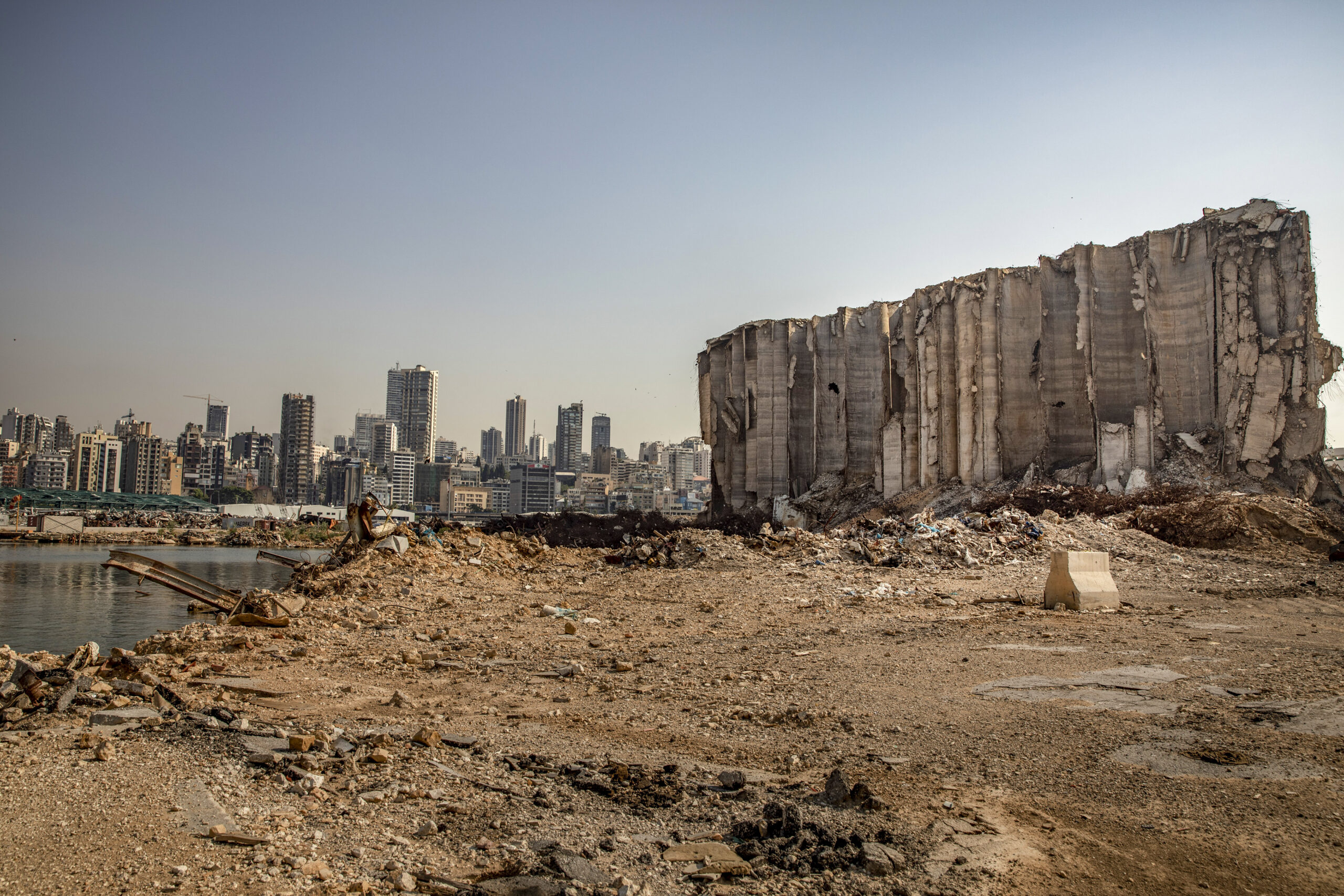
    As Russia’s two-week-old war against Ukraine has brought Lebanon’s wheat imports from the besieged Black Sea nation to a complete standstill, the government in Beirut is racing against the clock to avert a catastrophic food crisis.

    Given capacity constraints, Algeria is no quick fix for Europe’s Russian gas concerns
    Photo by RYAD KRAMDI/AFP via Getty Images
  • Analysis
  • Given capacity constraints, Algeria is no quick fix for Europe’s Russian gas concerns

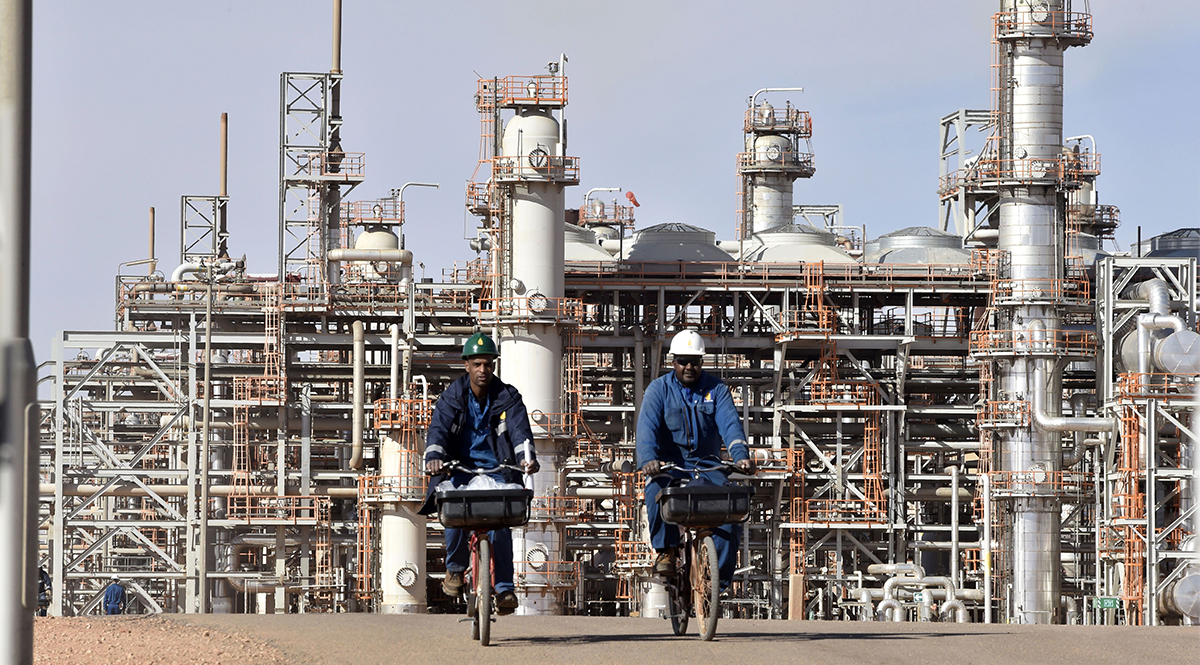
    While Europe might be ready for more Algerian gas as it looks to diversify its suppliers, Algeria’s current production capacity limits its ability to substantially increase export volumes to Europe. As of now, any meaningful increases in Algerian production will require years of exploration and development and more crucially, further energy industry reforms to attract new investment.

    The Russia-Ukraine War has Turned Egypt's Food Crisis into an Existential Threat to the Economy
    Photo by Shawn Baldwin/Bloomberg via Getty Images.
  • Analysis
  • The Russia-Ukraine War has Turned Egypt's Food Crisis into an Existential Threat to the Economy

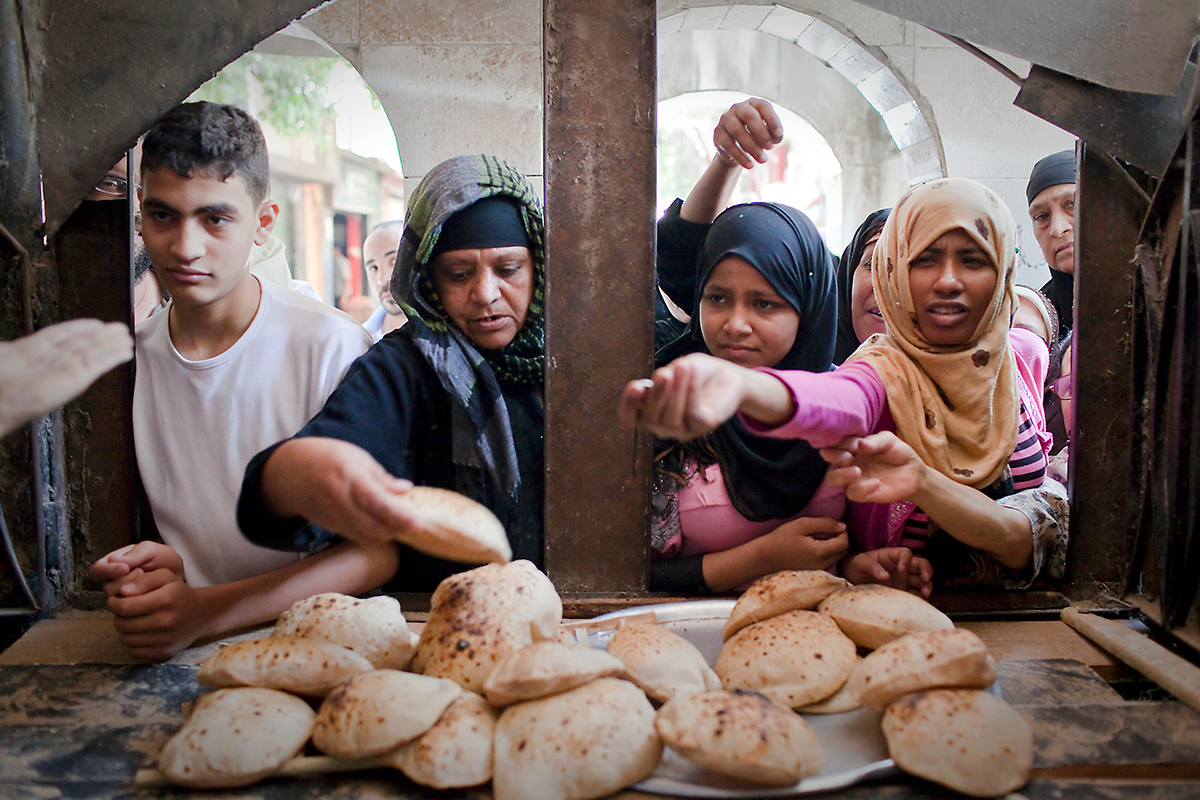
    With the outbreak of the Russia-Ukraine war on Feb. 24, 2022, Egypt’s food security crisis now poses an existential threat to its economy. The fragile state of Egypt’s food security stems from the agricultural sector’s inability to produce enough cereal grains, especially wheat, and oilseeds to meet even half of the country’s domestic demand.

    Read the Middle East Journal

    The oldest peer-reviewed publication dedicated to the study of the modern Middle East, MEI’s flagship journal covers politics, society, and culture in the region.