Skip to Content

Energy

When Will Energy Markets Recover From the Iran War?
  • Podcast
  • When Will Energy Markets Recover From the Iran War?

    Two and a half months into the blockade of the Strait of Hormuz, what lessons can markets draw from the resulting global energy shock? Colby Connelly, MEI Senior Fellow, joins hosts Alistair Taylor and Matthew Czekaj to assess the crisis’s impact on the energy industry. Together, they examine how producers are responding to the conflict in both the short and long term, how this moment differs from past energy disruptions, and how regional reverberations may shape international energy policies going forward.

    May 21, 2026

    MENA Energy Recap, Q1-2026: Four Lessons From the Return of Tail Risk
    Photo by Elke Scholiers/Getty Images
  • Report
  • MENA Energy Recap, Q1-2026: Four Lessons From the Return of Tail Risk

    This is a special edition of the MENA Energy Recap — a quarterly review of key energy developments that took place in the region from January through March of 2026 and what they signal in the months ahead. For Q1-26, the recap considers some of the long-term implications of the ongoing war in the region, which have caused the largest energy supply disruption in history, and what lessons these events hold for both near- and long-term energy dynamics in both the Middle East and the wider world.

    What Does the UAE’s Departure Mean for OPEC+?
  • Analysis
  • What Does the UAE’s Departure Mean for OPEC+?

    The UAE’s departure represents an undeniable strategic setback for OPEC+. Its most likely response will be to shore up the amount of output capacity subject to quotas. For now, there are two clear pathways it could take to accomplish this, although neither represents a quick fix.

    Filter by
    393 Results
    The race to reset the Middle East's maritime map
    Photo by Xinhua/Wu Lu via Getty Images
  • Analysis
  • The race to reset the Middle East's maritime map

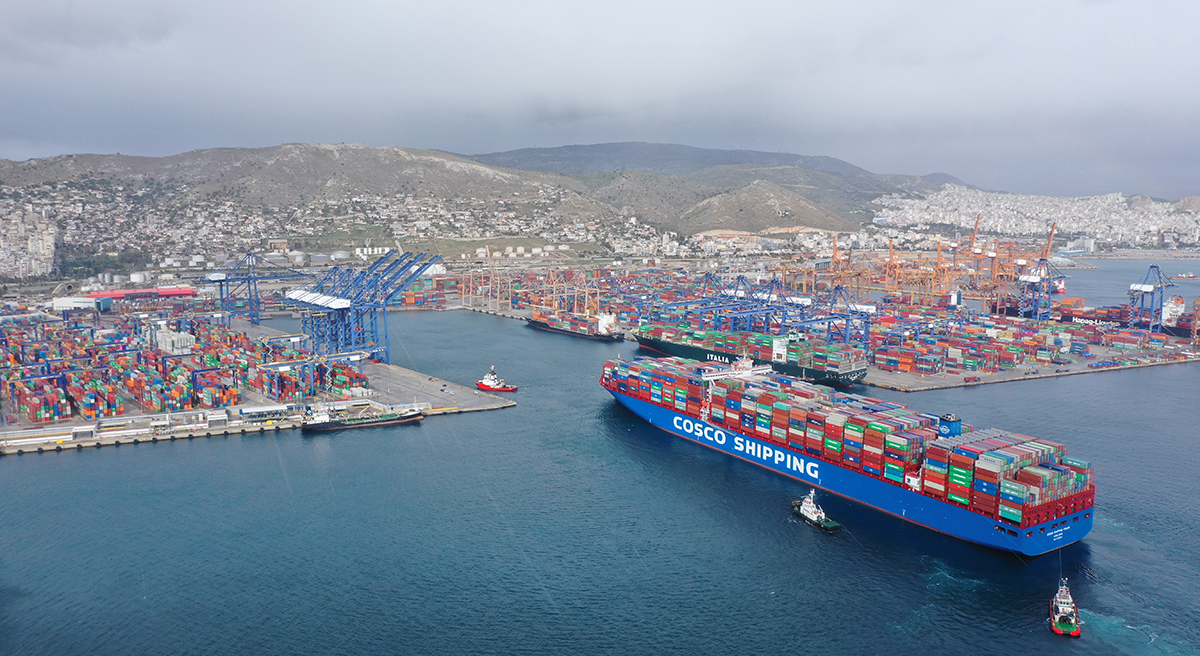
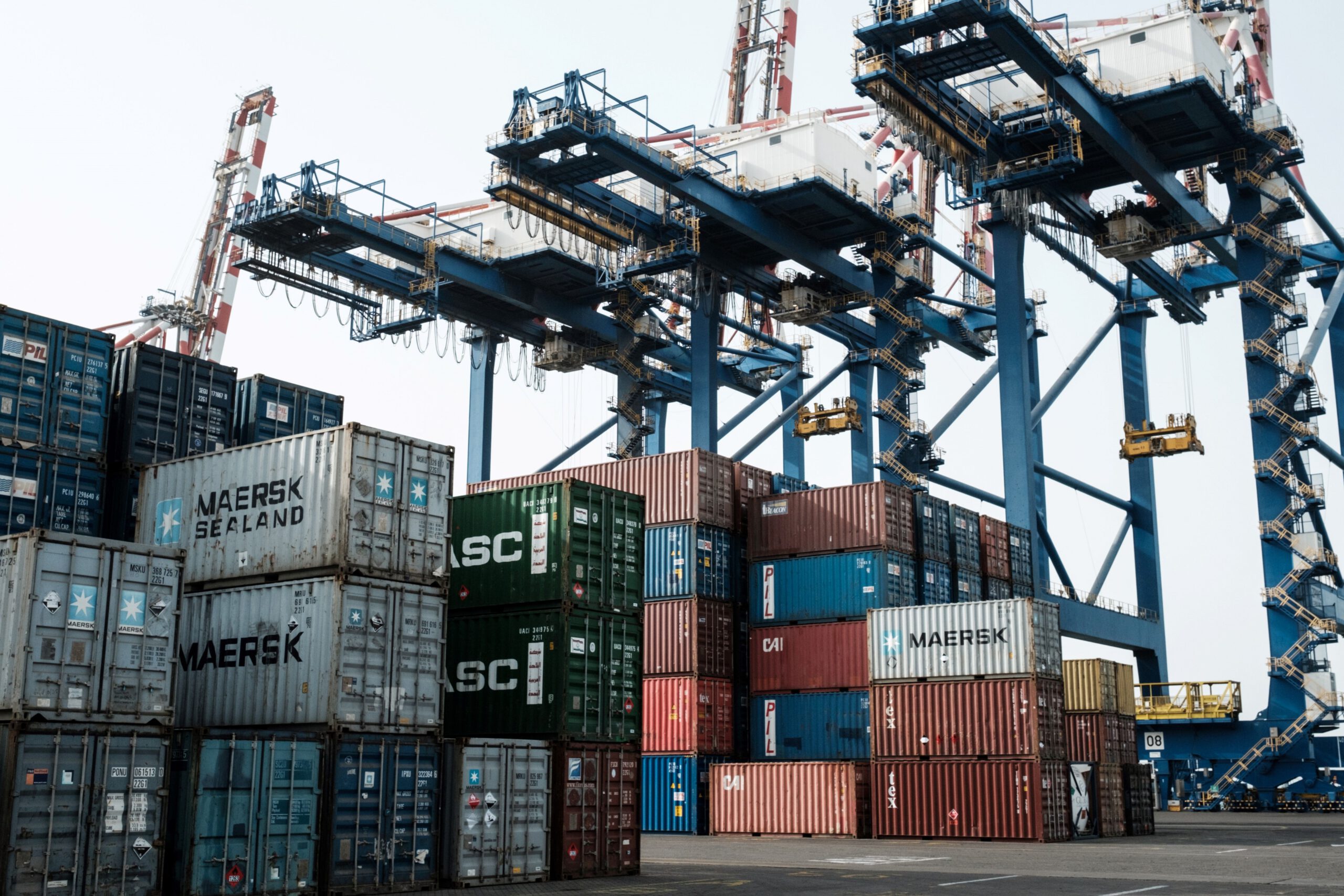
    One of the most consequential changes in the Middle East’s geopolitical map is happening at the water’s edge. Along the entire eastern rim of the Mediterranean basin, global and regional actors are engaging in a spate of port capacity expansions, new private port construction, and the sell-off of major state-owned ports that will determine who sits atop the region’s global trade flows for decades to come. The international competition to rebuild Beirut’s port is one key puzzle piece in this larger process that is reconfiguring the Levant’s maritime commercial architecture and, as a consequence, the geopolitical contours of the Middle East.

    The possibility that the Lebanese government could opt for China to reconstruct Beirut’s port has raised alarm in Washington and European capitals given China’s already outsized commercial port presence in Egypt, Israel, and Greece. Increased Chinese involvement in Lebanon’s port operations could consolidate Beijing’s hold over the commercial connectivity architecture of the Levant. Re-orienting global commercial flows between Europe, the Middle East, and Asia according to Beijing’s priorities would make China’s Belt and Road Initiative a dominant organizing principle in the international relations of the Middle East. The most effective way to offset China’s ambition may be to facilitate Mediterranean rivals France and Turkey to jointly rebuild Beirut’s port.

    Israel and Egypt top growth expectations in MENA: A tale of two divergent strategies
    Photographer: Kobi Wolf/Bloomberg via Getty Images
  • Analysis
  • Israel and Egypt top growth expectations in MENA: A tale of two divergent strategies

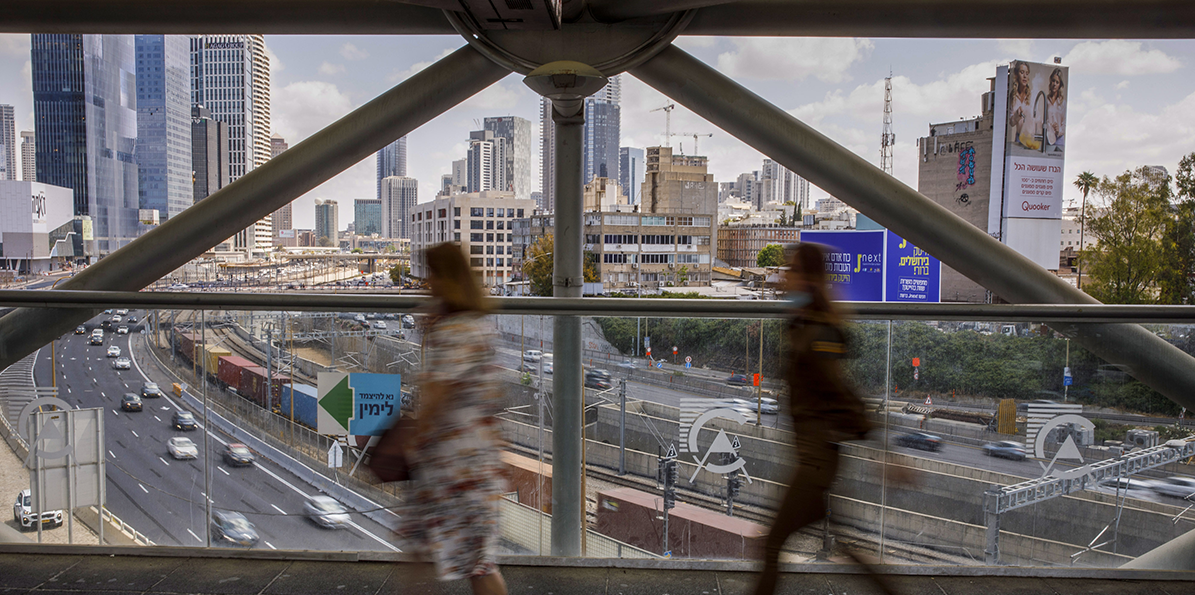
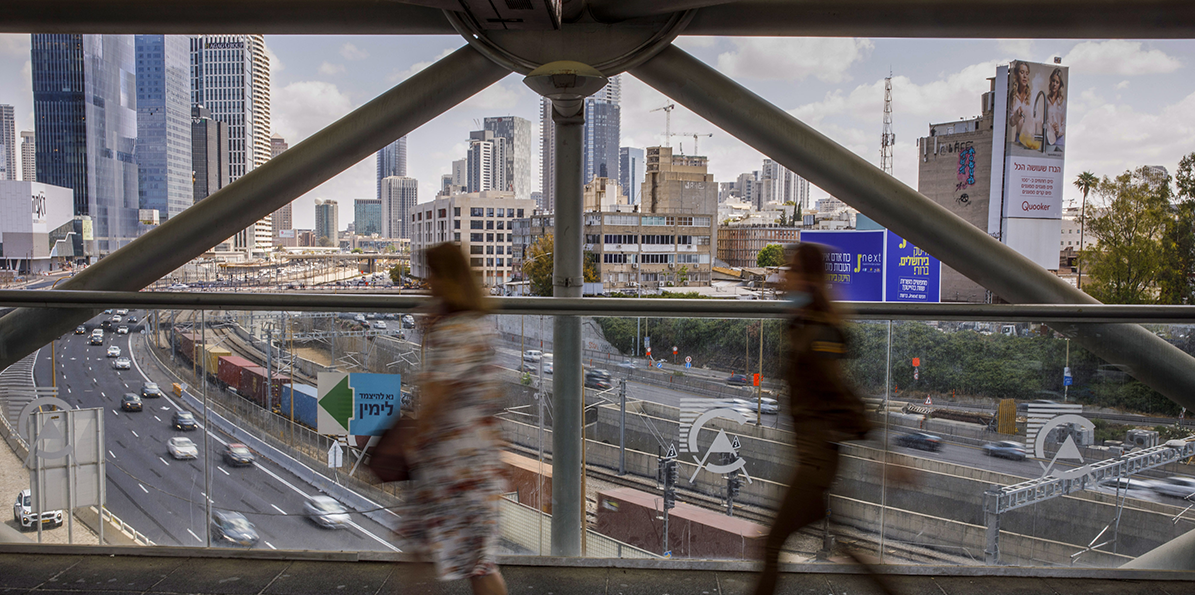
    The two countries in the Middle East with the highest growth expectations for 2022 are Israel and Egypt. Fitch Solutions estimates that MENA-wide GDP will grow by 3.6% in 2021, after a contraction of 4% in 2020. Egypt and Israel are the only countries within the region expected to grow their economies beyond the size of their pre-COVID-19 levels for 2021.

    The Uphill Economic Recovery from Covid-19 in the Gulf Cooperation Council
  • Commentary
  • The Uphill Economic Recovery from Covid-19 in the Gulf Cooperation Council

    The future of economic growth in the GCC is looking better than some analysts expected in the depths of the downturn in 2020. What may be different in this recovery compared to previous economic crises in the Gulf is a more limited fiscal policy space, and more variance among GCC countries in their ability to rebound with smart stimulus. As the global economic recovery now strengthens oil demand, taking advantage of this interim period of the global energy transition will mean accelerating government spending in areas where it can make a long-term impact on productivity growth and increased labor force participation among citizens in the private sector, especially women. Some governments will be able to accelerate productivity, including using highly skilled foreign labor and favorable long-term residency regimes, and others will be simply treading water to satisfy immediate demands of their populations.

    The changing Saudi banking landscape
    Photo by Simon Dawson/Bloomberg via Getty Images
  • Analysis
  • The changing Saudi banking landscape

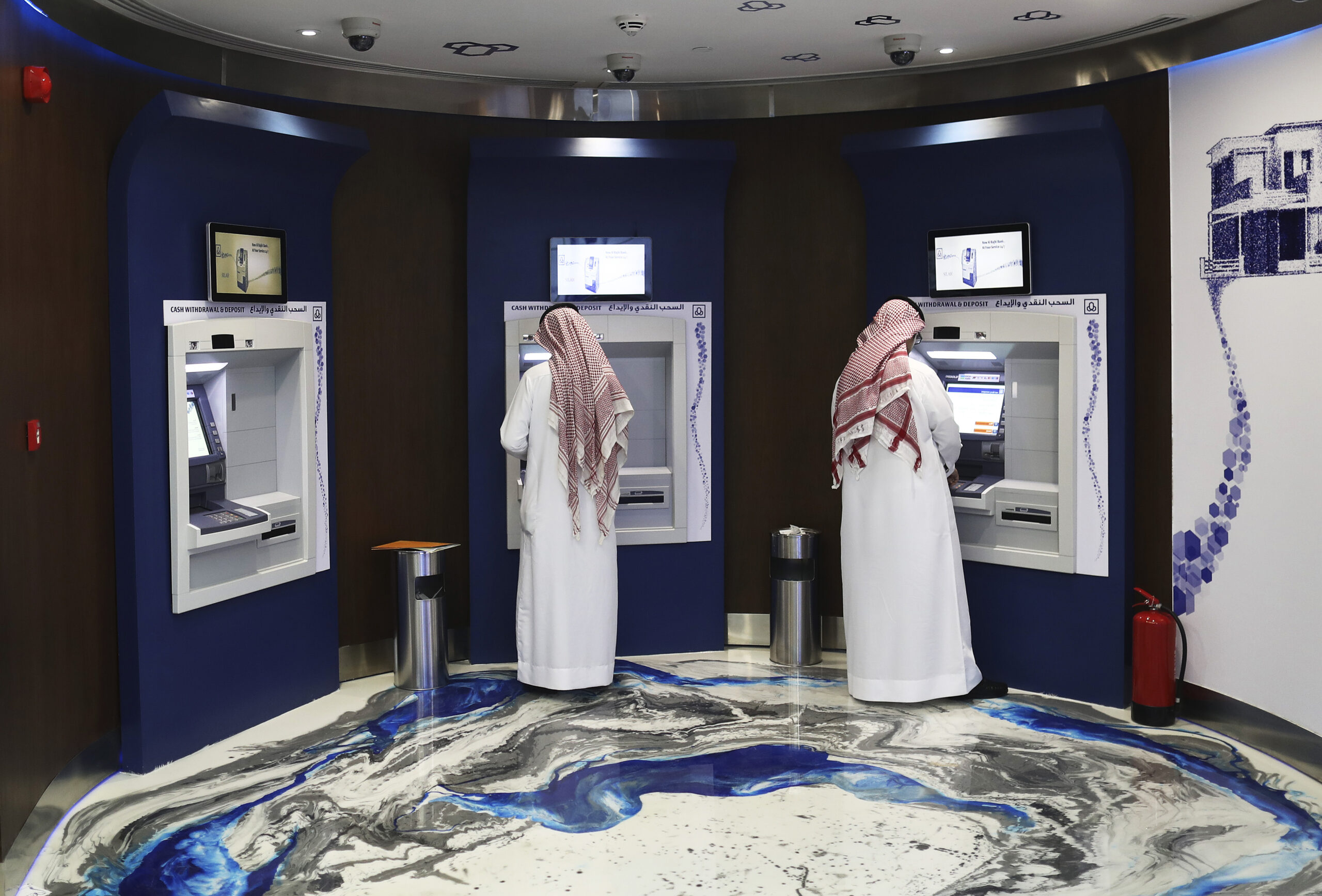
    While Western banks saw their valuations drop substantially during the first 18 months of the COVID pandemic — and have yet to recover — the declines among Saudi banks have been smaller and their valuations are now closer to, if not above, their pre-pandemic levels. Identifying the drivers of this seemingly contradictory trend helps us better understand the shifts within the Saudi banking sector and the growing impacts of policies related to Vision 2030, the country’s long-term economic development and diversification program.

    July 22, 2021

    Djibouti needs a Plan B for the post-Guelleh era
    Photo by YASUYOSHI CHIBA/AFP via Getty Images
  • Analysis
  • Djibouti needs a Plan B for the post-Guelleh era

    Although it is home to the Horn of Africa’s main transshipment hub, a host of foreign military bases, and a booming local service sector, Djibouti faces a number of major economic challenges, including new and growing competition, dangerous reliance on Ethiopian power and water supplies, climate change, and high levels of debt. This is why Djibouti needs a Plan B for what comes next after the presidency of its long-time leader, Ismail Omar Guelleh, in power since 1999.

    July 20, 2021

    Morocco finds on-ramp into EV manufacturing through electronic chip production for Tesla    
    Photo by FADEL SENNA/AFP via Getty Images
  • Analysis
  • Morocco finds on-ramp into EV manufacturing through electronic chip production for Tesla    

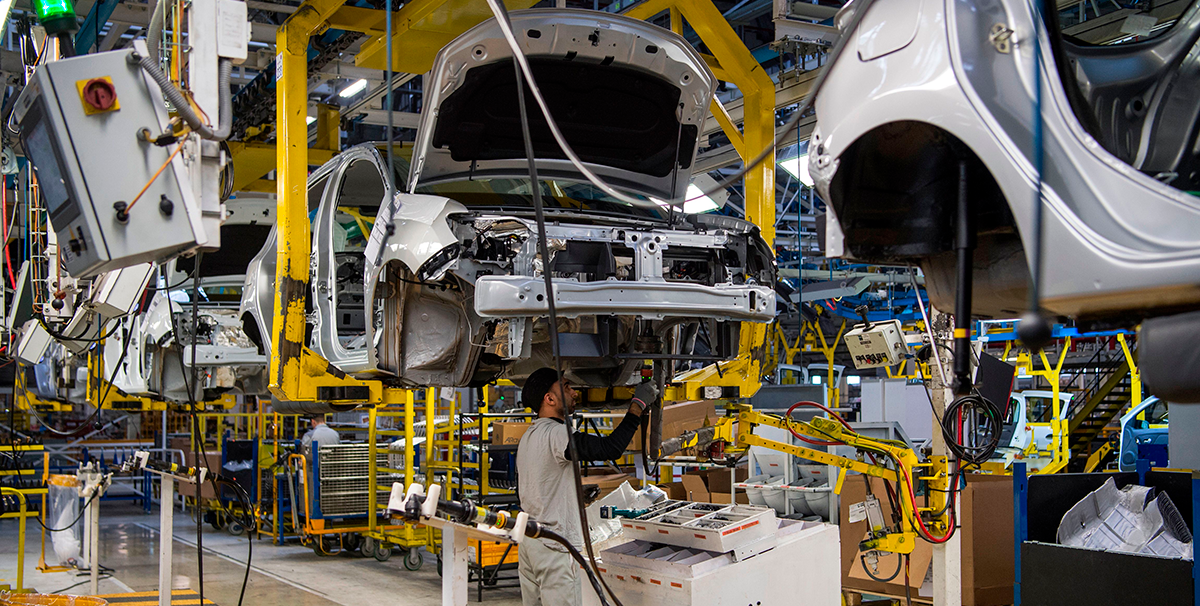
    STMicroelectronics, one of Europe’s leading semiconductor manufacturers, will very shortly inaugurate a new production line in Morocco to manufacture electronic chips for American electric car pioneer Tesla. The production line is the latest example of a larger trend among international firms to look to Morocco as an attractive location for “nearshoring.” Through Rabat’s smart infrastructure investments and careful management of its foreign partnerships, Morocco has already exploited this trend to emerge as Africa’s leading automaker. Now with an auto chip production line dedicated to electric vehicles (EVs), Morocco is positioning itself to become a center for EV production while turning itself into a strategic component of Western semiconductor supply chain resilience.

    Mitigating the darkest hour: Lebanon’s struggle for power
    Photo by DYLAN COLLINS/AFP via Getty Images
  • Analysis
  • Mitigating the darkest hour: Lebanon’s struggle for power

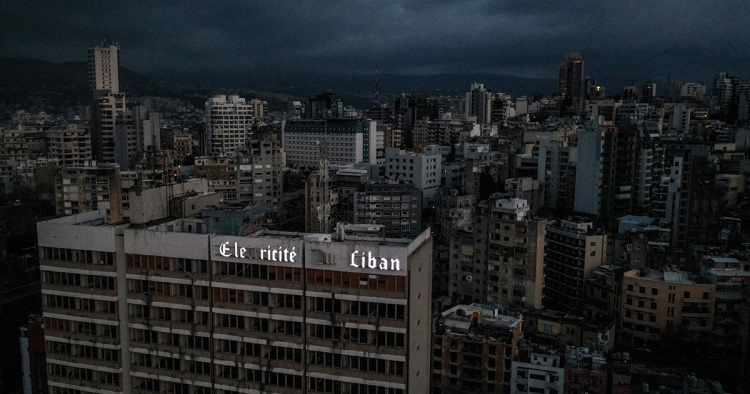
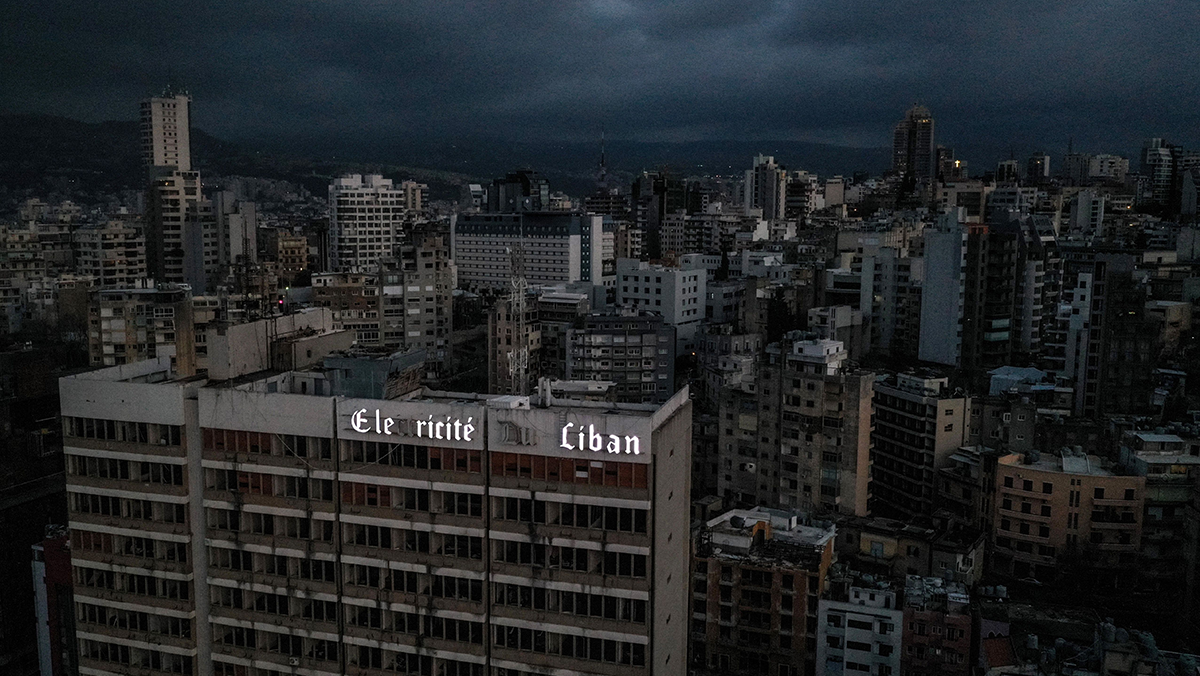
    Lebanon is steadily plunging into total darkness. Decades of political bickering, weak governance, and vested interests have taken their toll on the power sector and are developing into economic and humanitarian crises. A long-term strategy focused on improving the sector’s governance is needed. In the short term, however, immediate actions such as distributed renewable energy and out-of-the-box financing mechanisms should be taken to avoid the darkest hour.

    July 20, 2021

    The Saudi-Emirati OPEC rift might be local, but the core dispute is global
    Simon Dawson/Bloomberg via Getty Images
  • Analysis
  • The Saudi-Emirati OPEC rift might be local, but the core dispute is global

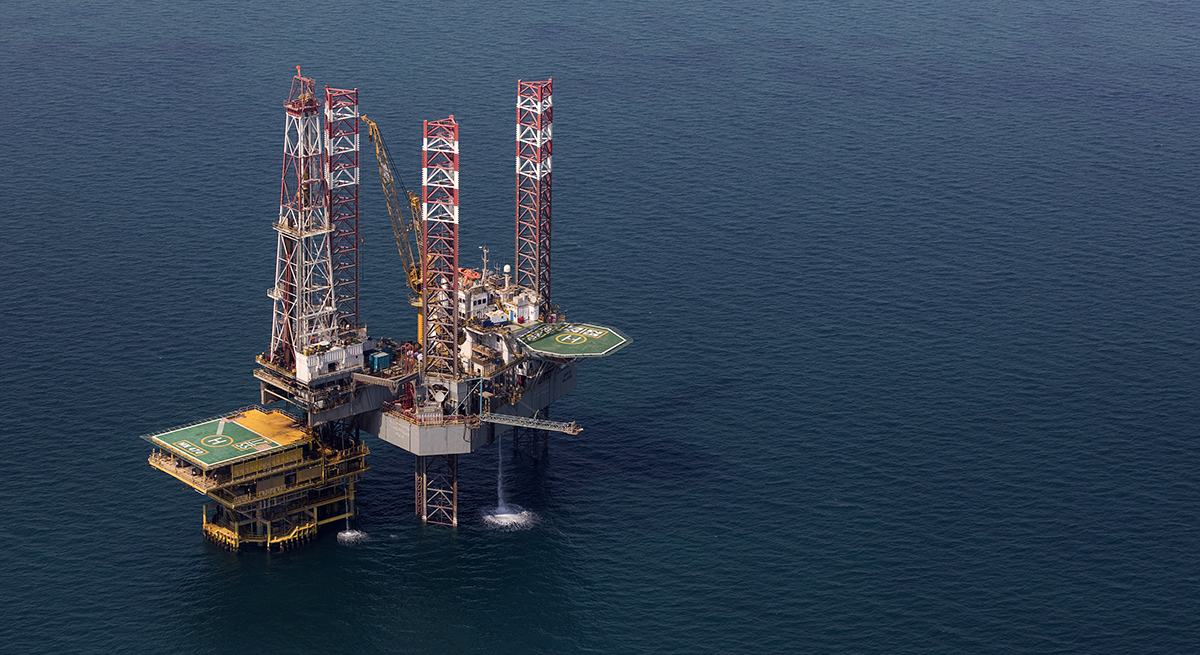
    In spite of the growing political distance between Riyadh and Abu Dhabi, it was economic factors that played the key role in the UAE decision not to support the extension of the OPEC+ agreement until the end of 2022, thus putting on hold the cartel’s decision to increase production in the coming months. The OPEC+ agreement in place since December 2016 may have finally run its course. The medium term will see a changed landscape among oil producers, not just in the GCC, but globally as they compete for customers in emerging markets, the only place where oil demand is expected to increase after 2030, and as they attempt to transform their businesses across energy products. The national oil companies that can access capital, attract new investment, offload assets, and be nimble enough to grow across energy lines, whether it be hydrogen, solar, or even natural gas, will be the ones that thrive. Producers like Libya, Iraq, Iran, and even Russia and Saudi Arabia may be at a disadvantage in accessing new investment and pursuing transformation. The future of OPEC and its ancillary partners is one of intense competition and divergent time horizons for hydrocarbon exploitation.
    The coming US and Middle East energy collision
    Photo by Drew Angerer/Getty Images
  • Analysis
  • The coming US and Middle East energy collision

    The Biden administration’s goals in climate policy, renewable energy infrastructure investment both domestically and globally (the Build Back Better World, or B3W, initiative), and its Middle East policy may be on the verge of a collision. While the administration would like to dial back its engagement in the Middle East at least militarily, the region will be essential to meeting U.S. foreign and domestic energy goals.

    Exploring the rising workforce participation among Saudi women
    Photo by FAYEZ NURELDINE/AFP via Getty Images
  • Analysis
  • Exploring the rising workforce participation among Saudi women

    In the past few months, several articles have been written on the significant rise in the Saudi female labor force participation rate (LFPR) from 17.7% in Q2, 2016 to 33.2% in Q4, 2020. Interestingly, this increase in female LFPR was not coupled with a rise in unemployment, which often occurs when workforce participation rises for a particular group. In fact, the unemployment rate among female nationals declined to its lowest level in four years, at 24.4% in Q4, 2020. However, it still remains over twice as high as that for male nationals. Another positive labor market indicator, albeit one receiving little attention from analysts, is the significant change in the employment rate among Saudi women. In other words, Saudi women not only increased their share in the workforce, but were also able to gain jobs once they entered the labor force.

    July 9, 2021

    Singapore and the Gulf: Economic engagement beyond hydrocarbons
    Lauryn Ishak/Bloomberg via Getty Images
  • Analysis
  • Singapore and the Gulf: Economic engagement beyond hydrocarbons

    Oil and gas have long dominated trade and investment flows between Singapore and the Gulf. In the wake of two new projects — one in Singapore and the other in the United Arab Emirates — unveiled last month, this article considers whether Singapore and the Gulf are on the cusp of a new level and type of economic relations.

    OPEC+ and the specter of Iranian oil
    Photo by Omar Marques/SOPA Images/LightRocket via Getty Images
  • Analysis
  • OPEC+ and the specter of Iranian oil

    The factor of Iranian oil, while important for the situation in the oil market, turned out to be somewhat overestimated in terms of its impact on OPEC+ decision-making.

    The promise and the pitfalls of Iraq’s tripartite New Mashreq
    Photo by AHMAD AL-RUBAYE/AFP via Getty Images
  • Analysis
  • The promise and the pitfalls of Iraq’s tripartite New Mashreq

    Sunday was a festive day in Baghdad. The last time Iraqis had received an Egyptian president 30 years ago, the region was gearing up for war and uncertainty as the late President Hosni Mubarak shuttled between Baghdad and Gulf capitals prior to Saddam Hussein’s invasion of Kuwait in 1990. The circumstances were quite different on June 27, when Egyptian President Abdel-Fattah el-Sisi and King Abdullah II of Jordan were given the red-carpet treatment at a tripartite summit marking the fourth meeting between the leaders of the three countries aiming to form a new regional alliance.

    June 29, 2021

    Read the Middle East Journal

    The oldest peer-reviewed publication dedicated to the study of the modern Middle East, MEI’s flagship journal covers politics, society, and culture in the region.