Skip to Content

Energy

Special Episode: Saudi Oil After the East-West Pipeline Attack
  • Podcast
  • Special Episode: Saudi Oil After the East-West Pipeline Attack

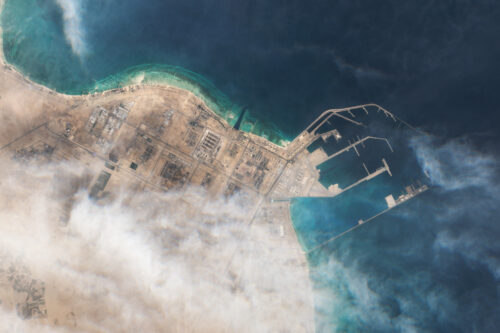
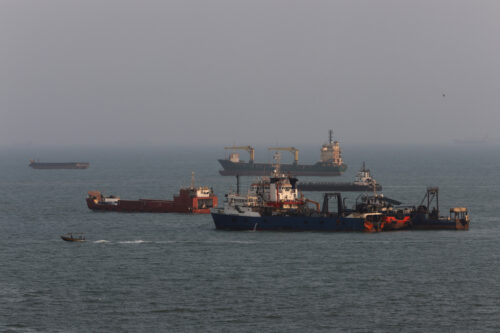
    Saudi Arabia’s East-West pipeline is back in operation after a drone attack from Iraq, blamed on Iran-backed militias, shut it down for nearly two weeks. The pipeline is the kingdom’s main way to export oil while the Strait of Hormuz is closed, so the shutdown dealt another blow to global energy markets. How vulnerable is this route, and what does that mean for the kingdom and the world economy? This episode of Middle East Focus features a recent MEI Virtual Briefing in which Director of Communications Zeina Al-Shaib is joined by MEI Senior Fellow Colby Connelly and MEI Affiliate Yesar Al-Maleki. They examine the new geopolitical risks facing the oil market, what further losses of global supply could mean for Saudi Arabia and the world economy, and which buffers outside the Persian Gulf could ease the pressure.
    October 1, 2026

    Gulf Political Economy: The Cost of Accommodating Iran
  • Analysis
  • Gulf Political Economy: The Cost of Accommodating Iran

    There may be no near-term resolution to the conflict between the United States, Israel, and Iran. The cease-fire and memorandum of understanding (MoU) signed on June 18  have broken down, there is little diplomatic engagement, and new flare-ups in early September indicate a further round of escalation. Gulf states may have no choice but to protect their assets and populations while trying to deter Iran by finding mechanisms of both containment and accommodation.

    Gulf Energy Markets: The Region’s Edge Will Survive — At a Price
  • Analysis
  • Gulf Energy Markets: The Region’s Edge Will Survive — At a Price

    Across the Gulf, views differ widely on how the Iran war can and should end, and what the region will look like once it does. Yet on the crisis over the closure of the Strait of Hormuz, the view is near-unanimous that a repeat is not only possible but likely. That expectation, more than any single incident over the past year, is becoming a major driver of decision-making in industry and policy circles alike.

    Filter by
    401 Results
    Azerbaijan’s green shift: Energy transition, COP29 commitments, and US collaboration
    Photo by Aziz Karimov/Getty Images
  • Analysis
  • Azerbaijan’s green shift: Energy transition, COP29 commitments, and US collaboration

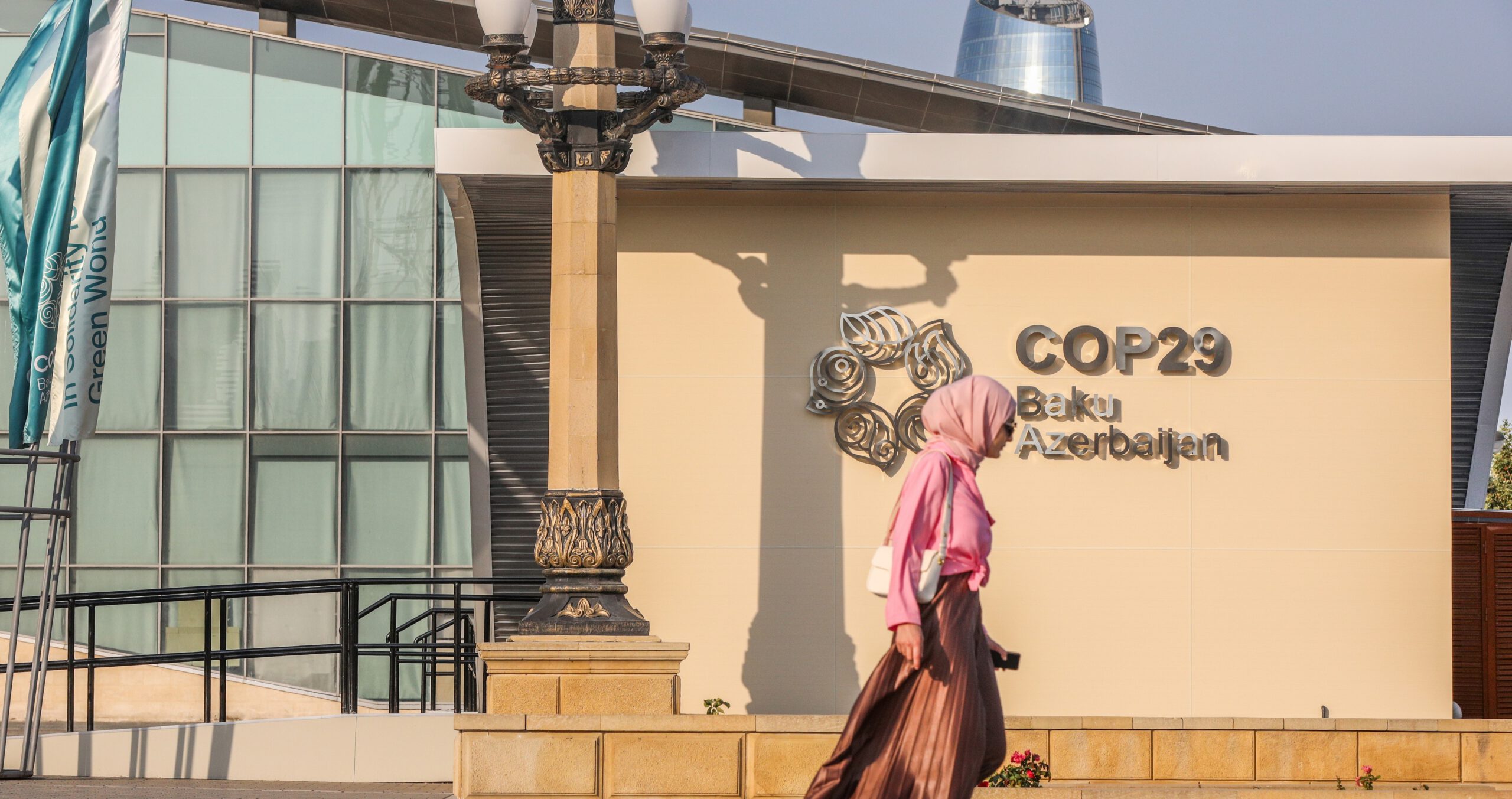
    Azerbaijan seeks to establish itself as a major actor in the global energy transition space as it prepares to host the 2024 UN Climate Change Conference (COP29) in Baku, on November 11-22. COP29 offers many opportunities to improve US-Azerbaijani energy cooperation, including by coordinating the United States’ clean energy technology goals with Azerbaijan’s renewable energy revolution.

    September 9, 2024

    Brokering a solution to the Libyan Central Bank crisis
    Photo by Weisserstier via Flickr, licensed under the terms of Creative Commons 2.0
  • Analysis
  • Brokering a solution to the Libyan Central Bank crisis

    The ongoing effort by various factions in Libya to gain control of the Central Bank of Libya (CBL) poses a clear and present danger for the entire country, threatening its safety and security as well as its economy.

    Powering up: Turkey-Iraq transmission line is part of a broader strategic shift
    Photo by THAIER AL-SUDANI/POOL/AFP via Getty Images
  • Analysis
  • Powering up: Turkey-Iraq transmission line is part of a broader strategic shift

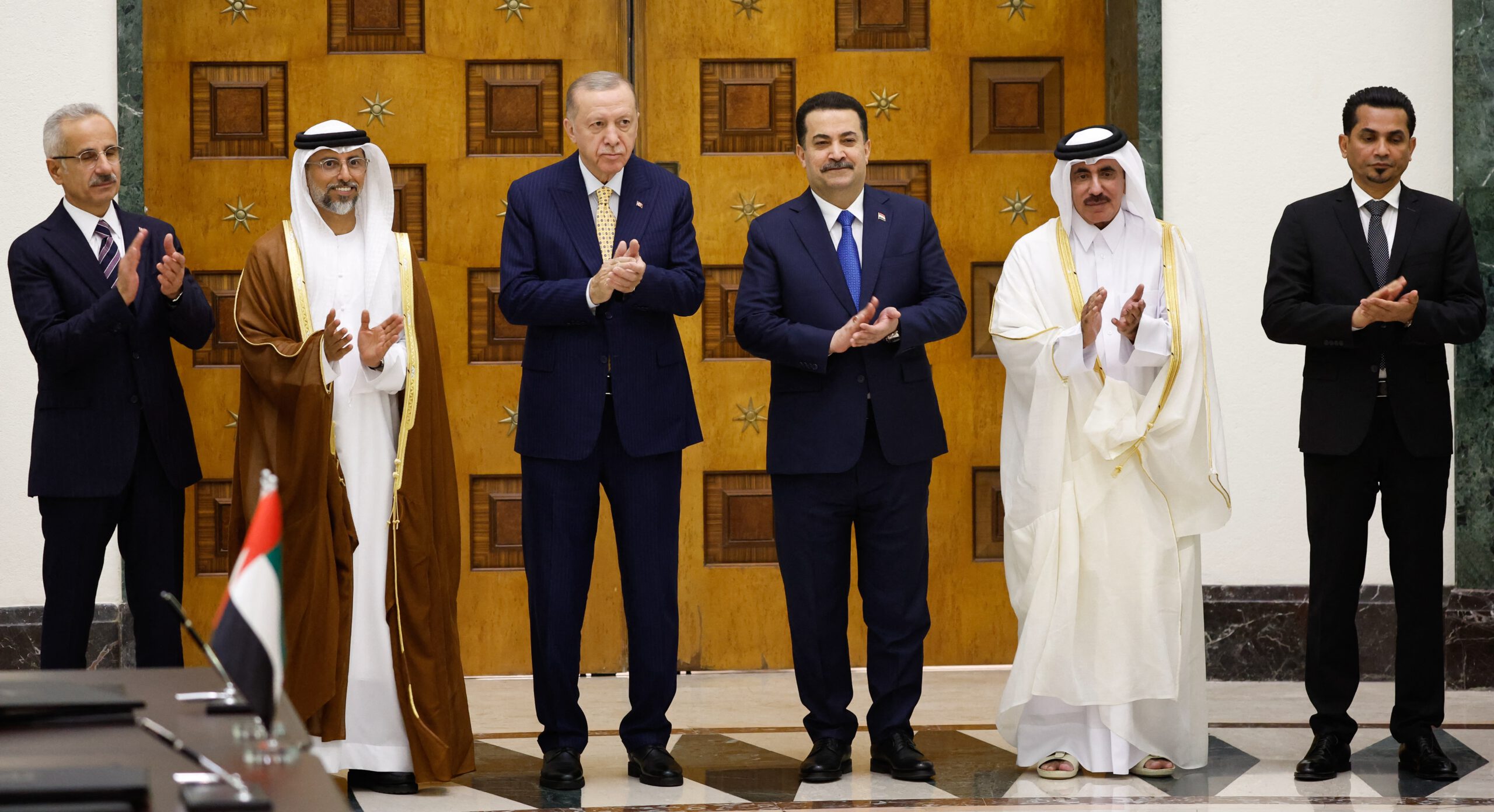
    On July 21, 2024, Iraq inaugurated a new power line connecting Turkey and Iraq to handle Turkish electricity imports. Iraq is operationalizing this new power line with the goal of ensuring a more stable energy future, reshaping its geopolitical relationships, and reducing its reliance on Iran.

    August 7, 2024

    Wide gap between the Egyptian government’s rosy figures and the economic hardship suffered by millions
    Photographer: Islam Safwat/Bloomberg via Getty Images
  • Analysis
  • Wide gap between the Egyptian government’s rosy figures and the economic hardship suffered by millions

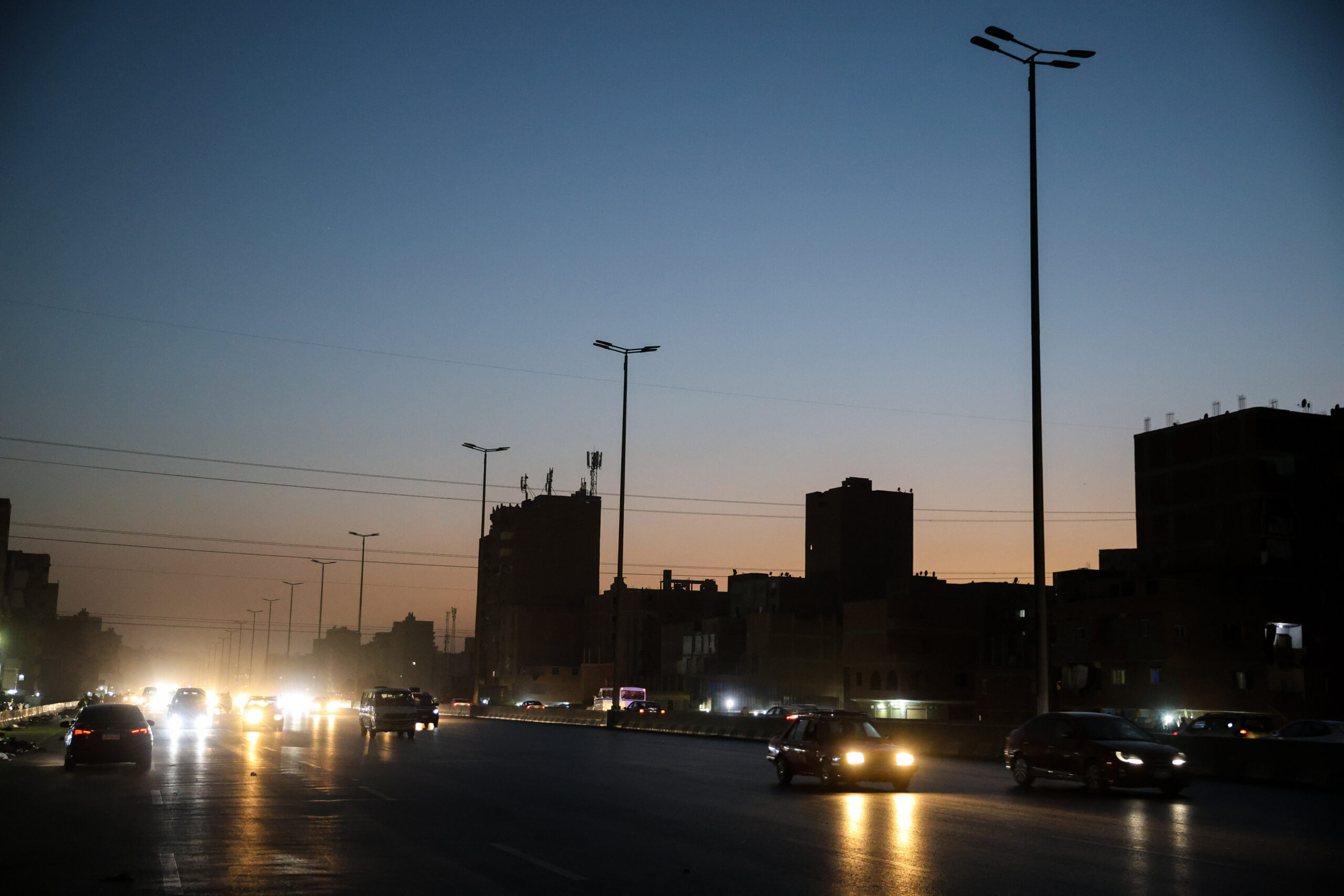
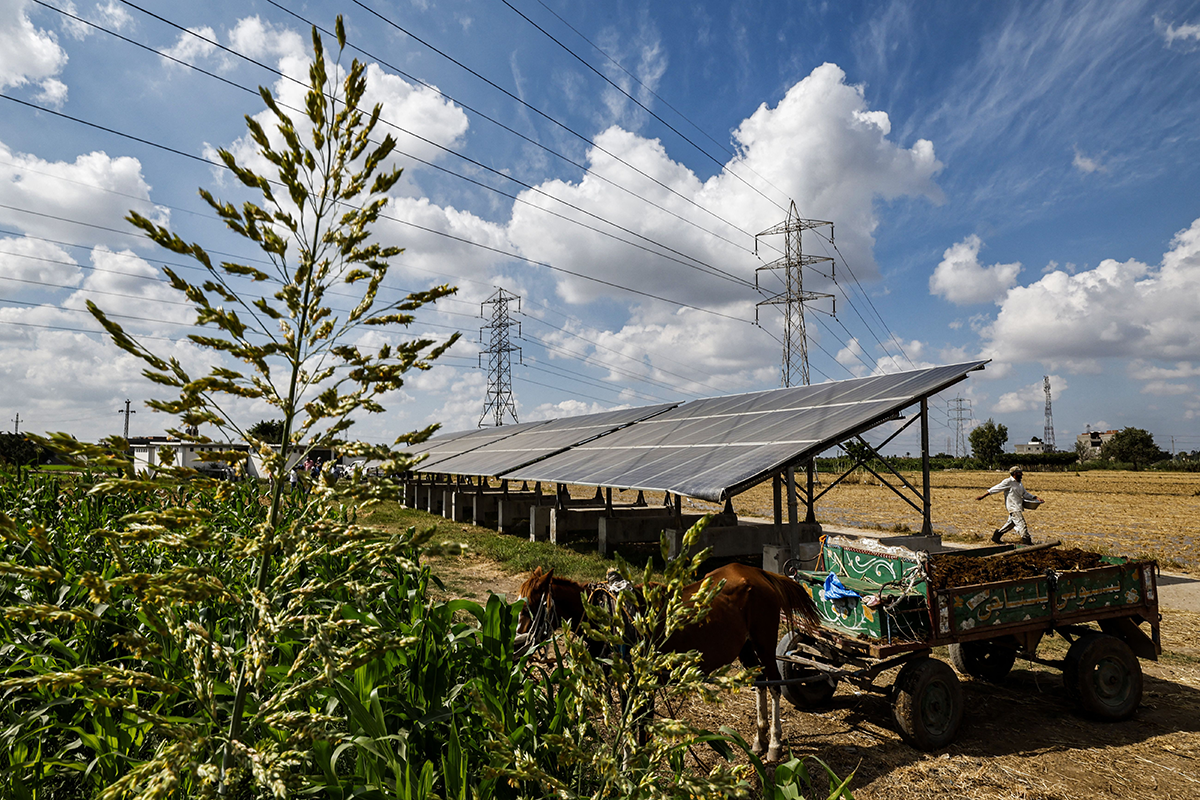
    For Egyptian officials, June should have been a month to celebrate. And yet none of the seeming macroeconomic successes that the government recorded brought much reassurance to the average Egyptian, who has continued to experience currency shortages, an unreliable energy grid, and fears of a resurgent spike in inflation.

    July 12, 2024

    Qatar’s LNG expansion plans and the issue of market oversupply
    Photo by VCG/VCG via Getty Images
  • Analysis
  • Qatar’s LNG expansion plans and the issue of market oversupply

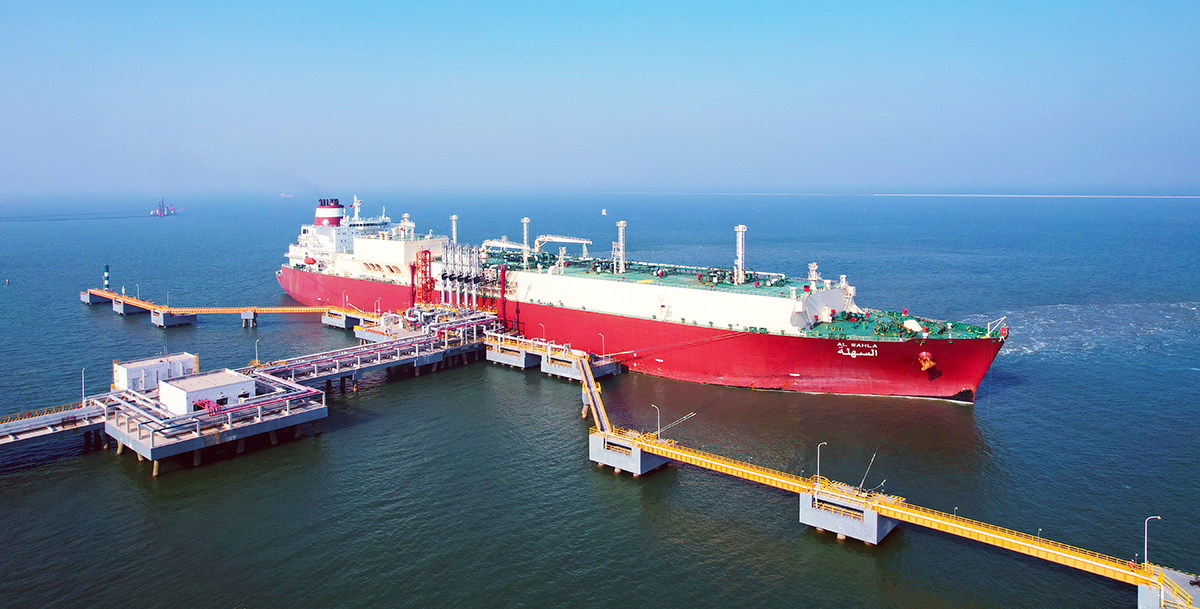
    On Feb. 25, 2024, Qatar announced plans to increase its LNG production capacity by a further 16 million tons per annum (mtpa) in 2029-30, bringing the total to 142 mtpa. This would be the third such large-scale expansion of its LNG production within the next six years, but there’s one wrinkle: These new production volumes are set to come online at a time of significant oversupply in the LNG market. What accounts for Qatar’s decision?

    Navigating the crossroads: Actionable cooperative measures to address global development challenges
    Photo by KHALED DESOUKI/AFP via Getty Images
  • Analysis
  • Navigating the crossroads: Actionable cooperative measures to address global development challenges

    As the world faces unprecedented challenges, from climate crises to migration pressures, the need for concerted action to address financing for development has never been more urgent. Against a backdrop of resource constraints, geopolitical shifts, and faltering progress on the UN Sustainable Development Goals, it is imperative to chart a course of action that is both pragmatic and visionary. This piece outlines 10 actionable measures to tackle these multifaceted challenges and pave the way for a more sustainable and equitable future.

    May 2, 2024

    Despite new sanctions measures, targeting Iranian oil sales is a lose-lose proposition for the US
    Photo by Ali Mohammadi/Bloomberg via Getty Images
  • Analysis
  • Despite new sanctions measures, targeting Iranian oil sales is a lose-lose proposition for the US

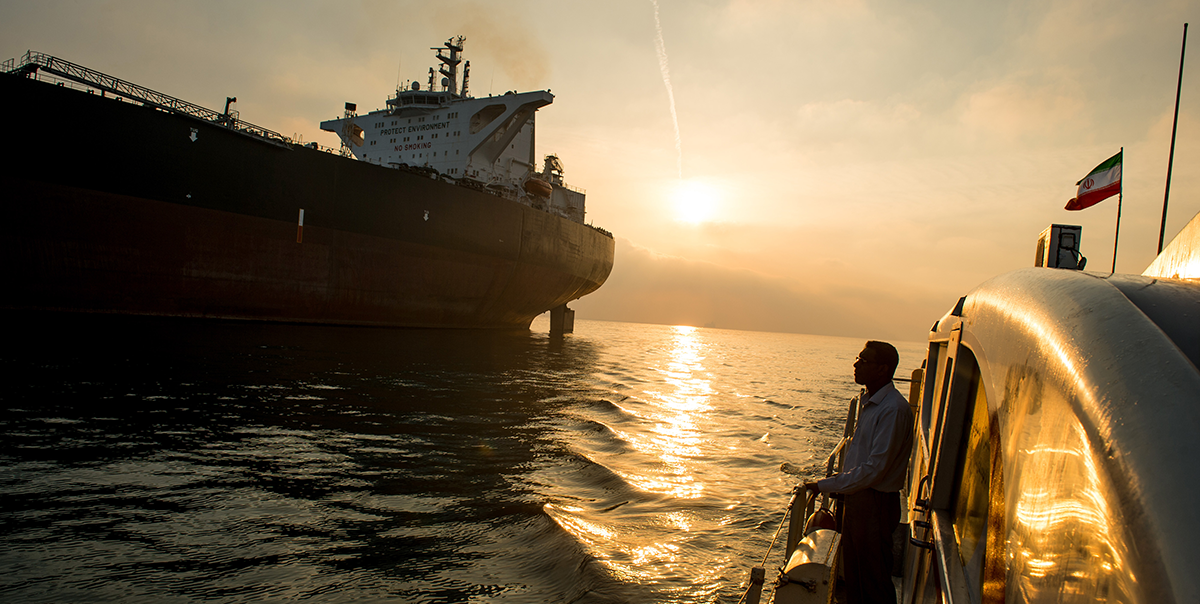
    On April 21, the US House of Representatives passed the long-awaited aid package for Israel, Ukraine, and Taiwan. The legislation contained another long-sought-after measure: authority for the US government to tighten restrictions on Iran’s oil exports. But in truth, aggressive US action remains unlikely and there are powerful operational, strategic, and political barriers preventing the US from shutting down Iran’s oil trade or hindering it in a material way.

    April 24, 2024

    Circus of Parties: The COP is broken but it is the only show in town
    Photo credit KARIM JAAFAR/AFP via Getty Images
  • Commentary
  • Circus of Parties: The COP is broken but it is the only show in town

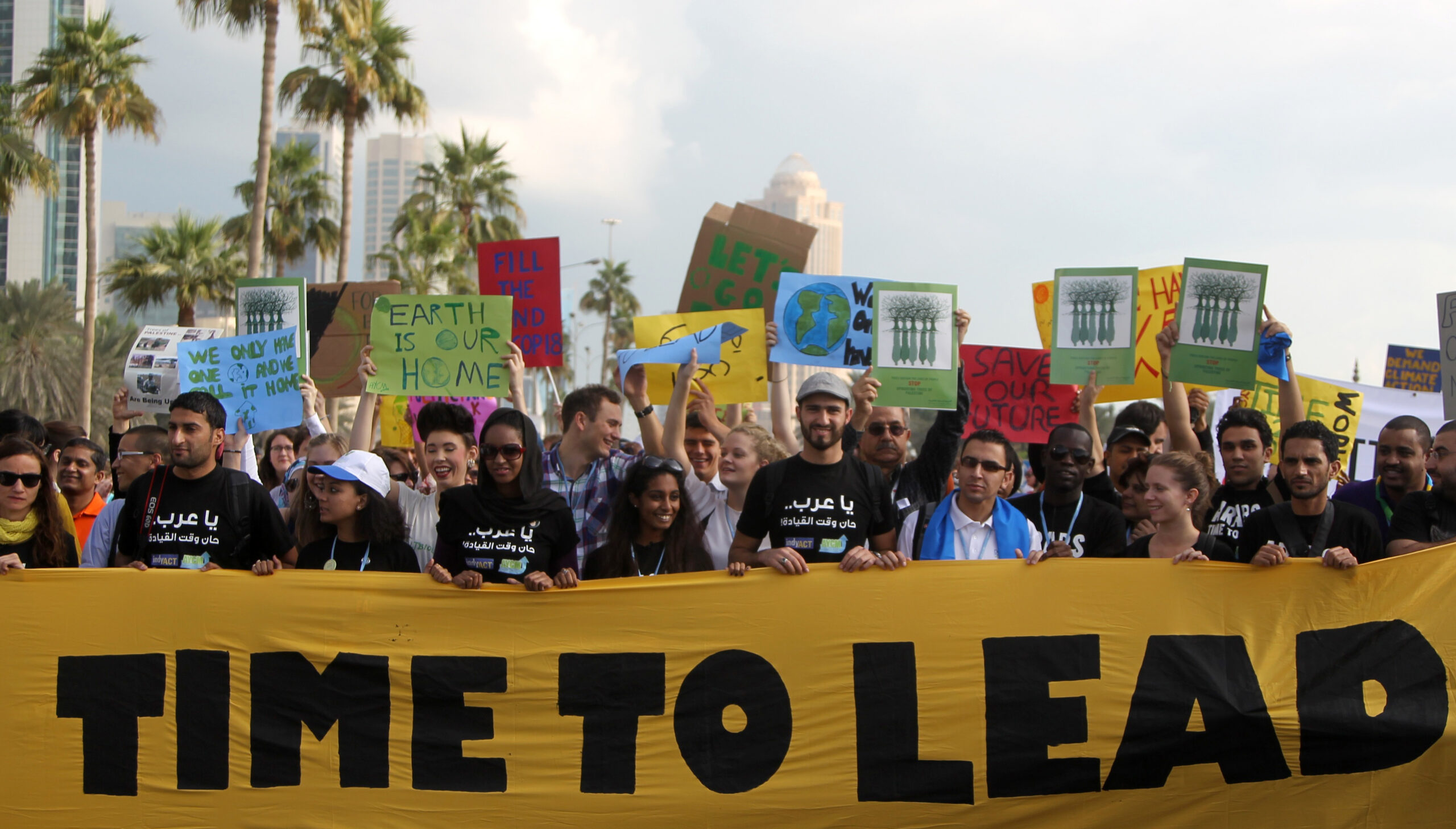
    COP28 was billed as our last best chance to get the world’s act together and save our chances of limiting warming to 1.5 degrees Celsius. However, the final outcome fell far short of the commitments so desperately needed to keep the target alive. The future of COP lies in refocusing on its fundamental objective: ensuring that countries are held accountable to science-based targets that prioritize the needs of vulnerable communities most affected by climate change.

    The great financing gap: The state of climate funding in MENA
    Photo by FADEL SENNA/AFP via Getty Images
  • Analysis
  • The great financing gap: The state of climate funding in MENA

    The Middle East and North Africa region is one of the lowest recipients of climate finance compared to other areas of the globe, such as East Asia and the Pacific Islands, despite MENA’s exposure to extreme climate risks. The MENA region’s share of climate financing from the big three global climate funds — the Green Climate Fund (GCF), the Climate Investment Funds (CIF), and the Global Environment Facility (GEF) — and their sub-funds made up only 6.6% of their cumulative global financing through 2023.

    March 22, 2024

    Africa-to-Europe value chains: How nearshoring can mitigate Europe’s migration crisis and aid energy transition
  • Commentary
  • Africa-to-Europe value chains: How nearshoring can mitigate Europe’s migration crisis and aid energy transition

    Africa-to-Europe value chains in manufacturing and agri-food production can mitigate factors driving current migration patterns by employing Africans in local value-added production and boosting African GDP growth, reorienting Africa-Europe relations towards mutual economic benefit and dignity.

    The implications of Red Sea instability on the global LNG market
    Photo by Dana Smillie/Bloomberg via Getty Images
  • Analysis
  • The implications of Red Sea instability on the global LNG market

    Well over 30 attacks against commercial shipping in the Red Sea have been reported since mid-November 2023, although none have targeted crude oil or liquefied natural gas (LNG) carriers to date. But that is not to say that global energy flows through this critical maritime chokepoint are invulnerable; any harm that came to hydrocarbon carriers traveling into or out of the Red Sea via the Bab el-Mandeb would have far-reaching consequences for international markets.

    February 7, 2024

    Read the Middle East Journal

    The oldest peer-reviewed publication dedicated to the study of the modern Middle East, MEI’s flagship journal covers politics, society, and culture in the region.