The Other MoU: Launching a Europe-Gulf Resilience Initiative After the US-Iran Deal
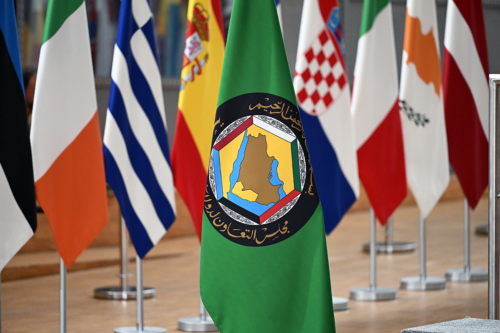
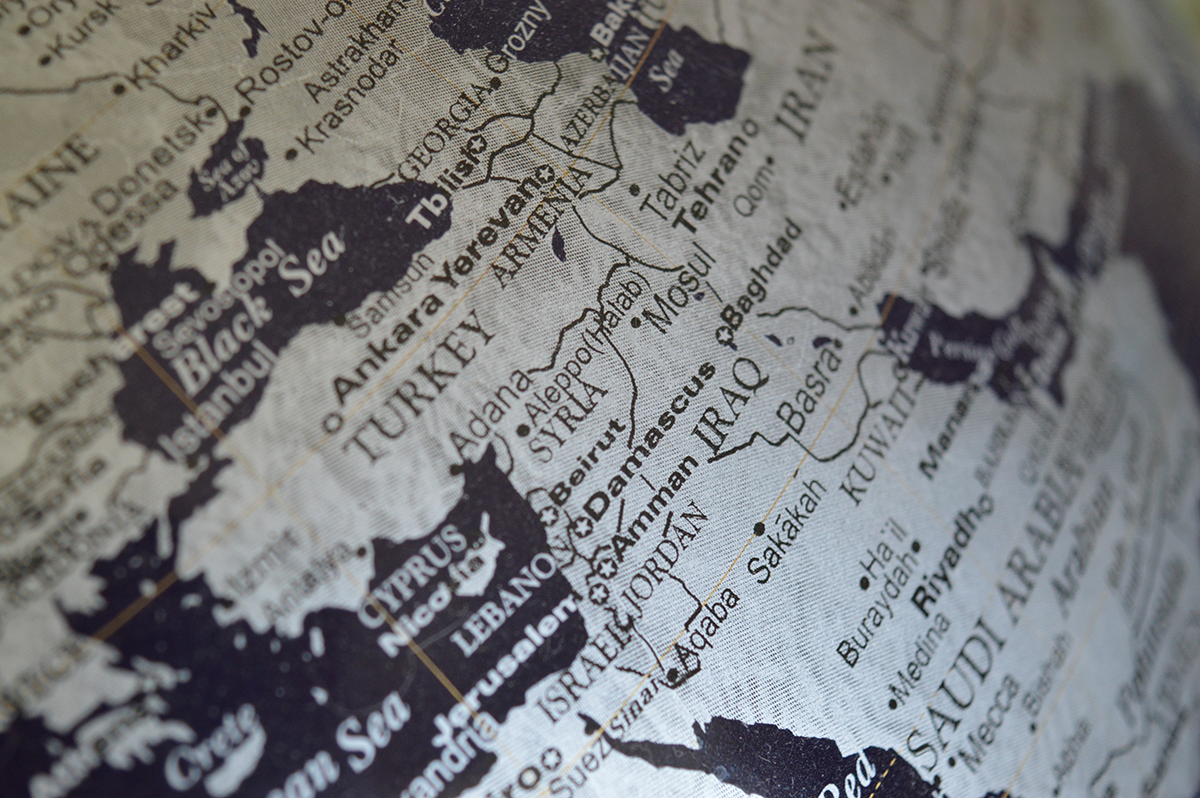
The Islamabad Memorandum of Understanding (MoU) between the United States and Iran may have ended one of the most consequential Middle Eastern crises in decades, but it has not resolved the strategic problem it exposed. Whether the 60-day talks it set in motion will produce a final agreement remains far from certain.Yet the central lessons are already clear: Iran has preserved significant leverage, Washington has had to scale back its ambitions, and Europe and the Gulf face the prospect of protracted regional tension. Europe and the Gulf should therefore use the aftermath of the US-Iran deal to articulate their own “other MoU”: a Europe-Gulf Resilience initiative.
The Impact of the Iran War on the Gulf’s Grand AI Plans
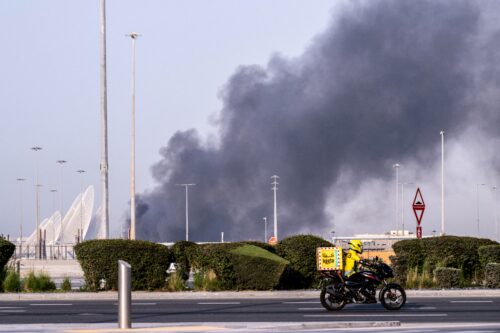
When Iranian drone strikes hit two of Amazon’s data centers in the United Arab Emirates and Bahrain in early March, amid the ongoing US-Israeli war with Iran, much of the media’s reflex was to declare it the end of the Gulf’s artificial intelligence (AI) ambitions. That read is misguided, and it misses why what Iran was trying to accomplish failed.
Just over one year ago, I asked a simple question in The National Interest: What if machine learning—the most famous research paradigm in artificial intelligence (AI) today—is more limited than it seems? I expressed concern that the United States Department of Defense (DoD) could be unprepared for a slowdown or stagnation in AI development (an AI “winter”).
From oil wells to power cells: How Saudi Arabia and its Gulf neighbors are securing their future through battery technology
As the world shifts toward a more sustainable future, the GCC states are also embracing this profound transition, moving from oil wells to power cells. With their vast resources, strategic location, and commitment to sustainability, the Gulf countries are uniquely positioned to become major players in the global battery supply chain. By embracing the potential of battery technology, these nations are not just preparing for a post-oil future but are actively shaping it.
Paul Scharre’s book “Four Battlegrounds: Power in the Age of Artificial Intelligence” straddles two lines of thought: the transformative impact of AI on power and warfare in the 21st century and the dangers AI presents to human freedoms, individual rights, and the meaning of truth and reality.
Understanding the growing Indo-Israeli strategic cyber partnership
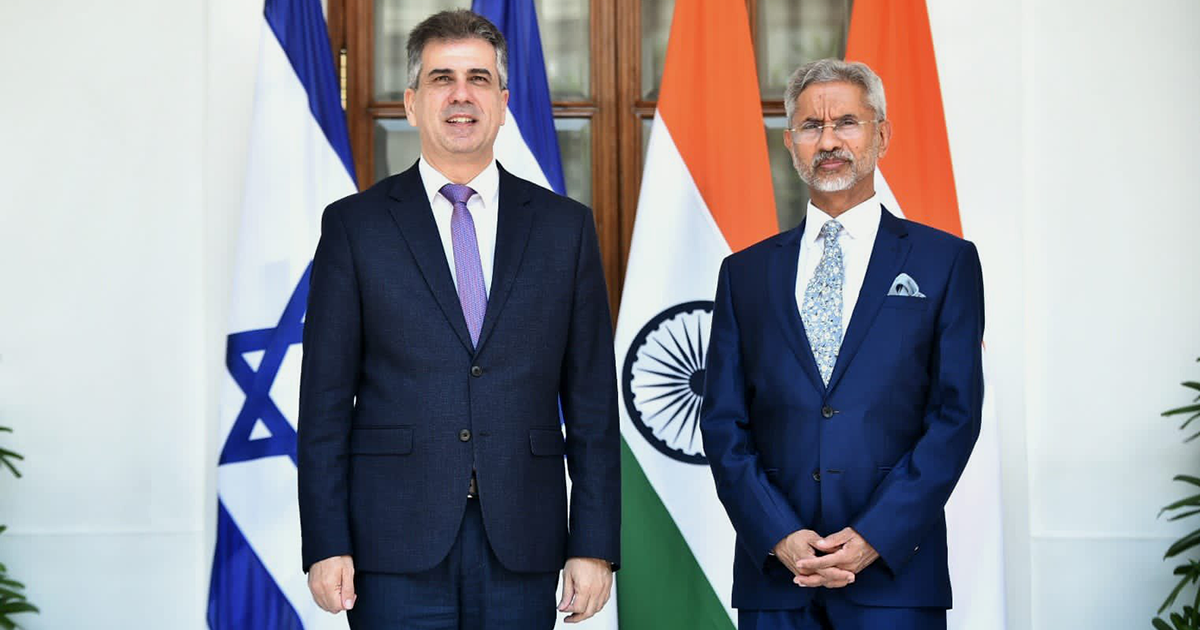
India and Israel have embarked on a mission to enhance their bilateral strategic cyber partnership. Private-sector collaboration and investment have laid the foundation for this partnership, which has now expanded to government-level agreements and frameworks.
Henry Kissinger’s Latest Intellectual Conquest: Artificial Intelligence
Now at 100, Henry Kissinger remains a larger-than-life statesman, strategist, and scholar. Alongside intellectual titans such as George Kennan and Zbigniew Brzezinski, his story intertwines with post-World War II American foreign policy. A recent flurry of articles and editorials that spanned news outlets, think tanks, and policy platforms were put out to celebrate Kissinger’s centennial and commemorate his legacy.
The technical is geopolitical: Expanding US-UAE relations through AI
With AI development disproportionate attention is given to the world’s technological heavyweights, the U.S. and China, as they seek an innovative edge in their great power competition. But Gulf states like the UAE are also moving rapidly to invest in and adopt AI, with significant implications for bilateral relations. The momentum in both the U.S. and the UAE can be leveraged by anchoring further ideas for political, diplomatic, and military cooperation in the technical evolution of AI.
The 2023 National Cybersecurity Strategy: How Does America Think About Cyberspace?
The Biden administration’s National Cybersecurity Strategy, released on March 2, 2023, revamped the U.S. approach to cyberspace and underlined the ways in which the government aims to build a more resilient, defensible, and values-aligned cyberspace. What does the strategy mean and what opportunities might it present for U.S. partners and allies in the Middle East?
What Does the US-China Tech Cold War Mean for the Middle East?
On this week’s episode Alistair Taylor, MEI’s editor-in-chief, is joined by Mohammed Soliman, director of MEI’s Strategic Technologies and Cyber Security Program, to discuss the US-China tech Cold War and what it means for the Middle East. At the nexus of great power competition and rapid technological advances in areas like semiconductors and AI, the rivalry between Washington and Beijing is fuelling a longer-term process of economic and technological decoupling. Navigating this growing divide will be a key challenge for regional actors across MENA.
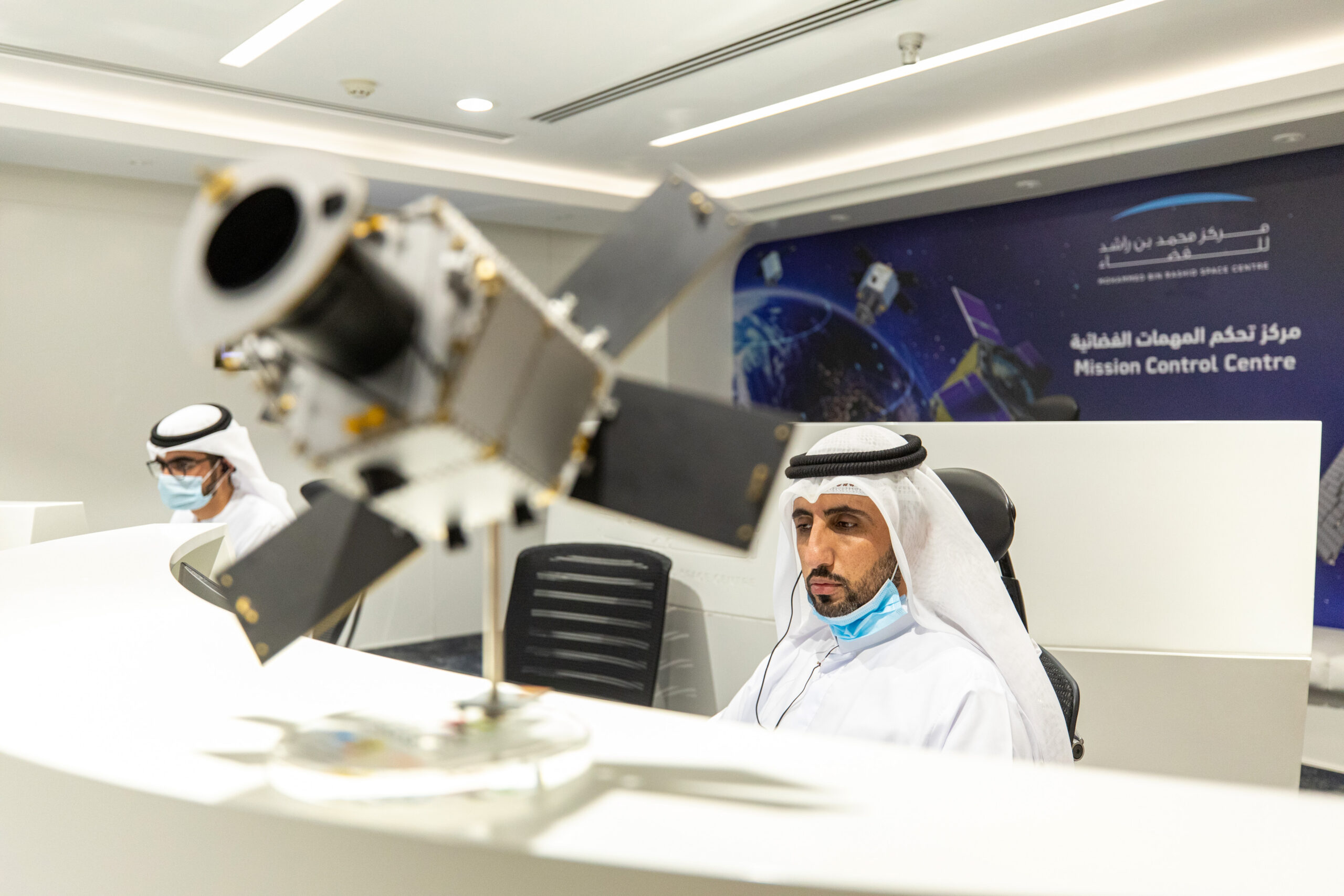
In the Middle East, the Gulf states — working together and on their own — are looking to achieve new scientific and commercial breakthroughs in various areas of the space industry. These ambitions carry major geopolitical implications with them, as an ever-growing number of spacefaring countries negotiate a sensitive and increasingly high-powered sector.
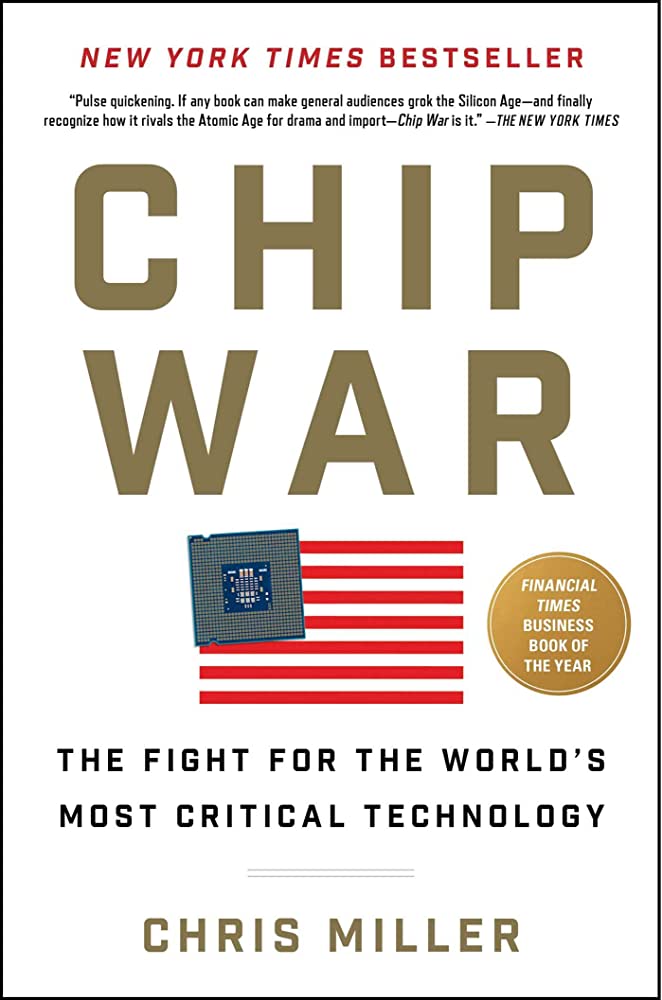
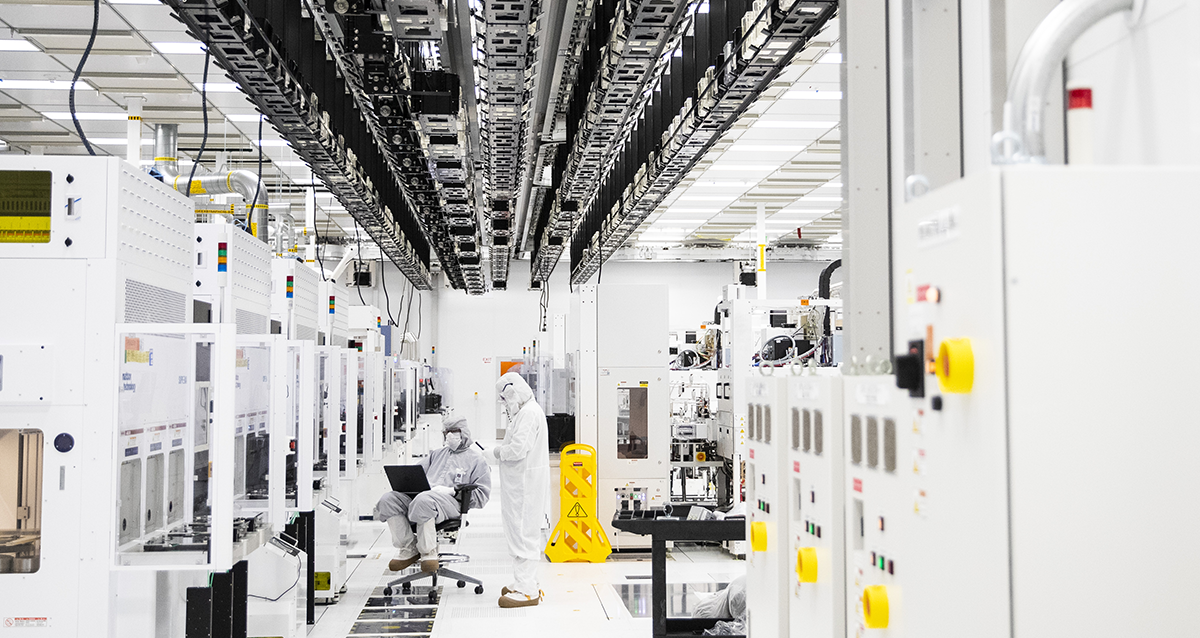
Washington and Beijing look at emerging technologies as a gateway to the new global order. Beijing wants to become an AI and innovation superpower, while Washington pursues a strategy of “tech containment” against Beijing. Chris Miller’s “Chip War: The Fight for the World’s Most Critical Technology” walks us through the history of the semiconductor industry and could not be more timely in light of the Biden administration’s decision to work with allies such as Japan and the Netherlands to limit China’s access to advanced chips with the strategic objective of slowing down Beijing’s technological innovation.
Dispatches from Delhi: India and the changing global order
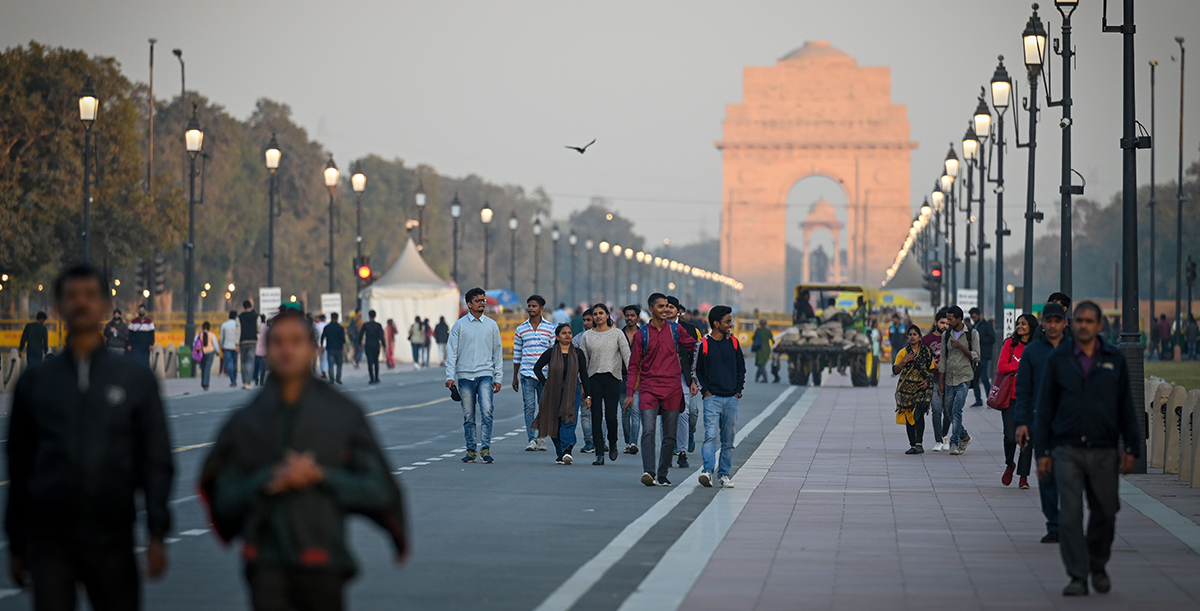
Delhi is one of the few capitals around the world that offers a representative view of the global order. After engaging with a wide variety of Indian policymakers and public intellectuals during a recent visit to India’s capital, I walked away with a better understanding of how Delhi is grappling with some of the main global issues.
The oldest peer-reviewed publication dedicated to the study of the modern Middle East, MEI’s flagship journal covers politics, society, and culture in the region.