The Other MoU: Launching a Europe-Gulf Resilience Initiative After the US-Iran Deal
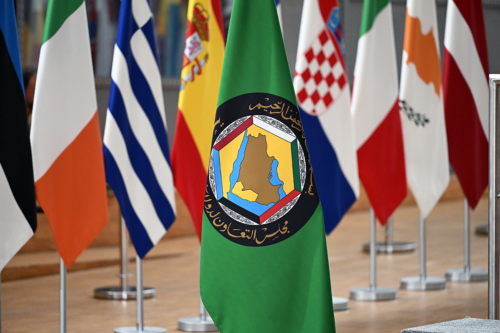
The Islamabad Memorandum of Understanding (MoU) between the United States and Iran may have ended one of the most consequential Middle Eastern crises in decades, but it has not resolved the strategic problem it exposed. Whether the 60-day talks it set in motion will produce a final agreement remains far from certain.Yet the central lessons are already clear: Iran has preserved significant leverage, Washington has had to scale back its ambitions, and Europe and the Gulf face the prospect of protracted regional tension. Europe and the Gulf should therefore use the aftermath of the US-Iran deal to articulate their own “other MoU”: a Europe-Gulf Resilience initiative.
The Impact of the Iran War on the Gulf’s Grand AI Plans
When Iranian drone strikes hit two of Amazon’s data centers in the United Arab Emirates and Bahrain in early March, amid the ongoing US-Israeli war with Iran, much of the media’s reflex was to declare it the end of the Gulf’s artificial intelligence (AI) ambitions. That read is misguided, and it misses why what Iran was trying to accomplish failed.
Middle East cyber priorities for the Biden administration
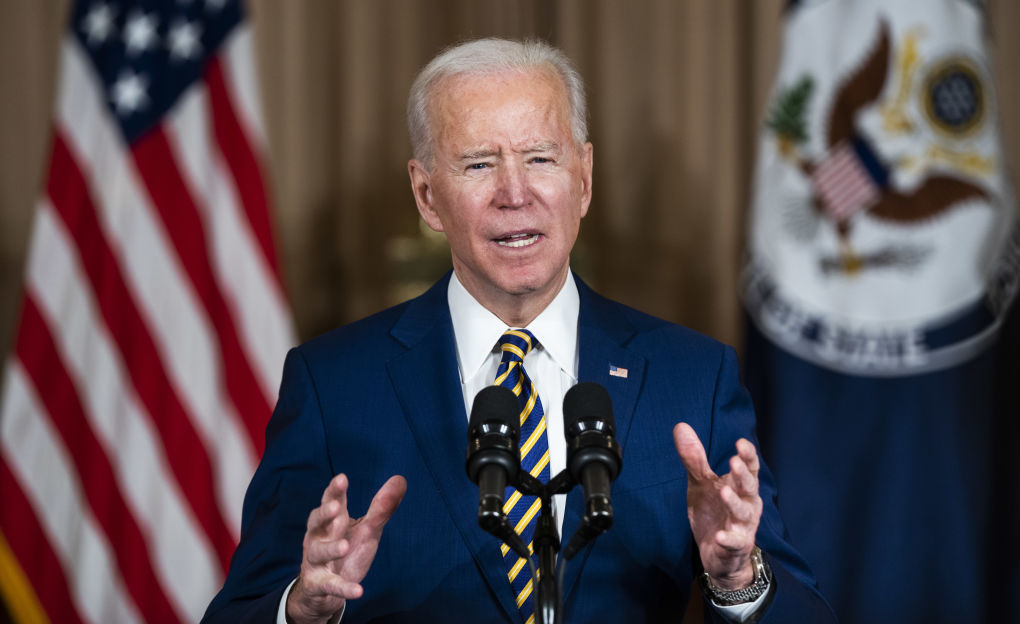
To promote stability in the Middle East and safeguard its interests, the new administration should adopt policies designed to limit damaging activities in cyberspace, support cyber norms in conjunction with strong cooperation agreements, recognize the obstacles to creating a NATO-like regional security alliance, and implement policies restricting the misuse of U.S. technologies by allies to commit human rights violations and spy on their own people.
The Biden Administration and the Middle East: Policy Recommendations for a Sustainable Way Forward
In a new policy briefing book, entitled The Biden Administration and the Middle East: Policy Recommendations for a Sustainable Way Forward, MEI scholars tackle a large number of country-specific and region-wide issue areas, laying out both the abiding U.S. interests and specific recommendations for Biden administration policies that can further U.S. interests amid a region in turmoil.
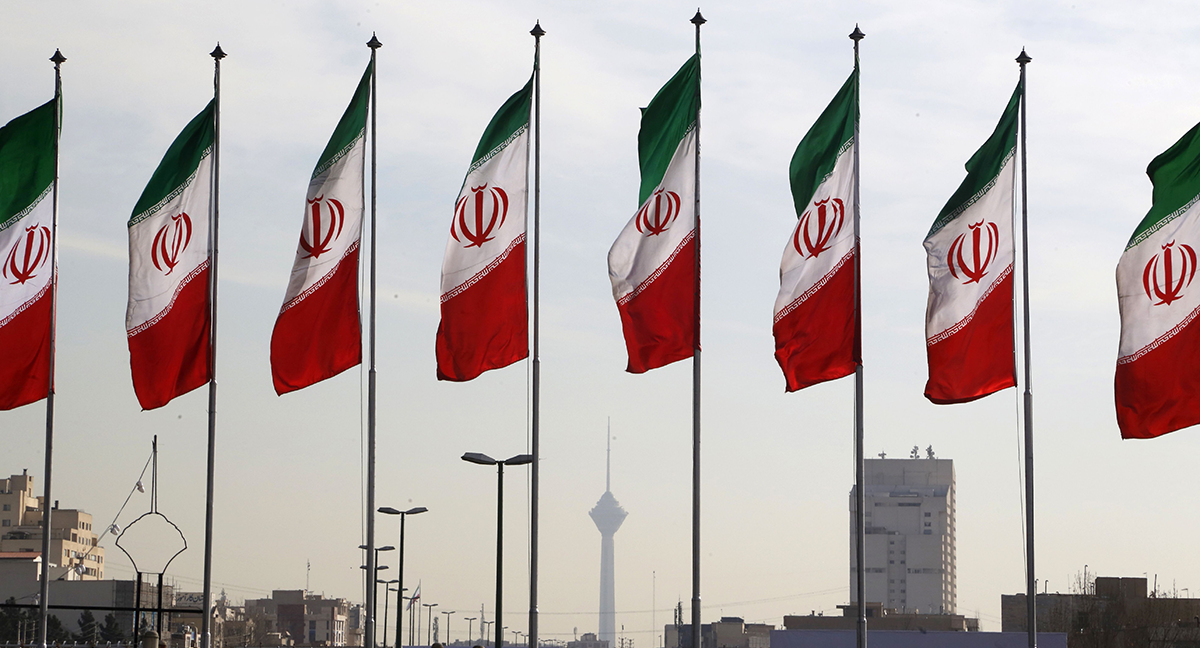
Iran’s attempts to achieve cyber dominance both within the MENA region and around the world have been well documented, particularly its efforts to spread pro-Iranian messaging and “tell Iran’s story.” This strategy is shaped by the challenging international context facing Tehran, which is suffering economically under U.S. sanctions and largely constrained from purchasing weapons under a recently expired U.N. arms embargo.
Geo-technology trends to watch in MENA in the 2020s
Ongoing conflicts in Syria, Libya, and Yemen are expected to continue to destabilize the Middle East and North Africa (MENA) in 2021. However, technology will likely add another layer of complexity to these conflicts and reshape the region throughout the 2020s. When the Arab Spring began a decade ago, the biggest challenge facing long-standing Arab autocrats was grappling with the power of social media and the rise of online political opposition by tech-savvy millennial activists. In the 2020s, however, regional governments are now facing a new set of emerging technologies that will shape not only domestic politics but also regional geopolitical dynamics. These advancing technologies include: drone, cyber, and space technologies.
Houthi terrorist designation raises troubling questions for tech companies
One underrecognized aspect of Houthi operations that the recent FTO designation brings under scrutiny is their online presence. Ansar Allah maintains accounts on YouTube and Twitter, with 26,300 followers and 16,800 followers respectively. It also has an active group with over 22,000 participants on Telegram, an instant messaging service legally headquartered in London with servers in Dubai. The group even has its own official website.
The Biden administration and the Middle East: Four-year policy goals
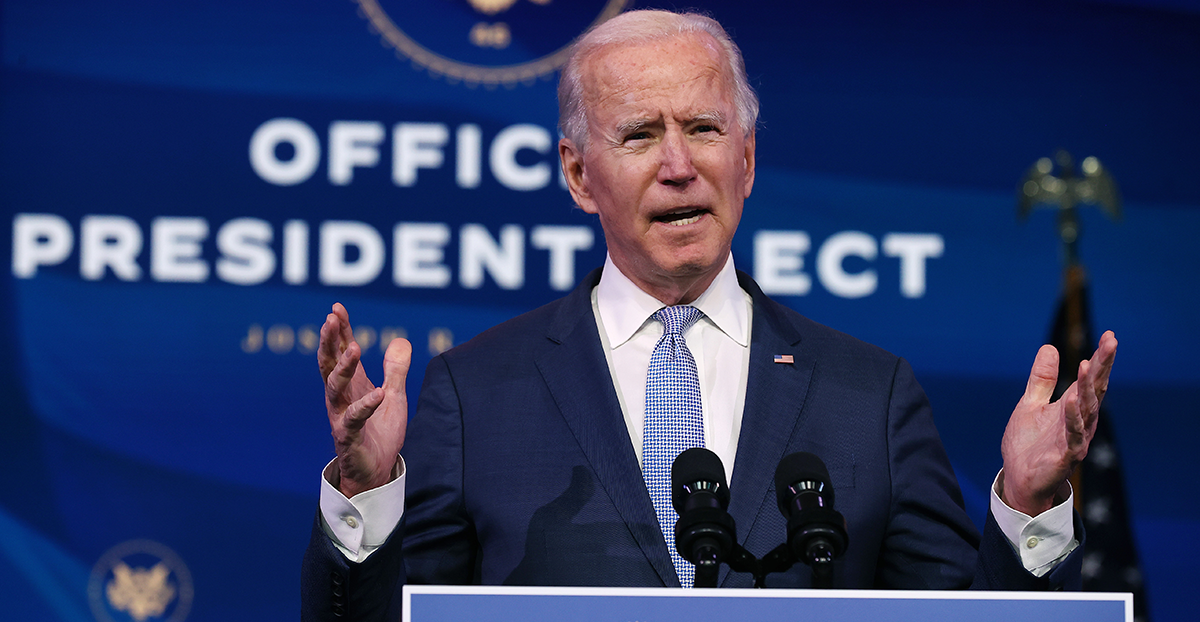
The Biden administration will face a number of major challenges in the Middle East over the next four years, from great power competition and climate change to cybersecurity and refugees and migration. But what realistically can it achieve in that time on the policy front? To better understand what’s possible, we asked 10 experts from across MEI to weigh in with their thoughts.
In the Middle East, cyber sovereignty hampers economic diversification
Rapid and unprecedented transformation in the Middle East, whether political, social, or technological, is forcing governments to reckon with enormous changes. Many governments are responding by attempting to pursue two contradictory paths forward — cyber sovereignty and digital transformation — and they might end up not achieving either.
Richard A. Clarke, the first US “Cyber Czar”, joins guest host Patrick Howell O’Neill, cybersecurity senior editor for MIT Technology Review, to discuss the state of defensive and offensive cyber capabilities across the Middle East, how it is impacting conflicts in the region, and steps the incoming Biden administration can take to reinvigorate US cyber programs.
Iran’s internet shutdown last year was an exercise of its digital power that had been years in the making. Since 2013, the Iranian government has invested heavily in developing its domestic internet known as the National Information Network (NIN). With critical internet infrastructure under its control, the Iranian government can isolate its citizens from the global internet by filtering content, restricting communications, and controlling which platforms they can use.
State of play for Middle East cybersecurity leaders
This new white paper distills the findings of the Middle East Institute panel “State of Play for Middle East Cybersecurity Leaders,” a discussion held in September 2020 about the unique threats, best practices, and corporate landscape in the Middle East and North Africa region.
The UAE eyes AI supremacy: A key strategy for the 21st century
The (UAE is laying the groundwork for regional supremacy in AI. By fostering a web of novel institutions and partnerships, the Gulf state aims to augment its capacity to execute lofty AI policy initiatives. Further signaling its resolve, Abu Dhabi is lavishing the nascent sector with a host of incentives: financial privileges, office space, and even health care coverage. The embrace of AI comes as the UAE is cultivating emerging technologies as a means of boosting and diversifying its rentier economy, as well as signaling its innovation capacity and viability as a global trade powerhouse.
The flaws in the content moderation system: The Middle East case study
Tech platforms like Facebook, Twitter, YouTube, and Google have come to play a central role in questions of free speech, governance, and human rights in the Middle East. In particular, the question of content moderation — how platforms create and enforce policies which determine what kinds of user-generated content are and are not permissible on their services — has become a focal point of these discussions.
The oldest peer-reviewed publication dedicated to the study of the modern Middle East, MEI’s flagship journal covers politics, society, and culture in the region.