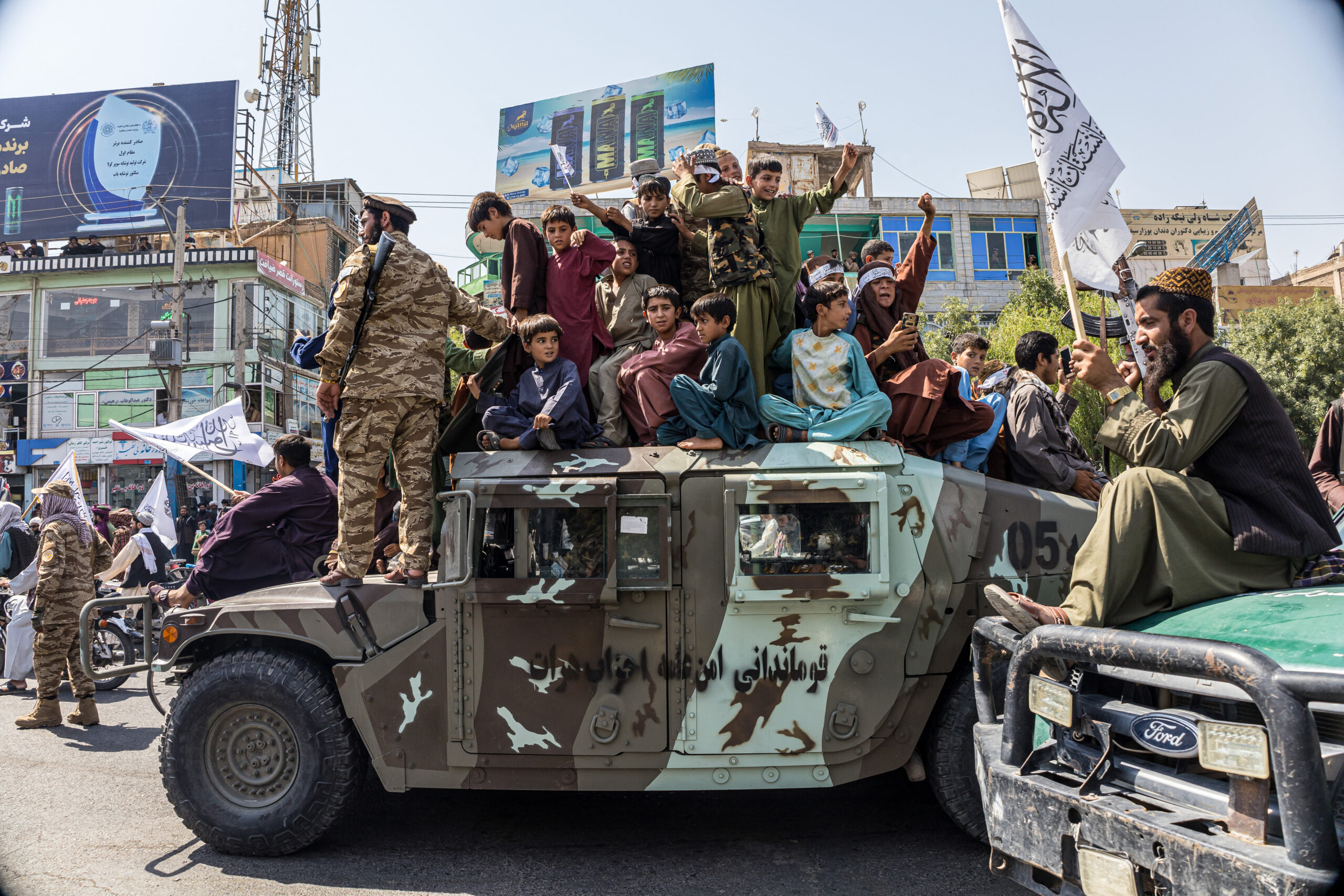
Over the past several weeks, the Houthis have seized the port city of Mokha, Yemen’s western coastline, and several islands in the Bab el-Mandeb Strait, and they are now massing around Marib and Taiz in the first major frontline shift since 2022. MEI Associate Fellow Nadwa Al-Dawsari joins host Matthew Czekaj to unpack the latest developments. Together, they discuss what has allowed the Houthis to advance against Yemeni government forces, the role the militant group plays in Iran’s regional strategy, and what it will take to contain the threat.
Though it has fallen out of the headlines because of the Iran war, Syria has had a dramatically consequential summer. Hosts Alistair Taylor and Matthew Czekaj are joined by MEI Senior Fellow Charles Lister to take stock of recent developments: the dissolution of the Kurdish-led Syrian Democratic Forces, Israeli strikes and the friction with Turkey they have exposed, the standoff in Sweida, as well as Damascus’s bid to turn Syria into a trade corridor between the Mediterranean and the Gulf. Is the transition consolidating or fragmenting nearly two years after the fall of the Assad regime?
As the US-Israel-Iran war enters its sixth month, the conflict has taken a sharp turn. After a brief lull in the fighting, Iran launched a surprise ballistic missile attack on US forces on July 28, and the US and Saudi Arabia struck back at Iran-backed militias in Iraq, marking Riyadh’s entry into the war. MEI Senior Fellow Alex Vatanka joins host Alistair Taylor to discuss the escalation, what may come next, and the state of talks over sharing the Strait of Hormuz.
Despite claiming they are poised to attack, the Yemeni Houthis have yet to join Iran and its other proxies in their fight against the United States and Israel. Hosts Alistair Taylor and Matthew Czekaj speak to MEI Associate Fellow Nadwa Al-Dawsari to unpack why the Houthis continue to stay on the sidelines of the Iran war and what might prompt them to join the fray. They also discuss the Houthis’ evolving role within the Axis of Resistance, what the Yemeni group has learned from its earlier rounds of direct conflict with Israel and the US, as well as whether its actions could precipitate a renewed flareup in Yemen’s civil war.
Surviving October 7th: Amir Tibon on Trauma, War, and Israel’s Future
Brian is joined by Amir Tibon, a journalist for Haaretz and the author of The Gates of Gaza: A Story of Betrayal, Survival, and Hope in Israel’s Borderlands and The Last Palestinian: The Rise and Reign of Mahmoud Abbas. On October 7, 2023, the Tibon family’s lives were changed forever when Hamas militants invaded Nahal Oz kibbutz, destroying their community, brutally killing their neighbors, and taking others hostage. Together, Brian and Amir examine the fallout from the events of October 7th, how public opinion in Israel and the United States has shifted over the past two and a half years, Israeli Prime Minister Benjamin Netanyahu’s political strategy, and what this all means for the future of Israel and its relationship with Palestinians and the broader region.
Lebanon on the Brink: Hizballah, Iran, and the War’s Spillover
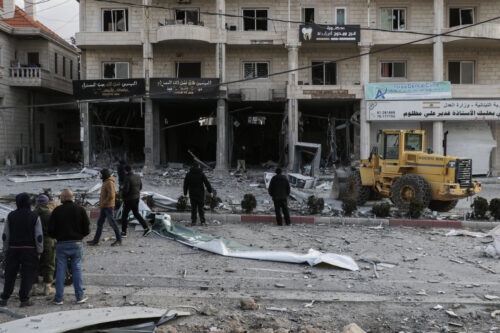
Hosts Alistair Taylor and Matthew Czekaj are joined by MEI Senior Fellow Fadi Nicholas Nassar to discuss Hizballah’s role in the escalating conflict in the Middle East and the implications for Lebanon. A day after the United States and Israel launched a joint military campaign against Iran, Tehran’s Lebanese proxy fired missiles at northern Israeli territory. Israel responded swiftly and forcefully, and Lebanon’s government and population now fear the Iranian-backed militia is dragging the country back into war. The conversation explores the broader repercussions of Hizballah’s actions against the backdrop of a widening war in Iran and Lebanon’s quickly evolving political climate. Nassar also outlines recommendations for how Lebanon can move forward as a sovereign and effective state.
How Lebanon’s authorities can keep the Iran war from engulfing the country
Today’s decision taken by the Lebanese government — to declare all of Hizballah’s security and military activities illegal — is a landmark development. But how the government and the Lebanese Armed Forces implement this directive now that a new round of attacks has actually taken place will be the ultimate test of their credibility.
Ambiguous Uncertainties: Phase Two of Trump’s Plan for Gaza
MEI Senior Fellow Lucy Kurtzer-Ellenbogen joins hosts Alistair Taylor and Matthew Czekaj to discuss the latest developments in Gaza. Nearly four months after the Israeli government and Hamas agreed to President Donald Trump’s 20-point plan, Washington has announced that phase two of the process is now underway. Kurtzer-Ellenbogen, Taylor, and Czekaj examine the humanitarian situation in the devastated coastal strip, assess what phase two could entail, break down how international actors are responding, and explore what would need to happen to realize the plan’s aspirations.
Held Hostage by Iran’s Militias: Where Are They Now?
The Middle East Institute invites you to an in-person panel with Elizabeth Tsurkov, Senior Non-Resident Fellow at the New Lines Institute. It will be moderated jointly by Charles Lister, Senior Fellow at the Middle East Institute, and Benjamin Wittes, Senior Fellow in Governance Studies at The Brookings Institution
Iran’s Axis of Resistance After the 12-day War: Adaptation, Restructuring, and Reconstitution
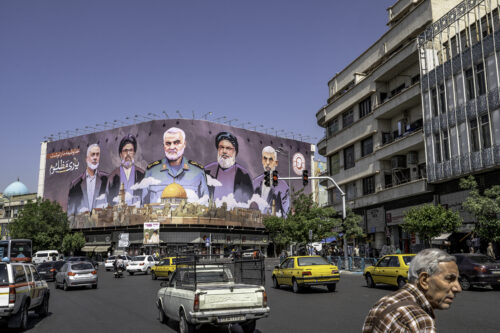
Since Israel’s 12-day war against Iran, Tehran and its network of regional proxies and non-state allies, the so-called Axis of Resistance, have entered a phase of strategic dormancy — an outward calm concealing rearmament, financial adaptation, and ideological renewal.
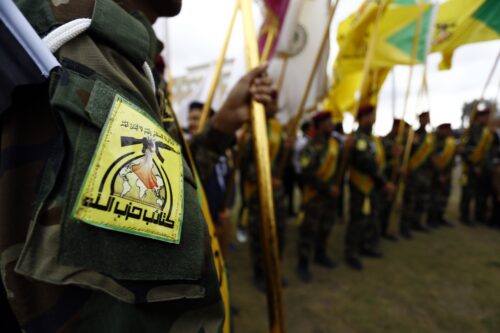
This backgrounder provides an overview of the Axis of Resistance, a loosely aligned network of armed groups and state actors led and supported by Iran to project its influence and military strength across the Middle East.
This backgrounder provides an overview of the history of Hamas, its ideology and leadership, military capabilities and goals, the October 7 attack, relevant US government policies and legislation, and the group’s future in Gaza.
The legitimacy trap: How international institutions sustain the Houthis’ hold on Yemen
For years, the prevailing assumption was that the Houthis’ survival depended on battlefield victories and Iranian support. Both are essential, but there is a third critical and often overlooked factor: the weaponization of international engagement. In a pattern that continues to repeat itself, engagement without accountability strengthens rather than moderates Houthi behavior.
Will Syria join the Global Coalition to Defeat ISIS?
The joint al-Dumayr operation in mid-October was the fifth instance of coordination between the Global Coalition to Defeat ISIS and the Syrian government to confront the Islamic State, amid Western calls for Damascus to officially join the international effort. What’s at stake and what are the potential scenarios moving forward?
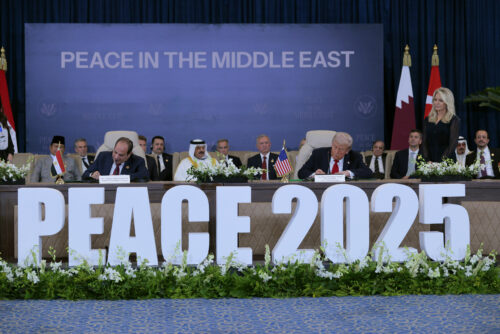
The October 2025 cease-fire and hostage-release deal that ended the Israel-Hamas conflict marks the beginning of a complicated post-war phase. The agreement has created important opportunities to advance stability in the Middle East and build a lasting and sustainable peace marked by enhanced regional security and integration, but there are considerable risks to manage. Achieving these goals will require coordinated international action along multiple lines of effort: security, rule of law, recovery and reconstruction, responsive governance, and steady and focused diplomacy to build confidence among key parties.
Lebanon and the UNIFIL Mandate: Disarming Hizballah and Reclaiming Sovereignty
With its new government at the half-year mark and the UNIFIL international peacekeeping force’s mandate due for reauthorization at month’s end, Lebanon stands at a pivotal moment. In this episode of Middle East Focus, hosts Alistair Taylor and Matthew Czekaj are joined by MEI Senior Fellow Fadi Nicholas Nassar to evaluate whether the Lebanese state can reclaim its sovereignty, starting with the disarmament of Hizballah and the enforcement of a cease-fire.
The oldest peer-reviewed publication dedicated to the study of the modern Middle East, MEI’s flagship journal covers politics, society, and culture in the region.