Curb Your Enthusiasm: Why the Midterms Might Not Change Much in US Middle East Policy
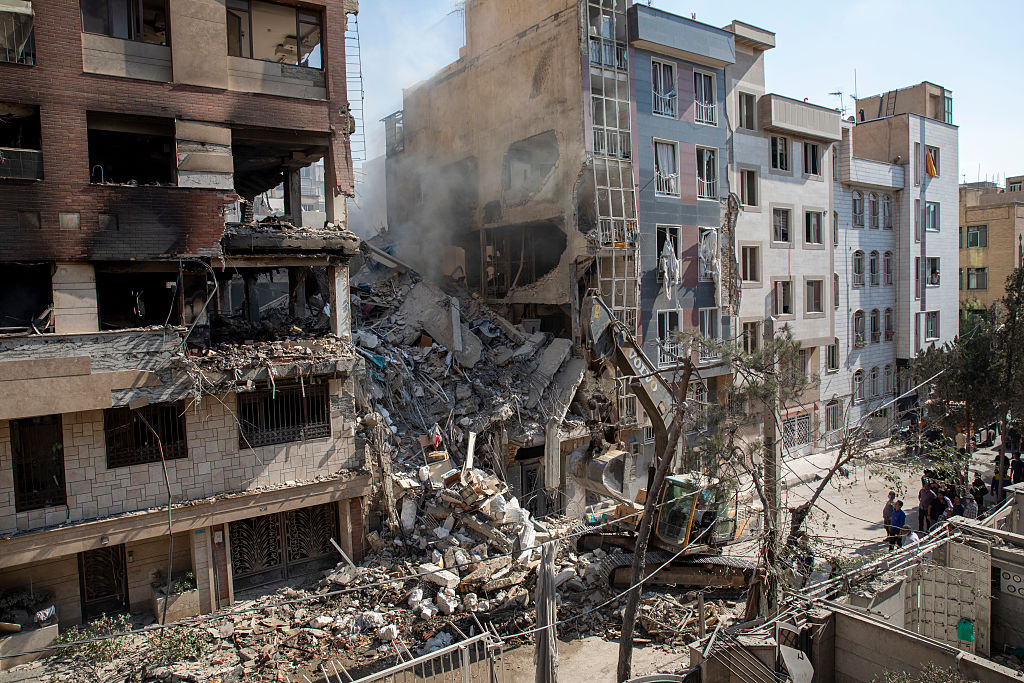
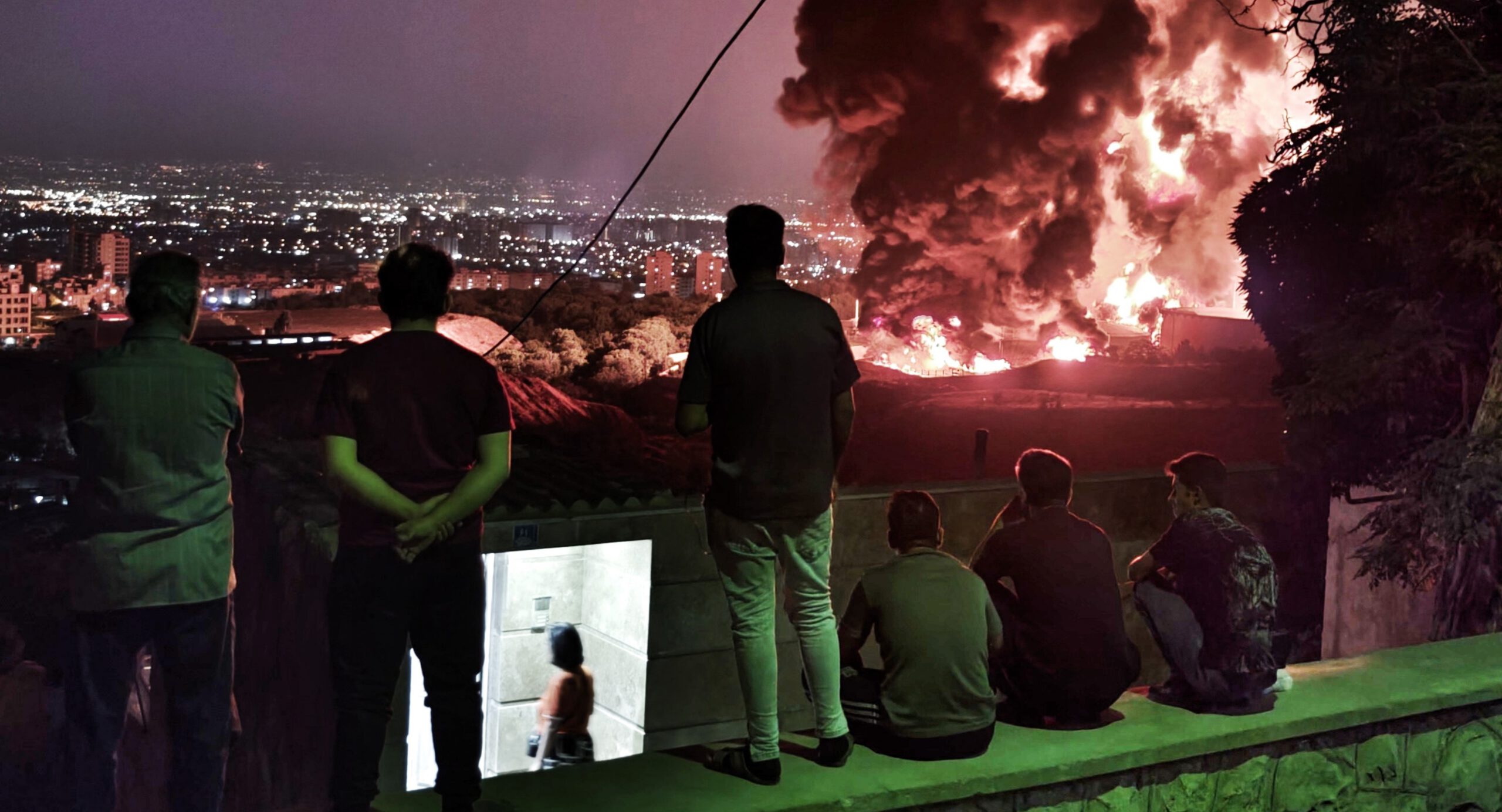
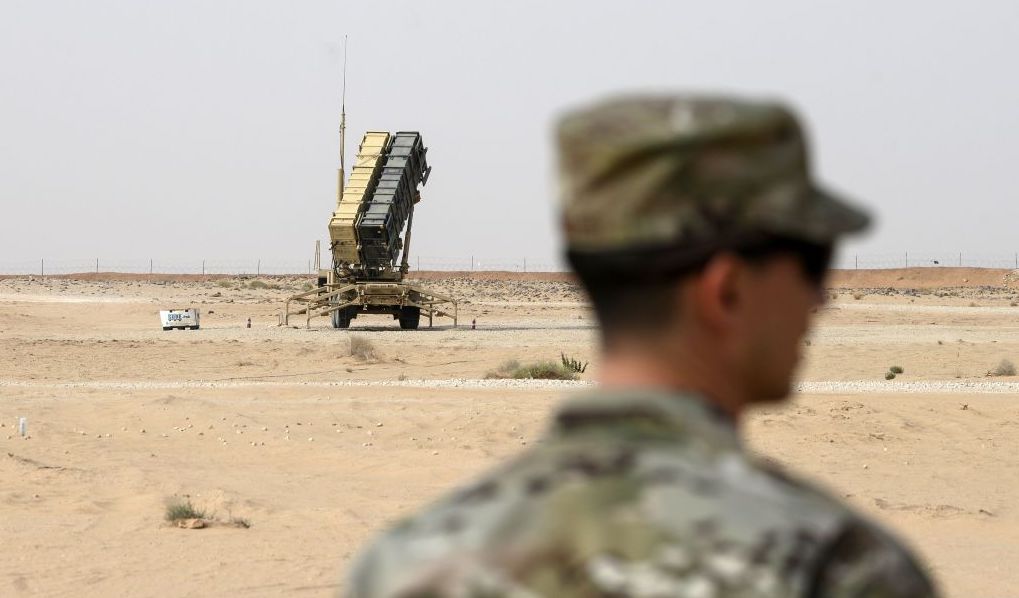
With less than a week before the midterm elections in the United States, the spotlight is on the economy and cultural divides. US foreign policy remains mostly on the sidelines, but this year’s inconclusive Iran war and its effect on America’s economy have shaped the broader political environment in this electoral cycle.
Geopolitical influence over trade increasingly rests on controlling the systems that make them work. The Middle East illustrates the stakes. US ports, cable corridors, cloud facilities, artificial intelligence (AI) investments, and maritime routes connect regional economies to global commerce while exposing them to external decisions and disruptions. For the United States, the challenge is to translate technological advantage into resilient networks rather than rely on centrality that can itself become a source of vulnerability and coercion.
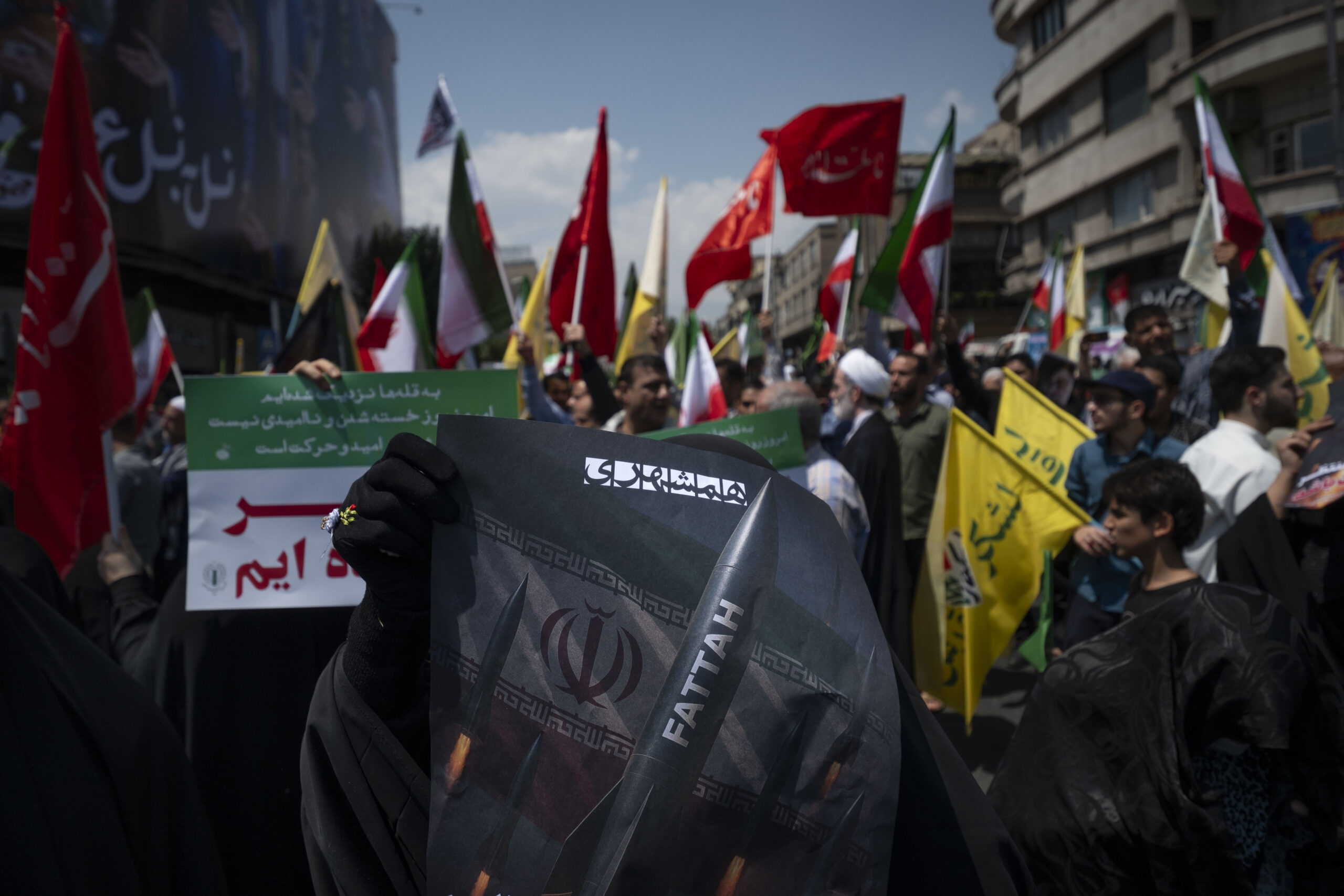
Washington says it doesn’t know who runs Iran. Tehran insists its leadership is united. MEI Senior Fellow Alex Vatanka joins hosts Alistair Taylor and Matthew Czekaj to sort out where the truth lies. They look at the small circle of political and military figures now steering the war effort in Tehran: who they are, how they make decisions, and how unified they really are. They also discuss the current state of US-Iran negotiations, the role of the upcoming midterm elections in the United States, and how the Islamic Republic is preparing for a potential renewal of conflict afterward.
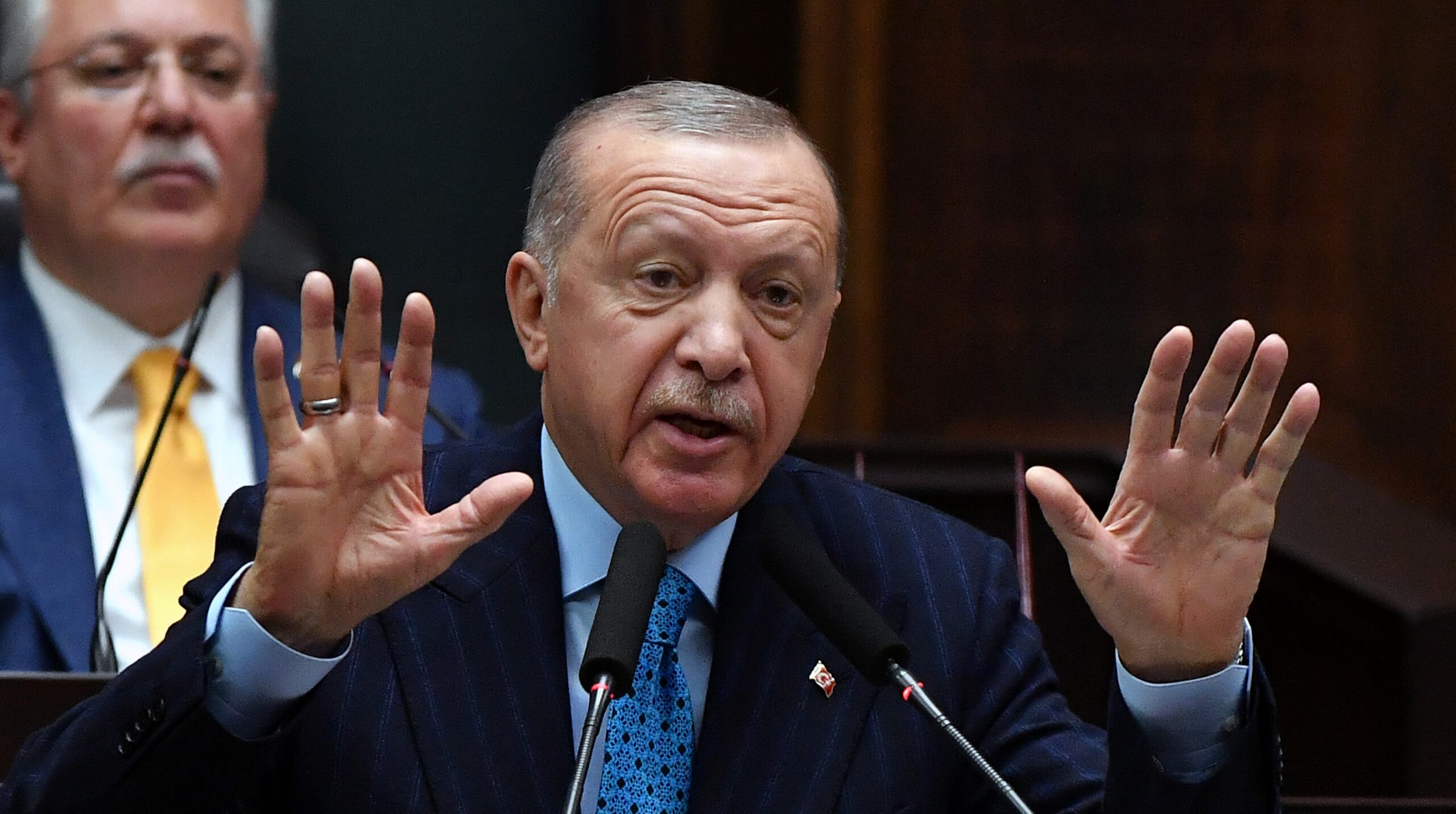
Caught in the crossfire: How the Iran-Israel war undermines Erdoğan’s agenda
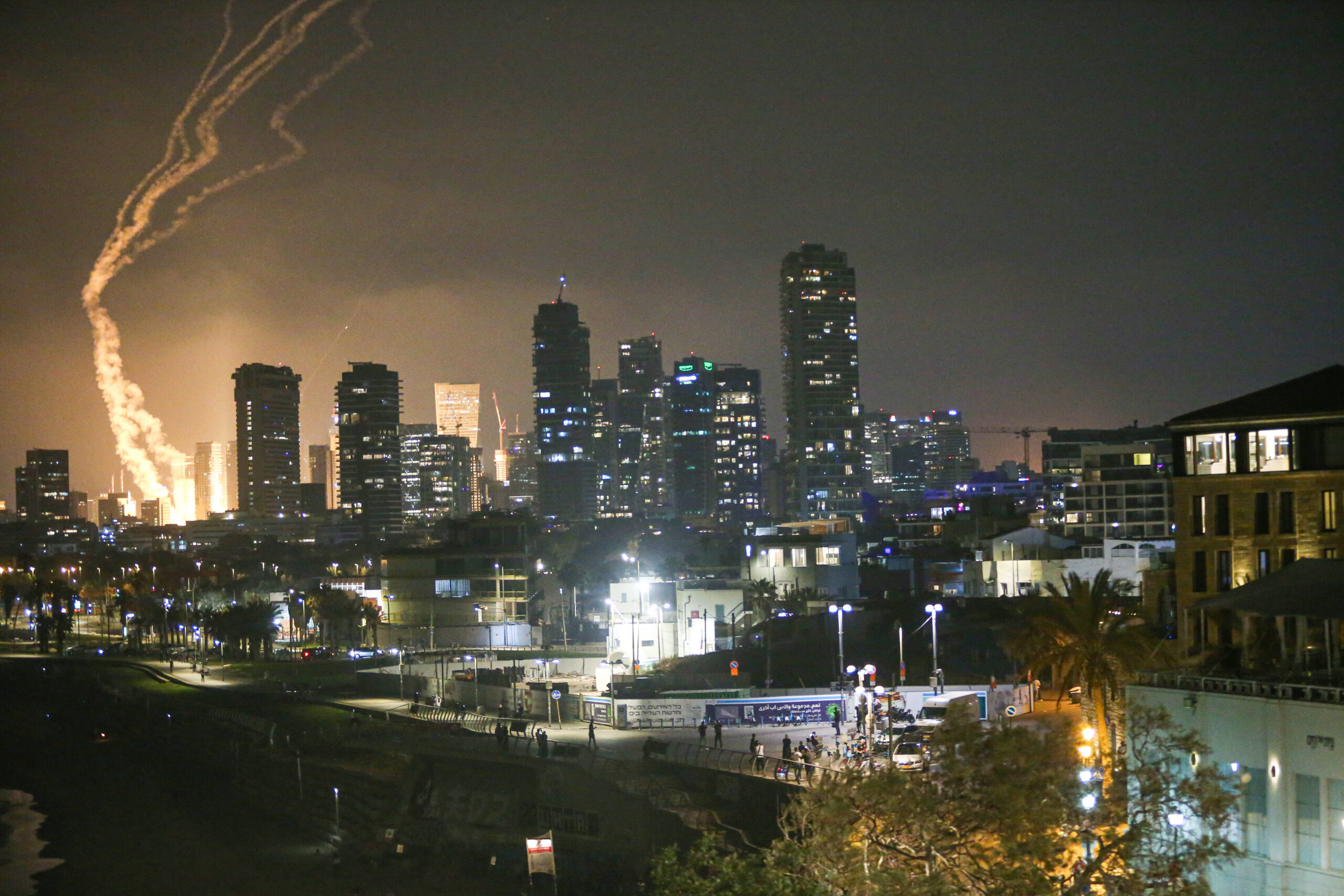
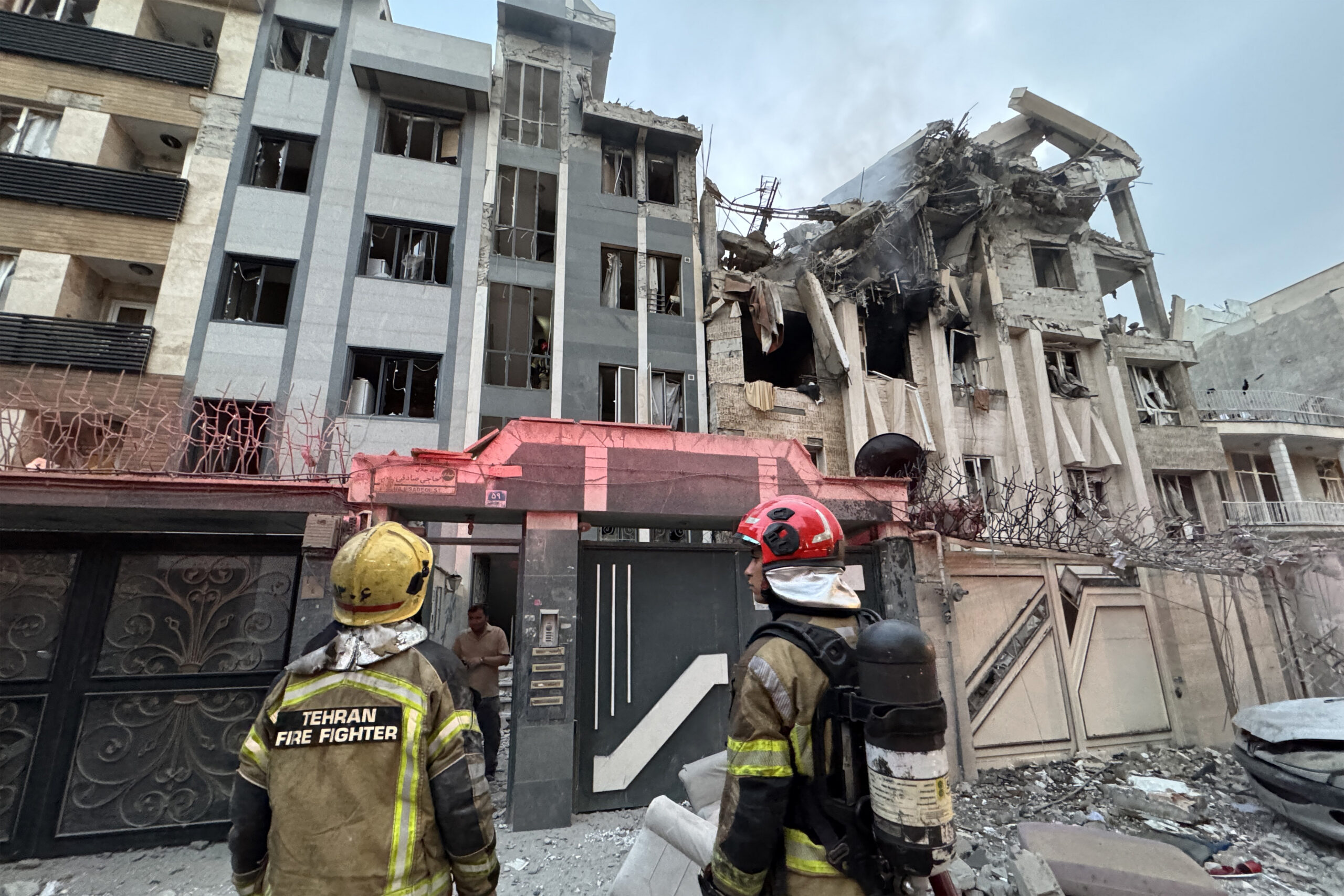
Israel’s full-blown war against Iran threatens to upend regional dynamics and Turkey’s careful balancing act. The conflict presents both immediate threats and long-term strategic risks for Turkey.
US has an opening to force concessions from Iran in a potential deal
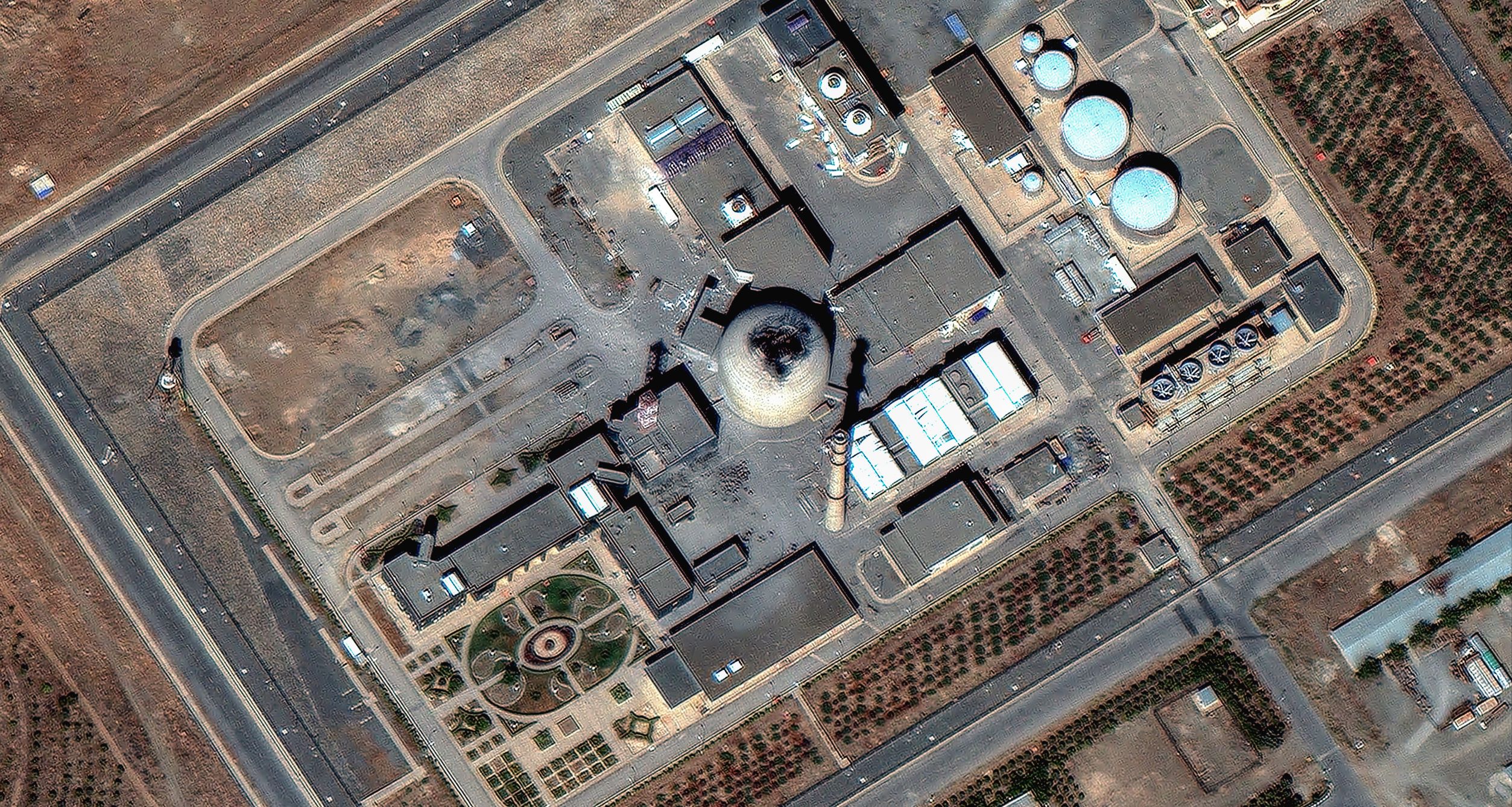
As the Israel-Iran conflict intensifies, warnings are growing louder that the war could result in hazardous and destructive radiological spillover to much of the region. But the posturing of various key actors in the Gulf and beyond has opened the door to a broader political settlement between the United States and Iran that could end the hostilities before such a dangerous scenario comes to pass.
A divided and distracted America edges towards another major Middle East war
As the world watches and waits to see whether the conflict between Israel and Iran escalates into a wider war and whether the United States gets more directly involved, Americans remain sharply divided and mostly distracted by events closer to home, for now.
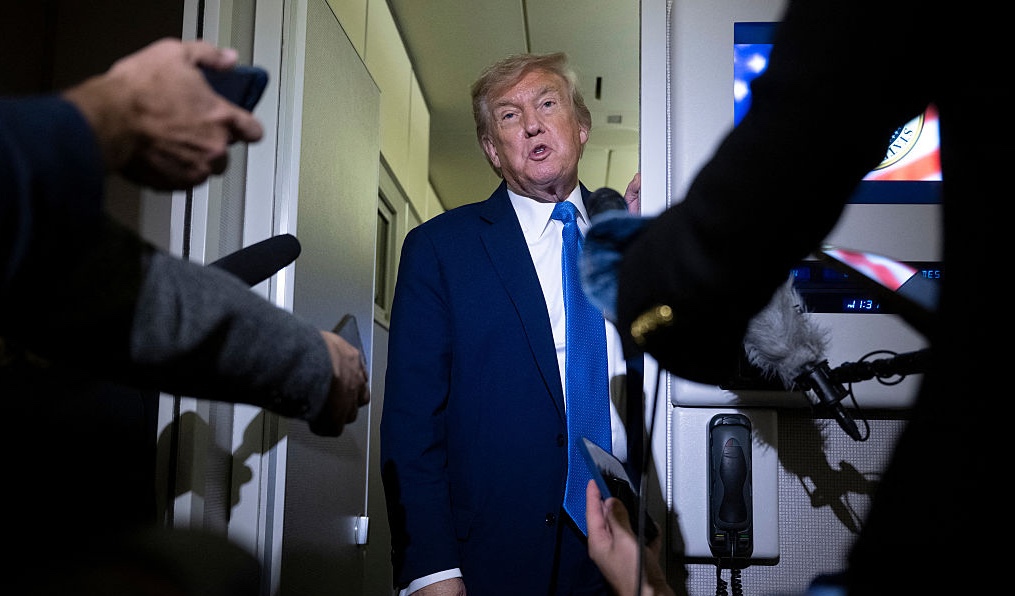
President Donald Trump threatens Iranian Supreme Leader Ali Khamenei. But measured language and disciplined policy can help prevent escalation and protect American interests.
The Israel-Iran war: Scenarios for the days — and years — ahead
The evolving confrontation with Israel and the United States places the Islamic Republic of Iran at a critical inflection point. Tehran faces choices that range from limited negotiation and strategic restraint to escalation and eventual collapse. The following analysis explores the key scenarios that could unfold in the coming days, weeks, and years.
The Iran-Israel Conflict and the Future of the Iranian Regime
Senior Fellow Alex Vatanka joins hosts Alistair Taylor and Matthew Czekaj to examine the dramatic escalation between Israel and Iran following Israel’s targeted strikes on Iranian nuclear sites, infrastructure, and senior IRGC officials. Vatanka discusses how the Iranian regime is responding, the risk of wider regional conflict, and whether the current campaign could mark the beginning of the end for the Islamic Republic.
Where do we go from here? Day 5 of the Israel-Iran war
The past four days have clarified much about what Israel wants from this conflict, what Iran can and cannot do to fight back, and what decisions confront the American president over the next few days.
Sanctions are lifting, but Syrians still can’t go home
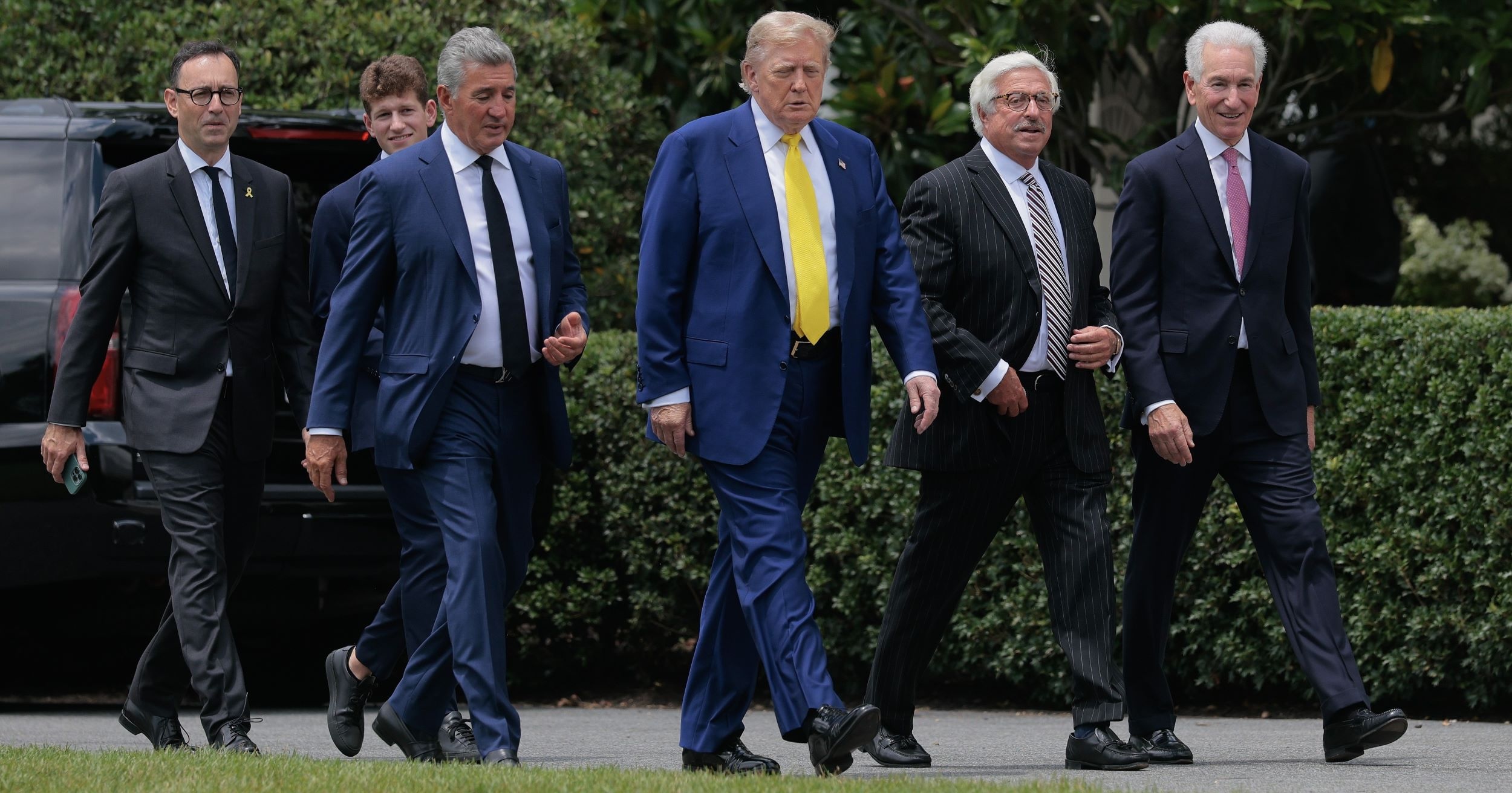
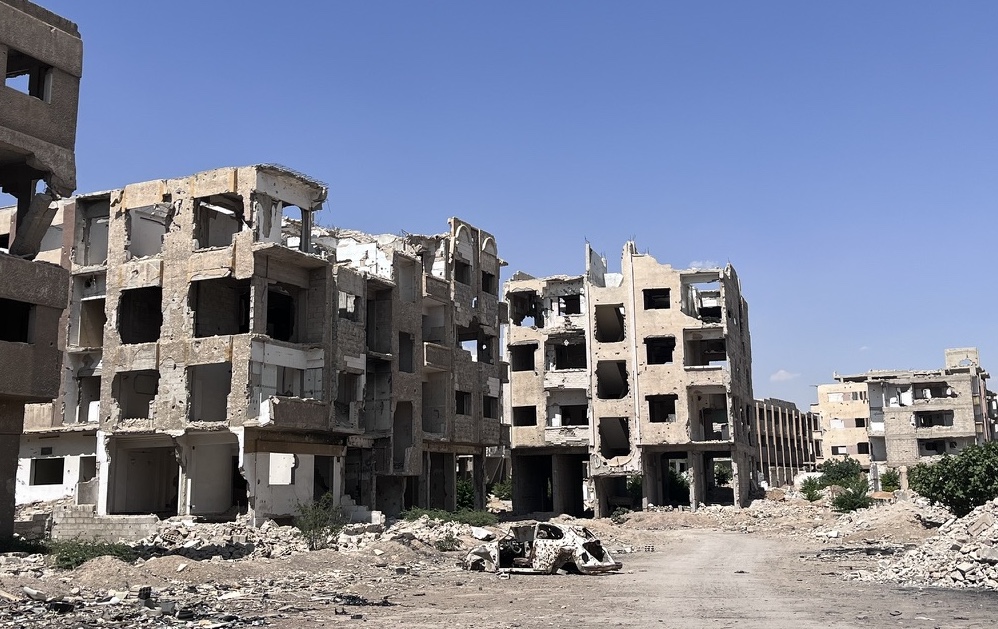
On May 23, President Donald Trump’s administration suspended the majority of sanctions on Syria, marking the most sweeping shift in the policy of the United States toward Damascus in over a decade. But lifting sanctions will not magically make Syria safe for return. For millions of displaced Syrians, their country remains a minefield — literally and bureaucratically.
The ripple effects of US foreign aid cuts to food and water access across North Africa
When Executive Order (EO) 14169, “Reevaluating and Realigning United States Foreign Aid,” was issued and implemented by the administration of President Donald Trump in early 2025, it effectively halted nearly all US foreign aid. The order primarily suspended the disbursement of non-military aid programs, leading to the termination of US-funded assistance projects, contracts, and employment across the world. The impact of this abrupt elimination of foreign aid was especially acute for humanitarian and development programs, crippling those targeting food assistance, clean water access, public health, and agricultural support.
Building Syria’s new army: Future plans and the challenges ahead
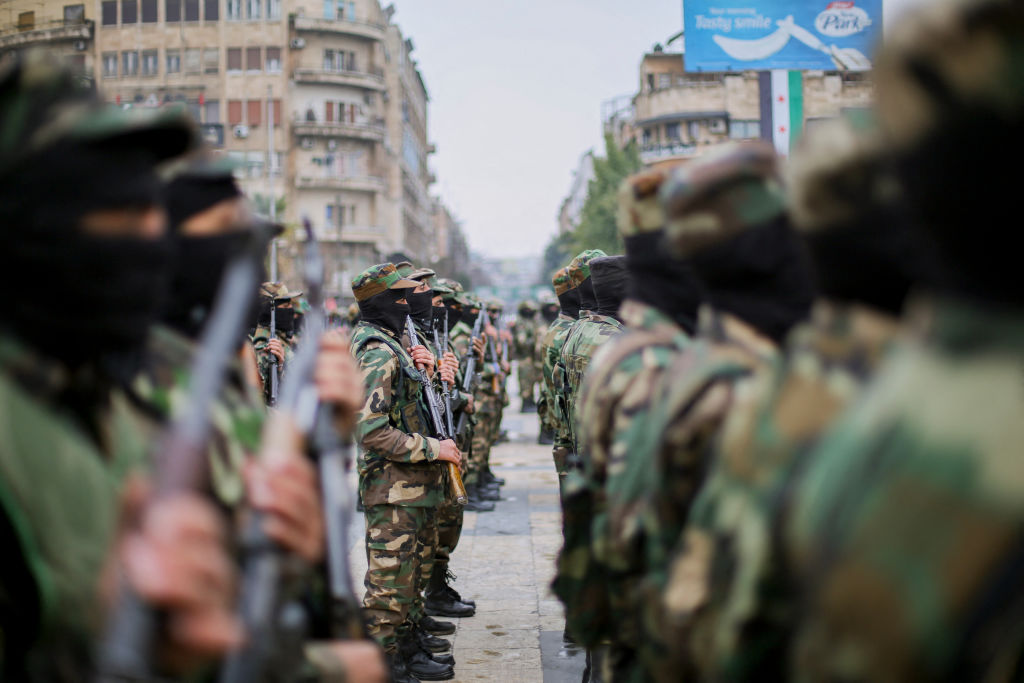
Following the fall of Bashar al-Assad’s regime on Dec. 8, 2024, after the rebel military operation “Deterrence of Aggression” and the establishment of a transitional government, Ahmed al-Sharaa, Syria’s interim president, quickly began working to form a unified national army, dismantle the existing factions, and centralize all weapons under the authority of the state in an effort to address one of the most pressing challenges facing his administration. While several initial moves have been completed, important steps in this complicated process are still pending. This article highlights the current developments surrounding the formation of the new army, including progress achieved to date and key challenges going forward.
America moves closer to the brink of maximum uncertainty at home and abroad
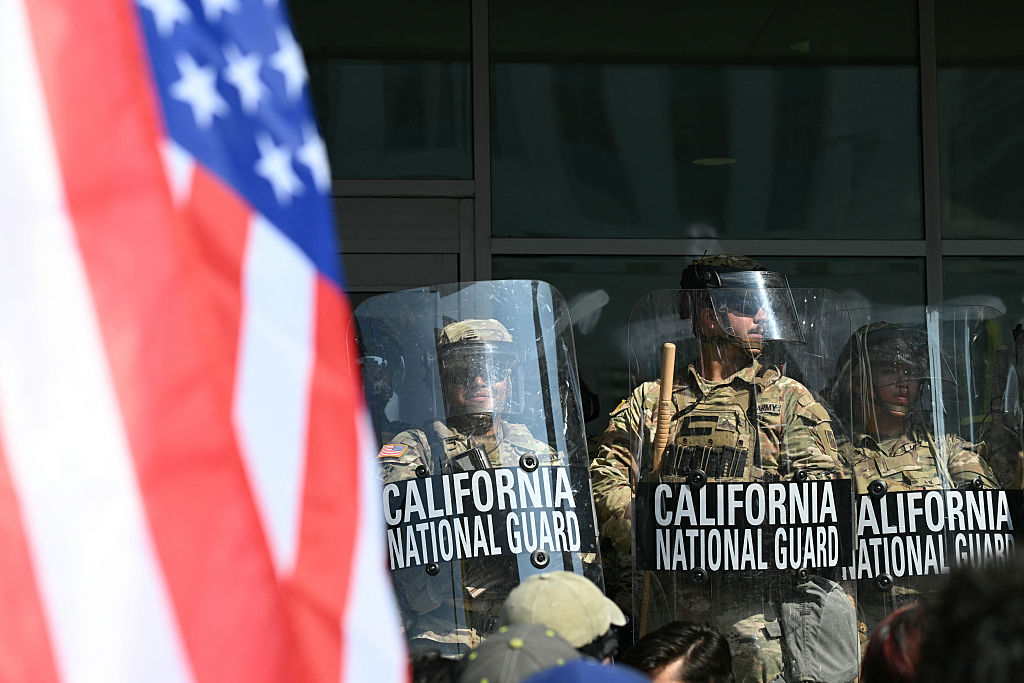
The spotlight in America this week is trained on the home front, with growing tensions inside the country over President Donald Trump’s immigration crackdown and a showdown unfolding on the streets of Los Angeles. At times like these, the rest of the world has a way of intruding, sometimes unexpectedly, and Trump 2.0’s foreign policy is still struggling to produce a major positive outcome from its frenetic activity trying to end kinetic wars while prosecuting an unprecedented economic war with much of the rest of the world.
The oldest peer-reviewed publication dedicated to the study of the modern Middle East, MEI’s flagship journal covers politics, society, and culture in the region.