The Biden Administration and the Middle East: Policy Recommendations for a Sustainable Way Forward
March 10, 2021
Share
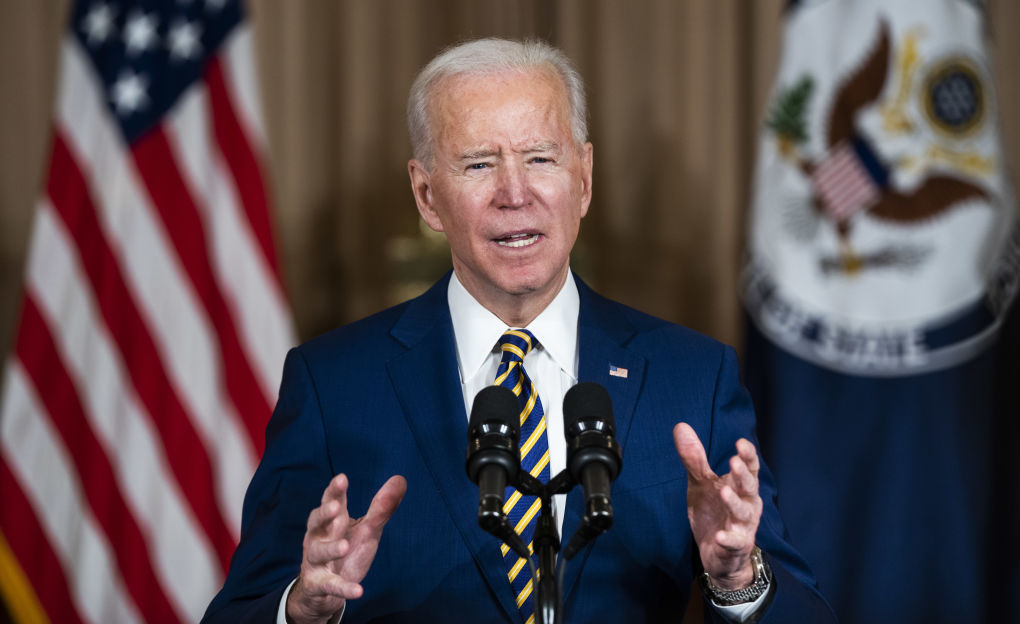
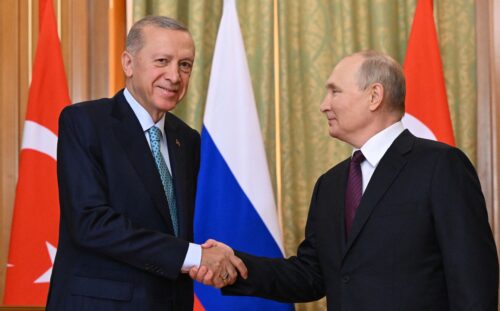
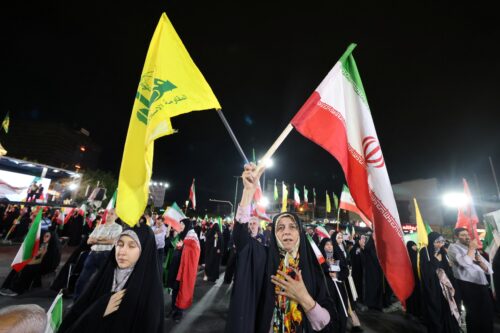
As Joe Biden enters office his administration faces an overwhelming domestic agenda and myriad foreign policy challenges. Reinforcing relations with European allies and developing effective strategies for countering China will likely crowd out the Middle East for the attention of the new administration. Yet the reality remains that the United States has enduring interests in the Middle East that will demand its attention. These interests require that the United States develop an integrated strategy that rebuilds relations with partners, engages with adversaries, and acts within the long-term goal of reducing regional conflict and instability, and putting the region on a more stable and cooperative trajectory for the future.
In a new policy briefing book, entitled The Biden Administration and the Middle East: Policy Recommendations for a Sustainable Way Forward, MEI scholars tackle a large number of country-specific and region-wide issue areas, laying out both the abiding U.S. interests and specific recommendations for Biden administration policies that can further U.S. interests amid a region in turmoil.
The Middle East Institute (MEI) is an independent, non-partisan, not-for-profit, educational organization. It does not engage in advocacy and its scholars’ opinions are their own. MEI welcomes financial donations, but retains sole editorial control over its work and its publications reflect only the authors’ views. For a listing of MEI donors, please click here.