Skip to Content

Ishac Diwan

This individual is a guest contributor. MEI is not able to assist with contact requests.

Ishac Diwan

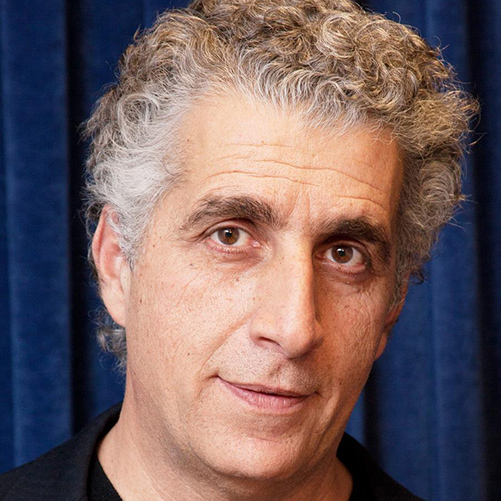
Ishac Diwan is the Chaire d’Excellence Monde Arabe at Paris Sciences et Lettres. He received his PhD in economics from the University of California at Berkeley. He taught international finance at NYU’s Business School from 1984-87. In 1987, he joined the World Bank’s Research Complex, where he focused on international finance, trade, and macroeconomics. In 1992, with the coming of the Oslo Agreements, he joined the World Bank’s Middle East Department, first as the country economist for the West Bank and Gaza and later as a regional economist. He contributed to the creation of the prime network of economists in the Middle East, the Economic Research Forum, and of a regional policy forum, the Mediterranean Development Forum.

The Latest from Ishac Diwan

Filter by
5 Results
Priority policies for an economic recovery in Lebanon
Photo by Golden_Brown via Getty Images
  • Analysis
  • Priority policies for an economic recovery in Lebanon

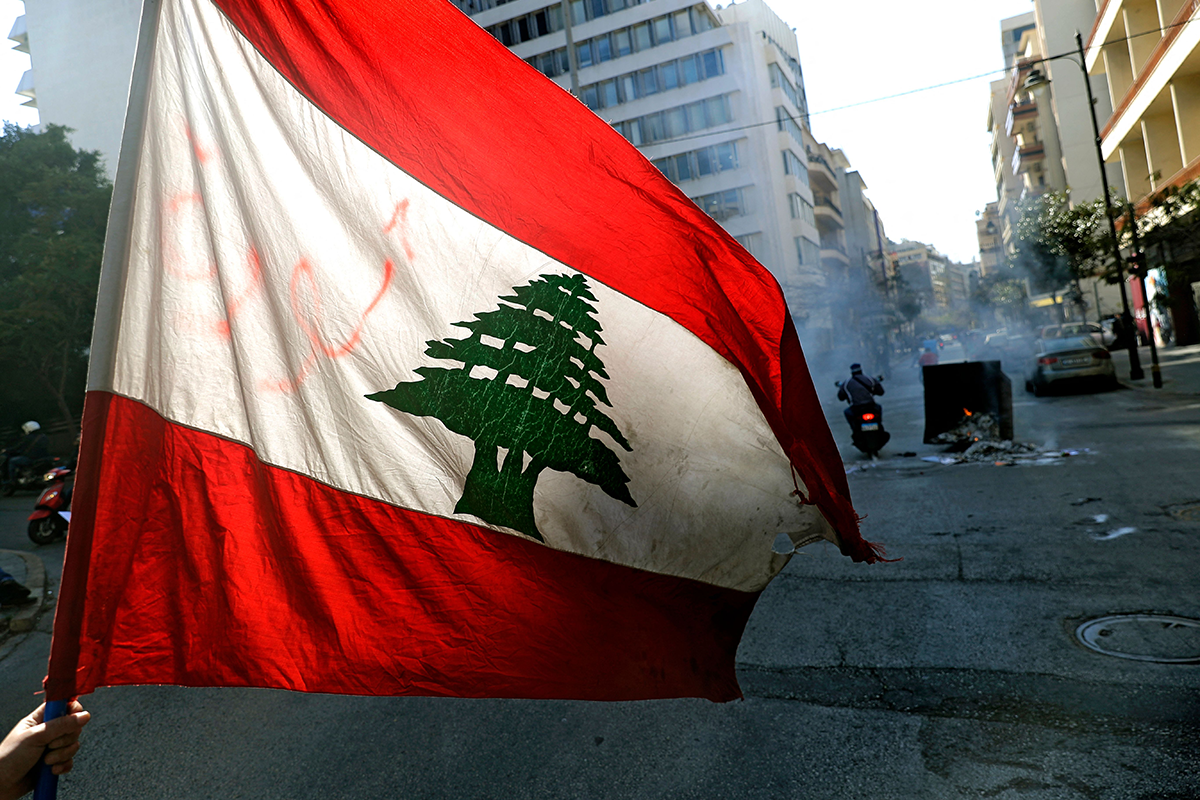
    The current government in Lebanon is keen to encourage financial recovery and find a new path to economic growth. A thorough understanding of the causes behind the country’s recession and the factors constraining a recovery are necessary to shape policy priorities. These are also important as an input into the discussions of the 2026 budget and to the ongoing negotiations with the International Monetary Fund (IMF). Using the wrong framework for these decisions could yield low economic growth, which would be harmful for a quick and decisive economic recovery. Conversely, improved economic outcomes and broad buy-in, following public consultations, will ease the implementation of politically difficult reforms. Thus, policymakers must take great care to develop a narrative about how to achieve progress in the short and medium terms that is adjusted to local circumstances.
    October 20, 2025

    Lebanon needs a renewed donor support strategy
    Francesca Volpi/Bloomberg via Getty Images
  • Analysis
  • Lebanon needs a renewed donor support strategy

    Lebanon needs a new aid strategy to preserve the country’s ability to one day recover. What is required is a donor strategy that walks on two legs: a first leg that offers a big reconstruction push conditioned on economic and institutional reforms and, in parallel, a second leg that provides urgent support to the Lebanese population.

    August 22, 2023

    Arab States’ Risky Medium-Term Bets
    Photo by David Degner/Getty Images
  • Analysis
  • Arab States’ Risky Medium-Term Bets

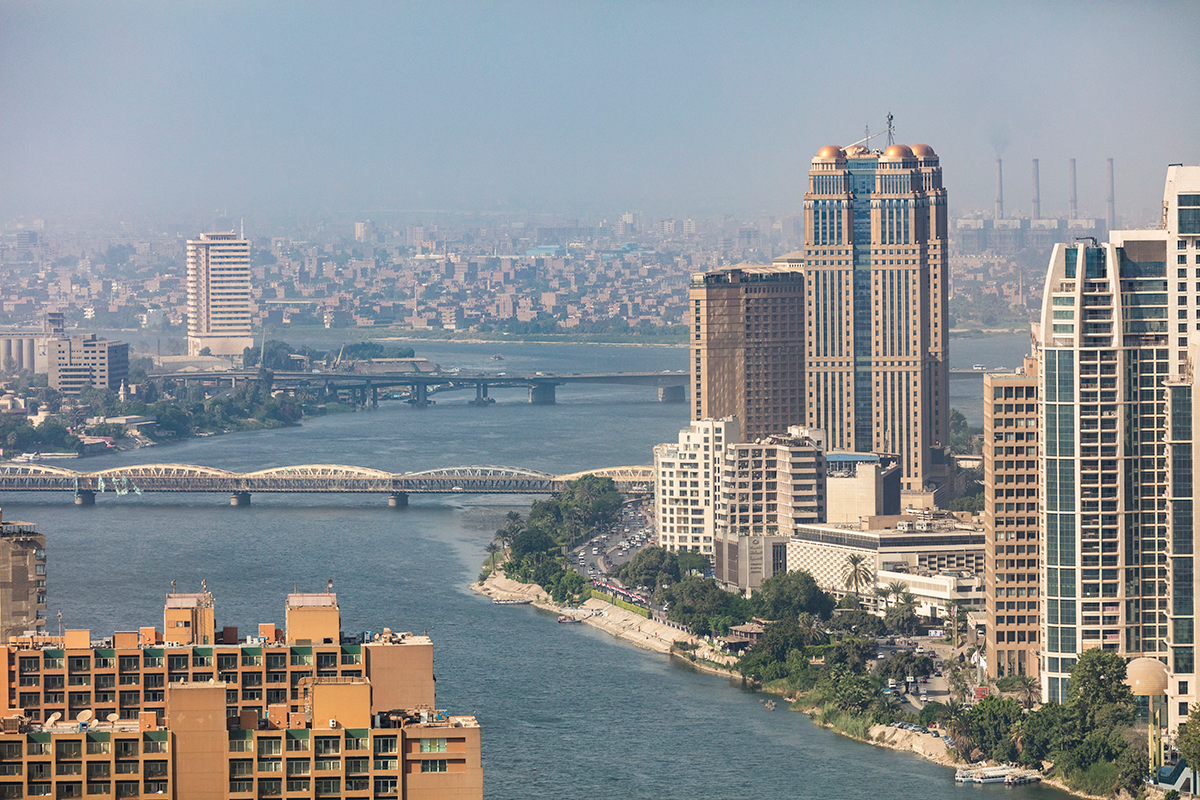
    Not unlike during the lost decade of the 1980s, all Arab states are, to various degrees, in some form of deep crisis: weakened by fiscal deficits, losing their capacity to deliver services, unable to tax fragile economies, and facing the threat of social unrest. COVID-19 has revealed most of these weaknesses further.

    October 19, 2021

    Thinking MENA Futures: The Next Five Years and Beyond
    Photo by: Tyson Paul/Loop Images/Universal Images Group via Getty Images
  • Analysis
  • Thinking MENA Futures: The Next Five Years and Beyond

    The Middle East and North Africa (MENA), for a variety of reasons, are unrivaled in their need for bold, creative thinking about their future. But that is precisely why creative thinking about the future of the region — why strategic foresight — is essential. Produced in conjunction with MEI’s Strategic Foresight Initiative, Thinking MENA Futures aims to map out some of the possible futures for the region, as envisioned by thoughtful innovators working today to realize them.

    Lebanon’s economic crisis: A tragedy in the making
    Photo by JOSEPH EID/AFP via Getty Images
  • Analysis
  • Lebanon’s economic crisis: A tragedy in the making

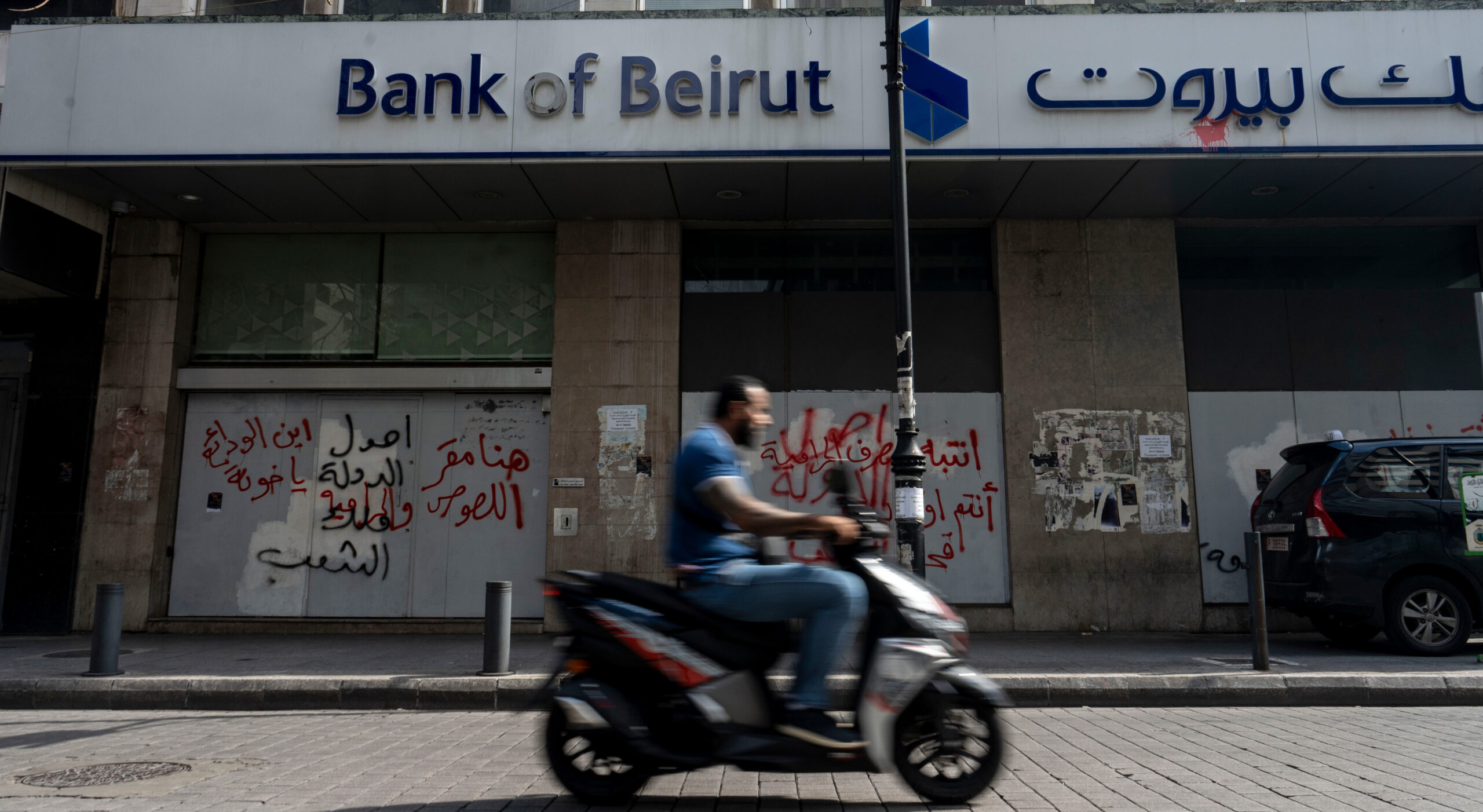
    For the past 18 months, Lebanon has been reeling from a wrenching economic crisis. This essay deciphers the crisis’s origin, describes the current juncture, and reflects on the likely outcomes in the proximate future.

    March 29, 2021