Turkey is not “lost,” but it is time for other NATO allies to more strongly reengage
Turkey’s loyalty to the Alliance is frequently questioned, including accusations of fence-sitting, especially when it comes to Russia. To ask, “Who lost Turkey?” is to misread the situation. Turkey is increasingly, albeit carefully, moving away from the Kremlin.
Russia’s aggressive behavior in the Black Sea can be challenged
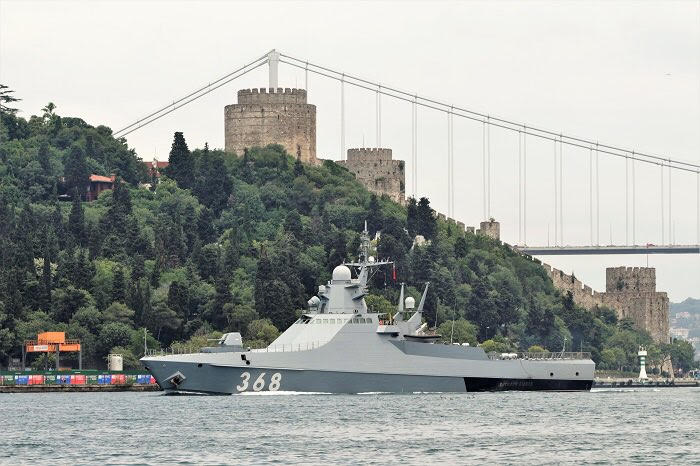
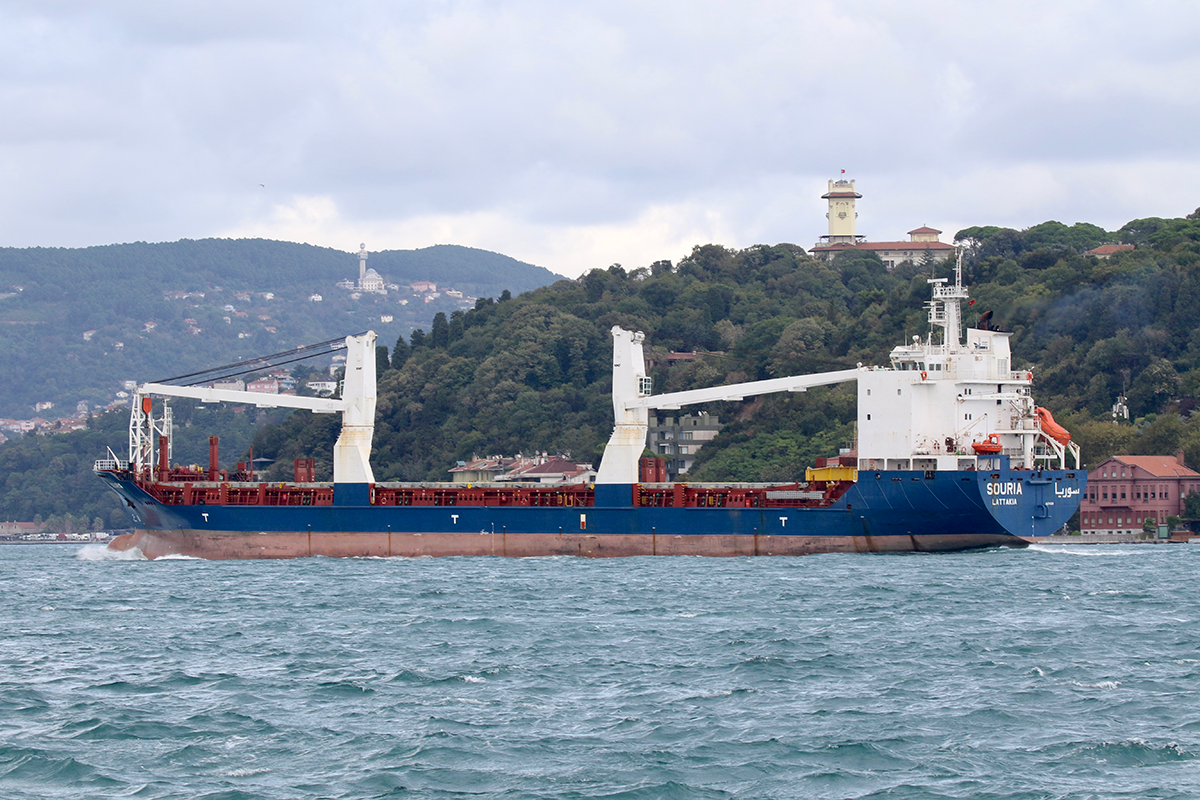
Russia’s malign behavior in the Black Sea includes piracy, plunder, petroleum price cap violations, and actions to prevent the free transit of foreign commercial and naval vessels. Its largely unchallenged position in the Black Sea also helps Russia maintain access to foreign-made products and components, circumventing sanctions. The West and the broader international community have yet to act to decisively rein in these flagrant violations of international laws and norms.
In Turkish-Russian relations, the Ukraine grain deal is not the point
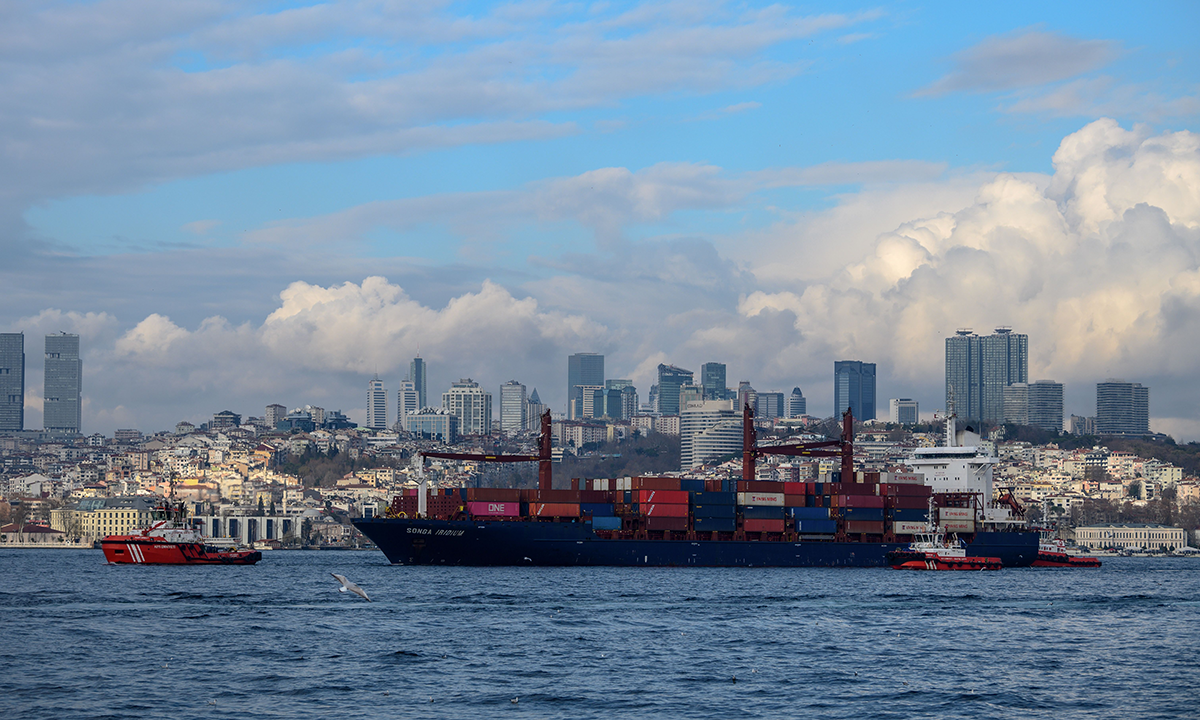
The Ukraine grain export deal, which Turkey helped mediate over the summer, was saved last week to much fanfare; but the central unaddressed issue remains lifting Russia’s illegal blockade of Ukrainian ports, so Ukraine can freely trade with the world.
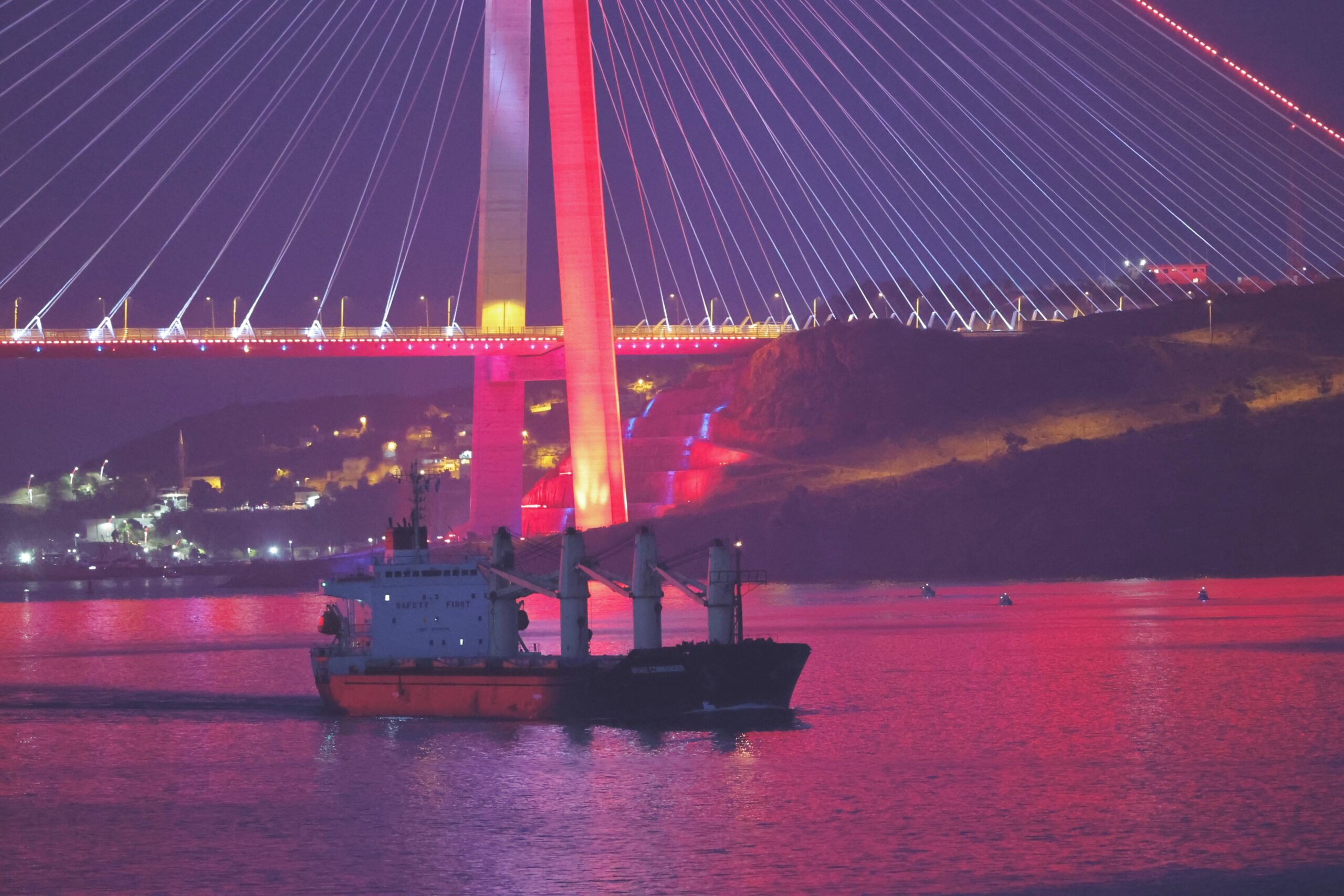
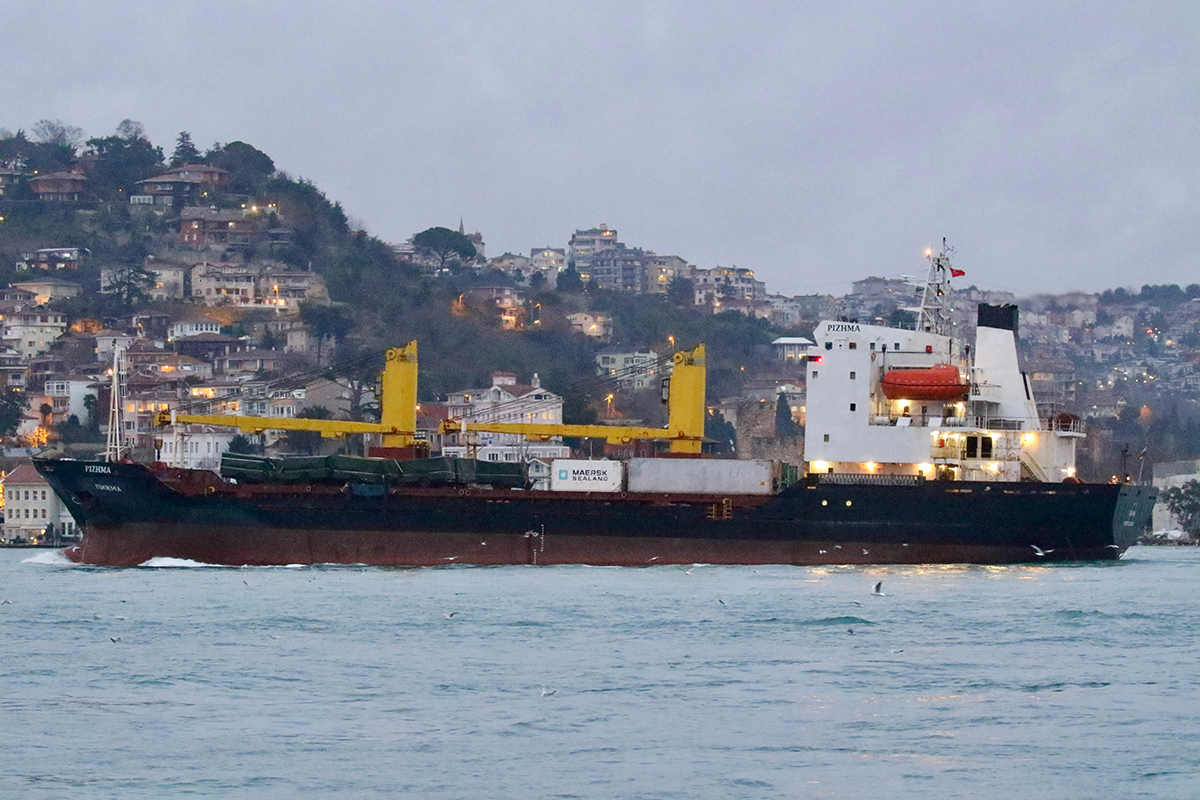
Russia is violating the spirit of Montreux by using civilian ships for war
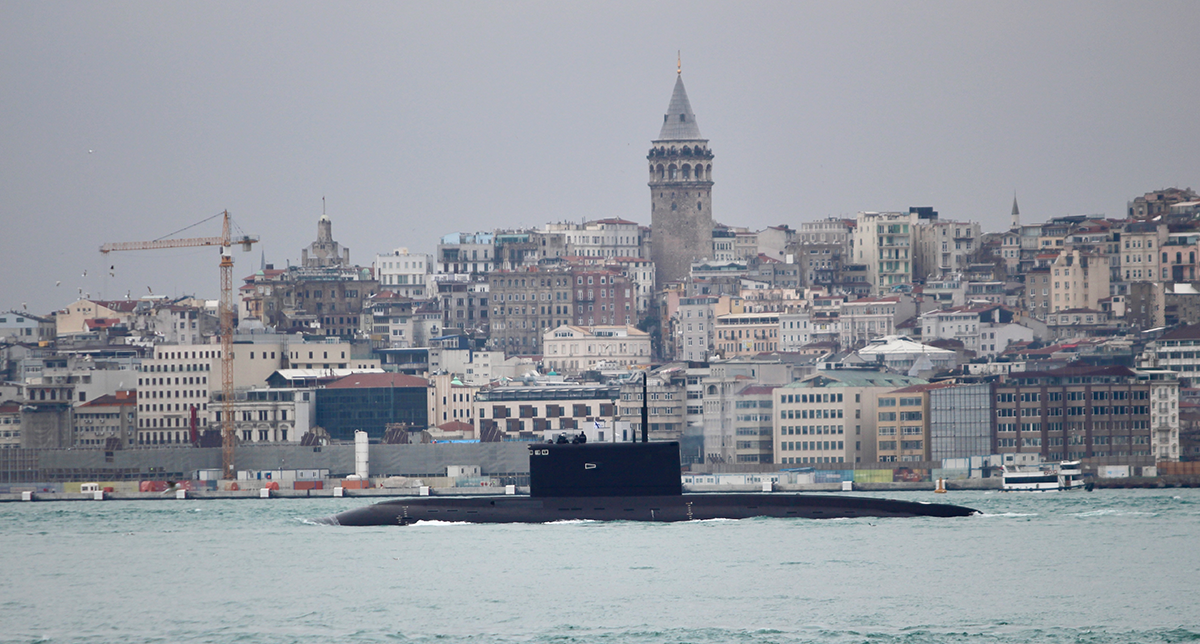
On Feb. 28, Turkey triggered the Montreux Convention, not used since World War II, and closed the Turkish Straits to military ships. This one move interrupted Russia’s maritime logistical supply line to Syria, interfered with its ability to rotate naval assets in the Mediterranean, and prevented Moscow from bringing additional warships to the Black Sea. Russia can no longer supply its Syria operation or deliver defense exports to its customers using navy ships. However, close observation of traffic through the Turkish Straits reveals that Russia is continuing its naval operations in the Mediterranean and Black seas.
Strong Turkey-Ukraine ties are key to Black Sea security
On Jan. 6, 2019, the eve of Orthodox Christmas, the Ecumenical Patriarchate in Istanbul awarded a decree of independence, known as a tomos, to the then-newly established Orthodox Church of Ukraine — a milestone in the country’s history. The move reversed a 1686 decision that had transferred jurisdiction over Kyivan Orthodox churches to Moscow. After 333 years, however, it’s not only the faithful who have changed their direction from Moscow toward Istanbul. Ukraine and Turkey are strengthening their strategic partnership by deepening their cultural, political, military, and economic cooperation.
A storm brews over the Black Sea: Turkey’s contradictory maritime policy
Turkey’s official policy supports the territorial integrity of Ukraine and Georgia, and it sells UAVs and ships to Ukraine. Yet, trade continues with the Russian-occupied territories of Abkhazia and Crimea. By allowing this illegal trade, Turkey undermines both its own credibility and its trading partners’ security. Shipped goods not only help connect occupied zones to Russia, but trade also brings hard currency into these zones, which are outside the international banking system.
The Turkish government recently confirmed that the country has approved development plans to carve a new passage between the Black Sea and the Sea of Marmara. Cutting through forests and farmland, the new Canal Istanbul would run parallel to the Bosphorus for a total of 45 km (28 miles) with a depth of 20.75 meters (68 feet) and a width of 275-350 meters (900 to 1150 feet). Ground-breaking for the first bridge over the proposed canal is scheduled to take place on June 26. However, this will be a ceremony for domestic political consumption and by no means indicates that construction is really starting. Financing the massive project might prove impossible due to the environmental concerns and investment risks hanging over it.
CAATSA sanctions are hurting Turkey’s military readiness at a time when NATO can’t afford it
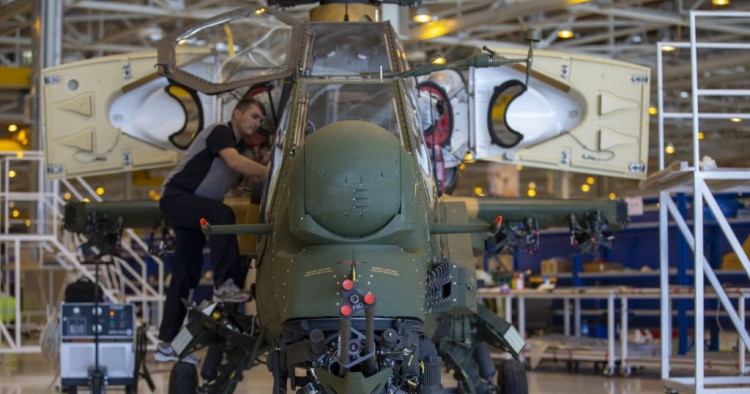
On Dec. 14, 2020, the Trump administration sanctioned Turkey’s Presidency of Defense Industries (SSB), along with key individuals involved in the purchase of the Russian–made S-400 surface-to-air missile system. The sanctions were issued under the 2017 Countering America’s Adversaries Through Sanctions Act (CAATSA), a law intended to punish Russia for a wide range of malign activities.
Turkey-NATO ties are problematic, but there is one bright spot
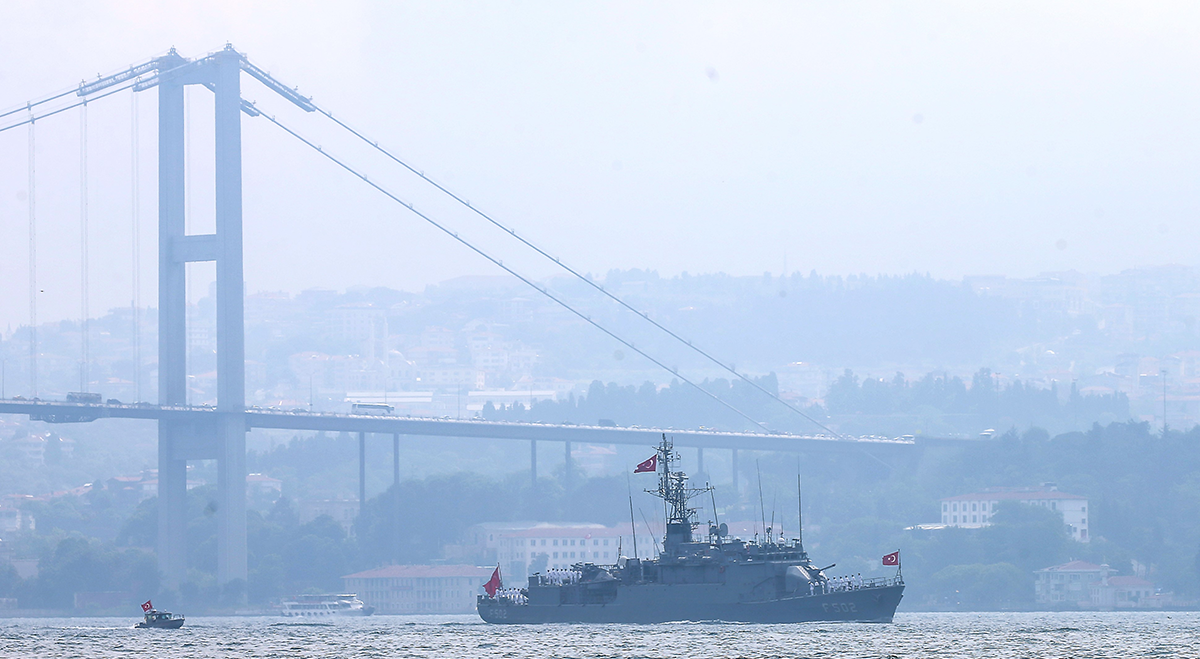
When it comes to Turkey-NATO ties, Ankara is regarded as more of a problem than an ally these days. Not only did it purchase a Russian S-400 air defense system, but its gunboat diplomacy in the eastern Mediterranean also raised the specter of military conflict between NATO allies when Greek and Turkish naval flotillas steamed directly toward each other this past summer. There is one region, however, where Turkey can help NATO efforts: the Black Sea.