This individual is a guest contributor. MEI is not able to assist with contact requests.
Ketevan Murusidze is a Non-Resident Scholar for the Black Sea Program at MEI. Ms. Murusidze also works as a Research Assistant at the University of Bradford, UK, developing an online certificate programme at the Division of Peace Studies and International Development. Before that, she served as a Monitoring and Evaluation/Program Assistant at the National Democratic Institute (NDI) in Georgia.
Ms. Murusidze has extensive practical and academic experience in the peace and conflict field. Since 2012, as a volunteer at Generations For Peace, she has led various peacebuilding programs with different ethnic and religious groups as well as IDPs in Georgia. She also taught an MA module on Peace Policy Analysis at Tbilisi State University and has carried out peacebuilding and conflict transformation projects in Germany, Zimbabwe, and the UK.
The recent ceasefire agreement signed by Armenia, Azerbaijan, and Russia halted the armed phase of the Nagorno-Karabakh conflict following 45 days of fighting and thousands of military and civilian lives lost on both sides. Russian peacekeepers have already been deployed to the conflict zone to oversee implementation of the agreement. It now remains to be seen whether they will be joined by Turkish counterparts, either in the field or at a joint monitoring center in Azerbaijan. The latter is the first disagreement between Moscow and Ankara over peacekeeping in the region.
Protracted conflicts and security challenges in the Black Sea
Protracted regional conflicts affect the security and stability of the Black Sea region in a number of ways, including through increased militarization, the growing influence of disinformation, and an absence of comprehensive domestic and regional peacebuilding policies.
Russia’s approach to Responsibility to Protect in the Black Sea and Syria
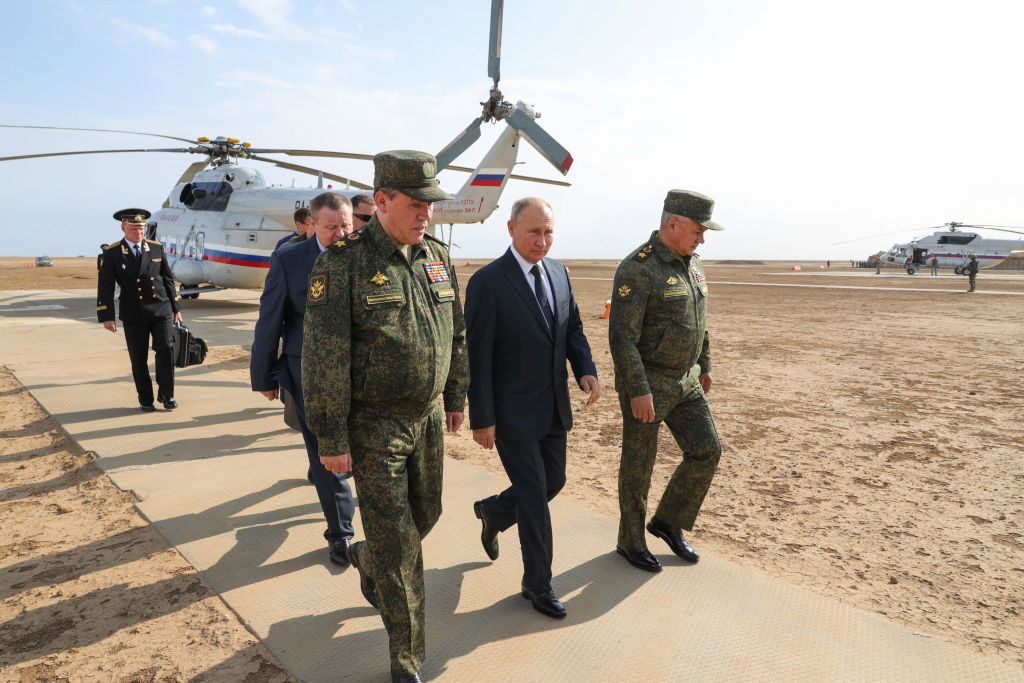
Where most of the international community sees R2P as a mechanism for protecting human rights when a state cannot or will not ensure them, Russia’s take on the same concept focuses on the protection of national sovereignty at any cost. However, Moscow’s commitment to the notion of sovereignty has been selectively applied to the states of the Middle East and the Black Sea.
Challenges of COVID-19 in areas of protracted conflict
COVID-19 poses immense humanitarian, economic, social and political challenges for the world. However, the threat is especially serious for those affected by ongoing or protracted conflicts. Despite United Nations Secretary General António Guterres appealing for a global ceasefire, there are many conflicts which are not at the forefront of international attention but remain extremely vulnerable to COVID-19. Among them are ongoing and protracted conflicts in the Black Sea and South Caucasus regions.
Black Sea conflicts: Militarization and peacebuilding
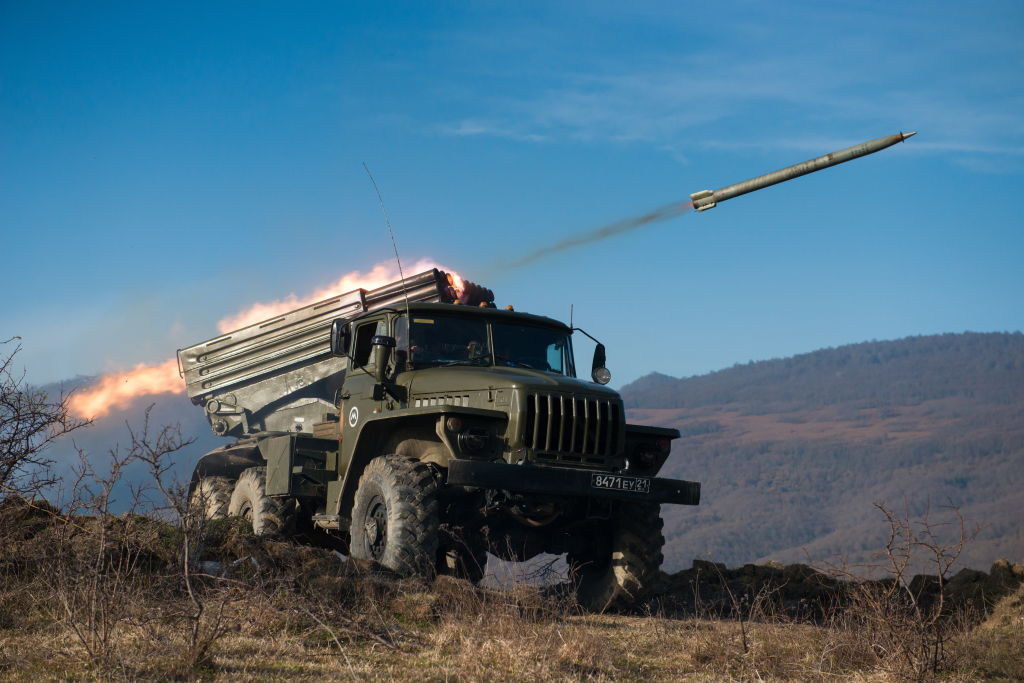
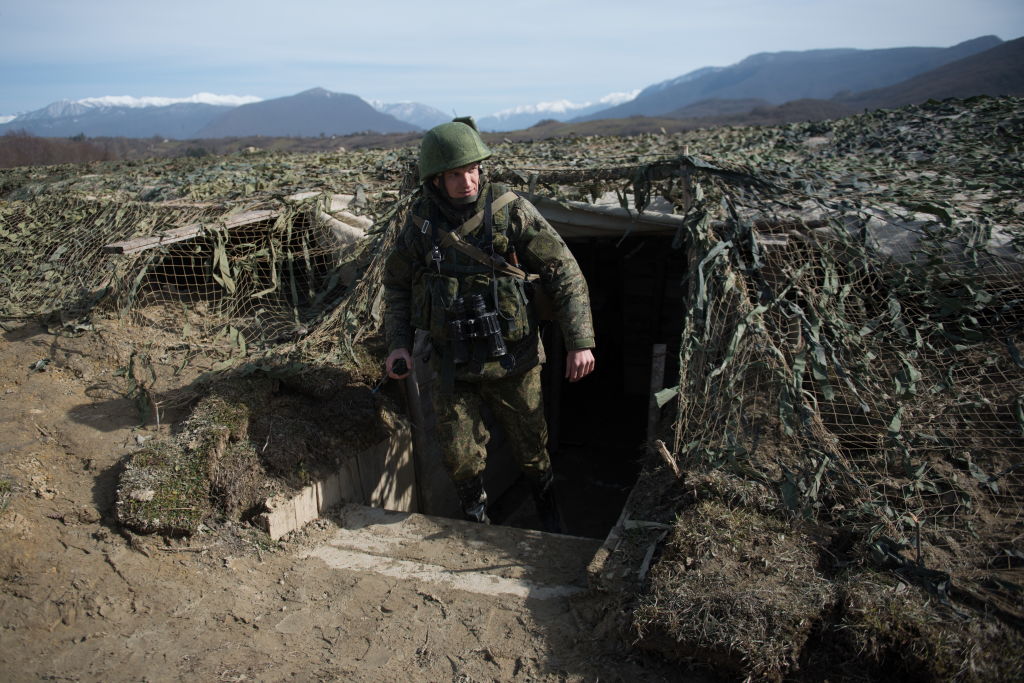
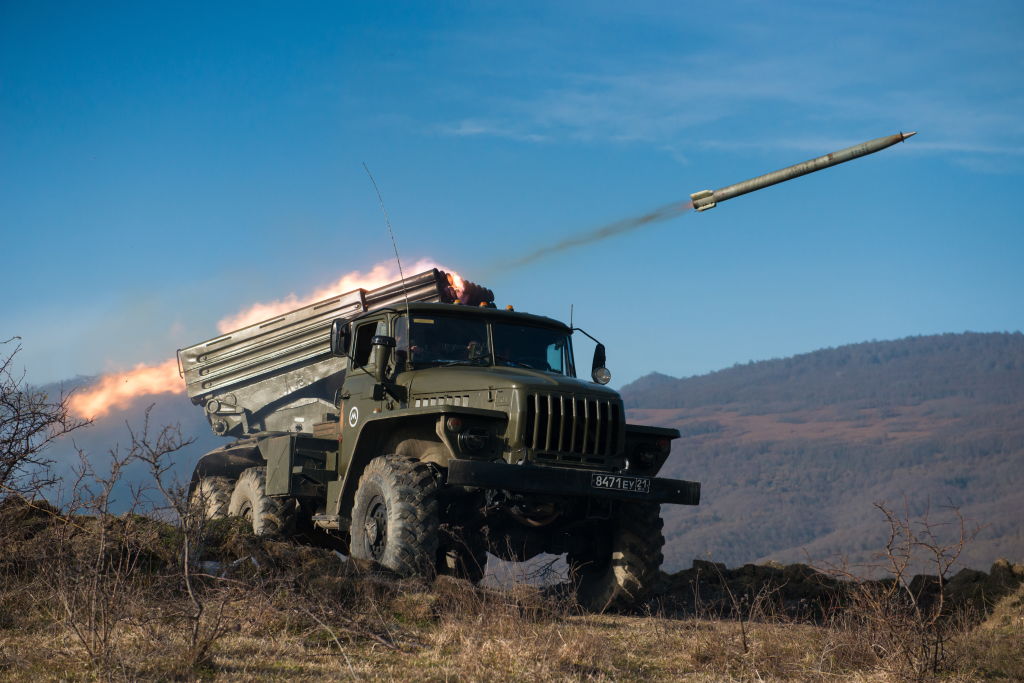
The sheer density of protracted conflicts in the Black Sea region makes it particularly exposed to the geopolitical ambitions of regional and global powers. The rapid militarization in Russia-controlled territories in recent years has only added fuel to the fire, dramatically increasing security concerns and underscoring the need for the West and its allies in the region to address the so-called frozen conflicts.
The ties that bind: The South Caucasus and the Middle East
As neighboring regions, the South Caucasus and the Middle East are inextricably intertwined — so much so that the former is sometimes even considered part of the Greater Middle East. While geographical proximity is the strongest driver of interconnectivity between the two regions, geopolitics, business ties, and energy interests also link countries from the South Caucasus and the Middle East and form the basis for important bilateral and regional relationships.
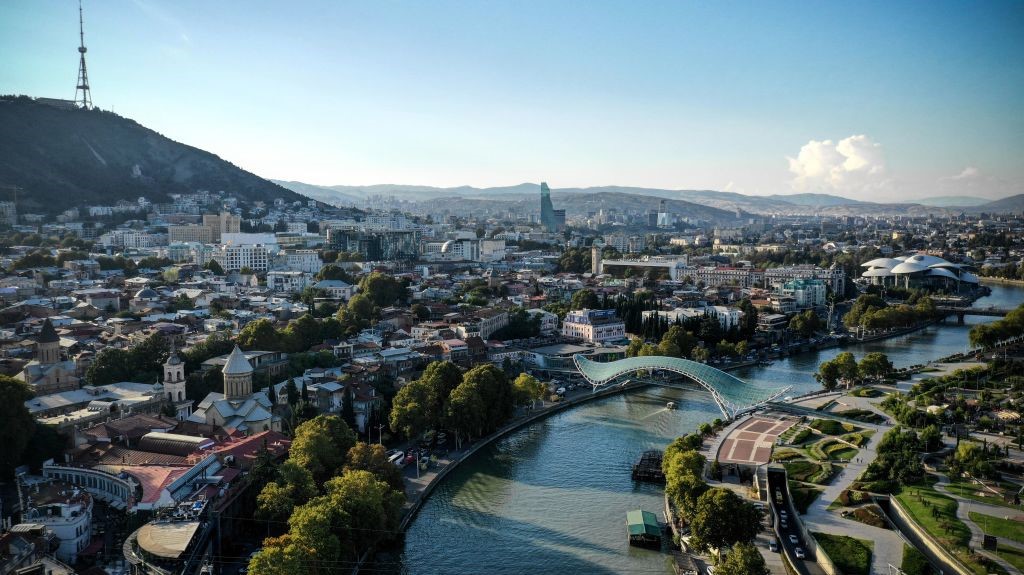
Given their territorial proximity, the regional actors of the Middle East have always had an interest in Georgia and the South Caucasus as a window to Europe. The collapse of the Soviet Union brought an end to Georgia’s isolation, and in the years since the country has gradually started reclaiming its historical role as a cultural and economic crossroads between Asia, the Middle East, and Europe.