Skip to Content

Brenda Shaffer

Contributor

This individual is a guest contributor. MEI is not able to assist with contact requests.

Prof. Brenda Shaffer

Prof. Brenda Shaffer is an international energy and foreign policy specialist, focusing on international energy policies, natural gas trade and foreign policy, Caspian energy, Azerbaijan, Iranian energy sector, ethnic politics in Iran, energy security policies, European energy security, critical energy infrastructure protection policy, and Eastern Mediterranean energy. She is a faculty member at the US Naval Postgraduate School. Prof. Shaffer is also a Senior Fellow at the Atlantic Council’s Global Energy Center in Washington, DC.

Prof. Shaffer is the author of several books: Operational Energy (co-author with Daniel Nussbaum and Alan Howard, De Gruyter, 2024), Iran is more than Persia: Ethnic Politics in Iran (De Gruyter, 2022); Energy Politics (University of Pennsylvania Press, 2009), Borders and Brethren: Iran and the Challenge of Azerbaijani Identity (MIT Press, 2002), Partners in Need: The Strategic Relationship of Russia and Iran (Washington Institute for Near East Policy, 2001). She has also served as the editor of Beyond the Resource Curse (University of Pennsylvania Press, 2012) and Limits of Culture: Islam and Foreign Policy (MIT Press, 2006).

Prof. Shaffer frequently provides research and expert counsel to international institutions, governments, energy companies, financial institutions, and regional security organizations. Shaffer has served as an advisor to Israel’s Prime Minister’s Office and Ministry of Energy on policy related to the major natural gas discoveries in Israel. She has advised several companies involved in Caspian energy production and export. She has given testimony to several committees of the US Congress, including the Senate Foreign Relations Committee, and to the European Parliament. Brenda frequently appears on major news outlets worldwide to provide insight on developments in global energy markets and trends.

The Latest from Brenda Shaffer

Filter by
3 Results
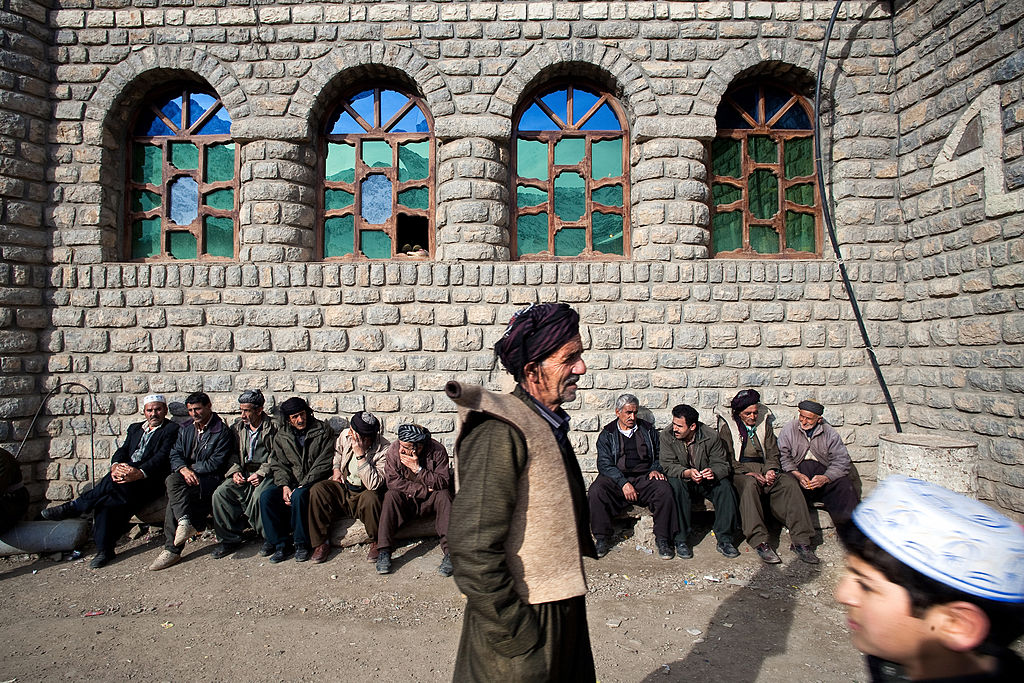
Covid-19: Hitting Iran’s minorities harder
  • Analysis
  • Covid-19: Hitting Iran’s minorities harder

    Initial data of Covid-19 mortality rates in the United States suggest that in several regions and cities, the virus hits minority communities harder than the general population. A similar trend has emerged in the Islamic Republic of Iran where published data indicates Iran’s ethnic minorities have higher Covid-19 fatality rates than the general Iranian population.

    April 17, 2020

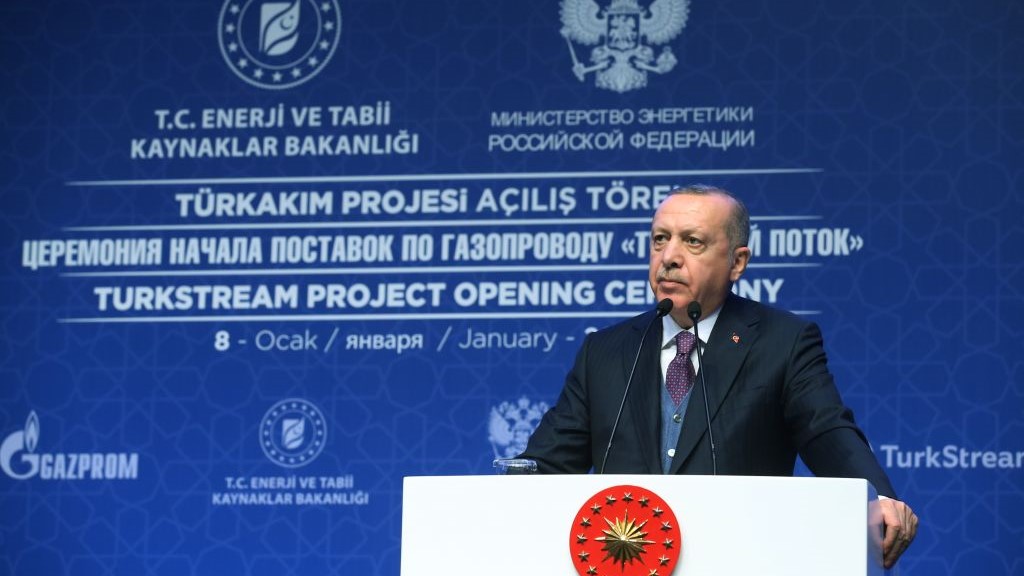
    Turkey’s westward energy shift
    President of Turkey Recep Tayyip Erdogan and his Russian counterpart Vladimir Putin (not seen) attend the opening ceremony of TurkStream natural gas pipeline project, at Halic Congress Center in Istanbul, Turkey on January 08, 2020.
  • Analysis
  • Turkey’s westward energy shift

    On Jan. 8, Turkey inaugurated the TurkStream natural gas pipeline from Russia, seemingly deepening Ankara’s ties with Moscow. However, a fuller analysis of Turkey’s current energy policies and consumption trends indicate a dramatic shift westward, away from Russia and Iran.

    January 15, 2020

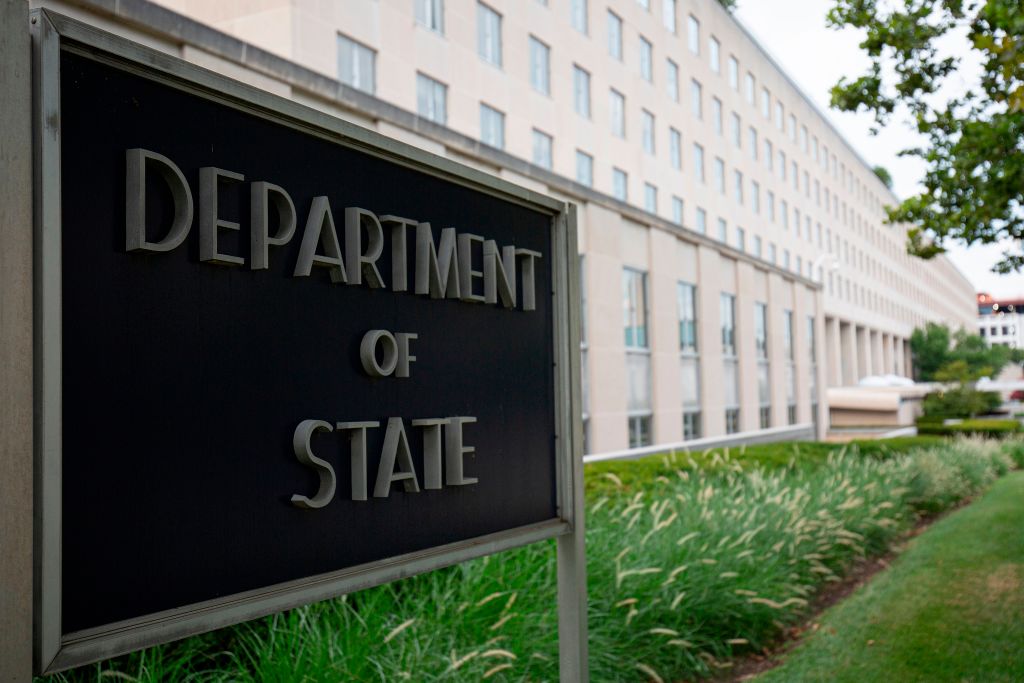
    The fall of the other wall
    The US Department of State building is seen in Washington, DC, on July 22, 2019.
  • Analysis
  • The fall of the other wall

    With the fall of the Berlin Wall 30 years ago, ties between Western and Eastern Europe were renewed. In the same period, another wall crumbled — between the Middle East and the former Soviet states. And yet, to this day, U.S. national security institutions continue to view these two regions through a Cold War lens, separating how they are handled. This approach needs to change; integrating research and policy toward the Middle East and the bordering states of the former Soviet Union would improve analytical understanding and help identify new policy options.