This individual is a guest contributor. MEI is not able to assist with contact requests.
Alex Walsh is an independent researcher in police reform and security in the Middle East. He has worked in security sector reform implementation and peacebuilding on projects in Lebanon and Jordan, in program design and research. His current work takes a comparative look at opportunities for reform in police forces across the Arab World and the European Union’s role in the process. Walsh obtained his MPhil in Middle Eastern Studies from Cambridge University.
Algeria-Europe economic integration: Where are we now and where do we go?
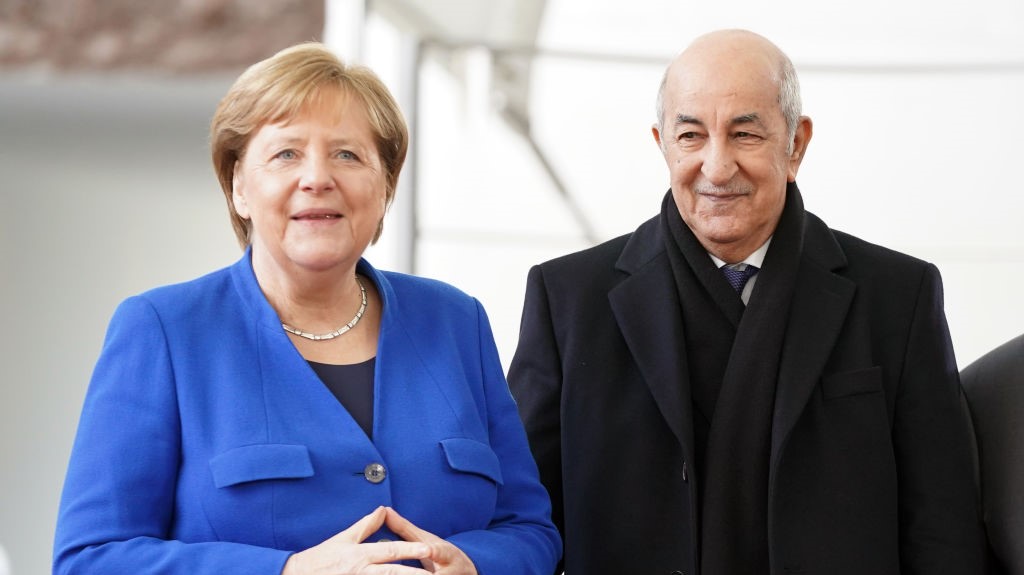
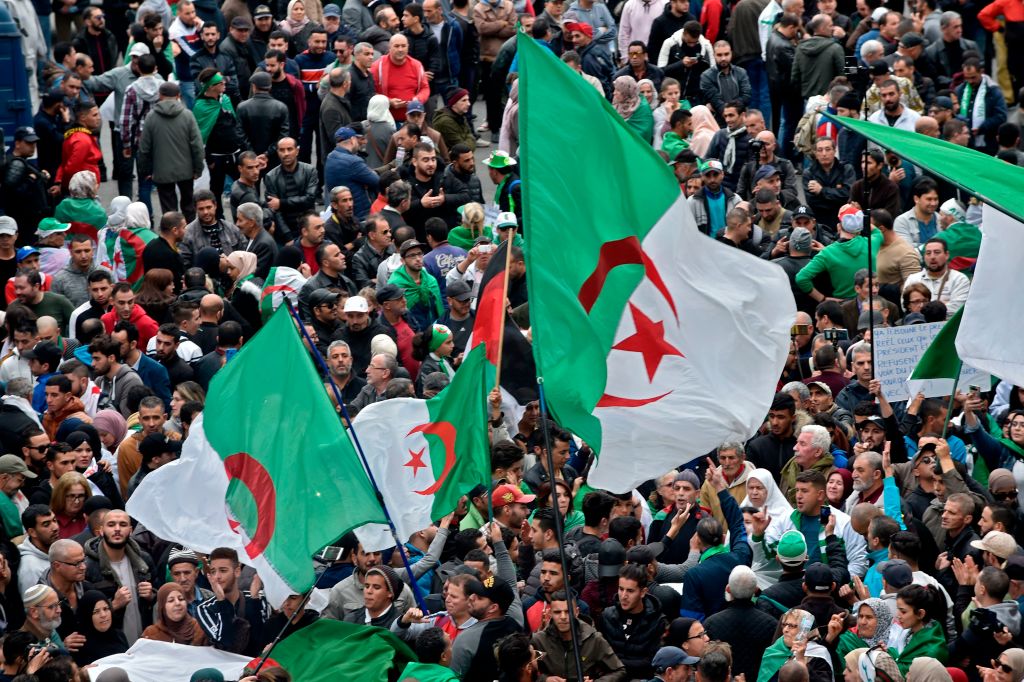
In the face of Algeria’s Hirak protest movement, the response of the EU so far has been measured, and it is notable that the EU’s calls for democratic reform are framed in economic terms that emphasize the benefits of greater economic integration between the states of the Maghreb. What opportunities do the ongoing changes in Algeria present for enhancing economic integration in the long term?
The future of the UK’s relationship with the Maghreb
The UK’s impending exit from the EU will present a new chapter for British interests in and posture toward the region. If the UK is to find a trade-off for loss of diplomatic and economic heft, it will need to re-prioritize its engagement efforts. Policy continuity toward Morocco and Tunisia appears inevitable; Algeria, in contrast, promises great opportunity for an evolving relationship.
What is Germany Bringing to Tunisia’s Security Sector?
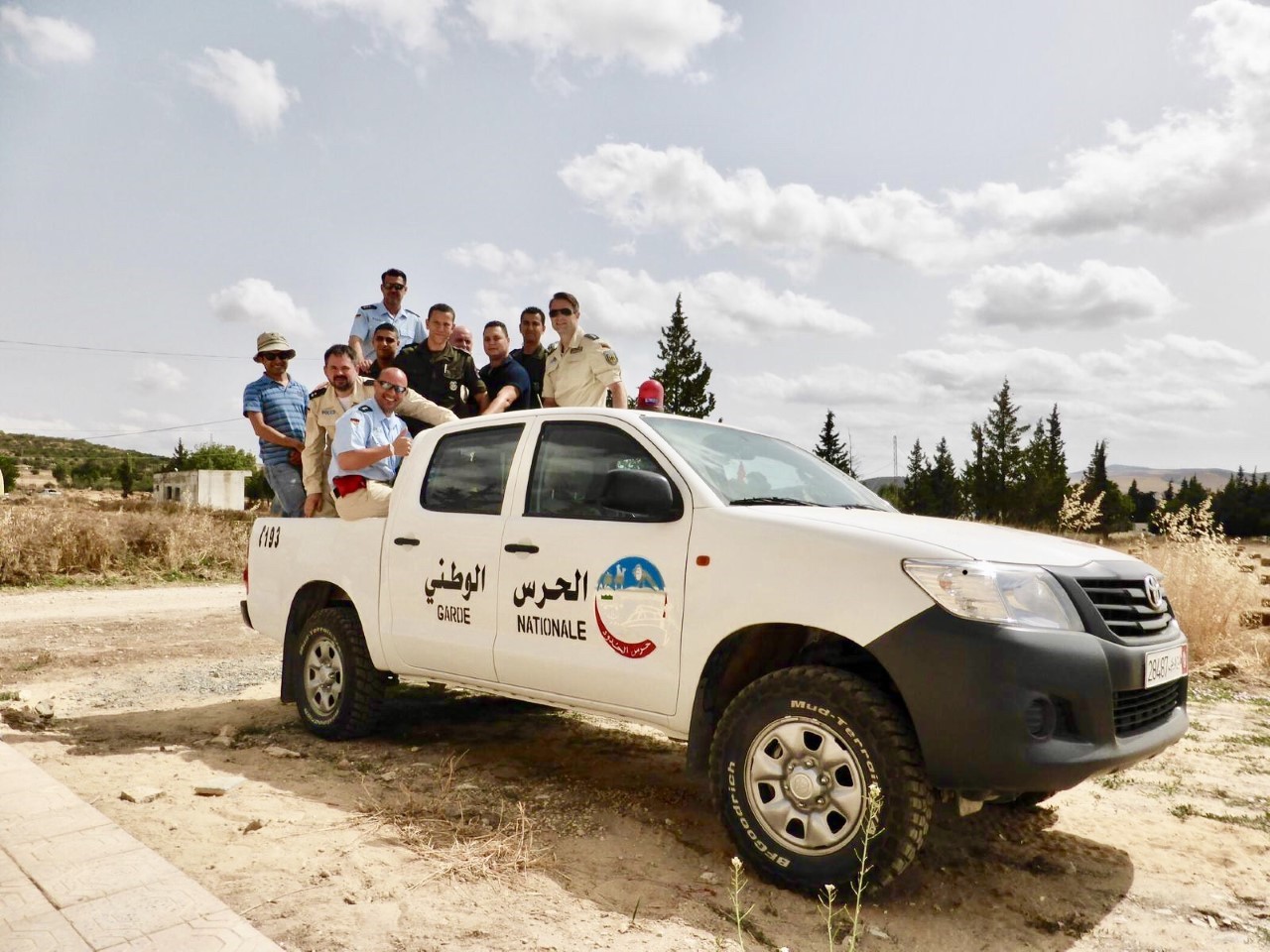
Tunisia is an important security partner for Germany, and a key part of the Federal Republic’s enhanced security involvement in the MENA region. Germany is due to release a new strategy for working on security sector assistance and reform abroad, which will give direction to work in Tunisia and elsewhere. Examining how Germany has performed according its own stated principles in Tunisia highlights policy points for this new strategy, covering greater commitment to governance, gendered security and transparency. With German security spending on the rise, there is a lot to play for.
Security Sector Change: Georgian and Jordanian Transitions
This piece is an edited transcript of a conversation between Khatia Dekanoidze and Omar Al Rafie hosted by Alex Walsh on the margins of the Conference on the Future of Arab Policing in Amman, Jordan in March 2019. The participants discuss the transformation of the police during Georgia’s political transition, the lessons that could be drawn from this experience that might be applicable to Jordan, and the role of Community Policing as a tool to engage the community and bring about positive change.
Restarting Police Reform in Tunisia: The Importance of Talking About Everyday Security
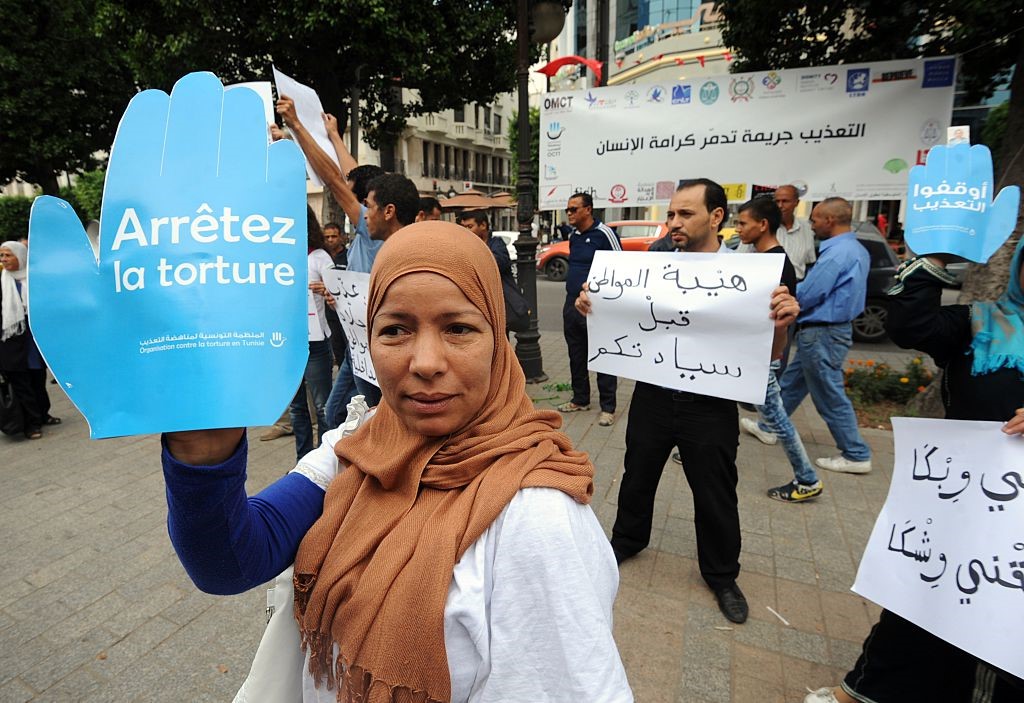
Police reform has lagged in Tunisia’s transition. Police violence, police impunity and a national sense of insecurity remain substantial concerns. The problems facing the Tunisian economy have drawn attention away from police reform, which had seen some positive change in 2011-2012. Since then, police unions have managed to stymie the reform process and have insulated the police from change. In addition, although the potency of the securitization argument (i.e., the police must be freed from civilian “interference” in order to fight terrorism) has waned, it remains a significant obstacle to reform. Challenging this argument and transforming the relationship between the police and the people requires expanding platforms for discussing day-to-day local security issues.
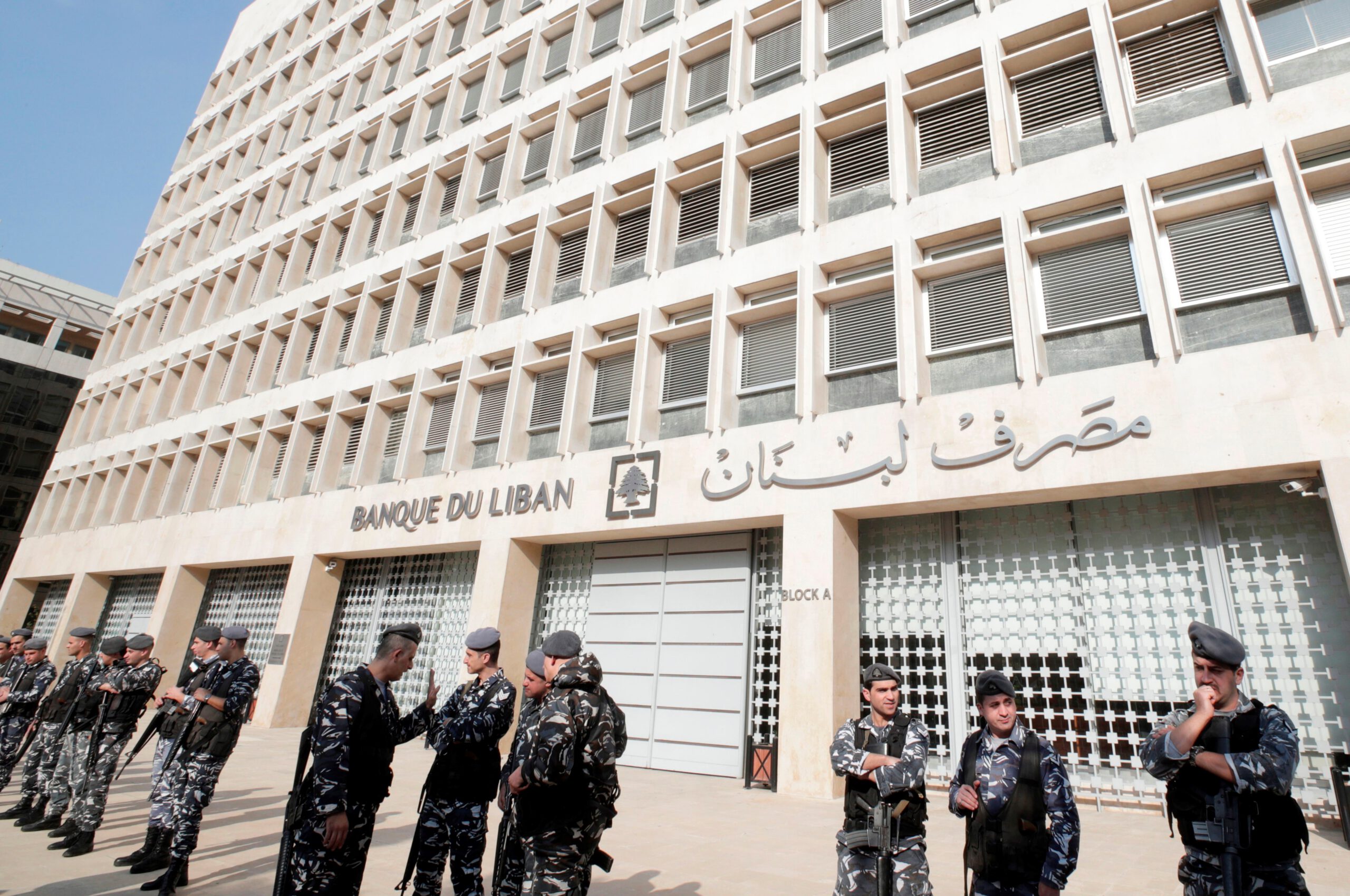
Security sector reform and the Internal Security Forces in Lebanon
Donor-backed reform efforts in the Lebanese Internal Security Forces have shown good results in a jurisdiction in Beirut. While imperfect and limited in scope, these results are encouraging, as obstacles to the provision of fair and effective policing in Lebanon are myriad.