This individual is a guest contributor. MEI is not able to assist with contact requests.
Tristan Kenderdine is research director at Future Risk, leading a group of specialized analysts providing commissioned research in political risk and economic geography. He has worked extensively in corporate and government research, covering trade, industry, energy and agriculture policy, as well as aluminium, steel, grain and oilseeds markets. Tristan has worked with major governments and corporate clients in Europe, North America, Russia, Australia and Singapore, mostly focused on resources, hydrocarbons, and agroindustrials.
Working in the spaces between political economy, political geography and institutional economics, Tristan’s research focuses on historical institutional interrelationality between public finance and industrial development in national economic systems in East Asia and Eurasia. Focused on China’s public administration and public finance institutions, his work covers China’s geoindustrial policy and impact on external geographies in Central Asia and the Middle East as well as more broadly in Southeast Asia, East Africa and Oceans. He has lived and worked in China, Thailand, Korea, Taiwan and Kazakhstan for over ten years.
China’s Petrochemical Enterprise Alliance and Iran Oil Trade
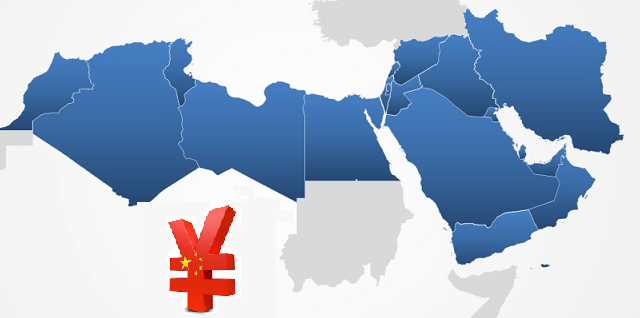
China’s outbound capital policy is an attempt to reforge the Middle East in its own economic likeness through a revised ‘Going Global’ geoeconomic macro policy. China-Iran oil trade is only the beachhead of a deeper economic integration agenda, yet the geoeconomic management institutions that are currently forming will define China-Iran and wider China-Middle East engagement for decades to come.
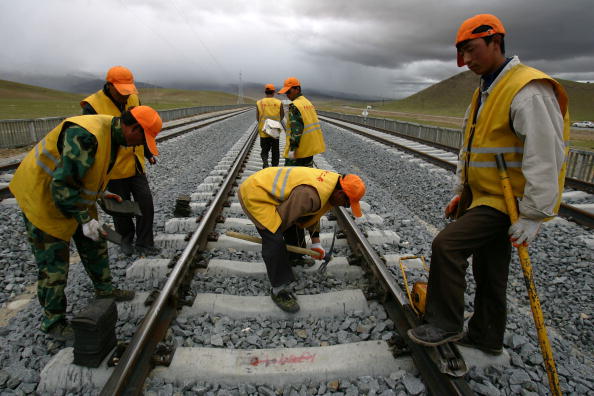
A planned Kashgar to Osh railway is part of China’s Eurasian Intercontinental CR Express rail freight policy. It would require a huge amount of new construction, massive public debt for Kyrgyzstan and would provide no clear economic benefit. The proposed line would also actually be longer than the existing route from Urumqi to Tashkent via Kazakhstan.
One Country, One Province: China’s External Industrial Policy in the Middle East
China is currently deploying a policy of industrial transfer in the Middle East. This is an external trade and industry policy, a transplanting of domestic economic institutions in external geographies. The financing of this China geo-industrial policy will reshape the Central Asia-Middle East-Africa trade and production nexus in the coming decade.