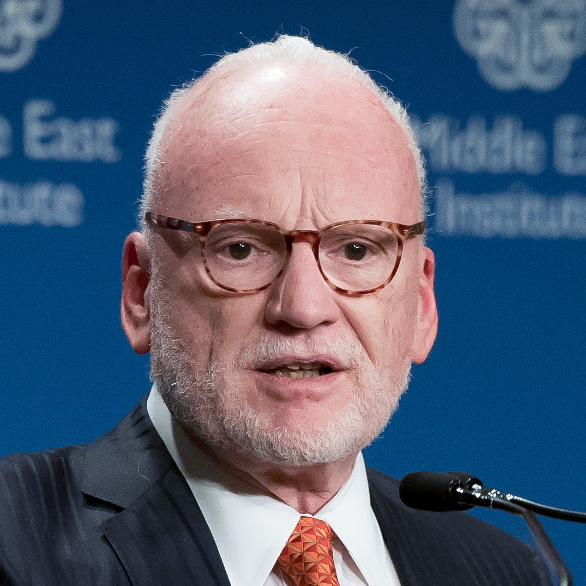
Richard A. Clarke served for thirty years in US government national security agencies, including the Pentagon, the State Department, and the White House National Security Council. In the Reagan administration, he was Deputy Assistant Secretary for Intelligence. In the Bush (41) Administration, he was Assistant Secretary of State for Politico-Military Affairs.
During an unprecedented ten consecutive years with the NSC, Mr. Clarke served as Special Assistant to the President for Global Affairs, Senior Director for Transnational Threats, National Coordinator for Counter-terrorism, and Special Advisor to the President for Cyber Security.
Since leaving government, he has taught five years at Harvard’s Kennedy School of Government, served as an on air consultant for ABC News for nine years, and managed Good Harbor Consulting for a decade. He has published numerous books and novels, including Pinnacle Event (St. Martin’s Press, 2015) and the New York Times #1 best seller, Against All Enemies: Inside America’s War on Terror.
Mr. Clarke stepped down as chairman of MEI’s Board of Governors in May 2023 after serving in that role for more than 10 years. He also serves on other boards, including Khalifa University in Abu Dhabi and several US information technology security companies.
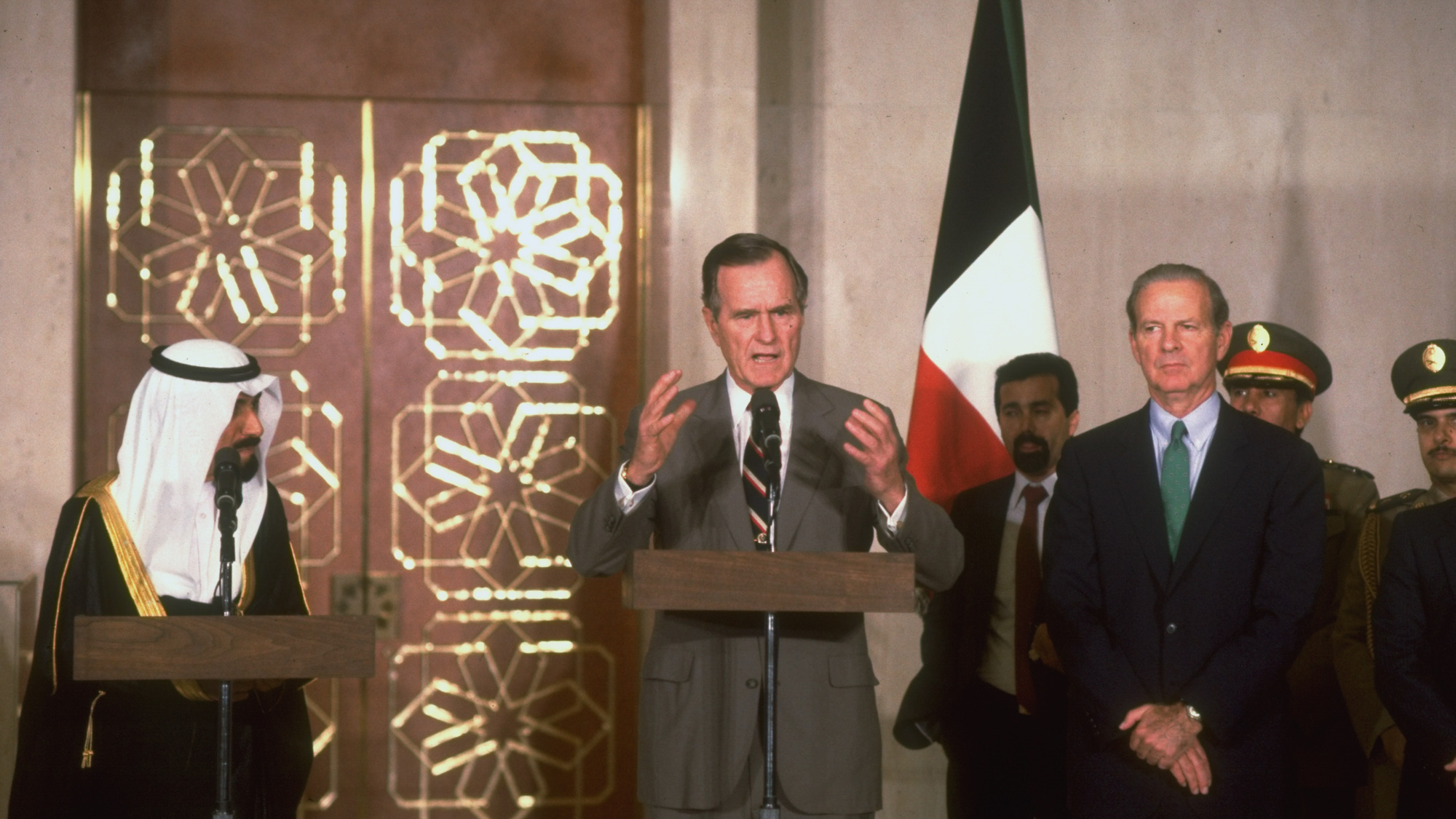
In his new book, Steve Coll casts doubt on whether Iraqi intelligence had actually tried to assassinate former President George H. W. Bush in Kuwait in April 1993. If the Kuwait plot were a fabrication, it would fit yet another brick in the wall of many well documented falsehoods and misunderstandings that led to the US invasion. Unfortunately for that allegation, the plot was very likely to have been quite real.
What it means when nine nations bomb in the Middle East in two weeks
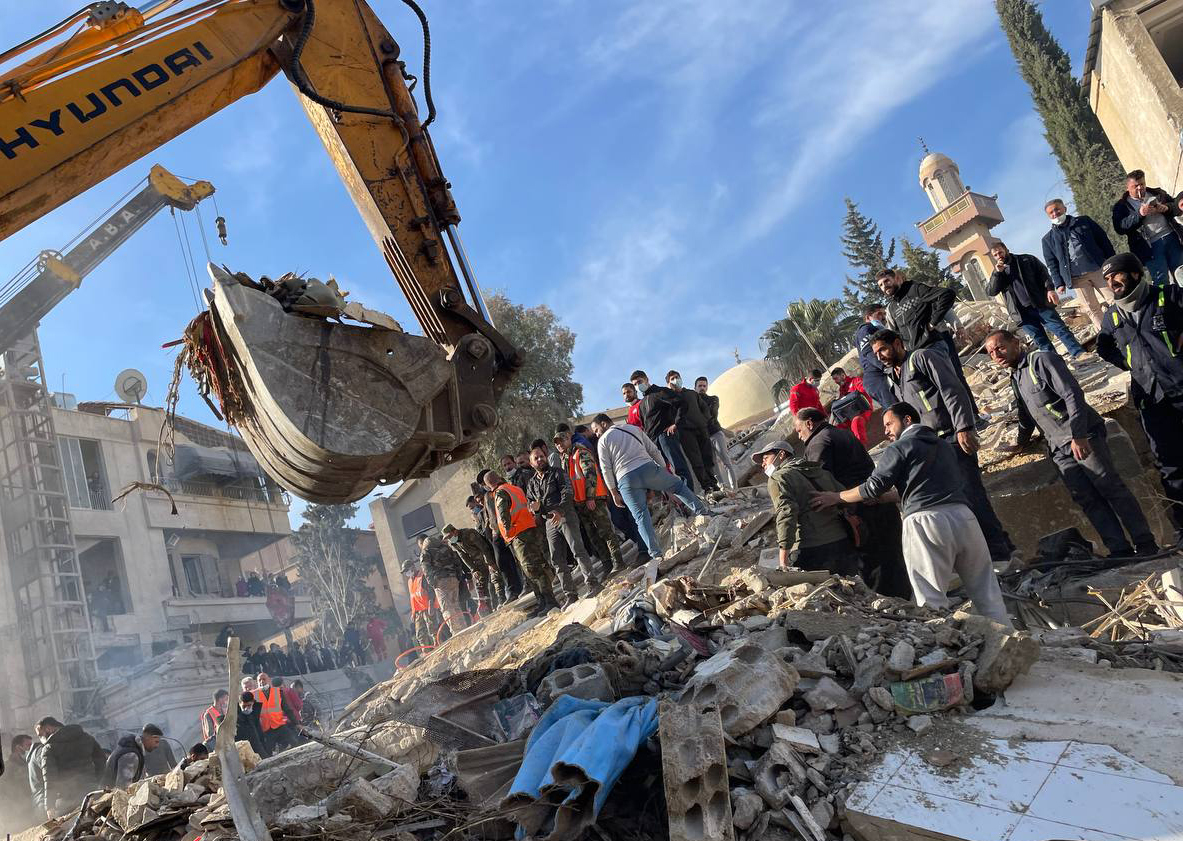
Nine nations, including terrorist groups that are de facto governments, have attacked other countries in the region over the course of about two weeks. Numerous commentators have drawn the conclusion that a regional war is already underway or soon will be.
In the recently released Showtime documentary “Kingdom of Silence” by Alex Gibney and Lawrence Wright, I made the statement that with hindsight the U.S. may have been better off never having occupied Afghanistan. That comment has brought some questions and responses, so let me be clear about what I mean and why.
How we planted the seeds of war with Iran: Decisions made in Washington brought us to this fateful moment
For almost 40 years, American national security officials have looked down the barrel of the gun of war with Iran. I sat in rooms in the White House and Pentagon several times as small groups of senior officials considered what such a war would look like, how it would end, and whether we would be better off for having fought it.
The answer was always the same: It would be highly destructive in several nations, it would end in a stalemate with the Iranian regime in place, and nothing positive would have been accomplished.
After the publication in 2017 of my book Warnings: Finding Cassandras to Stop Catastrophes, co-authored with RP Eddy, I have been often asked what my predictions are for possible trouble ahead. The point of the book was that there are recognized, data-driven experts who see things accurately before other experts, not that I am capable of seeing disasters coming.
Amid all the accusations being traded recently against each other by Gulf Arab states some truths are getting lost in the smoke.
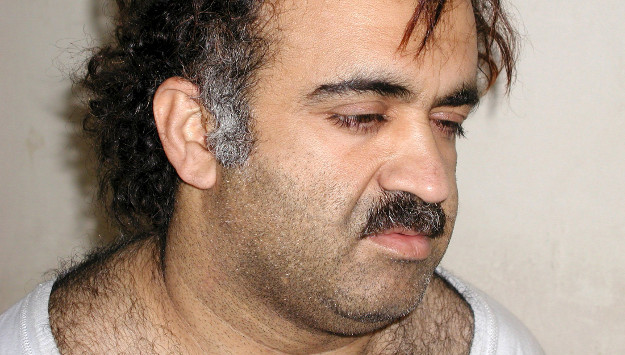
It has been true that Qatar has served as a sanctuary for leaders of groups that the U.S. or other countries deem to be terrorist organizations. That, however, is nothing new. It has been going on for at least 20 years — and one of those who had sanctuary was the mastermind of the 9-11 attacks.
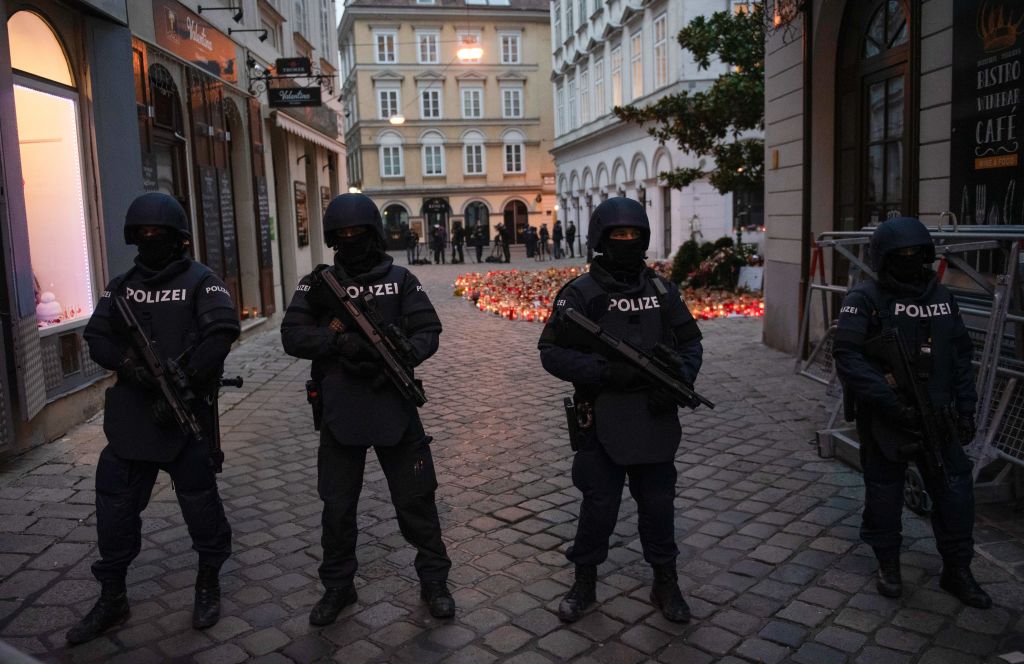
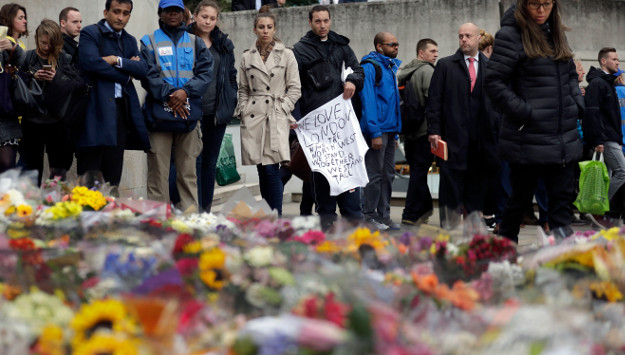
Two cells of terrorists have rocked the United Kingdom, striking in the heart of its two greatest cities. As Americans look on in horror, with sympathy for our British allies, we wonder what lessons we should be taking so that we might avoid such events here. I see six relevant points.
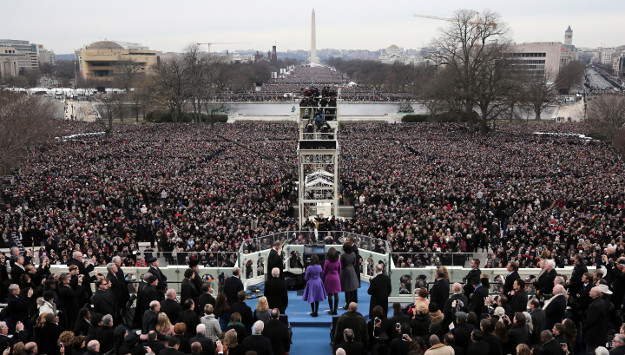
Five Inauguration Days: The U.S. and the Middle East
The following policy essay appears in the Winter 2017 issue of The Middle East Journal.
As the new American President comes into office amid the pomp and circumstance of Inauguration Day, we look ahead to the challenges facing him from and within the Middle East. To recognize, however, the degree to which such predictions may be quickly overcome by events, we also look back at the preceding four American inauguration days and examine what we thought then, what actually happened, how significantly the region has changed, and what that means for the United States.
The Next President: Security and Terrorism Challenges
October 24, 2016 – In this interview MEI Board Chairman Richard A. Clarke discusses the national security challenges that will face the next U.S. president, ranging from cybersecurity to countering violent extremism, with host Paul Salem.
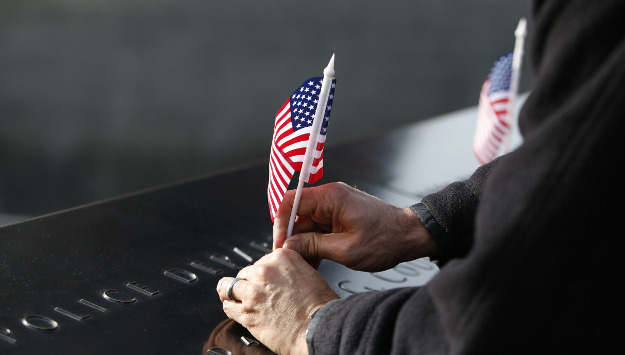
In the days after the attacks of 9/11, Americans asked fundamental questions such as “Who did this?” and “Why do they hate us?” As a nation, we were eager for a fight, for revenge, but some had another question: “How long will this war go on?”
Monday Briefing: Responding to Orlando, ISIS in Libya, and Hamas-Fatah Meeting
In this week’s Monday Briefing, MEI chairman Richard A. Clarke responds to the mass shooting in Orlando, and Charles Lister and Antoun Issa provide analysis on events including the pushing back of ISIS in Libya and the upcoming meeting of Hamas and Fatah.