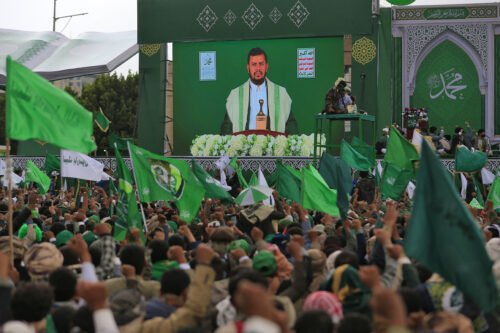
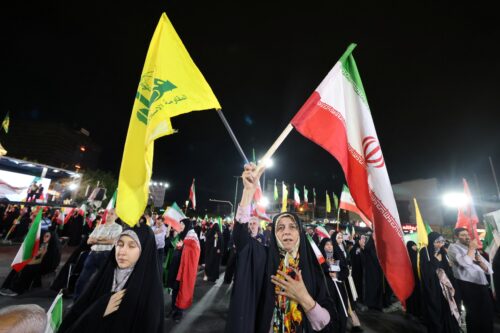
Iran’s latest missile strikes against Israel, launched this week in response to an Israeli strike on Beirut’s suburb of Dahiyeh, have confirmed a view increasingly prevalent in Western capitals: that Tehran has emerged from the US-Iran war more willing to take risks, less constrained by fears of escalation, and more convinced than ever before that military pressure can generate political results.
The tit-for-tat Israeli and Iranian strikes came despite an April ceasefire and despite public pressure from the US to stand down. Israel responded with its own strikes on Iranian targets within hours. Some believe this cycle of low-intensity war might become the new norm, and they are not necessarily wrong. But it only tells half the story.
Photo by Atta Kenare / AFP via Getty Images
The Middle East Institute (MEI) is an independent, non-partisan, not-for-profit, educational organization. It does not engage in advocacy and its scholars’ opinions are their own. MEI welcomes financial donations, but retains sole editorial control over its work and its publications reflect only the authors’ views. For a listing of MEI donors, please click here.
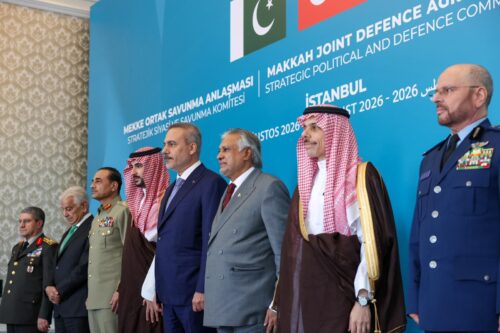
The Mecca Alliance Meets the Red Sea – Saudi Arabia’s New Defense Pact Faces Its First Major Test