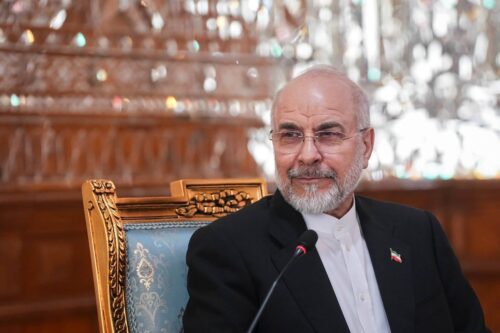
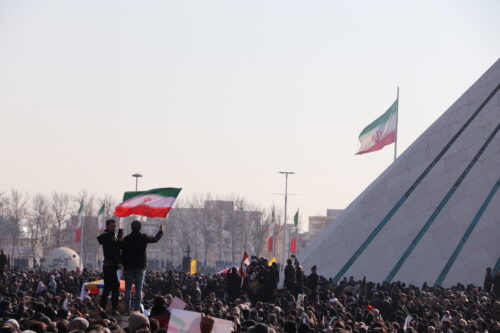
For decades, the Islamic Republic of Iran has grappled with a persistent center–periphery divide that structures its political economy, social stability, and internal security. Despite episodic development plans and rhetorical commitments to balanced growth, sharp regional disparities remain among the country’s most entrenched domestic challenges. These inequalities interact with ethnic repression, sectarianism, environmental pressures, the exhaustion of resources on defense and proxy networks, and governance failures, producing a volatile mix that has driven protest movements and repeated cycles of repression in peripheral regions.
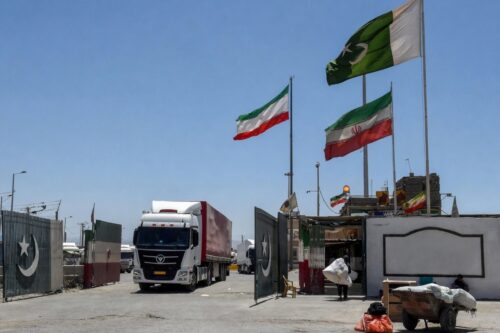
Under President Masoud Pezeshkian, this long-standing problem has taken on renewed urgency. His administration advanced a strategy known as “provincial diplomacy,” which seeks to leverage Iran’s provinces as semi-autonomous actors in foreign economic engagement, cross-border trade, and regional cooperation. Ostensibly framed as a development-oriented decentralization initiative, provincial diplomacy also functions as a ploy for regime survival: an effort to contain unrest in marginalized regions, co-opt ethnic and sectarian minorities, and compensate for the constraints imposed by sanctions and post-war pressures.
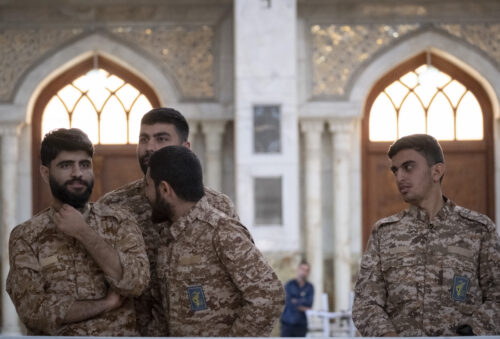
Photo by Mohammad Ali Dahaghin via Getty Images
The Middle East Institute (MEI) is an independent, non-partisan, not-for-profit, educational organization. It does not engage in advocacy and its scholars’ opinions are their own. MEI welcomes financial donations, but retains sole editorial control over its work and its publications reflect only the authors’ views. For a listing of MEI donors, please click here.
Iranian Elites Are Not in Agreement About What to Do Next