

As the third and seemingly decisive round of talks in Geneva concluded, the Trump administration had avoided diplomatic deadlock — but only by narrowing negotiations to the nuclear file. Yet after airstrikes on nuclear facilities last June and sweeping public demands, Washington had left itself little room to settle for anything short of capitulation.
That stalemate has, for now, been averted. By limiting negotiations to uranium enrichment, American and Iranian negotiators have reduced key gaps and moved into technical discussions. The result is not transformation, but structured constraint. Maximum pressure appears capable of extracting temporary nuclear limits. However, it did not — and likely cannot — force Iran to dismantle its broader security strategy without risking a wider war.
That distinction defines both the success and the limits of the current approach.
Photo by Iranian Foreign Ministry/Handout/Anadolu
The Middle East Institute (MEI) is an independent, non-partisan, not-for-profit, educational organization. It does not engage in advocacy and its scholars’ opinions are their own. MEI welcomes financial donations, but retains sole editorial control over its work and its publications reflect only the authors’ views. For a listing of MEI donors, please click here.

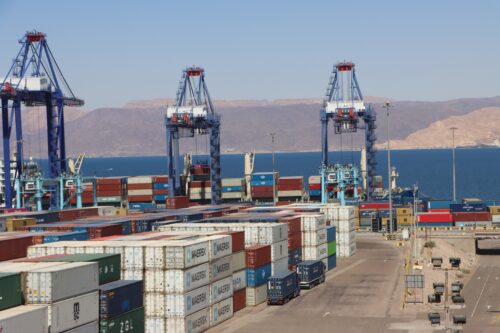
Jordan’s Economy Weathers Iran War’s Shocks and Finds New Opportunities