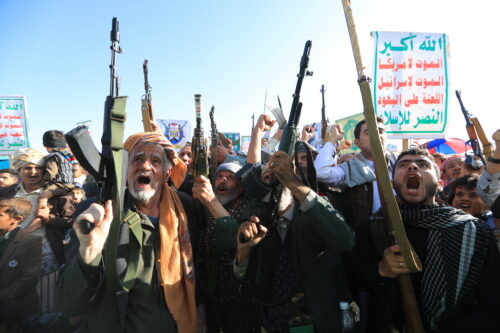
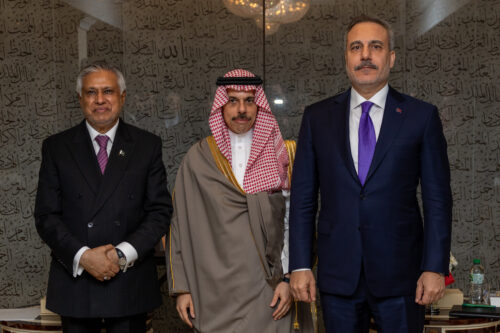
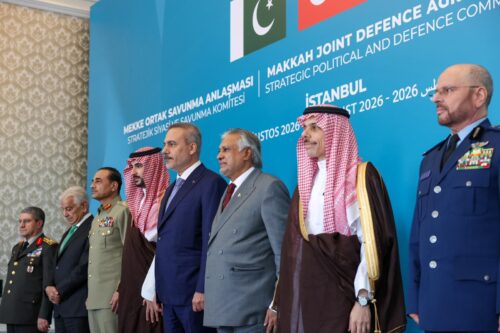
The Iran-allied Houthis in Yemen are escalating their attacks on Saudi targets, hitting the kingdom’s oil facilities and airports, while Saudi Arabia is stepping up its bombing campaign in support of a counter-Houthi ground assault by Yemeni government forces and local Riyadh-backed militias. At the same time, the conflict is increasingly pulling in other regional states. Turkey and Pakistan have pledged to meet their mutual defense obligations to Saudi Arabia under the Mecca Defense Alliance. And Syria is itself mulling sending troops to Yemen to aid the Saudis. Is the war helping to crystallize a new power bloc in the region?
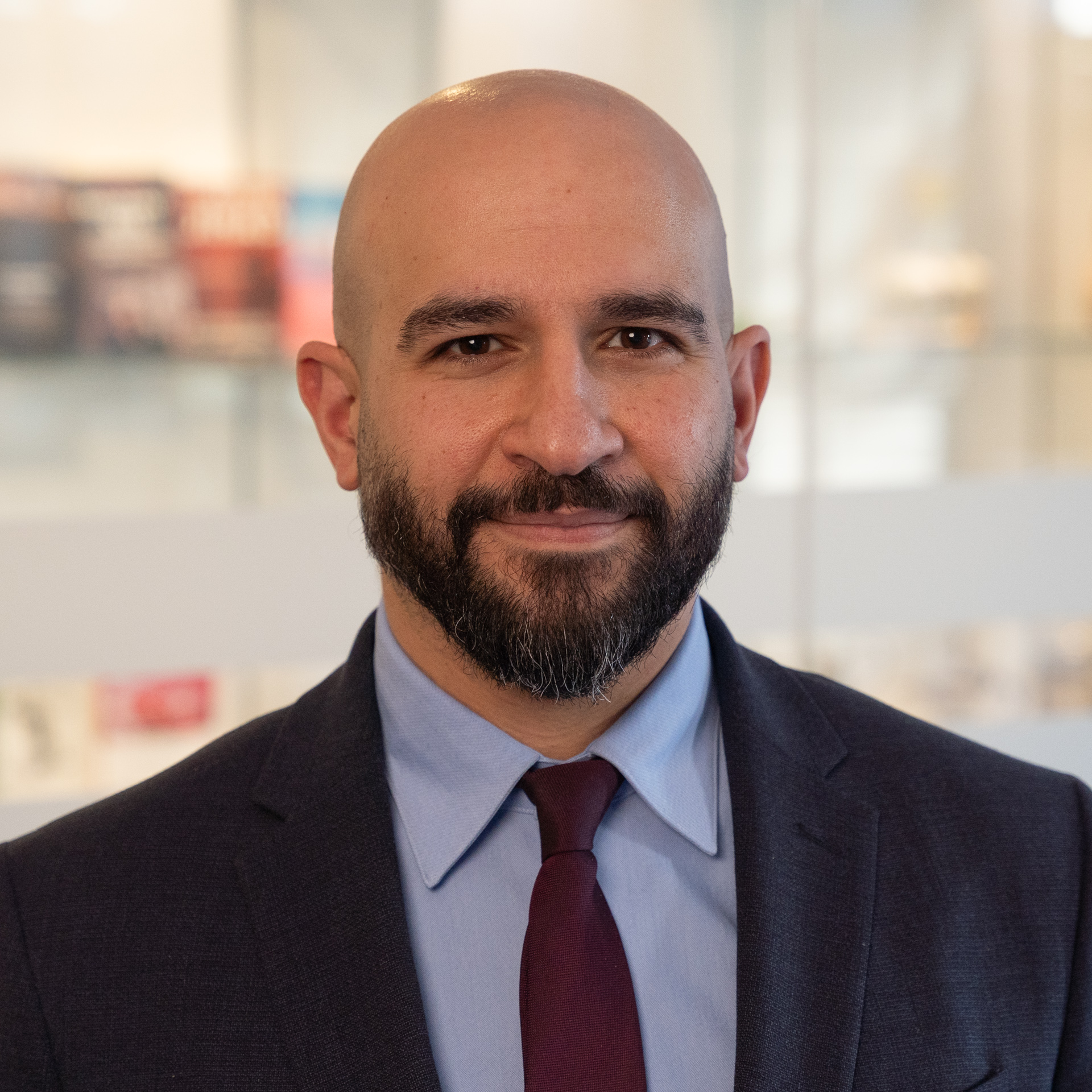
This virtual briefing featured MEI Distinguished Diplomatic Fellow Tim Lenderking, who served most recently as the Acting Assistant Secretary for Near East Affairs at the US State Department and as the first ever US Presidential Envoy for Yemen (2021-25). The briefing also featured Ibrahim Al-Assil, Senior Research Fellow at the Harvard Kennedy School’s Middle East Initiative. Al-Assil’s work examines geopolitics, governance, and state building, with a focus on the Gulf and Levant.
Our experts unpacked the latest escalation, Saudi Arabia’s options for confronting the Houthis, as well as the kingdom’s search for allies, from inside the region and beyond. They also assessed the realistic capabilities of Yemen’s internationally recognized government to retake territory from the Houthis, and whether the emerging regional alliances promoted by Riyadh can effectively respond to the Middle East’s most unstable hot spots.