US Bases in the Gulf Have Lost Their Sanctuary: What Comes Next?
External Publication
November 5, 2026
Share
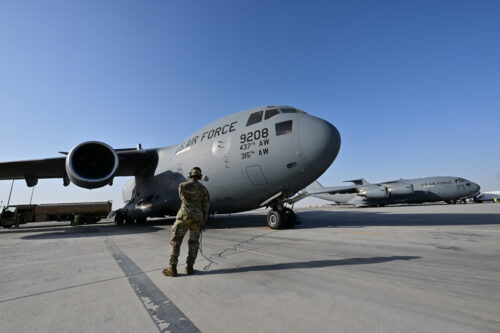
For four decades, US bases in the Gulf, including Al Udeid Air Base in Qatar and Naval Support Activity Bahrain, served as relatively safe operational hubs from which Washington could project power. The Iran war has shattered that assumption, as strikes damaged facilities, disrupted operations, and exposed the vulnerability of the infrastructure underpinning US power.
Washington now faces a larger question than where to rebuild. It must determine which facilities justify the resources required to defend, repair, and resupply them. Competing demands on interceptor stocks, precision munitions, maintenance capacity, and congressional funding, alongside Gulf governments’ growing concerns about the risks of hosting US forces, will shape the choices. The challenge is to preserve strategic access while building a posture sustainable through a prolonged conflict.
The Middle East Institute (MEI) is an independent, non-partisan, not-for-profit, educational organization. It does not engage in advocacy and its scholars’ opinions are their own. MEI welcomes financial donations, but retains sole editorial control over its work and its publications reflect only the authors’ views. For a listing of MEI donors, please click here.