It appears that Donald Trump’s Iran policy has shifted from “maximum pressure” to “maximum uncertainty,” with Washington sending mixed messages in the aftermath of the US president’s decision to extend the fragile ceasefire between the two countries. Trump explained his decision last week as giving Iran’s leaders “more time to come up with a more unified position” in talks mediated by Pakistan.
But since then, Trump has both said he is keen on reaching a deal with Tehran, while also sending additional military firepower to the region, including a third aircraft carrier group, which is currently parked in waters near Iran. At the moment, it appears Trump is more interested in diplomatic—rather than military—engagement, but given his mercurial unpredictability, it remains to be seen which way the pendulum will ultimately swing.
But should he opt for diplomacy, there’s one crucial variable missing: steady US engagement with its Arab partners, particularly in the Gulf, on what the strategic endgame with Iran looks like.
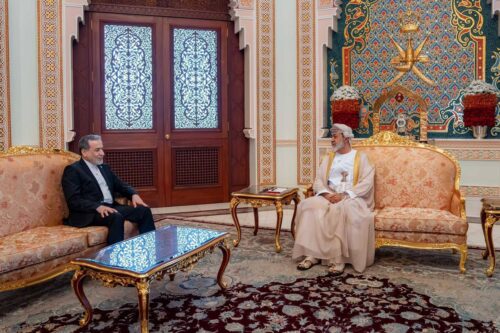
Photo by Iranian Foreign Ministry / Handout/Anadolu via Getty Images
The Middle East Institute (MEI) is an independent, non-partisan, not-for-profit, educational organization. It does not engage in advocacy and its scholars’ opinions are their own. MEI welcomes financial donations, but retains sole editorial control over its work and its publications reflect only the authors’ views. For a listing of MEI donors, please click here.

The Americans Are Gone. Will Iraq’s Militias Disarm?