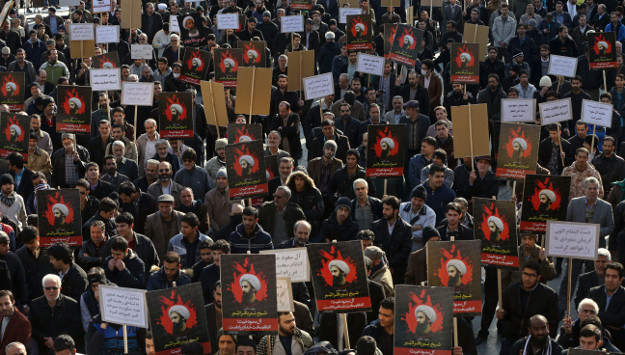
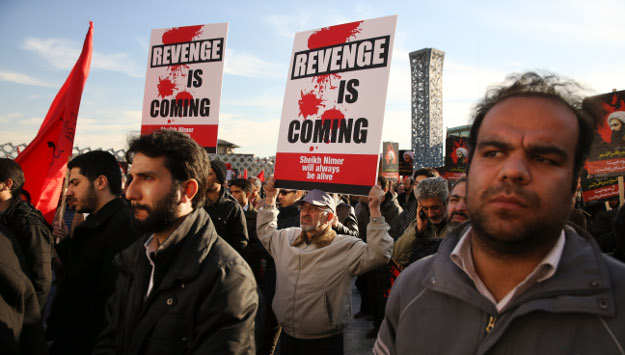
Saudi Arabia’s execution of prominent Shi’a cleric, Sheikh Nimr al-Nimr, is a gift in disguise to Iran’s hardliners seeking to undermine President Hassan Rouhani’s administration, and rally support ahead of key elections in February.
Although Saudi officials have insisted Iran is interfering in its internal affairs with its vociferous condemnation of the execution, Iranians, particularly the hardliners, saw the act as a direct provocation.
Decentralization and Ambiguities of Local Politics in Tehran
The prospect of establishing direct popular elections for mayors has precipitated a heated debate in Iran, resulting in divisions within the conservative and reformist factions and even a reversal of their roles. The debate surrounding the bill and the forces that render urban governance as political stem from the coupling of decentralization of governance with the arbitrary and despotic rule of mayors over urban matters. Decentralization in non-democratic settings has led to the reorientation of municipalities from merely managerial authorities to institutions that are both the field for, and the target of political struggles between elites and by citizens. Such localization of political life, especially in large cities such as Tehran, has the potential for making urban policy-making less opaque and bureaucratized as it has been under the Pahlavi Monarchy and the Islamic Republic.
Turkey Should Avoid Getting Involved in the Saudi-Iran Row
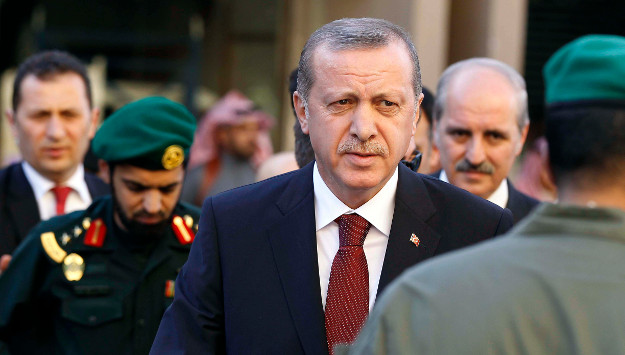
Turkey’s reaction to the latest spat between Saudi Arabia and Iran spells more trouble for Ankara at a time when it is already at loggerheads with many of its neighbors. Initial remarks by Deputy Prime Minister Numan Kurtulmus criticizing both sides were an attempt to keep Turkey out of the rift. He was upstaged, however, by Turkey’s foreign ministry, which followed up with a statement singling out Iran for condemnation.
The New Year has seen relations in the region spiral out of control with Saudi Arabia cutting off diplomatic ties with the Islamic Republic of Iran. Sectarian tensions mounted following the execution of prominent Saudi Shi’a cleric Nimr al-Nimr and the subsequent attack on the Saudi embassy in Tehran. The immediate impacts of this escalation will likely be felt in Yemen, with the latest ceasefire collapsing over the New Year, and in Syria where U.N.-sponsored peace talks are set to begin later this month.
Paul Salem, Vice President for Policy and Research at MEI, explains the drivers behind the recent flare-up of the Iran-Saudi feud, how it will impact regional issues including Syria, Yemen, and the fight against ISIS, and what the United States can do to help get diplomacy back on track.
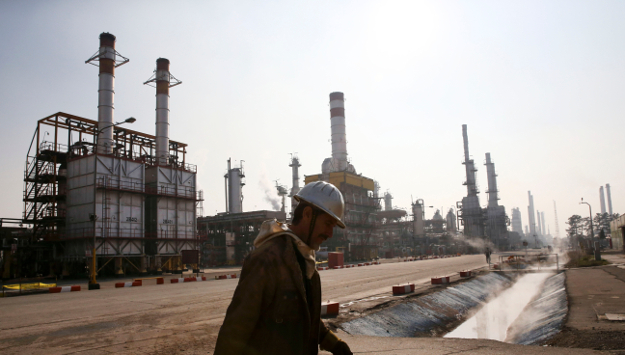
In a Middle East already aflame, a fresh feud between Saudi Arabia and Iran threatens to complicate most every major issue from the Iranian nuclear deal to the Syrian civil war to global oil markets.
According to the UN’s World Urbanization Prospects 2014, there are 28 “megacities” worldwide (i.e., urban agglomerations with populations in excess of 10 million). By 2030 another dozen will likely be added to their ranks.
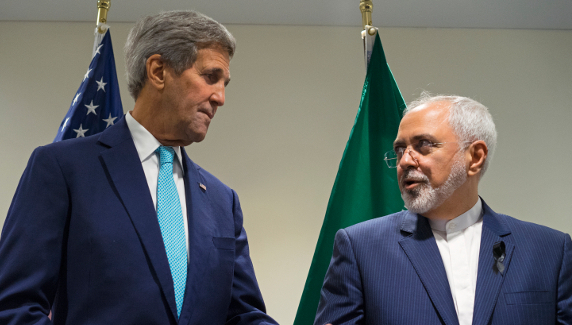
Critics of the July 14 nuclear deal with Iran railed against it on the grounds that it would embolden what they argue is Tehran’s destabilizing behavior in the Middle East. The reasoning goes like this: lifting sanctions gives Iran access to tens of billions of dollars that will flow to fund disruptive activities and lets Iran freely pursue its regional ambitions without fear of reprisals.
Top photo:
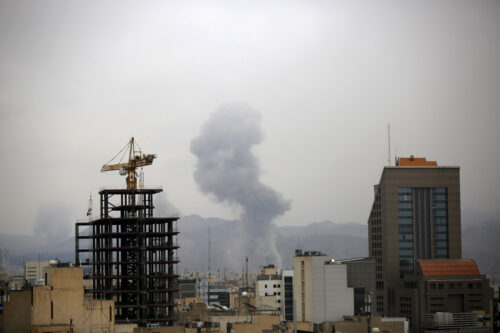
TEHRAN, IRAN – MARCH 10: Smoke rises among the residential buildings following an Israeli attack on Tehran, Iran on March 10, 2026. (Photo by Fatemeh Bahrami/Anadolu via Getty Images)