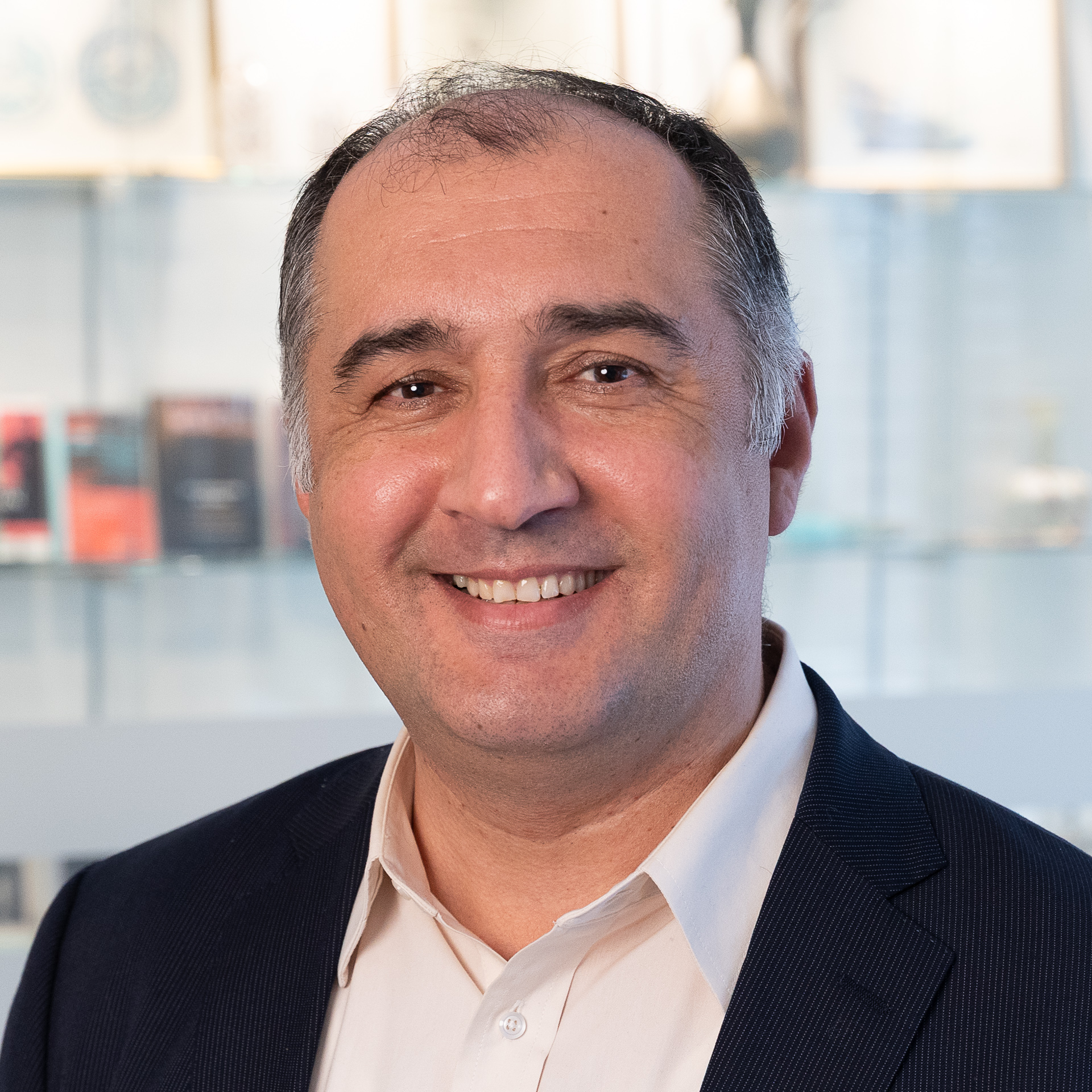
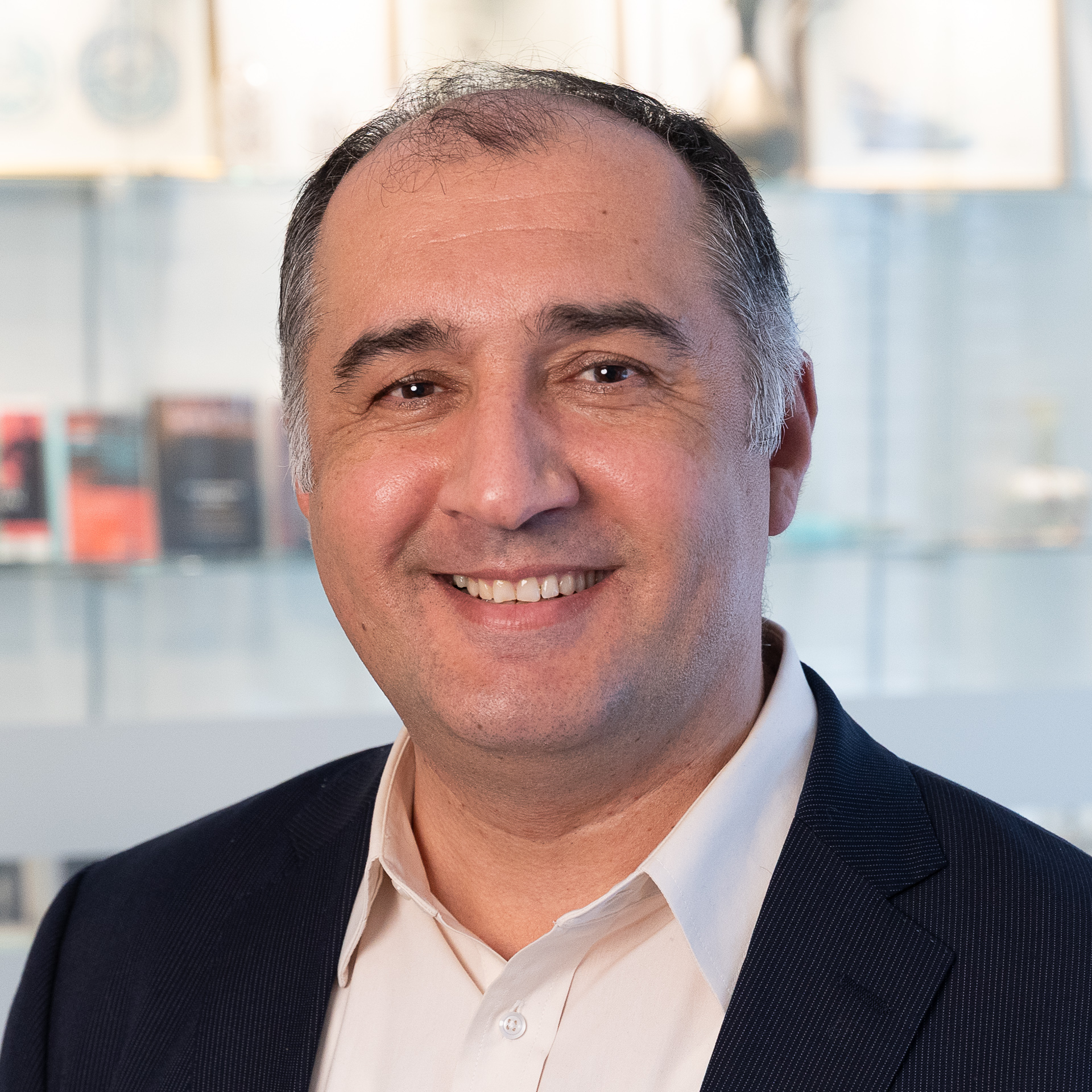
Alex Vatanka is a Senior Fellow at the Middle East Institute. He specializes in Middle Eastern regional security affairs with a particular focus on Iran. He was formerly a Senior Analyst at Jane’s Information Group in London. Alex is also a Senior Fellow in Middle East Studies at the US Air Force Special Operations School (USAFSOS) at Hurlburt Field and teaches as an Adjunct Professor at DISAS at Wright-Patterson Air Force Base. He has testified before the US Congress and lectured widely for both governmental and commercial audiences, including the US Departments of State and Defense, US intelligence agencies, and a list of international corporations.
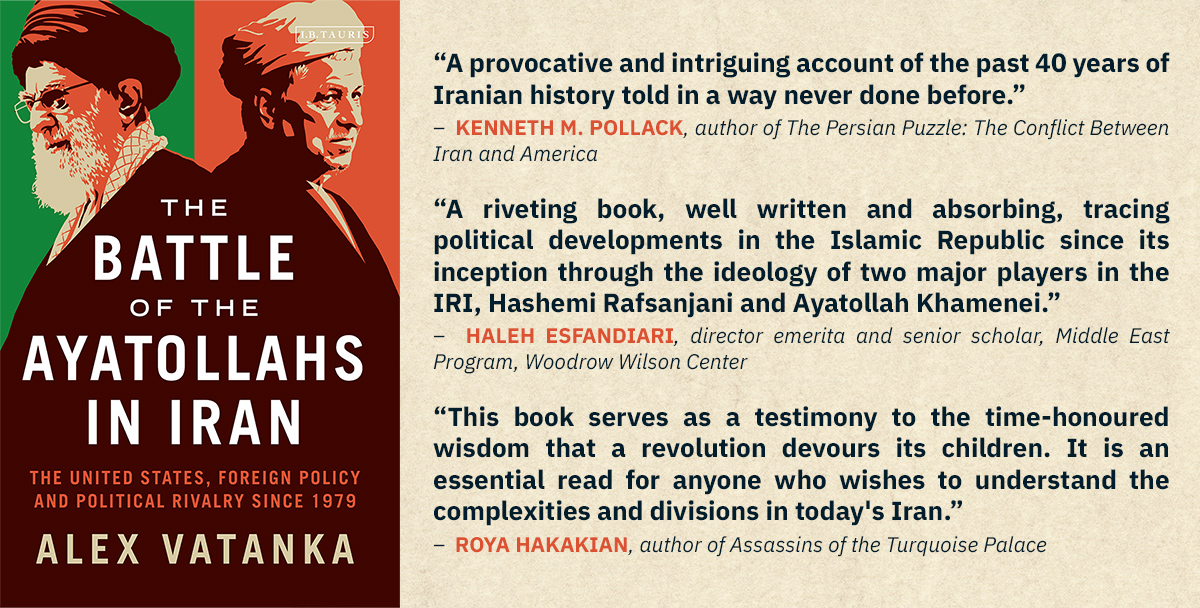
Born in Tehran, he holds a BA in Political Science (Sheffield University, UK), and an MA in International Relations (Essex University, UK), and is fluent in Farsi and Danish. He is the author of two books: The Battle of the Ayatollahs in Iran: The United States, Foreign Policy and Political Rivalry Since 1979 (2021) and Iran and Pakistan: Security, Diplomacy, and American Influence (2015).
He has also written chapters for a number of books, including Authoritarianism Goes Global (2016); Handbook on Contemporary Pakistan (2017); Russia in the Middle East (2018), Winning the Battle, Losing the War: Addressing the Drivers Fueling Armed Non-state Actors and Extremist Groups (2020); Global, Regional and Local Dynamics in the Yemen Crisis (2020); Routledge Handbook of Counterterrorism and Irregular Warfare Operations (2021); and Understanding New Proxy Wars (2022). He is presently working on his third book, Iran’s Arab Strategy: Defending the Homeland or Exporting Khomeinism?
Education
B.A. in Political Science at Sheffield University; M.A. in International Relations at Essex University
Languages
Farsi, Danish
Countries of Expertise
Iran
Issues of Expertise
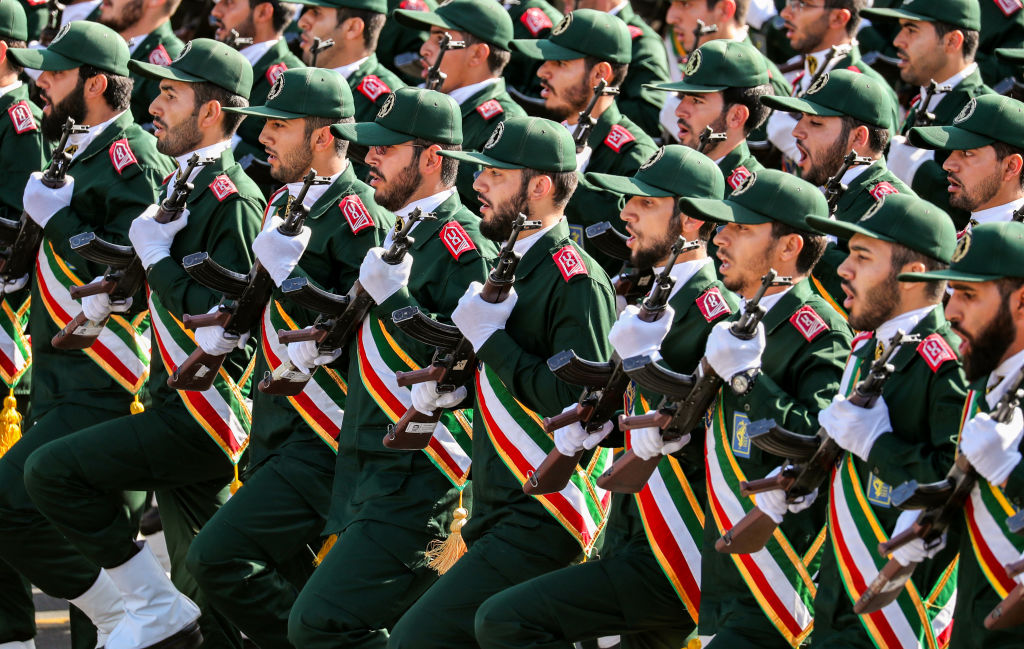
Iran domestic and foreign affairs, Iranian military and security forces, Iran-US relations, Political Islam in Middle East
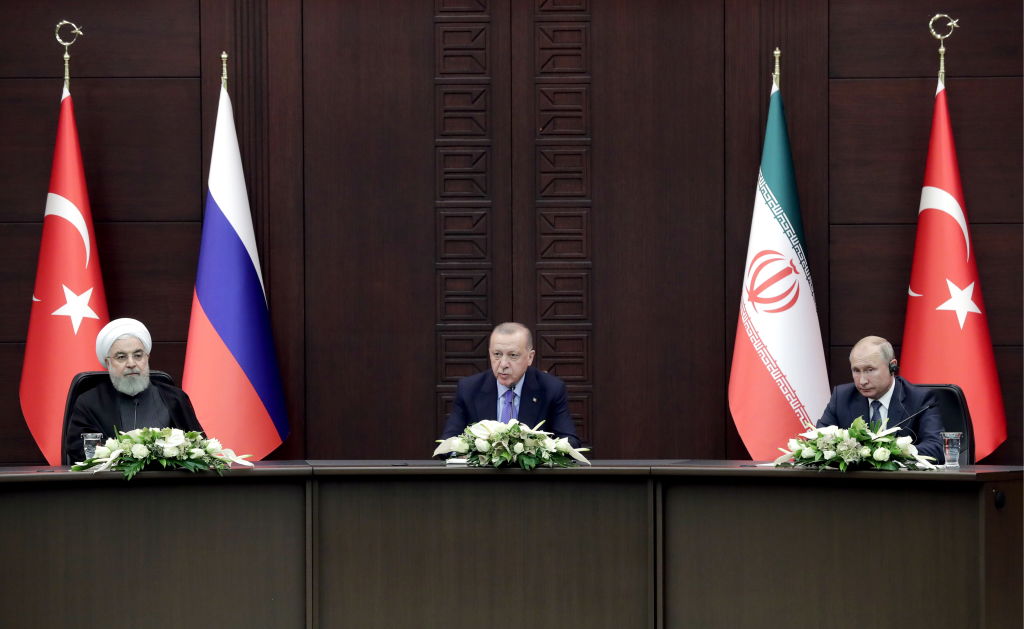
Iran and the Black Sea region: Tehran’s forgotten bridge to Europe
There have been some Iranian advances in building relations with Black Sea states over the last 30 years. However, Tehran’s wavering commitment to deeper ties with its northern neighbors, with the exception of Russia, has considerably reduced the potential footprint Iran could have otherwise had in the Black Sea region. Tehran’s ongoing standoff with the United States, its ideologically driven preoccupation to make advances in the Arab world, and a gradual but clear submission to Russian hegemony has meant that the Black Sea region is a policy matter of secondary importance to decision-makers in Tehran.
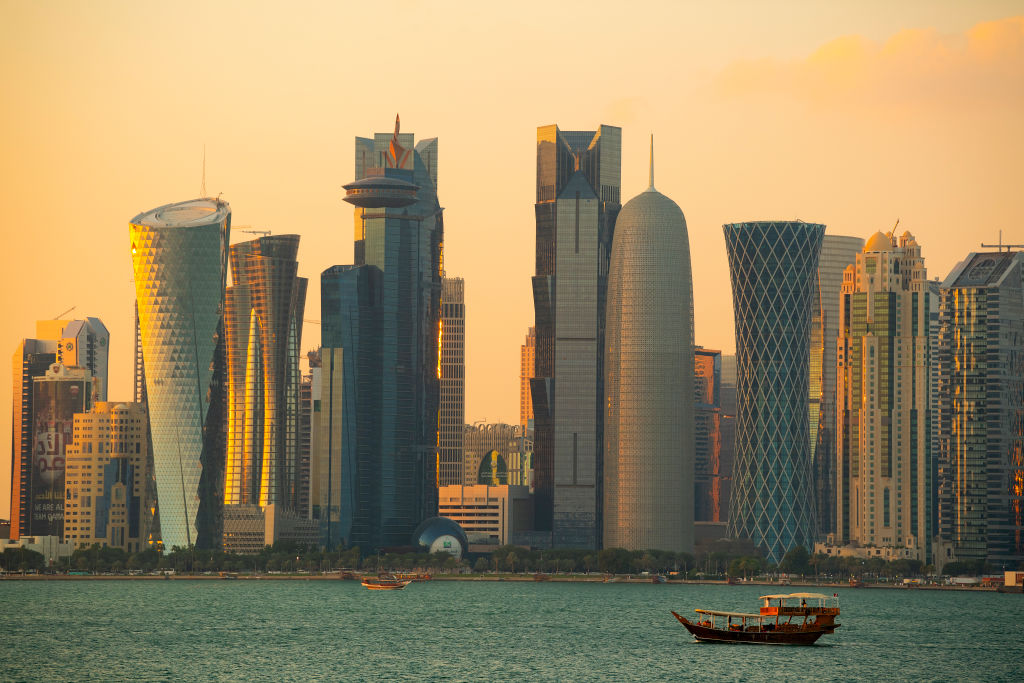
The tiny Persian Gulf country of Qatar has chosen a herculean task for itself: to mediate between the United States and Iran. As Qatar’s Foreign Minister Sheikh Mohammed bin Abdulrahman al-Thani put it on Feb. 10, Doha “is working on de-escalation through a political and diplomatic process.” To this end, al-Thani recently spoke to U.S. National Security Adviser Jake Sullivan and U.S. Special Representative for Iran Robert Malley.
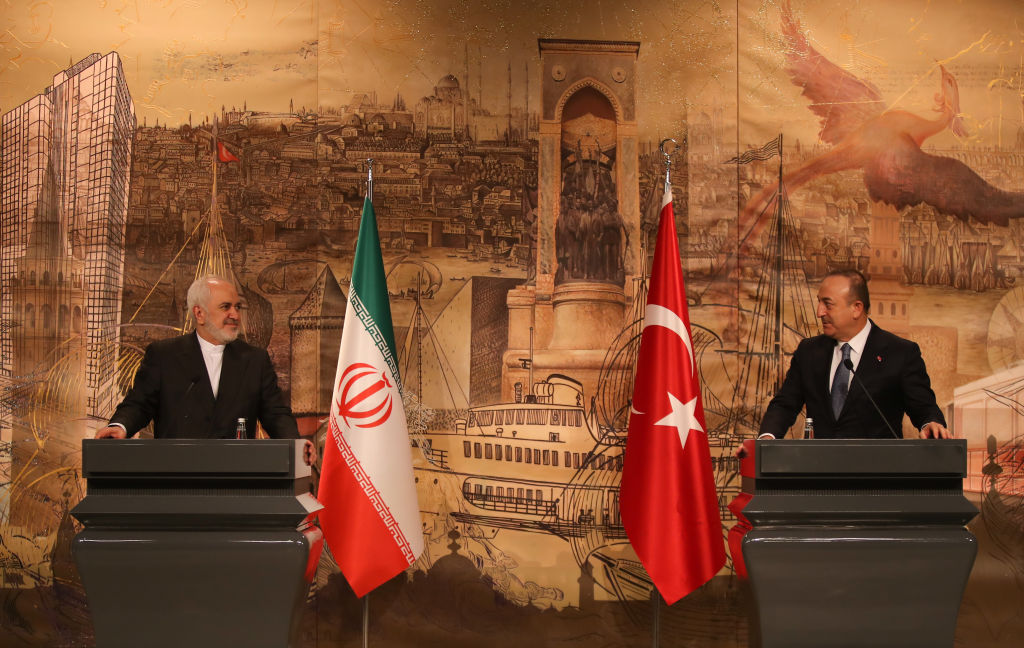
Iran and Turkey: Power dynamics in the South Caucasus
Iran was caught off guard by the July 2020 round of conflict between Armenia and Azerbaijan. Tehran was even more alarmed by the proactive role Moscow and Ankara played during and in the aftermath of the six-week war that ended with the Russian-brokered ceasefire on November 10. In fear of being kept on the sidelines, Iran’s Foreign Minister Javad Zarif embarked on a regional tour last month to Azerbaijan, Armenia, Russia, Georgia and Turkey.
NATO's Energy Security Rests on a Fragile Ceasefire
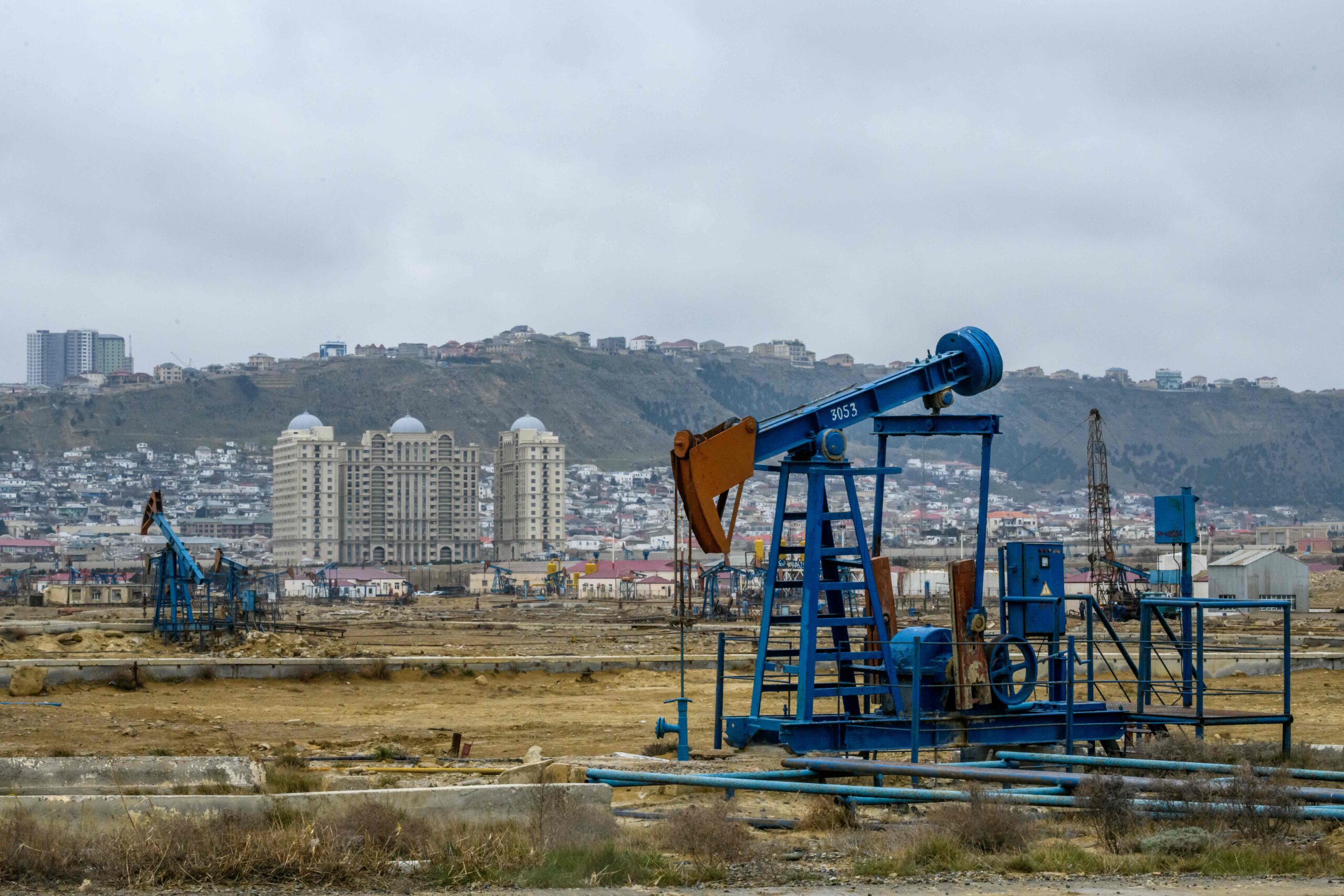
There is a lot riding on the success of the recent cease-fire agreement between Azerbaijan and Armenia. NATO’s energy security is now intertwined with the fragile deal. Fueled by Russian arms and military training, the Armenia-Azerbaijan conflict threatens to shake confidence in Europe’s drive to reduce its energy reliance on Moscow.
A look back at the year’s most important developments with analysis from Paul Salem, Alex Vatanka, Randa Slim, Gerald Feierstein, Gonul Tol, Jonathan M. Winer, Khaled Elgindy, Marvin G. Weinbaum, Mirette F. Mabrouk, Grace Wermenbol, Syed Mohammad Ali, Robert S. Ford, and Khaldoun Khelil.