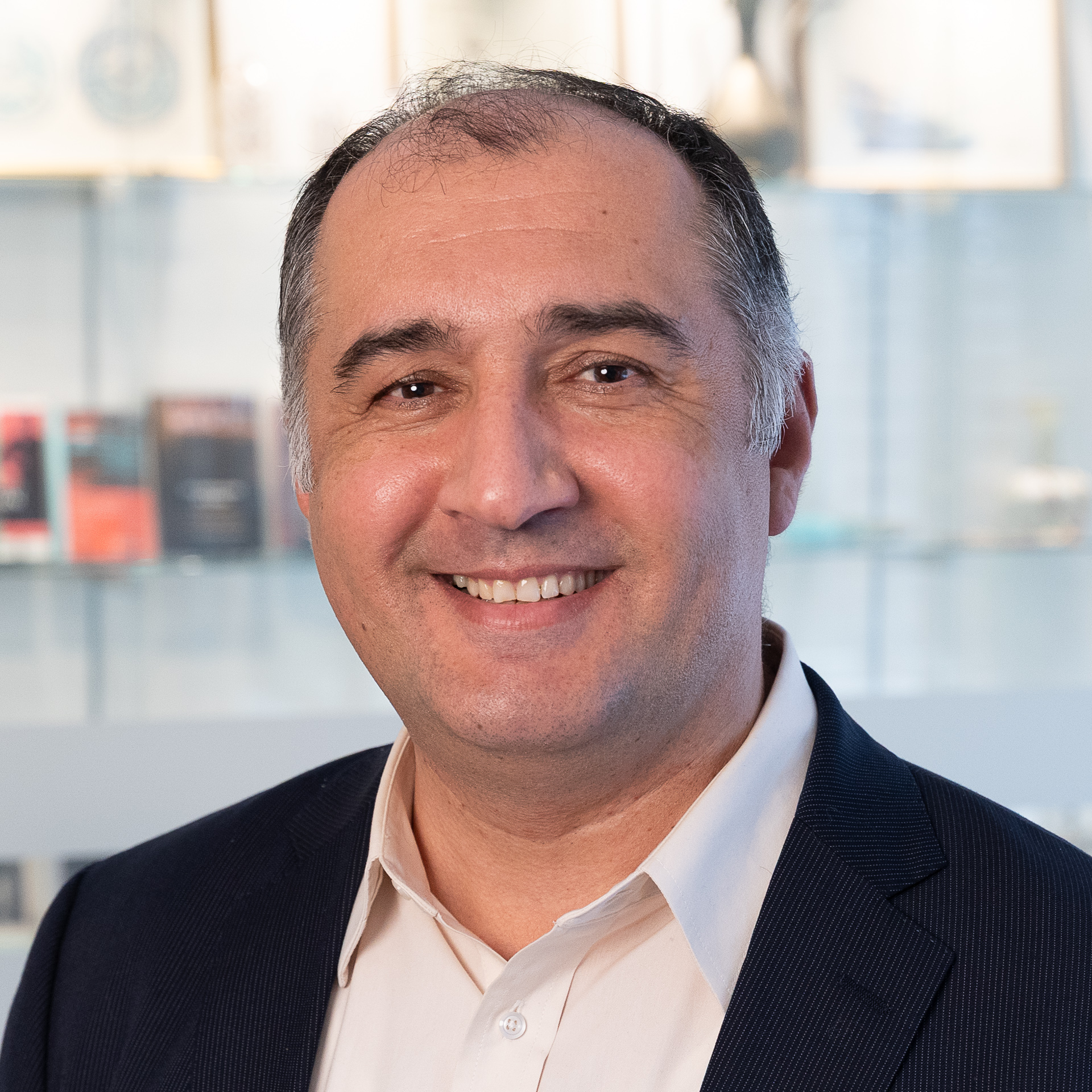
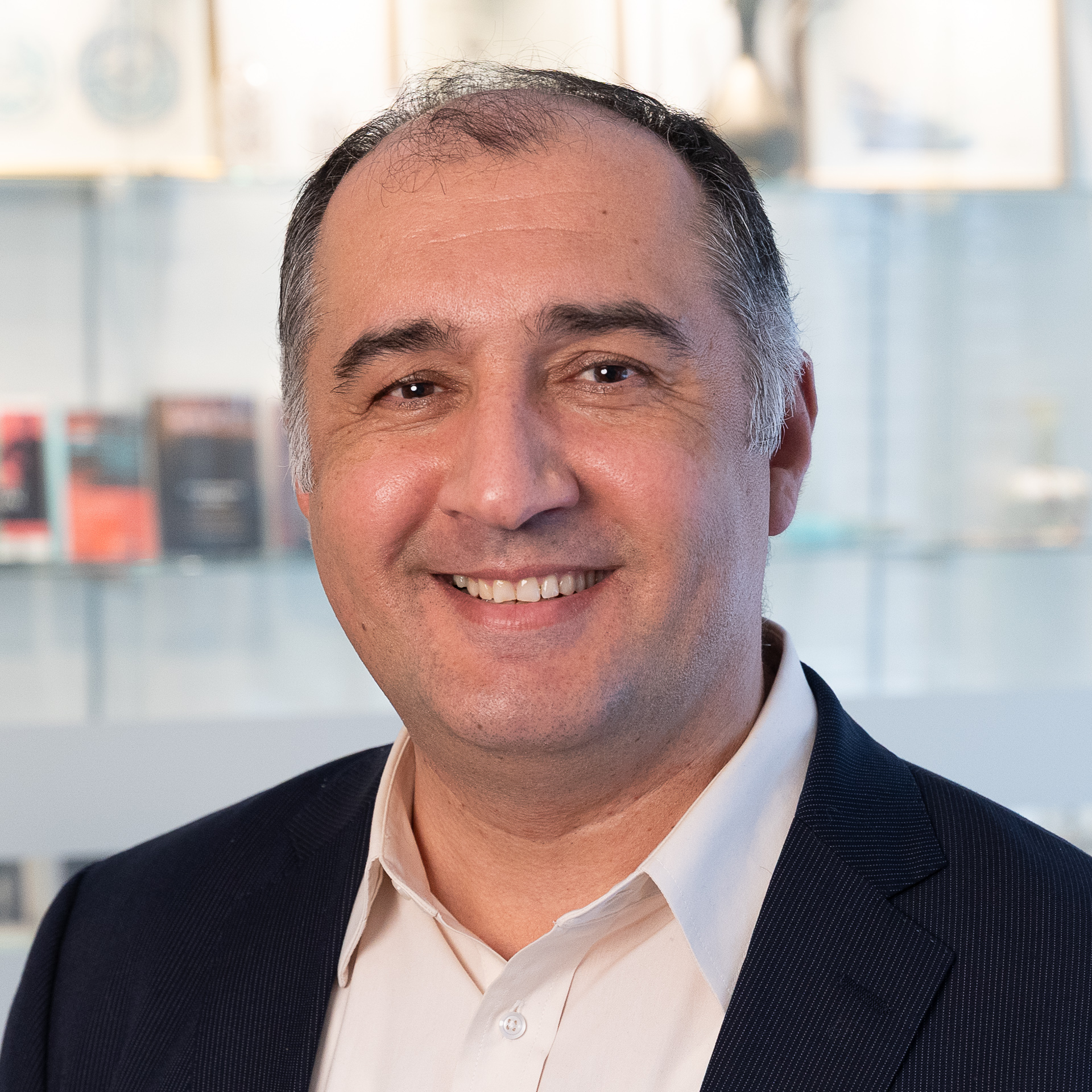
Alex Vatanka is a Senior Fellow at the Middle East Institute. He specializes in Middle Eastern regional security affairs with a particular focus on Iran. He was formerly a Senior Analyst at Jane’s Information Group in London. Alex is also a Senior Fellow in Middle East Studies at the US Air Force Special Operations School (USAFSOS) at Hurlburt Field and teaches as an Adjunct Professor at DISAS at Wright-Patterson Air Force Base. He has testified before the US Congress and lectured widely for both governmental and commercial audiences, including the US Departments of State and Defense, US intelligence agencies, and a list of international corporations.
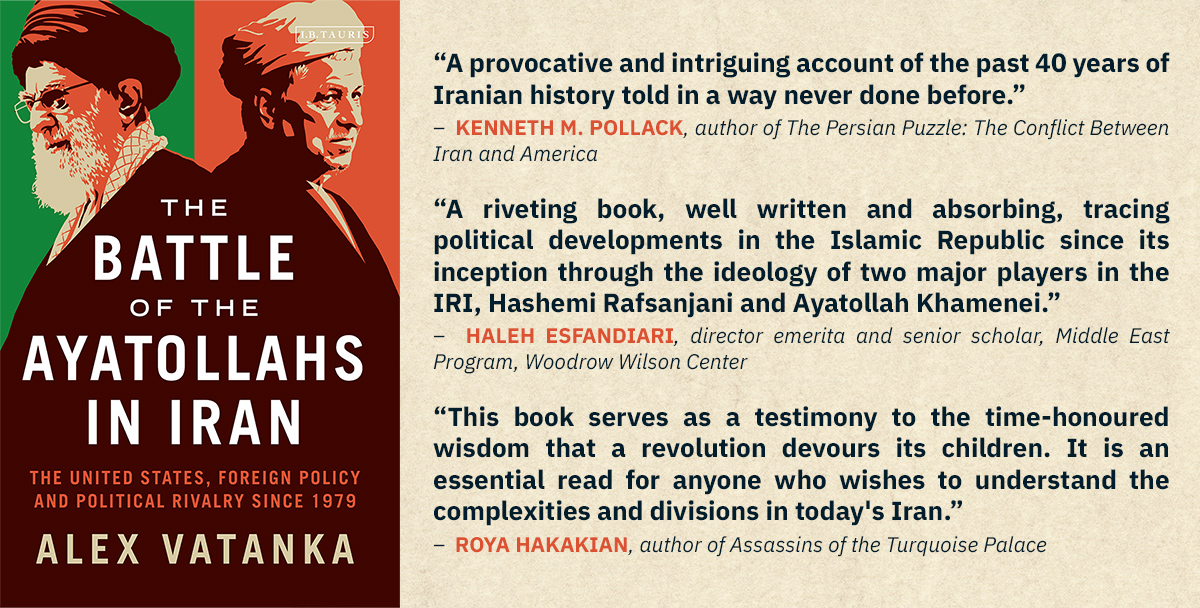
Born in Tehran, he holds a BA in Political Science (Sheffield University, UK), and an MA in International Relations (Essex University, UK), and is fluent in Farsi and Danish. He is the author of two books: The Battle of the Ayatollahs in Iran: The United States, Foreign Policy and Political Rivalry Since 1979 (2021) and Iran and Pakistan: Security, Diplomacy, and American Influence (2015).
He has also written chapters for a number of books, including Authoritarianism Goes Global (2016); Handbook on Contemporary Pakistan (2017); Russia in the Middle East (2018), Winning the Battle, Losing the War: Addressing the Drivers Fueling Armed Non-state Actors and Extremist Groups (2020); Global, Regional and Local Dynamics in the Yemen Crisis (2020); Routledge Handbook of Counterterrorism and Irregular Warfare Operations (2021); and Understanding New Proxy Wars (2022). He is presently working on his third book, Iran’s Arab Strategy: Defending the Homeland or Exporting Khomeinism?
Education
B.A. in Political Science at Sheffield University; M.A. in International Relations at Essex University
Languages
Farsi, Danish
Countries of Expertise
Iran
Issues of Expertise
Iran domestic and foreign affairs, Iranian military and security forces, Iran-US relations, Political Islam in Middle East
Monday Briefing: Brexit’s Impact on the Middle East; Syria File Changes Hands in Iran
In this week’s Monday Briefing, MEI experts Daniel Serwer, Paul Scham, and Alex Vatanka provide analysis on recent and upcoming events including Brexit’s impact on the Middle East, how Brexit is distracting the E.U. from Israel-Palestine issues, and Iran’s more moderate reshuffling of officials focusing on Syria.
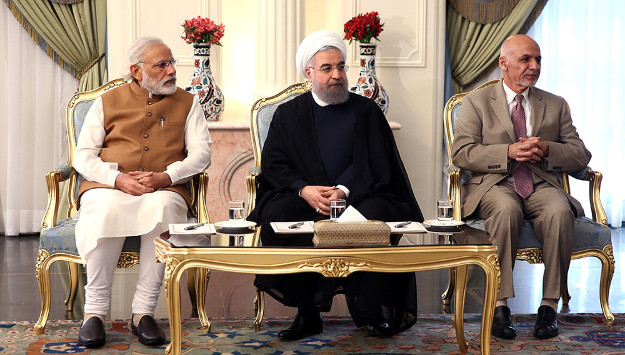
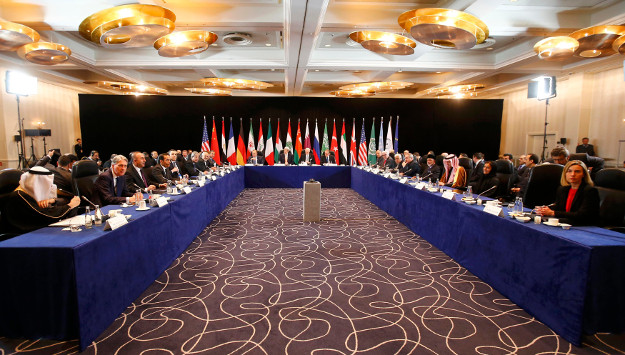
Monday Briefing: International Syria Support Group, Mustafa Badreddine, Global Refugee Summit, and India's Modi to Visit Iran
In this week’s Monday Briefing, MEI experts Robert S. Ford, Randa Slim, Paul Salem, and Alex Vatanka provide analysis on recent events including Tuesday’s meeting of the International Syria Support Group in Vienna, the death of Hezbollah senior leader Mustafa Badreddine, the global Refugee Summit to be held in Istanbul, and Indian PM Modi’s upcoming visit to Iran.
Monday Briefing: Syria Cease-fire, Yemen Talks, and Iran Elections
In this week’s Monday Briefing, MEI experts Charles Lister, Charles Schmitz, and Alex Vatanka provide analysis on recent events including the Syrian cease-fire, Al-Qaeda losses in Yemen, and Iran’s parliamentary elections.
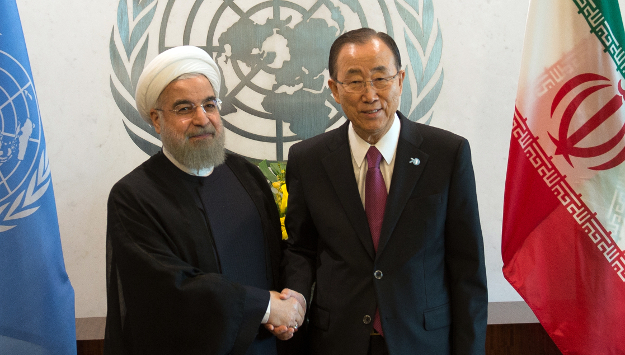
Two weeks ahead of critical elections, President Hassan Rouhani can boast of achieving two of his key election pledges from 2013: He secured a groundbreaking diplomatic nuclear deal with world powers and has removed crippling sanctions on the country. Rouhani should, therefore, feel confident ahead of the Feb. 26 vote and see himself as well on course to winning re-election in 2017.
Why Pakistan Is the Biggest Winner in the Iranian-Saudi Dispute
Saudi Arabia is back, knocking on Pakistan’s door. Saudi Foreign Minister Adel al-Jubeir and King Salman bin Abdulaziz al-Saud’s son and deputy crown prince, Mohammad bin Salman, arrived separately in the early days of the new year to persuade Islamabad to join hands with Riyadh in confronting regional security threats. That is, the Saudis want Pakistan’s support against Iran.
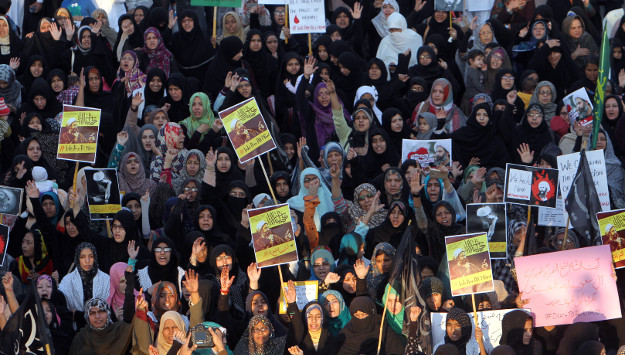
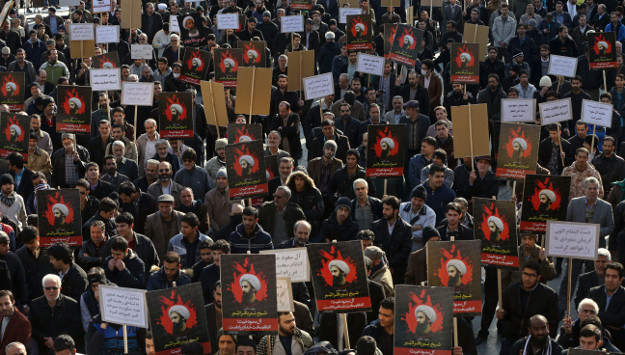
Saudi Arabia’s execution of prominent Shi’a cleric, Sheikh Nimr al-Nimr, is a gift in disguise to Iran’s hardliners seeking to undermine President Hassan Rouhani’s administration, and rally support ahead of key elections in February.
Although Saudi officials have insisted Iran is interfering in its internal affairs with its vociferous condemnation of the execution, Iranians, particularly the hardliners, saw the act as a direct provocation.
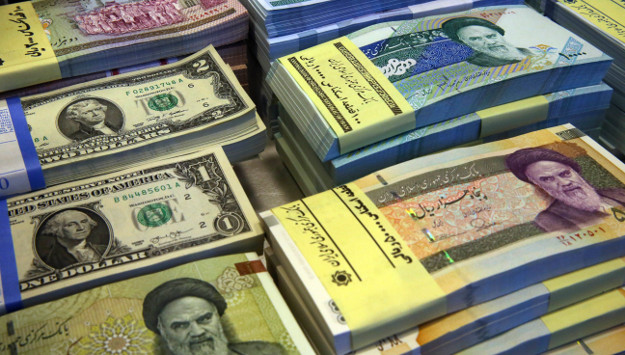
Critics of the July 14 nuclear deal with Iran railed against it on the grounds that it would embolden what they argue is Tehran’s destabilizing behavior in the Middle East. The reasoning goes like this: lifting sanctions gives Iran access to tens of billions of dollars that will flow to fund disruptive activities and lets Iran freely pursue its regional ambitions without fear of reprisals.