This individual is a guest contributor. MEI is not able to assist with contact requests.
Attiya Ahmad is Georgetown University’s 2009-10 Center for International and Regional Studies Post-Doctoral Fellow. She recently completed her PhD in Cultural Anthropology at Duke University. Dr. Ahmad’s work brings together scholarship on Islamic studies, globalization, diaspora and migration studies, economic anthropology, and political economy.
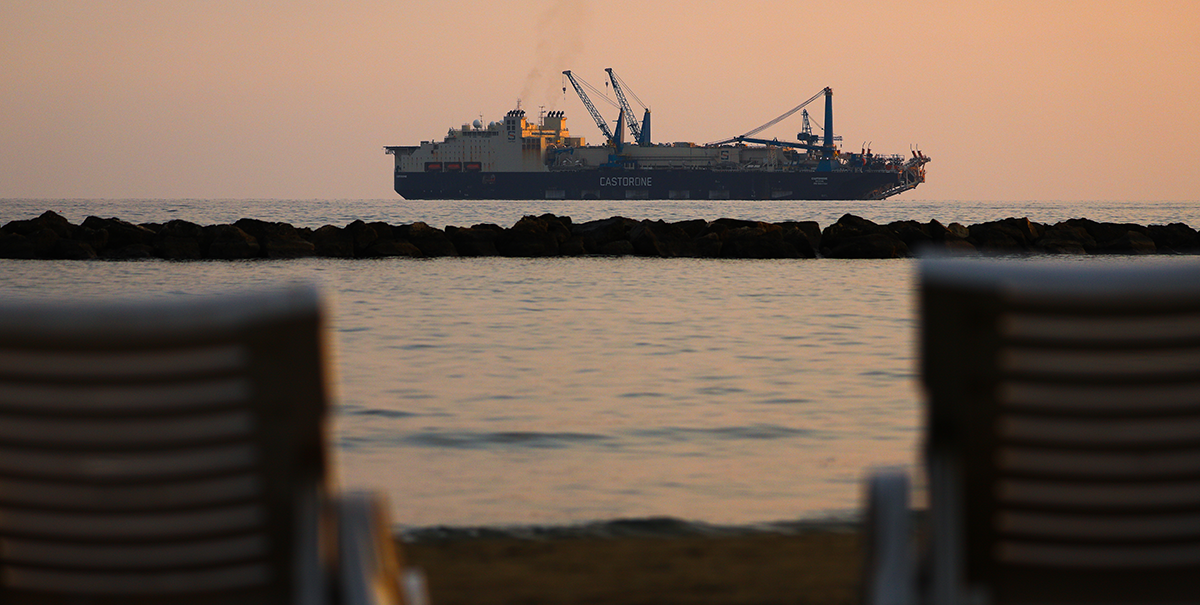
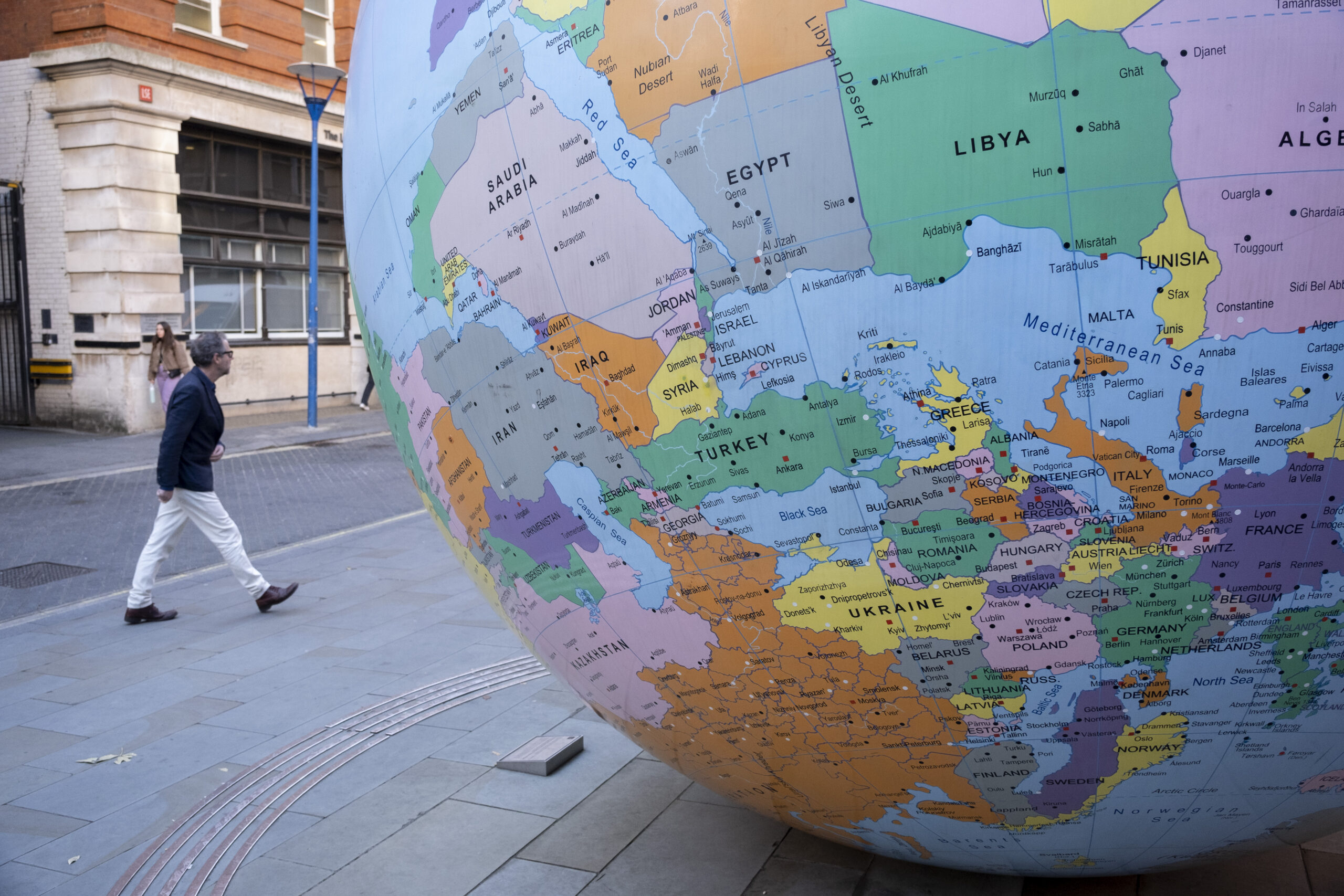
Eastern Mediterranean gas discoveries, progress, and what to watch in 2023
The challenge of developing export strategies for the offshore natural gas resources concentrated in the Eastern Mediterranean predates the Russo-Ukrainian war. Yet over the course of 2022, Europe’s intensifying energy crisis created a new and more immediate incentive to solve those export challenges, despite a great deal of work still to be done.
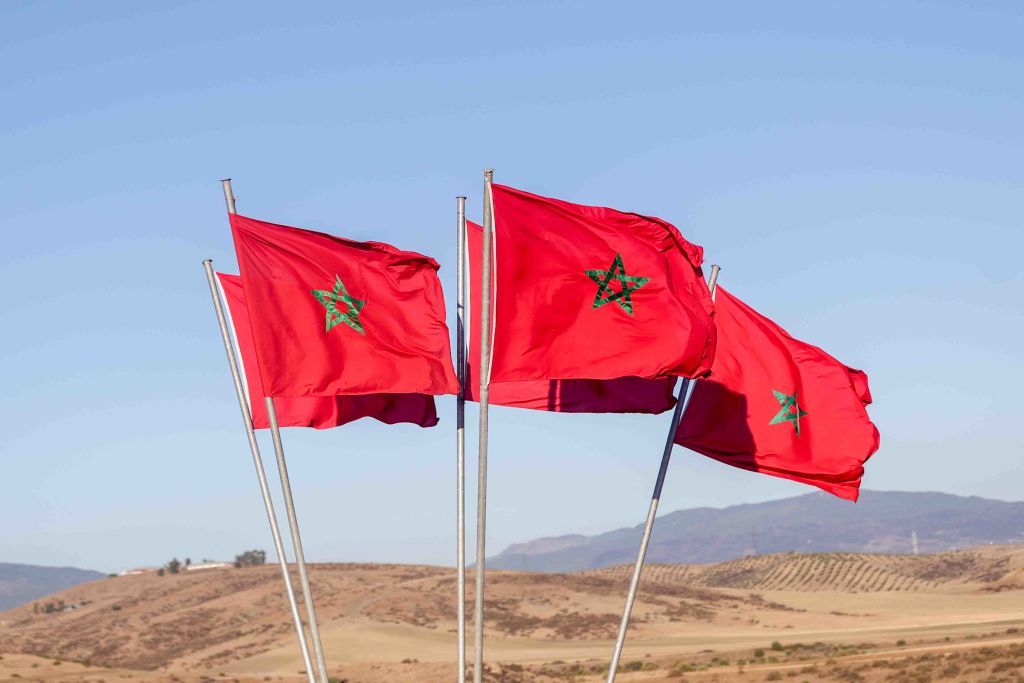
For the past ten years, Italy and Morocco have been two of the most economically dynamic countries in the Mediterranean basin. Morocco’s rise as a manufacturing and distribution hub for companies seeking to nearshore operations close to mature European end-markets, as well as emerging African end-markets, has created new potential synergies for a deeper Italy-Morocco commercial partnership.
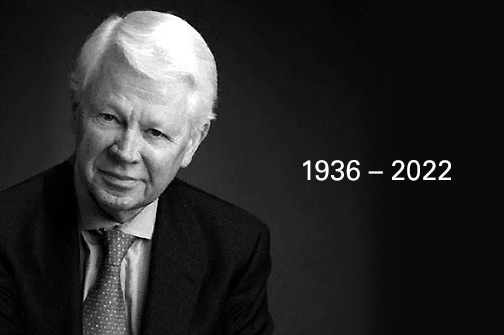
It is with great sadness that we received the news of the passing of former MEI board member Mr. Joseph Brand, who died at his home on December 17th 2022. Mr. Brand served on the board from 1996-2014 and over the course of almost two decades, he worked to transform MEI into the leading Middle East think tank in the United States. Mr. Brand was deeply supportive of MEI and its mission, and helped to onboard and mentor many current and past members of the Institute’s Board of Governors.
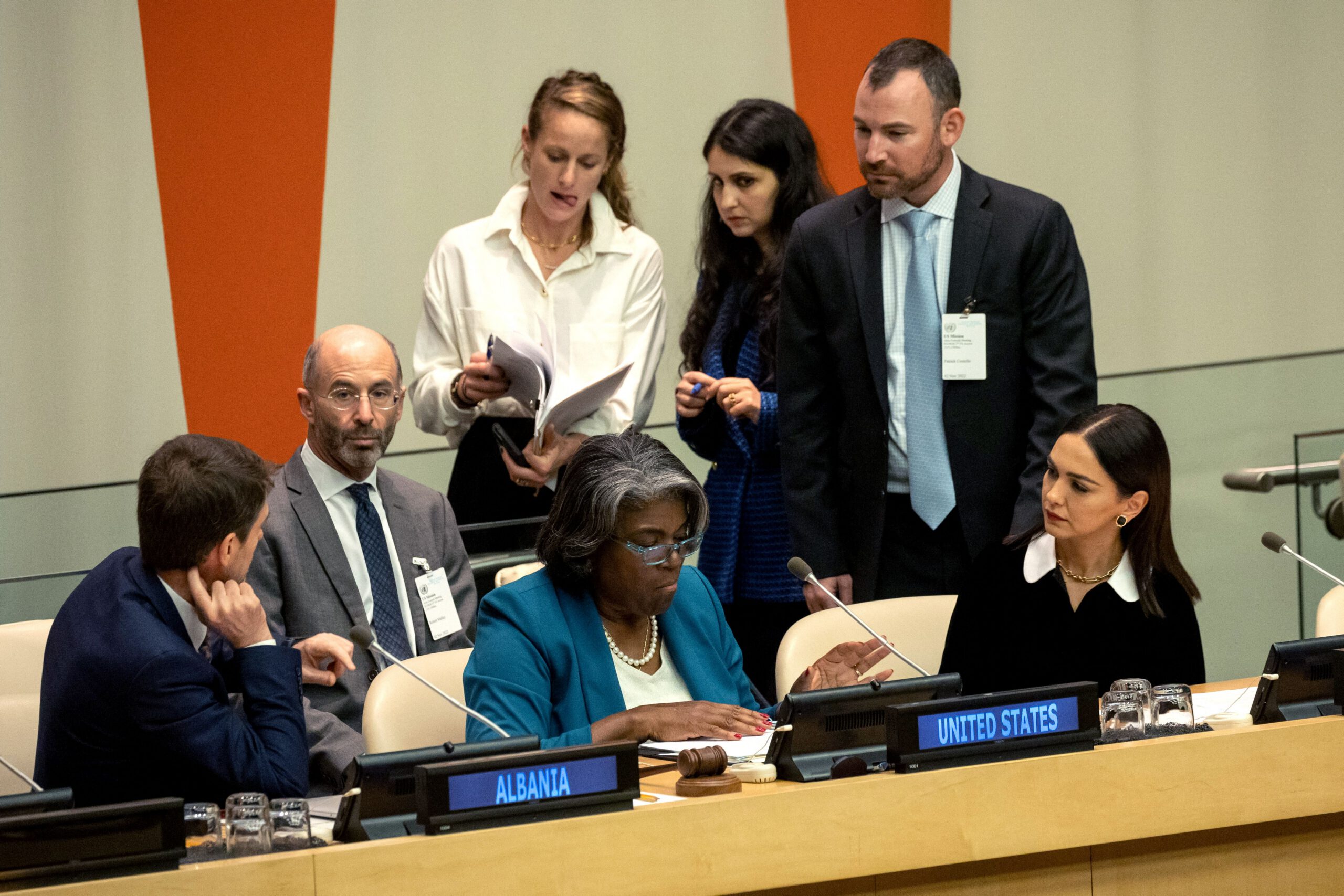
What the UN vote tells us about international sentiments and Israeli diplomacy
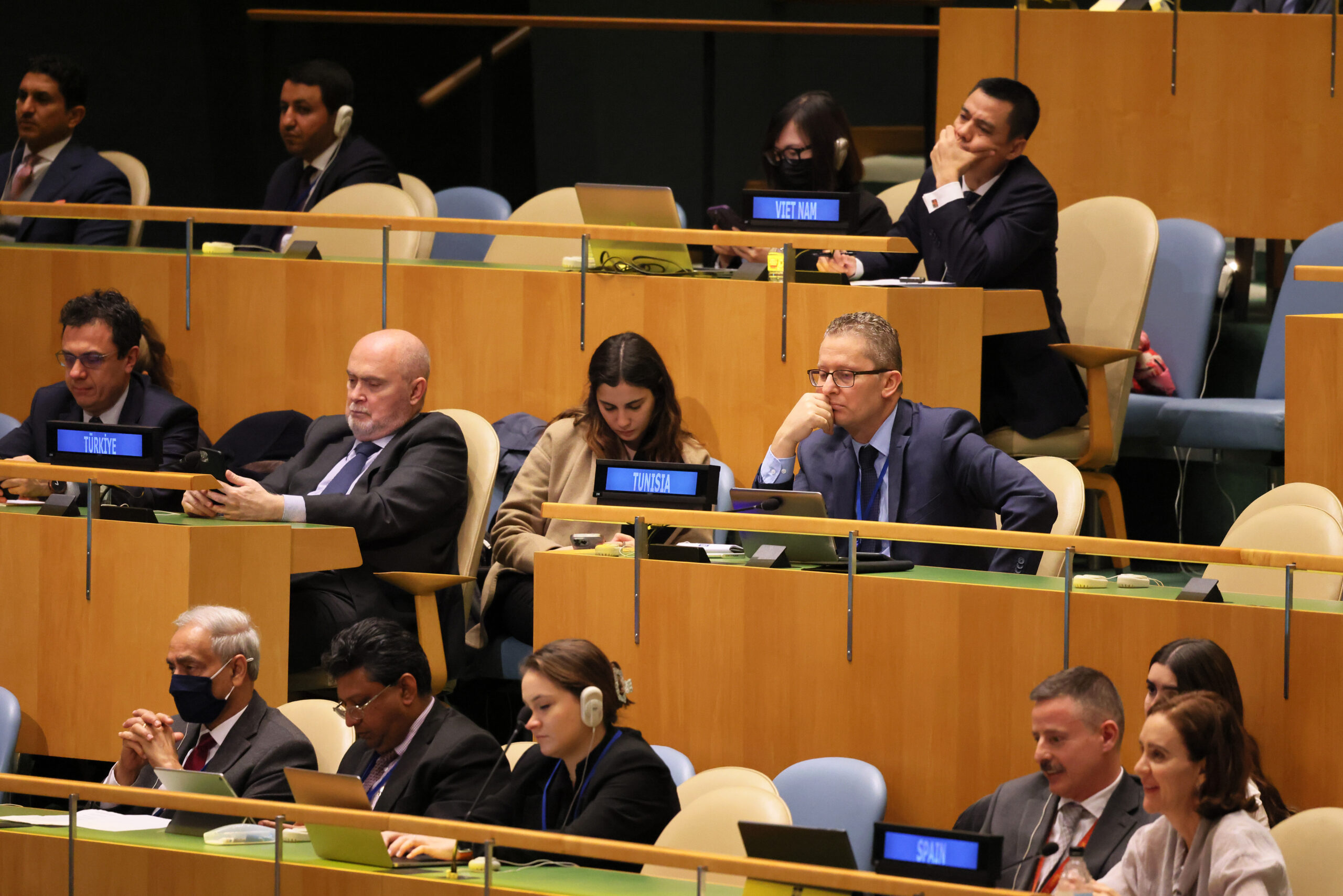
The Dec. 30 vote at the United Nations General Assembly (UNGA) regarding Israel reflected once again that the international community does not generally accept the Israeli narrative regarding the Palestinian issue. It also highlights that the Palestinian issue, while not a top priority on the global agenda, is still one of concern around the world.
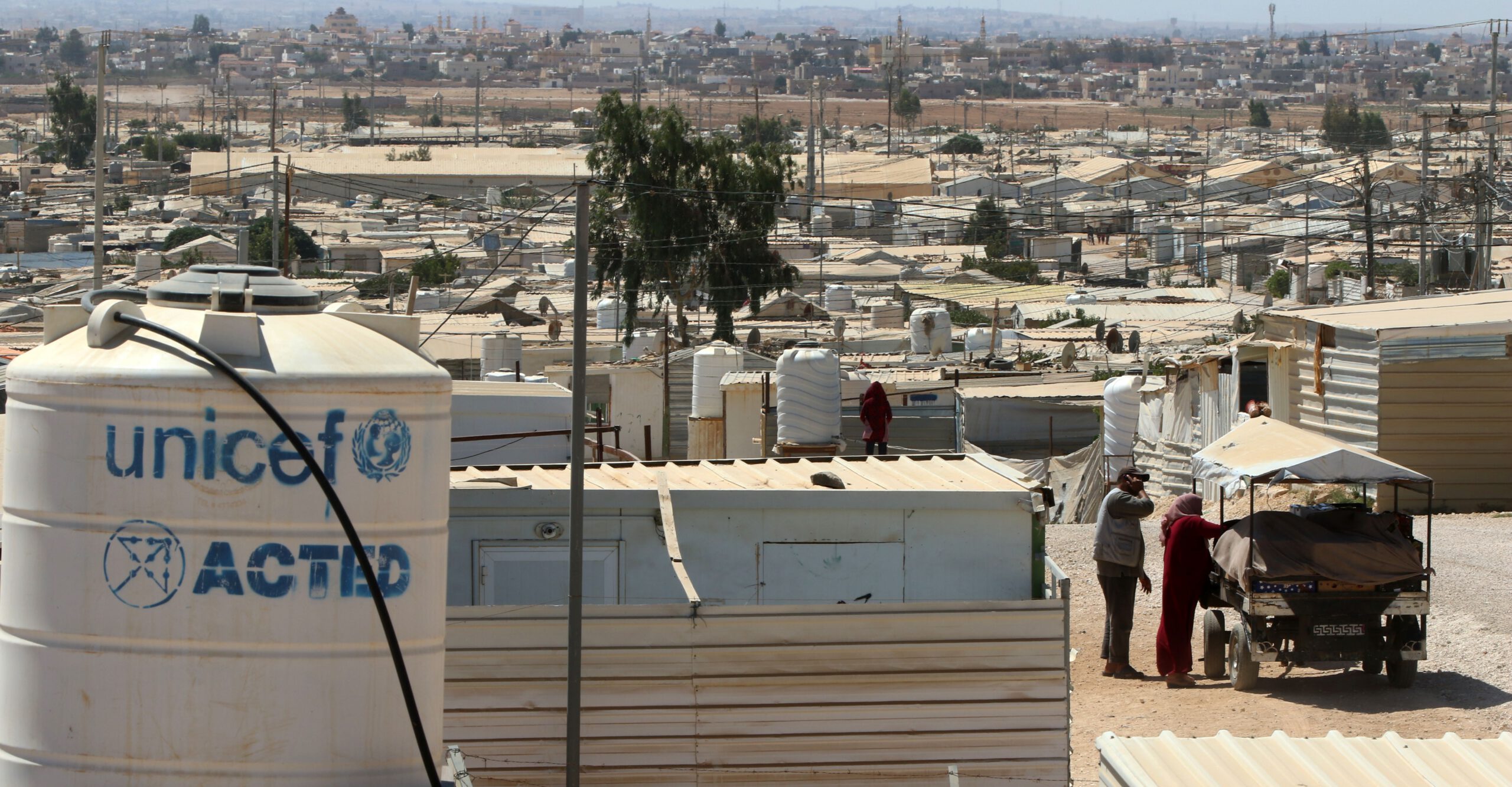
Six and a half years ago, international governments and organizations successfully negotiated the “Grand Bargain,” an agreement that the largest international non-governmental organizations would allocate 25% of their humanitarian funding to small NGOs. Nowhere was the deal more hotly anticipated than Jordan, where the Syrian refugee crisis compounded existing problems of workforce participation and water scarcity.
On today’s episode, Middle East Focus kicks off the new year with Danny Hajjar, whose newsletter Sa’alouni El Nas brings diverse music and perspectives from the MENA region to inboxes worldwide. Interviewing Danny is Fadi Nicholas Nassar, U.S.-Lebanon Fellow at the Middle East Institute, Director of the Institute for Social Justice and Conflict Resolution, and Assistant Professor of Political Science and International Affairs at the Lebanese American University (LAU).
Iran and cryptocurrency: Opportunities and obstacles for the regime
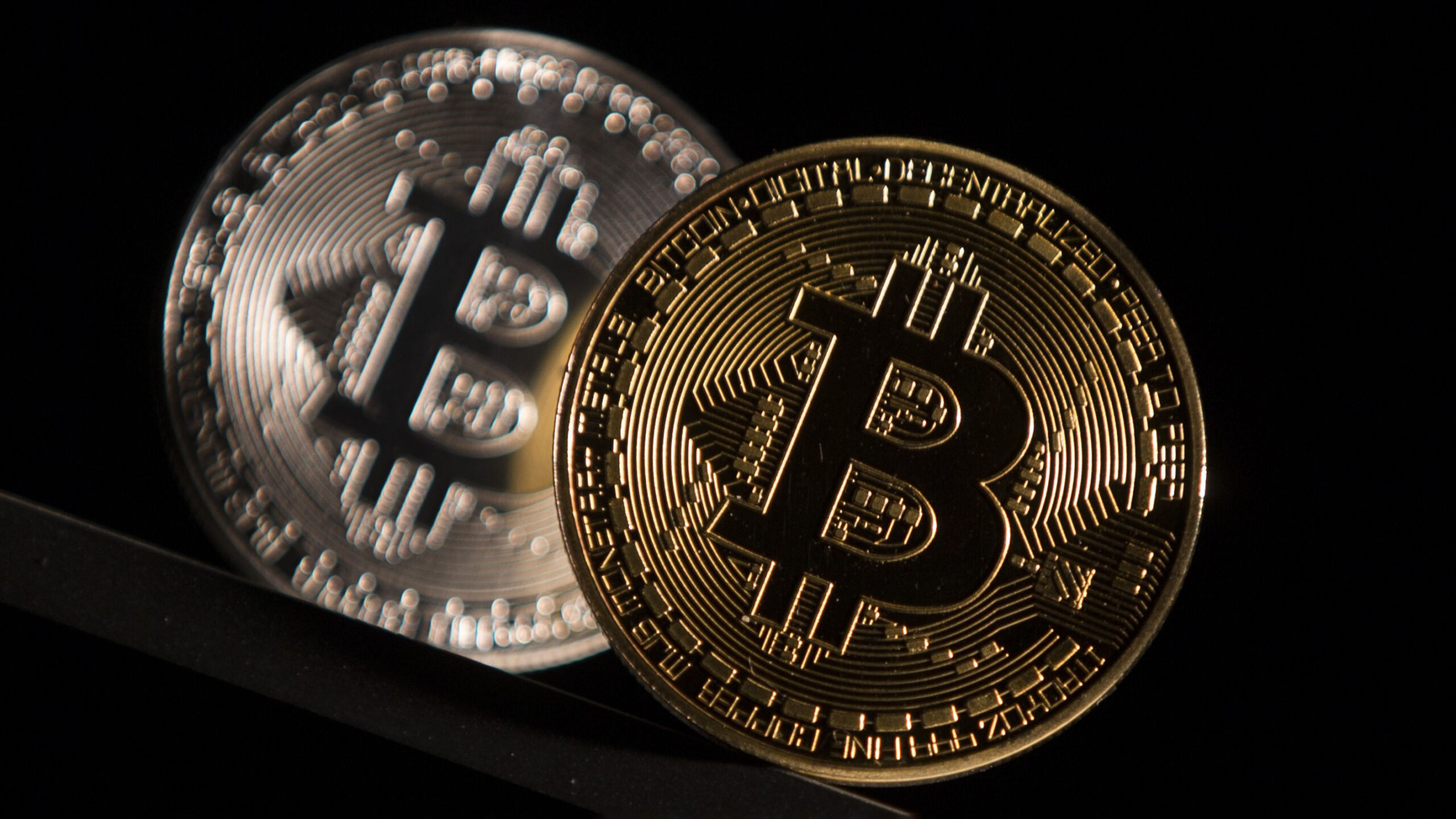
While cryptocurrency may offer Iran the opportunity to bypass sanctions and boost trade, it is by no means a panacea for such outcomes and comes with a host of obstacles, such as price volatility, economic uncertainty, energy consumption, and evolving regulation.
Young Ukrainians’ evolving war-time attitudes toward Russia and the West
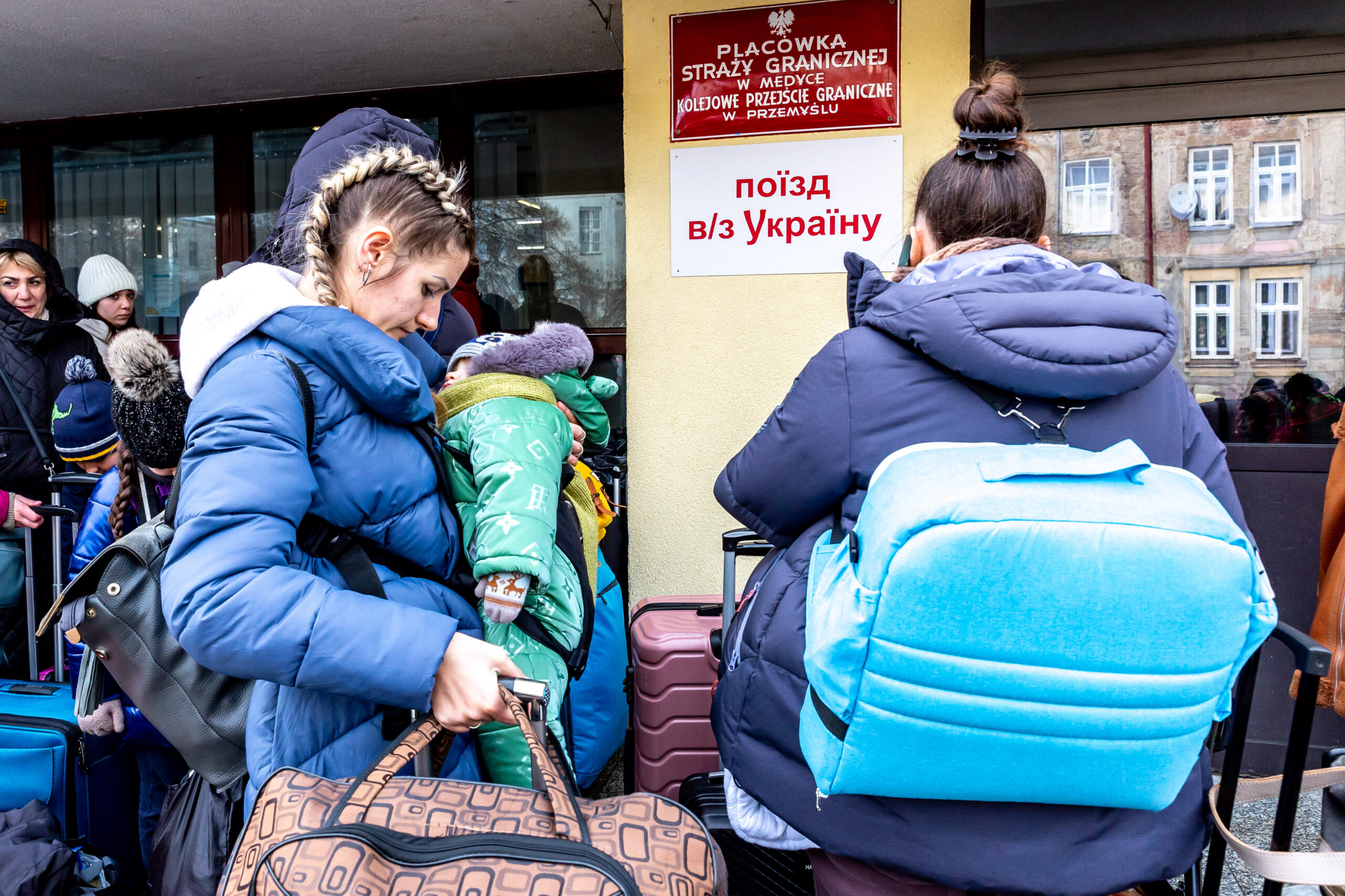
Listening to students and young professionals is instrumental in understanding the Ukrainian perspective. A series of interviews, conducted in summer 2022, centered around their identity as Ukrainians, how the war is impacting their lives, and how they viewed Russia and the West before and after Feb. 24, 2022. The participants in these interviews have only known an independent Ukraine, and their negative feelings toward Russia will not improve anytime soon.
Iran’s Balkan front: The roots and consequences of Iranian cyberattacks against Albania
A series of damaging Iranian hacks of Albania’s critical digital infrastructure over the summer pushed Tirana to break off bilateral diplomatic relations. Iran has regularly responded to sanctions or perceived provocations through cyberattack campaigns, as was visible in the case of Albania, guilty in the Iranian authorities’ eyes for the accommodations it has given to the anti-regime group MEK .
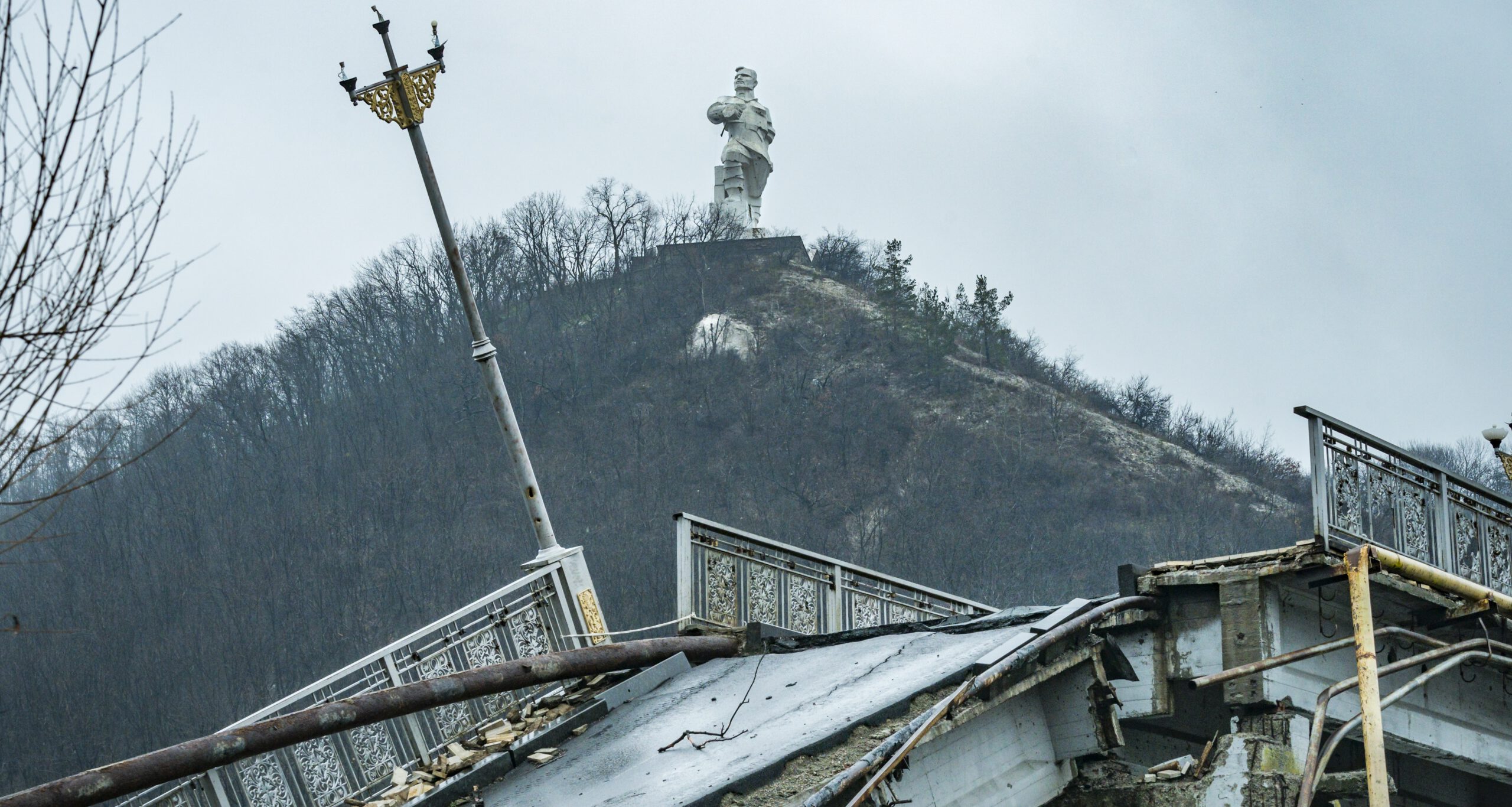
What role will China play in Ukraine’s post-war transformation?
Cost estimates for Ukraine’s post-war reconstruction already exceed many hundreds of billions of dollars. Given the Western world’s slowing economic prospects, Ukrainian elites admit that China looks increasingly likely to have a role in helping finance and rebuild Ukrainian infrastructure. But Chinese involvement comes with economic and security risks.
Now entering their fourth month of defiance, the people of Iran continue to protest the regime of Ali Khamenei. Since protests began in September, the crackdown by security forces has become increasingly severe and the government has now begun executing protesters. According to figures from the Human Rights Activists News Agency, as of Dec. 15, nearly 500 protesters have been killed and almost 20,000 people have been arrested.
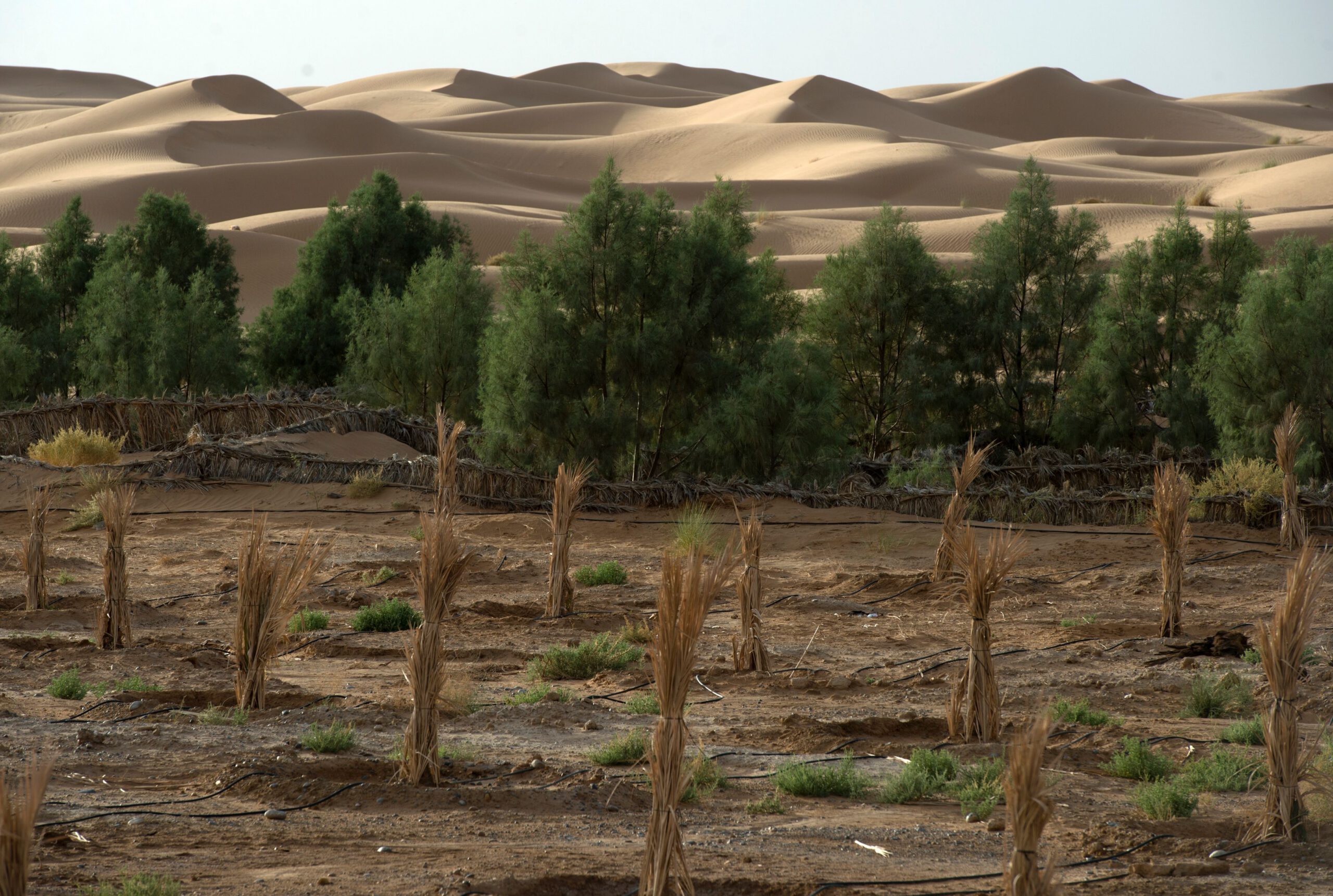
What the United Nations’ 6th Climate Assessment tells us about the Mediterranean’s climate future
The latest U.N. IPCC report details the alarming changes that Mediterranean countries will experience in the coming decades due to climate change, highlighting three critical areas — warming and droughts, declining ecosystems, as well as socioeconomic and public health risks.
10 Books to Expand Your Knowledge of the Middle East
Recommended readings selected by MEI’s book review editor from reviews published in this year’s issues of The Middle East Journal. Subscribe to MEJ to read full reviews of these and other new publications exploring the history, culture, and contemporary issues shaping the modern Middle East and North Africa region.