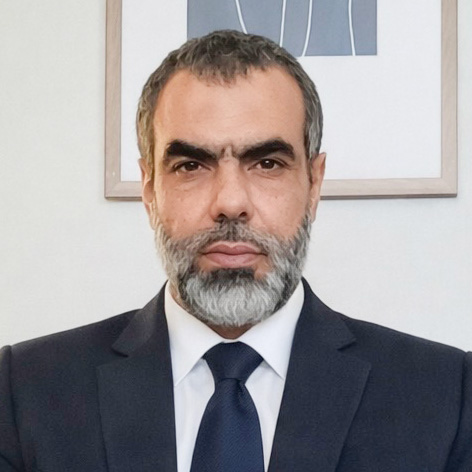
This individual is a guest contributor. MEI is not able to assist with contact requests.
Attiya Ahmad is Georgetown University’s 2009-10 Center for International and Regional Studies Post-Doctoral Fellow. She recently completed her PhD in Cultural Anthropology at Duke University. Dr. Ahmad’s work brings together scholarship on Islamic studies, globalization, diaspora and migration studies, economic anthropology, and political economy.
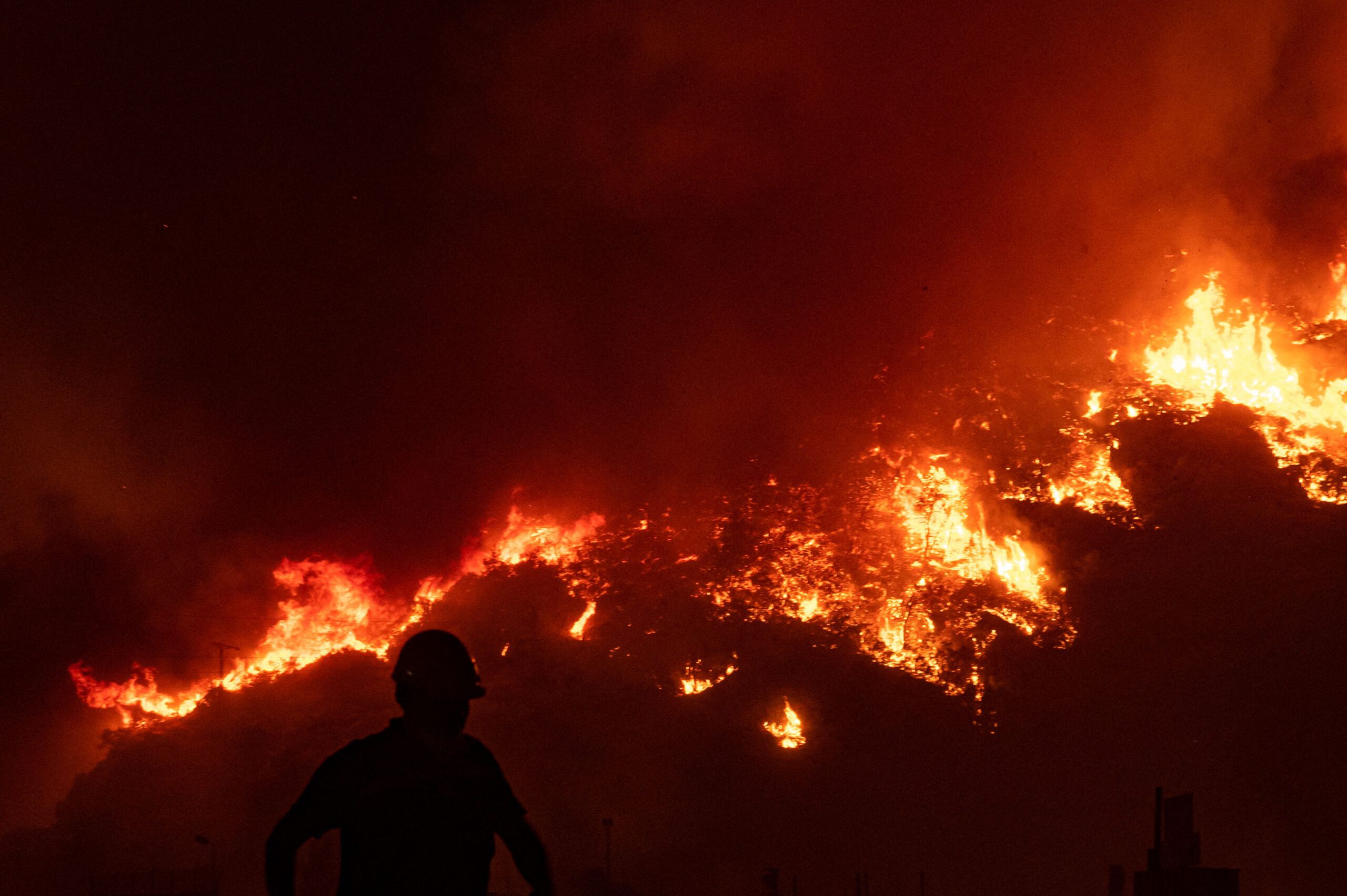
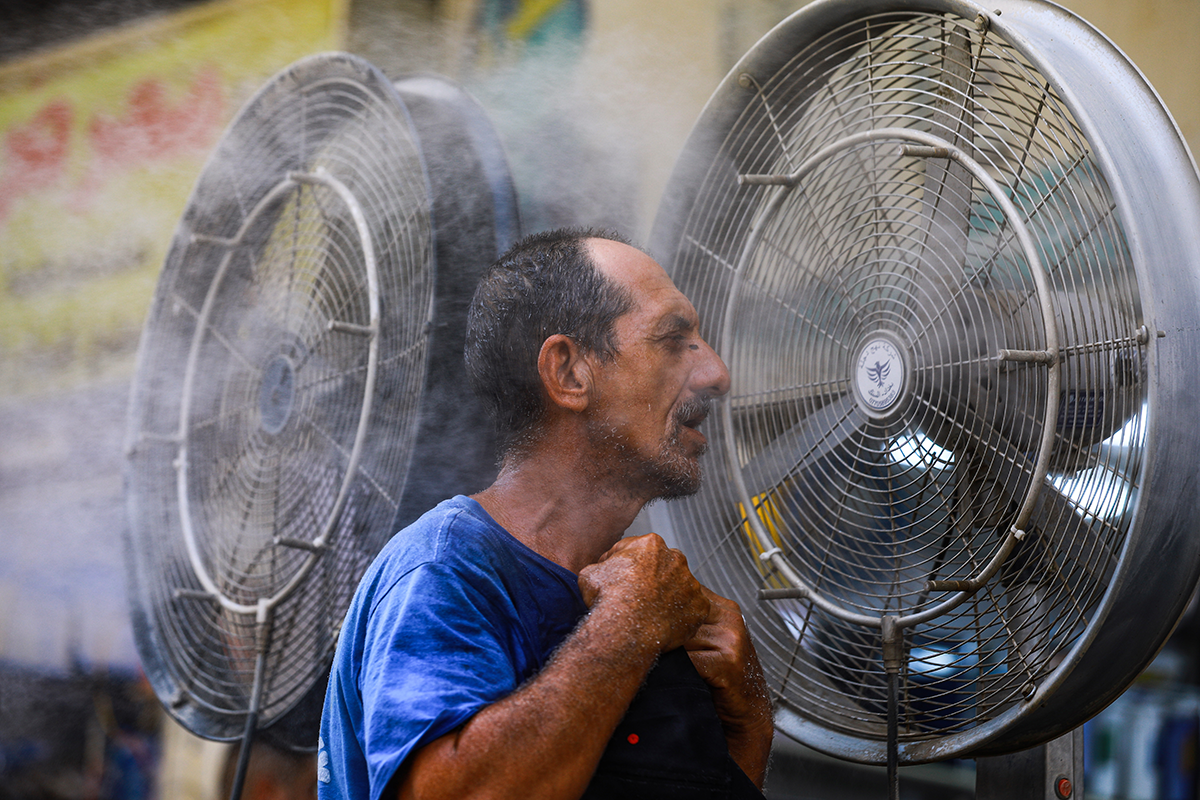
Expert Views: The implications of this summer’s scorching heatwaves
What began as a summer heatwave of significantly above-normal temperatures in Europe expanded to a series of successive heatwaves that has afflicted most of the northern hemisphere. Temperatures reached and remained at substantially elevated levels in the months of June and July, breaking historical records in many countries across Europe, Asia, North America, and the Middle East.
On the anniversary of the US withdrawal from Afghanistan
On Aug. 30, 2021, the commander of the 82nd Airborne Division, Maj. Gen. Chris Donahue, boarded the last U.S. military flight out of Hamid Karzai International Airport in Kabul. For many, the image of the final American soldier stepping onto a C-17 military transport plane marked the end of the war. But even as we remember the chaotic end of America’s longest war, we should also recall the sublime acts of loyalty and resolve that took place simultaneously.
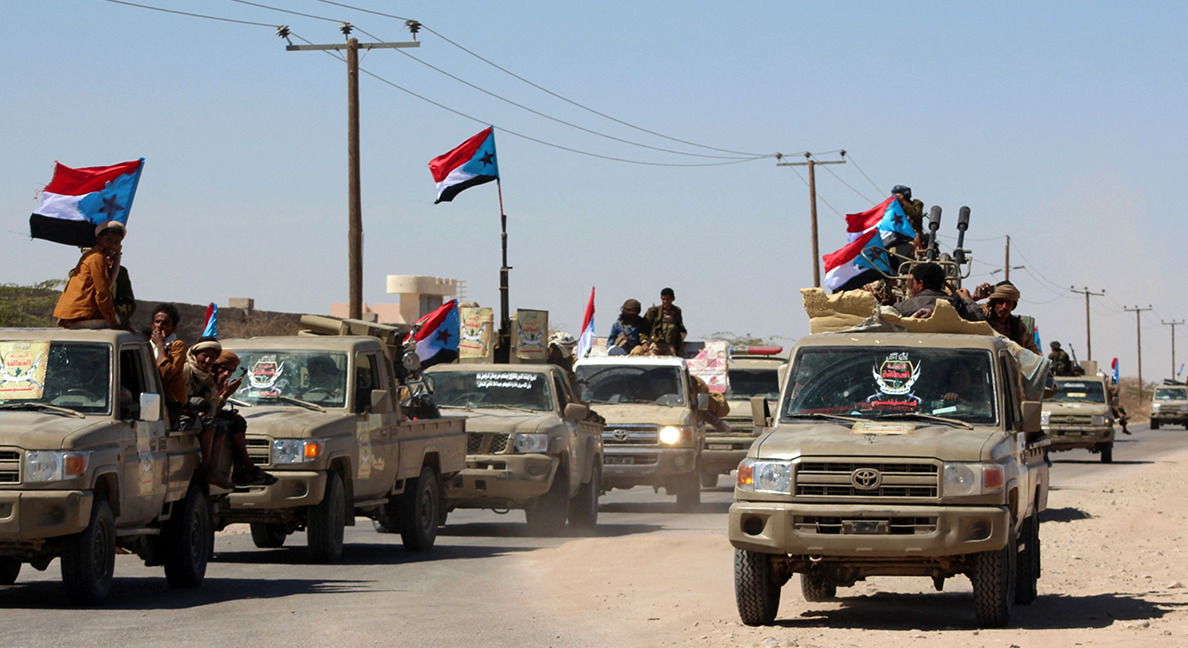
Emirati-backed forces eye Yemen’s energy heartland
The battle for control of the Yemeni heartland and its energy resources has reached a turning point. Yemen’s internationally recognized institutions are, once again, in crisis. In fact, the current infighting within the “government camp” threatens both the long-stalled implementation of the 2019 Riyadh Agreement and the political legitimacy of the newly-established Presidential Leadership Council.
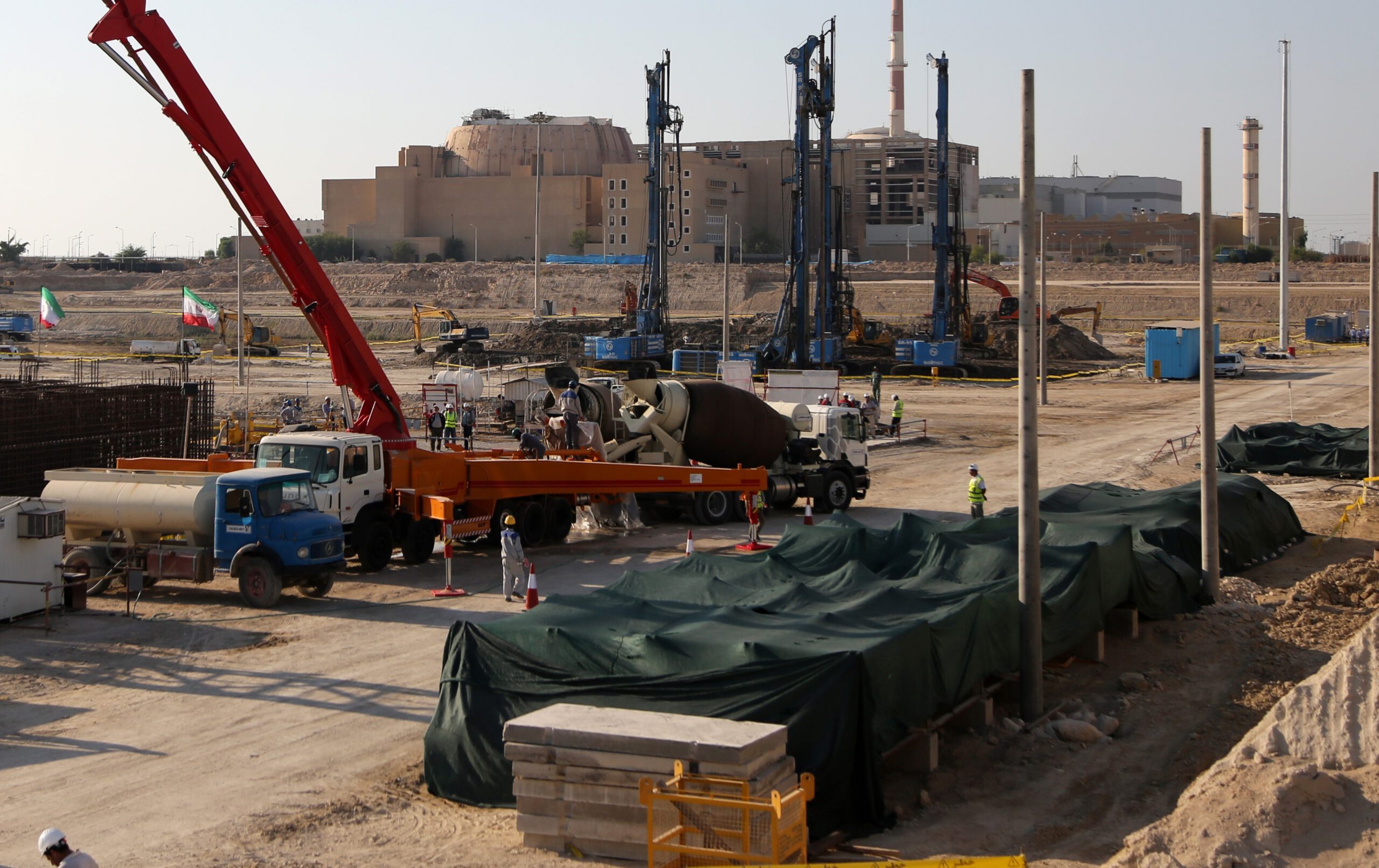
The renewal of the international agreement on Iran’s nuclear program does not undermine Israeli national security per se but rather a longstanding tenet of Israel’s strategic thinking: that it must be able to fully eradicate any challenge to its military superiority deep inside enemy territory.
Morocco’s green mobility revolution: The geo-economic factors driving its rise as an electric vehicle manufacturing hub
Rabat’s recent announcement that it would soon sign an agreement for the construction of a “gigafactory” to make electric vehicle (EV) batteries has placed Morocco in pole position to become a green mobility leader in the Middle East and North Africa.
Ten months on from last October’s elections, Iraq still does not have a new government and faces a deepening political crisis. To understand the current situation’s perils and what may be next for the future of the country, we are joined by Farhad Alaaldin, chairman of the Iraq Advisory Council, and Robert Ford, MEI Senior Fellow and former Ambassador to Syria and Algeria.
What Iran’s emerging demographic “tsunami” means for Tehran
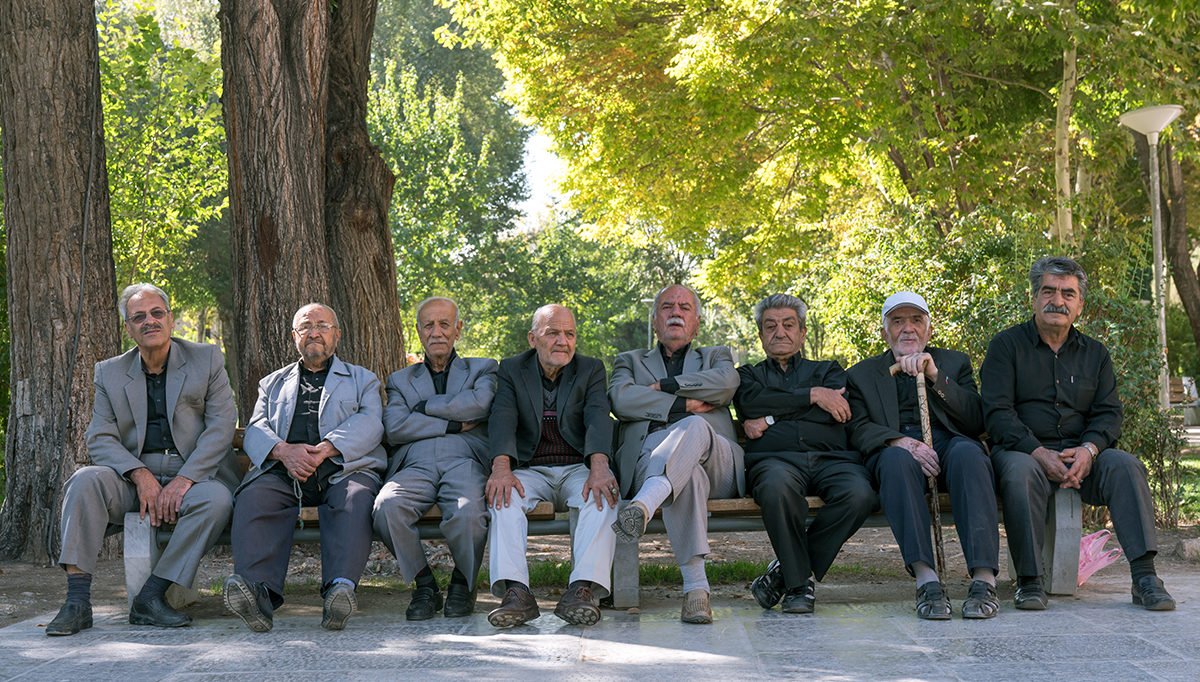
Officials in the Islamic Republic of Iran have been warning about an emerging demographic “tsunami” as local and international forecasts suggest the country could have one of the five largest elderly populations by 2050. Nearly 11% of Iranians are now over 60 years old, and this figure could significantly increase going forward.
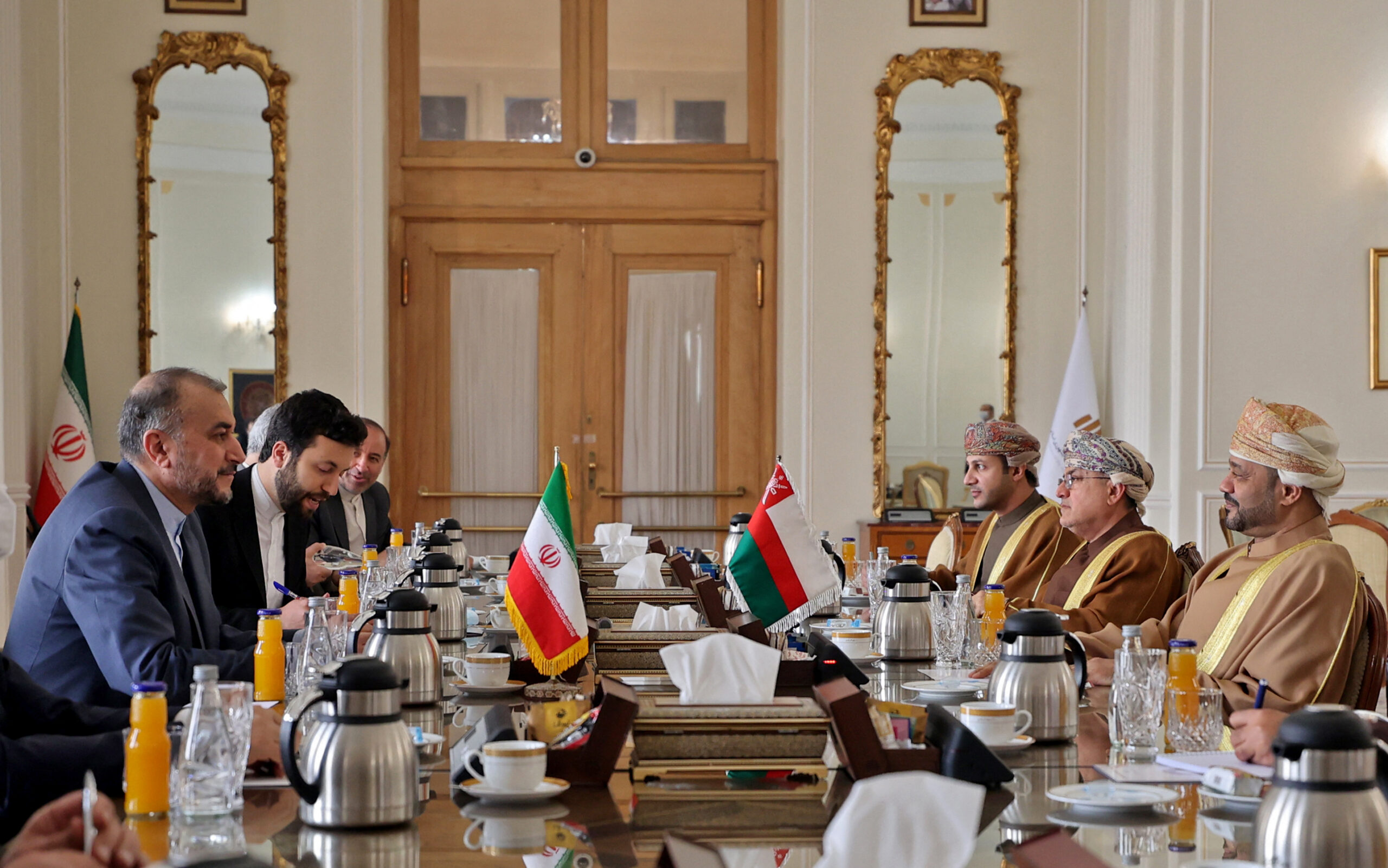
The diplomatic ice is breaking in the Gulf. What does that mean for the region?
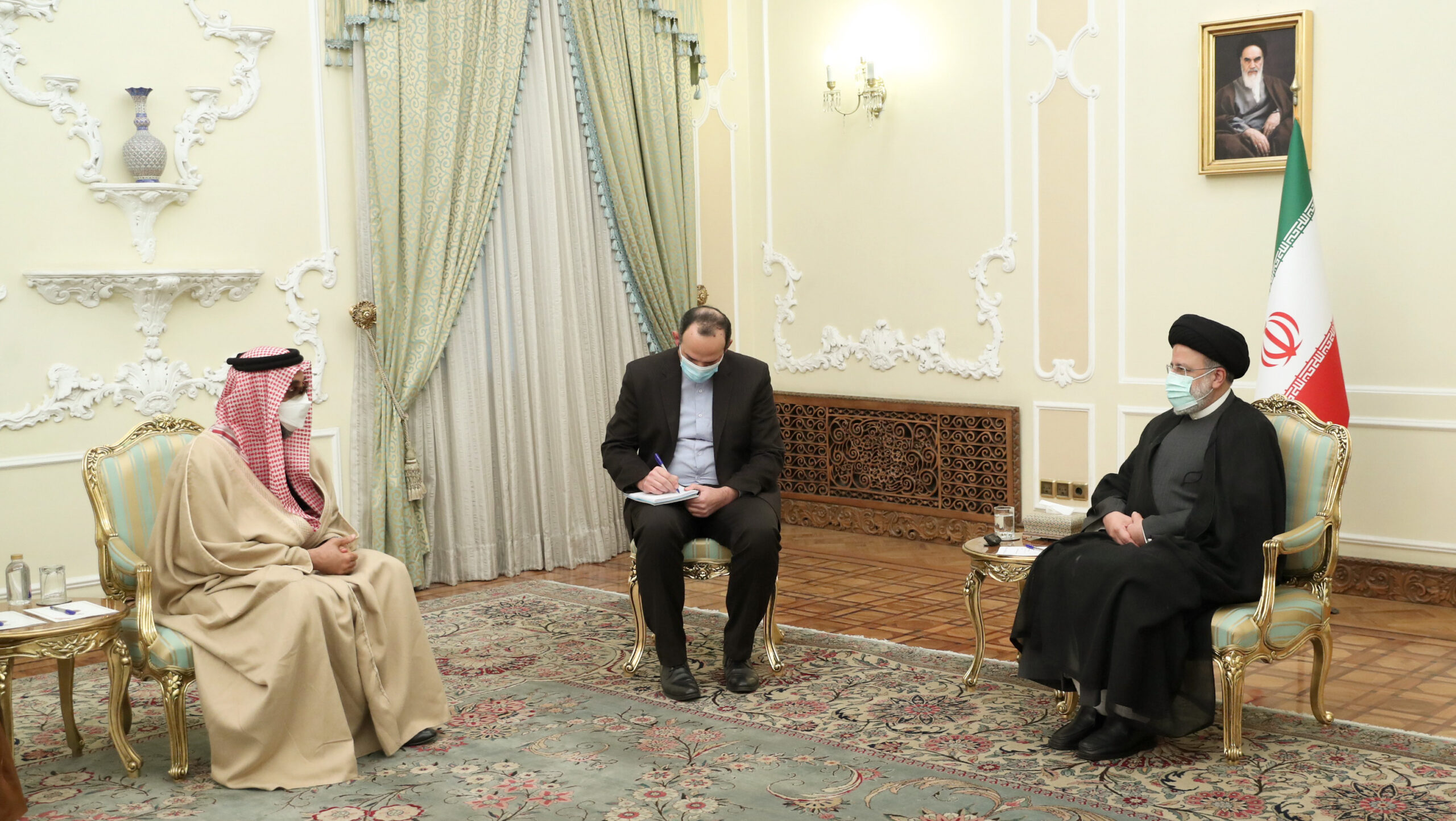
The announcements in mid-August that both the United Arab Emirates and Kuwait will be returning their ambassadors to Tehran after six years provided the latest indication that the diplomatic ice has started to break in the Gulf region.
Syrian foreign policy in the Caucasus and Ukraine: An unbalanced, Russia-centered approach
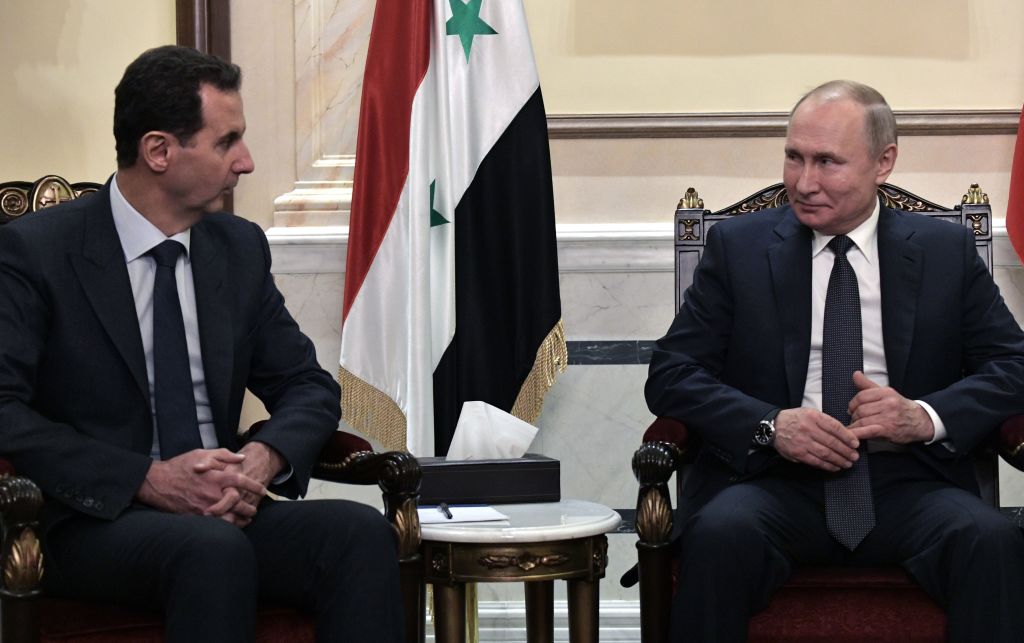
The embattled Syrian regime’s need to preserve Russian military and political support has compelled Damascus to adopt the Kremlin line in its foreign policy positions toward the former Soviet space.