Attiya Ahmad is Georgetown University’s 2009-10 Center for International and Regional Studies Post-Doctoral Fellow. She recently completed her PhD in Cultural Anthropology at Duke University. Dr. Ahmad’s work brings together scholarship on Islamic studies, globalization, diaspora and migration studies, economic anthropology, and political economy.
The Latest from Attiya Ahmad
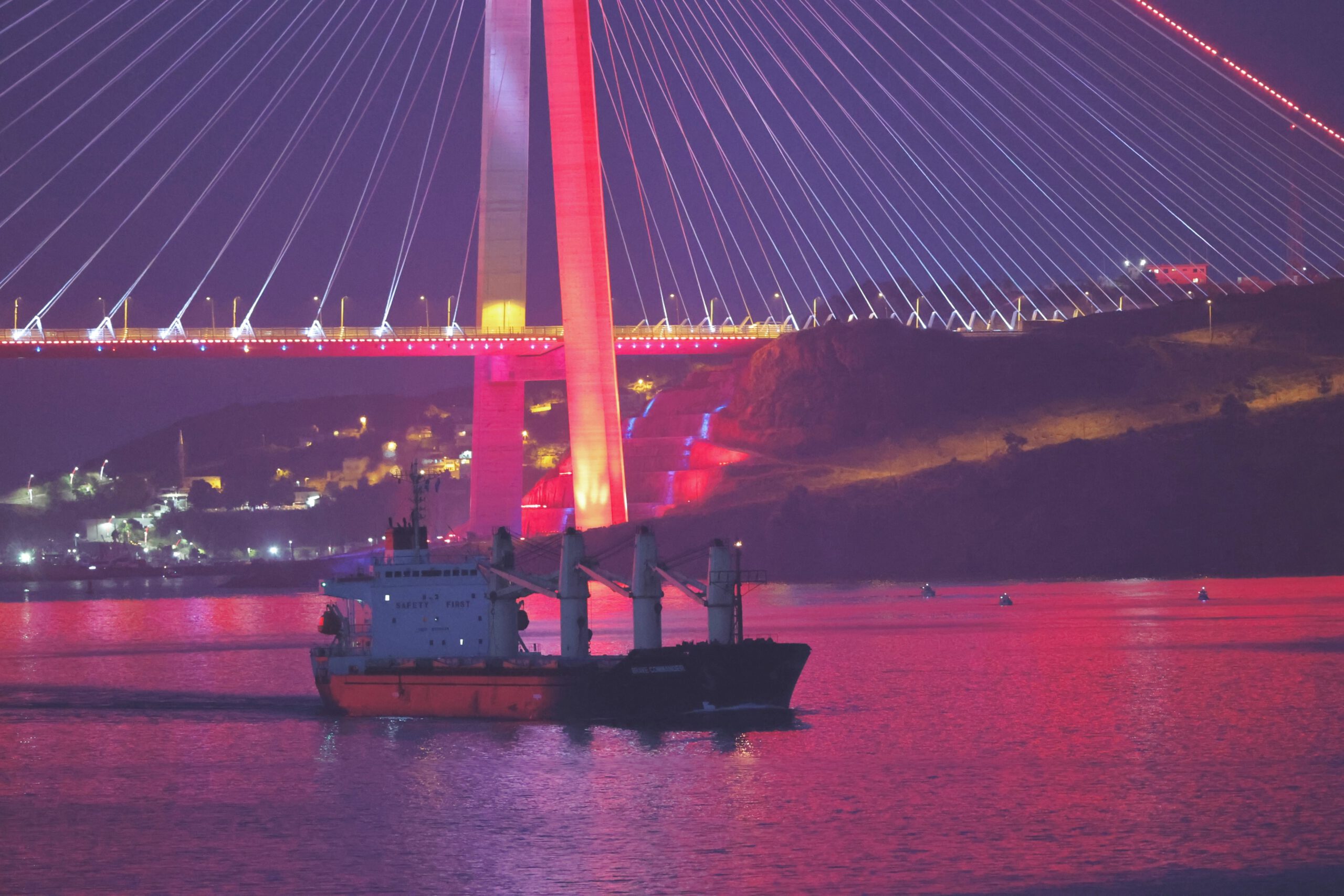
In Turkish-Russian relations, the Ukraine grain deal is not the point
The Ukraine grain export deal, which Turkey helped mediate over the summer, was saved last week to much fanfare; but the central unaddressed issue remains lifting Russia’s illegal blockade of Ukrainian ports, so Ukraine can freely trade with the world.
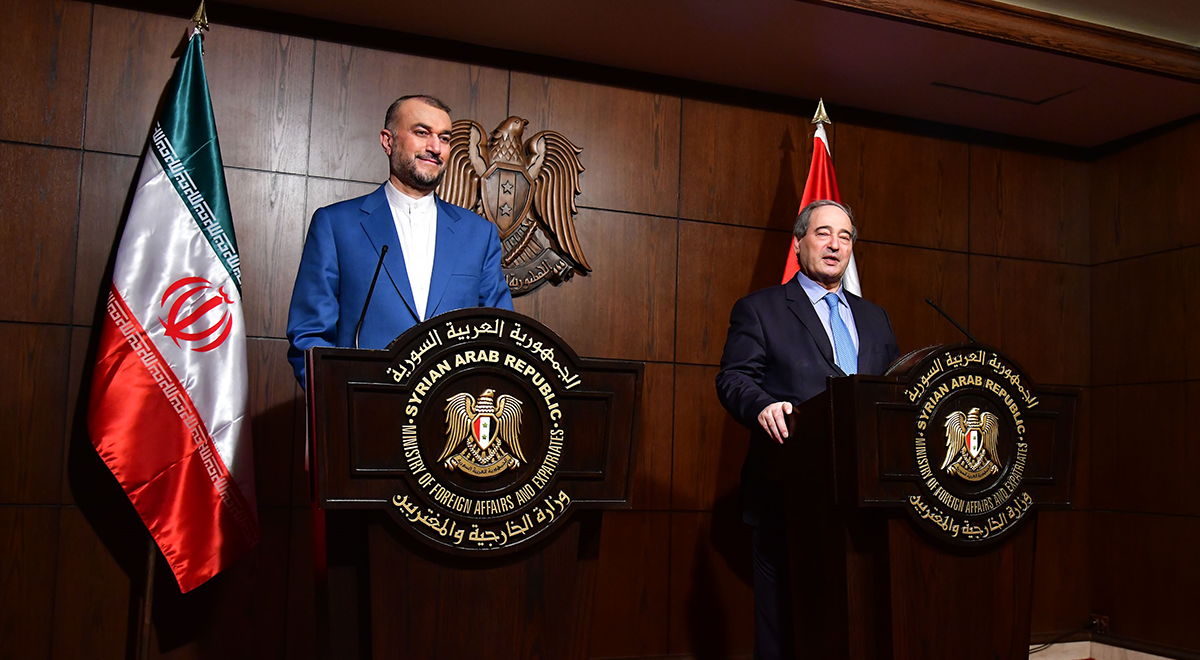
Syria’s Failings Should Guide Misdirected Iran Policy
If the West is committed to not repeat the mistakes of the past, it can forge a third way that honors the protestors and rejects the tyrants in Tehran.
By, With and Through Partner Special Forces in the Middle East
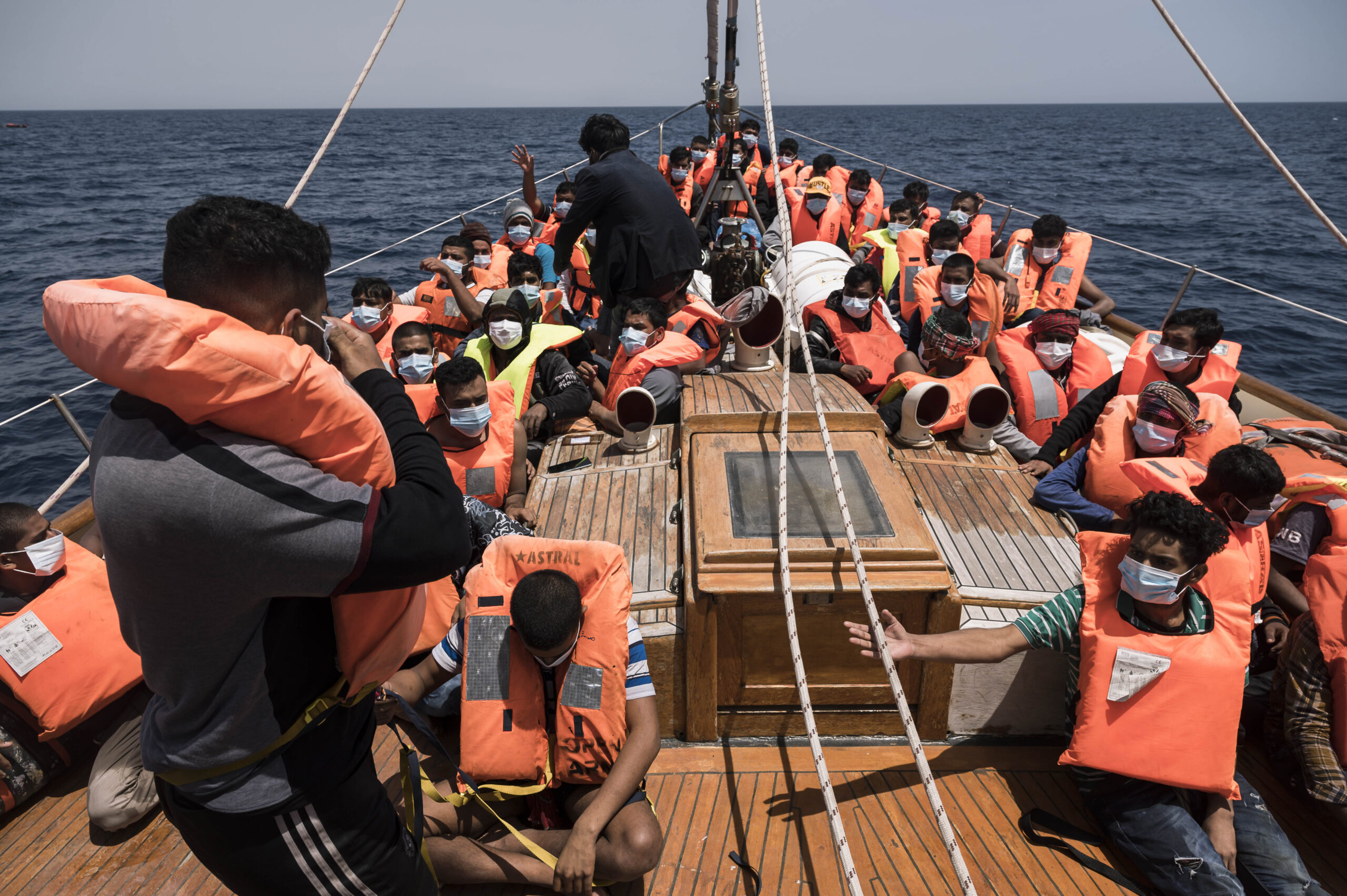
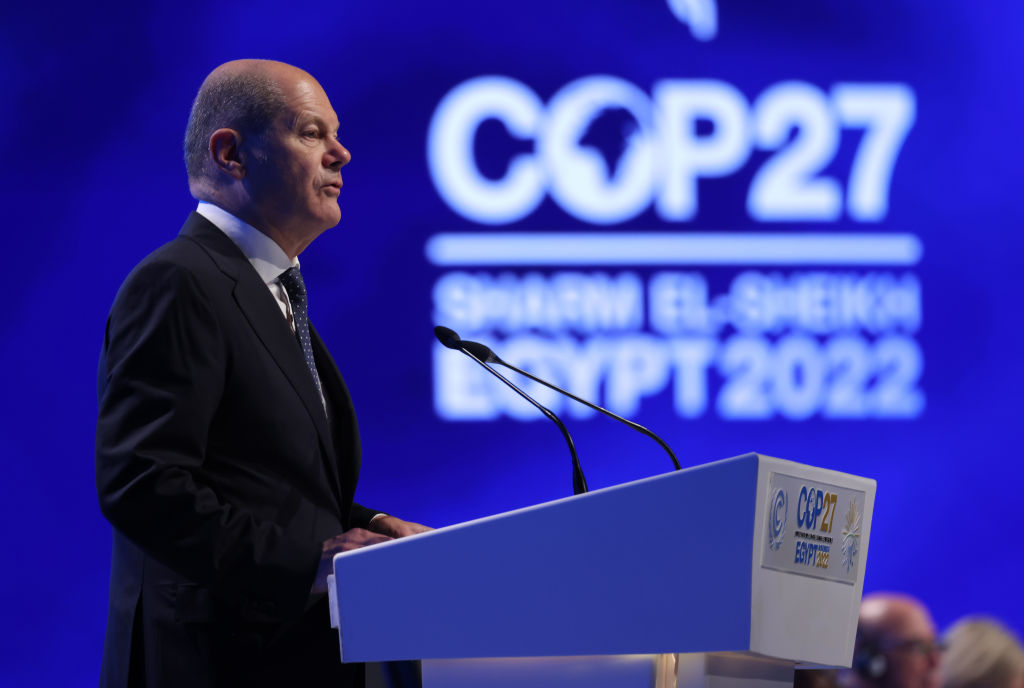
Monday Briefing: COP27 kicks off with good news, but there’s a long struggle ahead
Read MEI’s weekly briefing featuring expert analysis of key regional developments for the week ahead.

As liquidity problems worsen, Turkey turns to capital controls and informal FX flows
The Turkish economy’s foreign exchange liquidity problem is getting worse. The current account balance has been in the red this year with a monthly deficit of around $5 billion. The government has so far managed to avoid a repeat of the December 2021 currency shock by restricting capital mobility, further tightening regulations in October 2022.
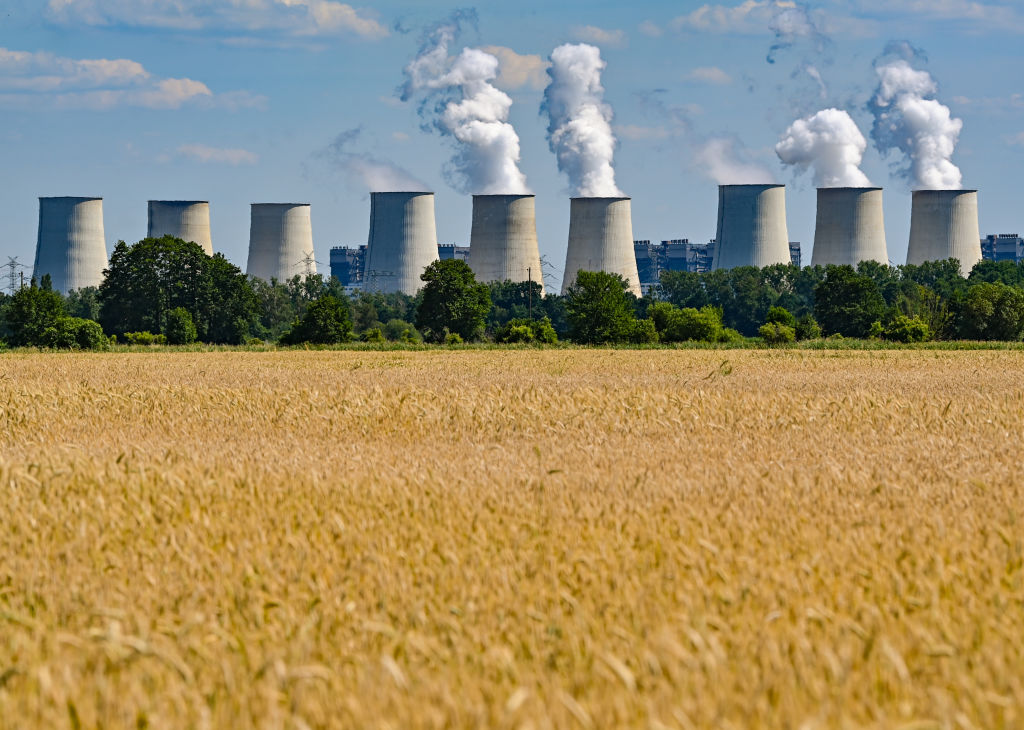
Briefing: Latest UN reports highlight urgency of emissions reductions just ahead of COP27
-
The latest Nationally Determined Contributions assessment report demonstrates that the parties to the Paris Agreement are boosting their plans to reduce carbon emissions.
-
However, current climate mitigation efforts are still insufficient to curb future global temperature increases to below 2°C — with a projected average temperature rise of 2.8°C by the end of century.

COP 27: Ask the Experts with Mohammed Mahmoud
With Egypt hosting COP 27 this week, all eyes are on climate change in the MENA region. For today’s episode, Senior Fellow and Director of the Climate and Water Program Mohammed Mahmoud asked several of MEI’s Climate and Water Program scholars what they consider to be the most pressing issues regarding climate change, water resources, and the environment. Today’s guests include Andrei Covatariu, Athraa Khamis, Malak Altaeb, Megan Ferrando, Orestes Morfin, and Youssef Wehbe.
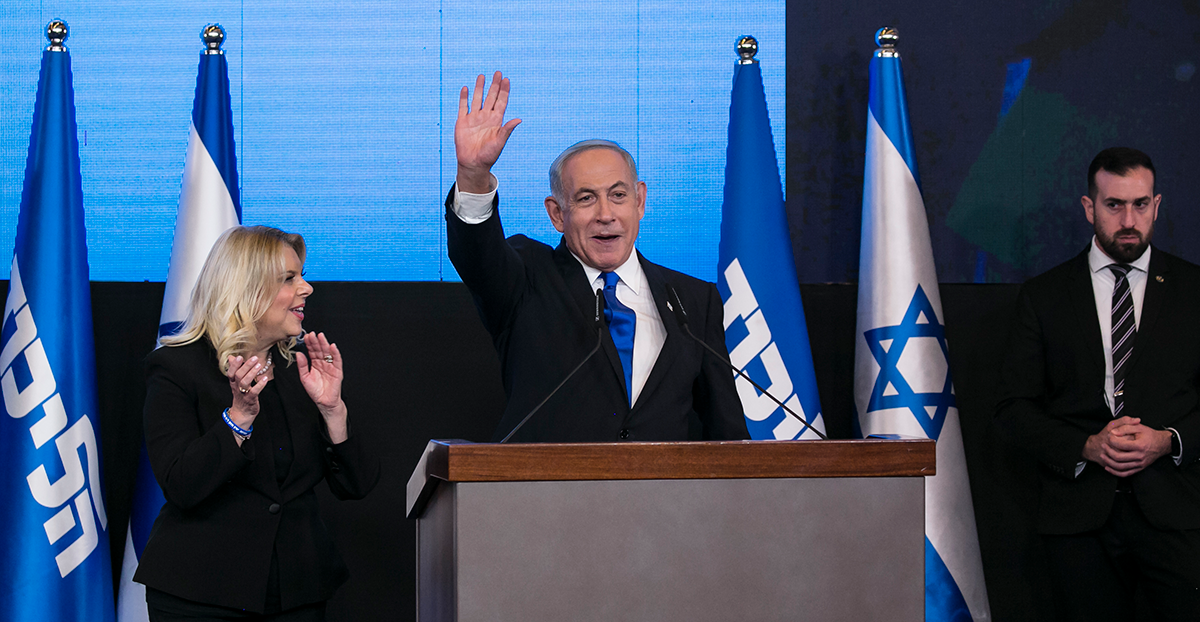
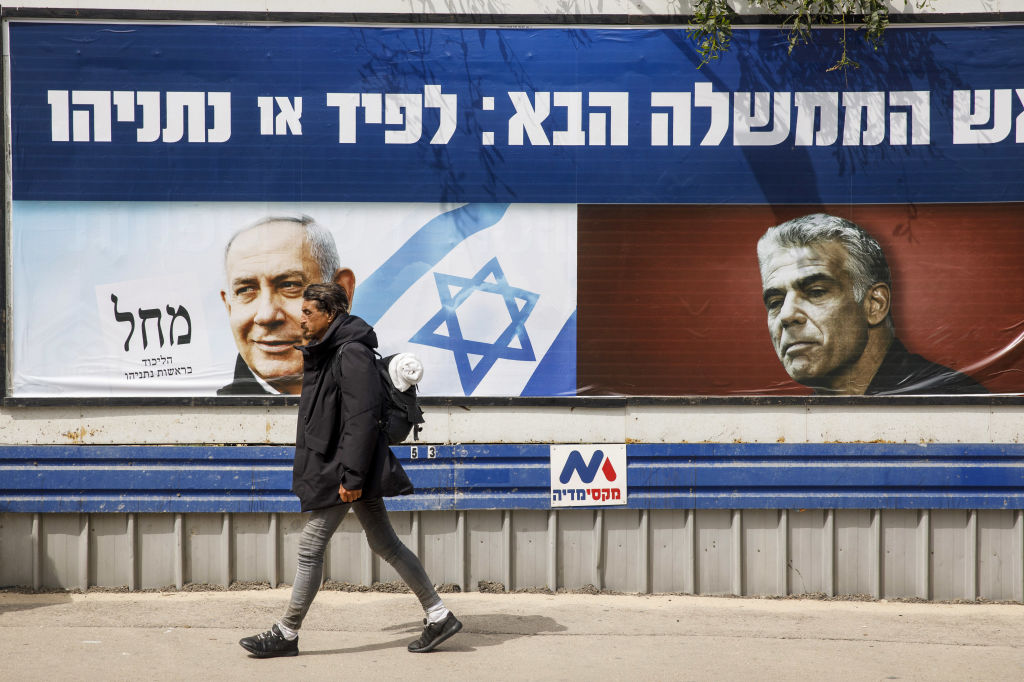
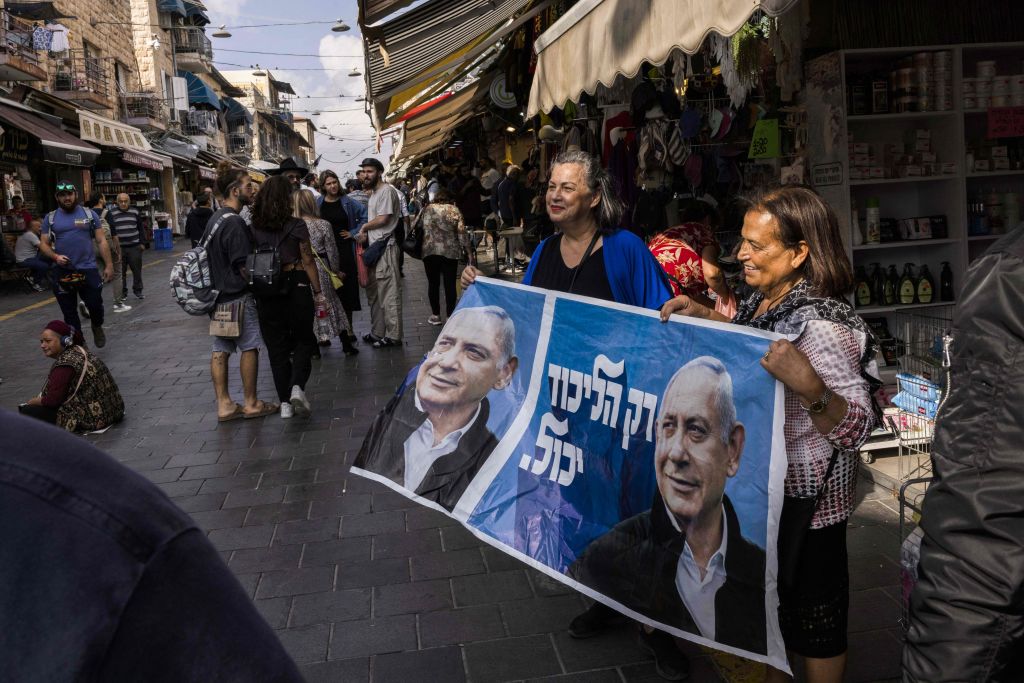
Israel’s election produces a clear winner — and a lurch further to the right
On Nov. 1, Israel’s democracy was shaken, perhaps as never before. It is not so much that former Prime Minister Benjamin Netanyahu has been returned to power, but that if he does become prime minister again, as seems overwhelmingly likely, it will undoubtedly be with crucial support provided by the “Religious Zionism” party, which includes “Jewish Power,” the vehicle of the veteran neo-Kahanist Itamar Ben-Gvir.

Tehran lashes out at Israelis’ support for Iranian protest movement
The Iranian regime is pointing the finger at Israel and the U.S. for allegedly orchestrating the nationwide protests. But while the U.S. and Israel both might have an interest in shaping and aiding the protest movement once it began, this large-scale mobilization of the Iranian public is a result of the regime’s own policies.
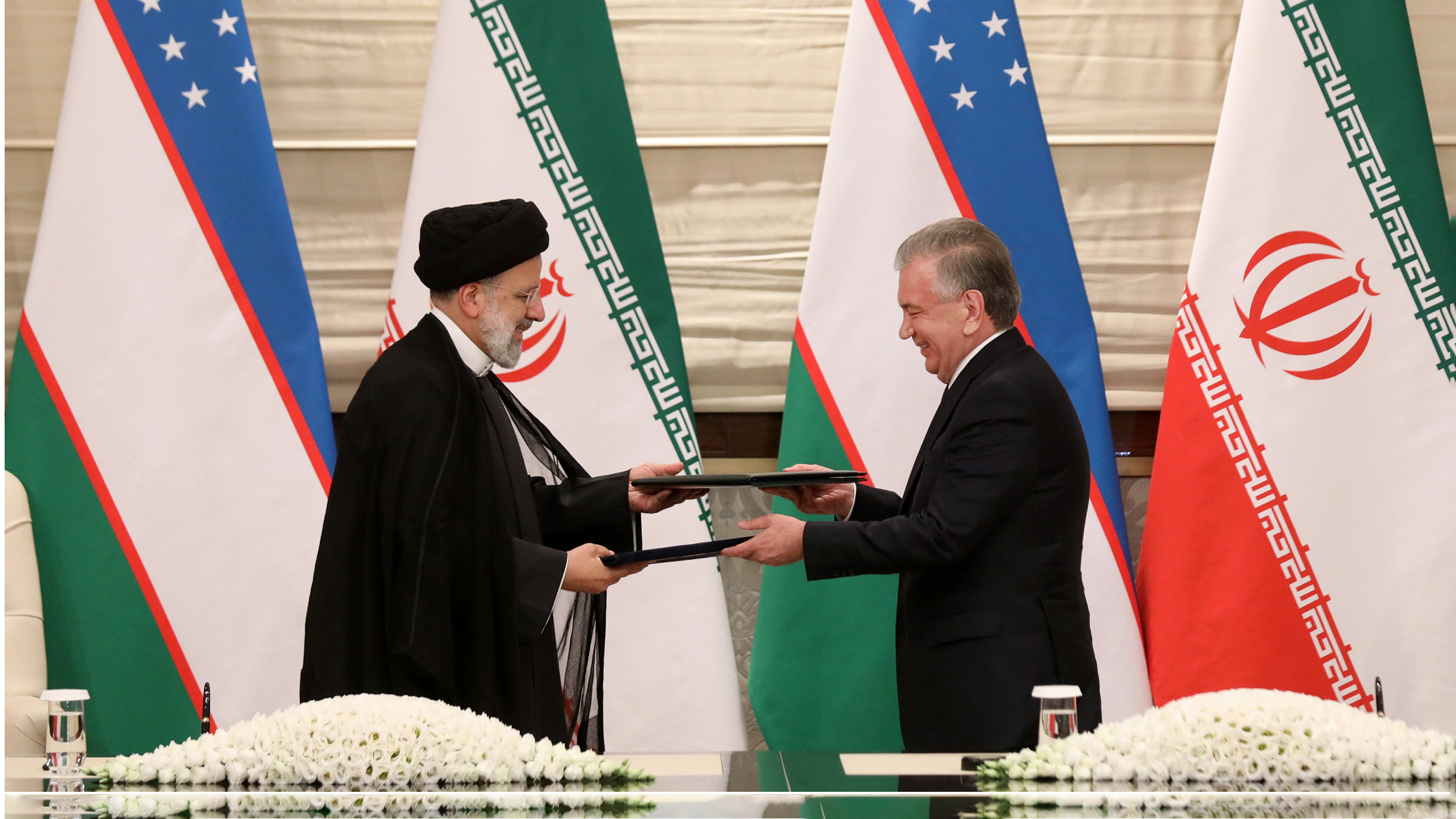
The SCO Summit in Samarkand: Reviving Iran and Uzbekistan relations on an oil and transit axis
The 22nd Shanghai Cooperation Organization (SCO) summit in the Uzbekistani city of Samarkand this past September turned out to be a boon for Iran’s regional policy. Not only was the Islamic Republic extended a roadmap to join the grouping, but the meeting also offered a convenient opportunity to revive and strengthen ties with Uzbekistan.
Russia’s War on Ukraine: Iran’s Growing Role and the Nuclear Threat
In today’s episode, Alistair Taylor sits down with experts from MEI’s Frontier Europe Initiative to assess the trajectory of Russia’s war on Ukraine. They discuss Russia’s growing attacks on critical infrastructure, its recent deployment of Iranian drones and their impact on the battlefield, the potential nuclear threat, and where things might be headed from here.
Monday Briefing: Israel’s election won’t resolve its political and democratic crisis
Read MEI’s weekly briefing featuring expert analysis of key regional developments for the week ahead.



