This individual is a guest contributor. MEI is not able to assist with contact requests.
Attiya Ahmad is Georgetown University’s 2009-10 Center for International and Regional Studies Post-Doctoral Fellow. She recently completed her PhD in Cultural Anthropology at Duke University. Dr. Ahmad’s work brings together scholarship on Islamic studies, globalization, diaspora and migration studies, economic anthropology, and political economy.
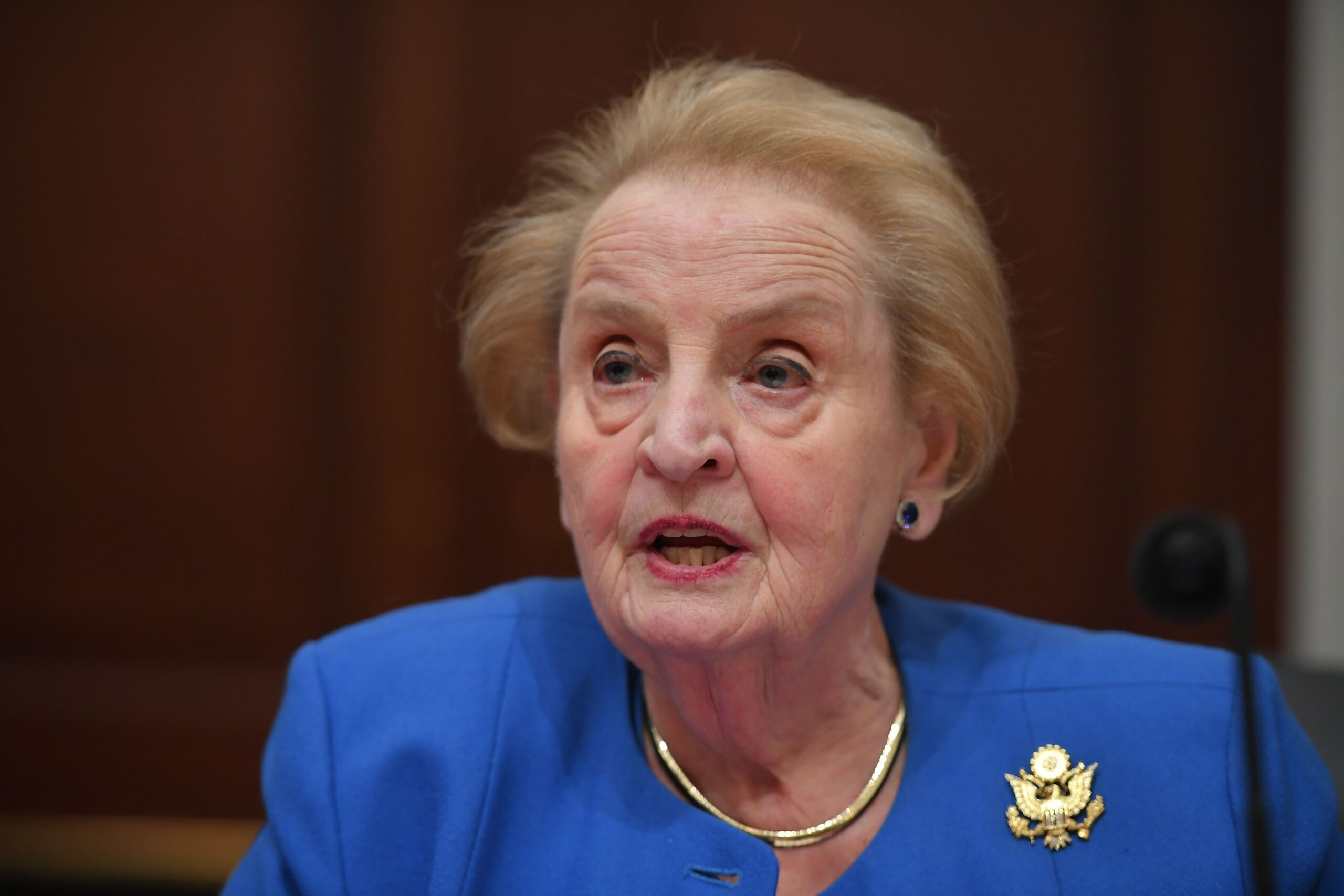
Madeleine Albright was an exceptional thinker, diplomat and leader who for generations has been an inspiration to diplomats, foreign policy experts, and great minds in this city, and across the world. Her passing, particularly at this time of particular peril, is a great loss.
The Russian invasion of Ukraine has been a watershed moment on so many levels for so many countries. Existing political, economic, energy, and transportation channels are being affected across western Eurasia. Countries are maneuvering to minimize the war’s detrimental impact while new trade synergies are being formed at a rapid pace. Most recently, Germany and Qatar signed a long-term energy partnership for the delivery of Qatari natural gas as the Germans look to reduce dependence on Russian supplies. Qatar’s reserves are located in the world’s largest gas field, which it shares with its northern neighbor, Iran.
The Ukraine war has upended Turkey’s plans to stabilize the economy
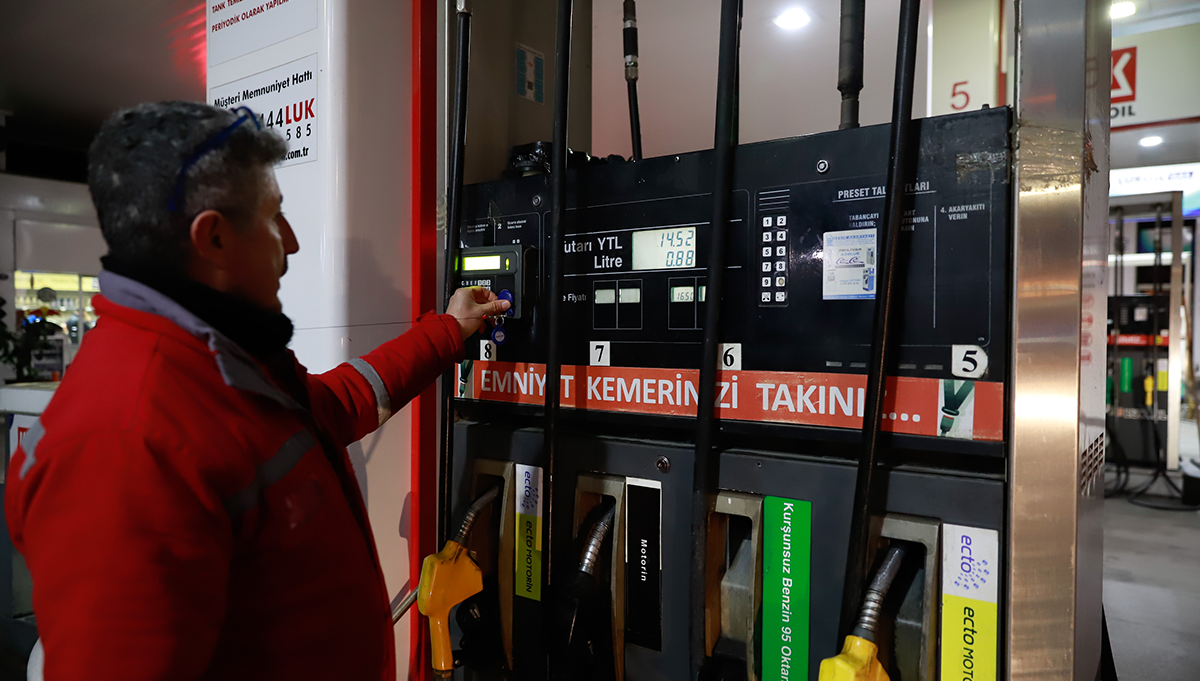
The war in Ukraine couldn’t have come at a worse time for the Turkish economy. Amid the country’s ongoing economic crisis, the government has been implementing extraordinary and unconventional monetary and fiscal policies.
Li-Chen Sim on the China-Russia relationship and its impact on the Middle East
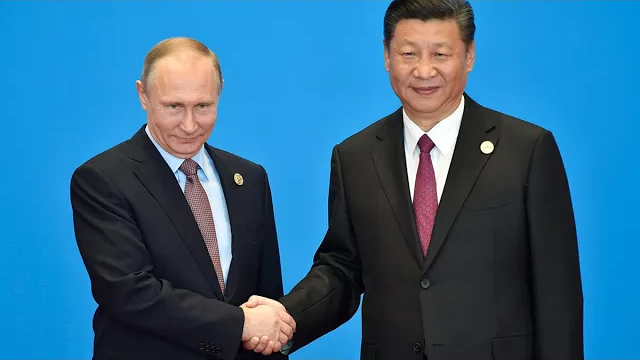
Li-Chen Sim, a non-resident scholar with MEI’s Economics and Energy program, discusses the findings of her recent publication, “Great power projection in the Middle East: The China-Russia relationship as a force multiplier,” co-authored with Jonathan Fulton.
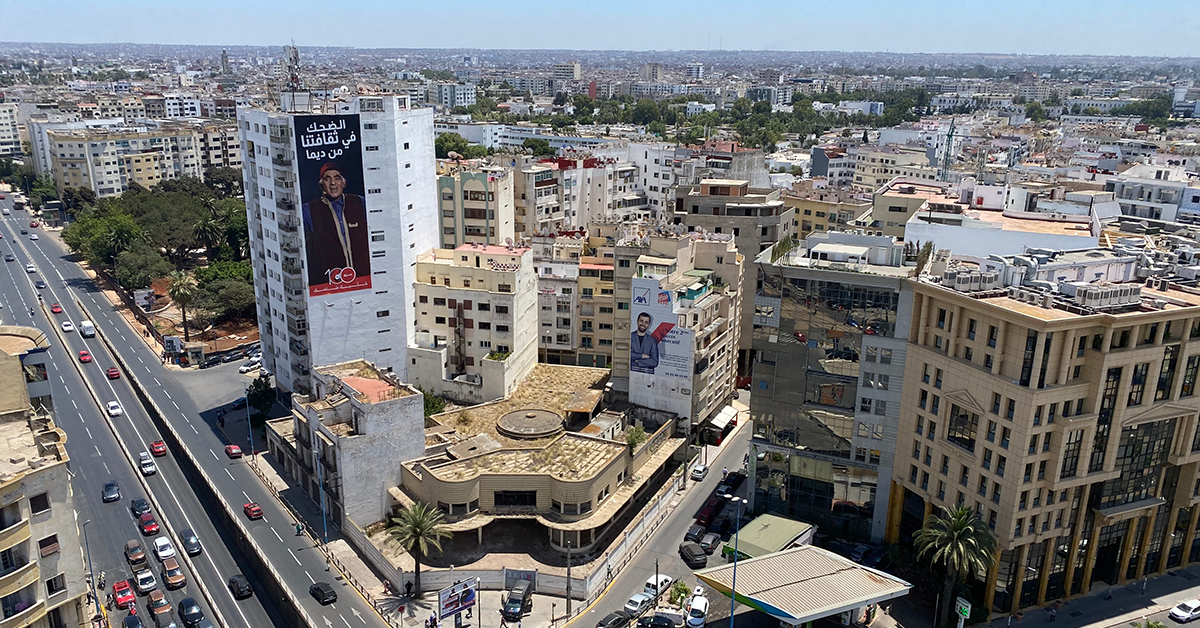
The Moroccan economy through the Doing Business Index
Over the past decade, Morocco made great progress in climbing up the global Doing Business Index (DBI), jumping from the rank of 130 in 2009 to 53 in 2020. Yet, Morocco’s improved DBI ranking did not correlate with significant economic improvement.
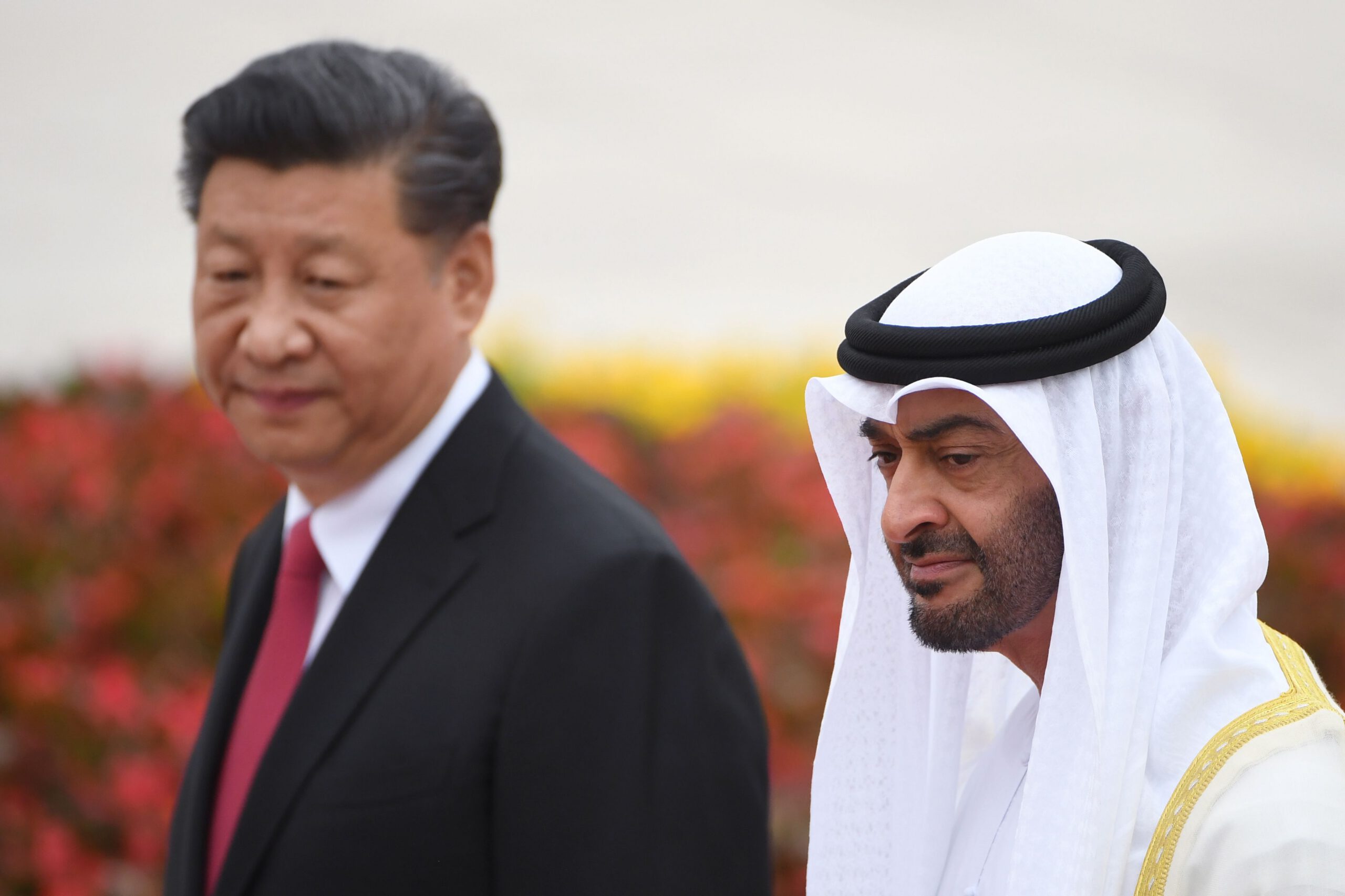
When the leaders of Saudi Arabia and the United Arab Emirates decline phone calls from the president of the United States, rebuff his requests to help lower oil prices, and shy away from condemning Russia’s invasion of Ukraine, and when the U.A.E. hosts Syrian dictator Bashar al-Assad in Abu Dhabi, there is no doubt that a major crisis in U.S.-Arab Gulf relations is under way.
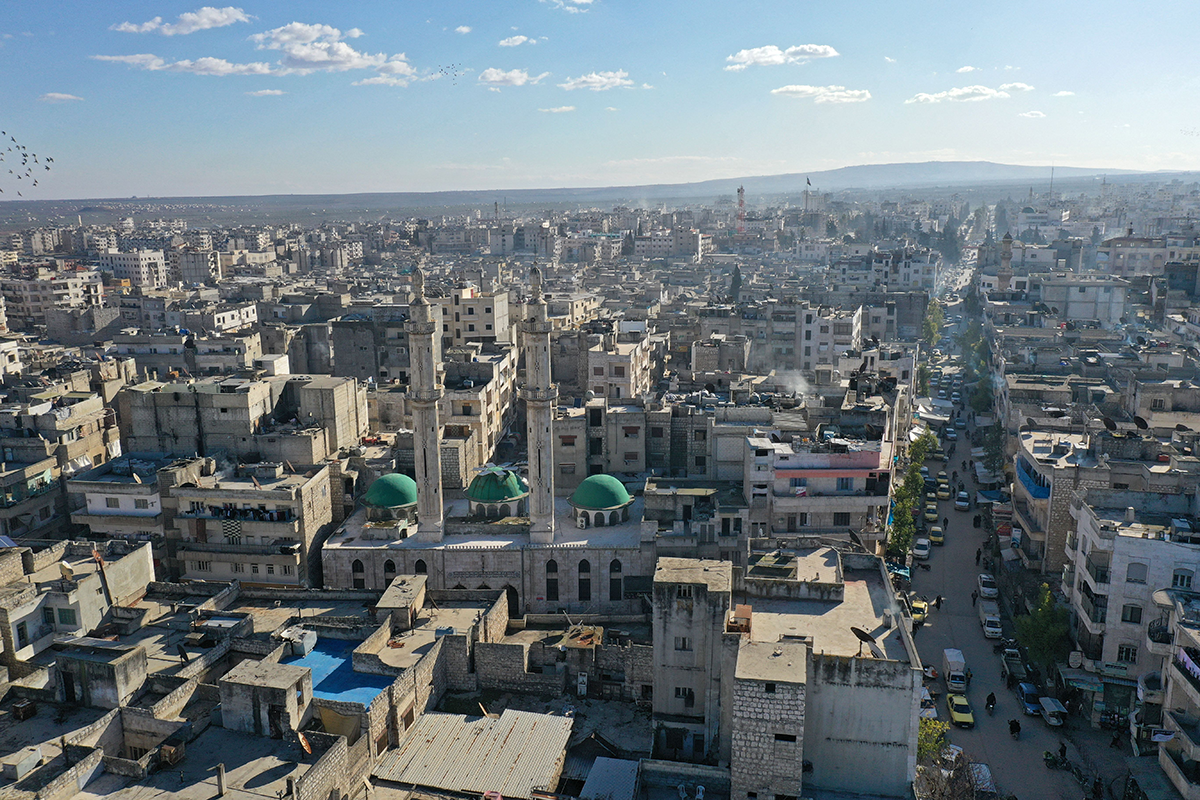
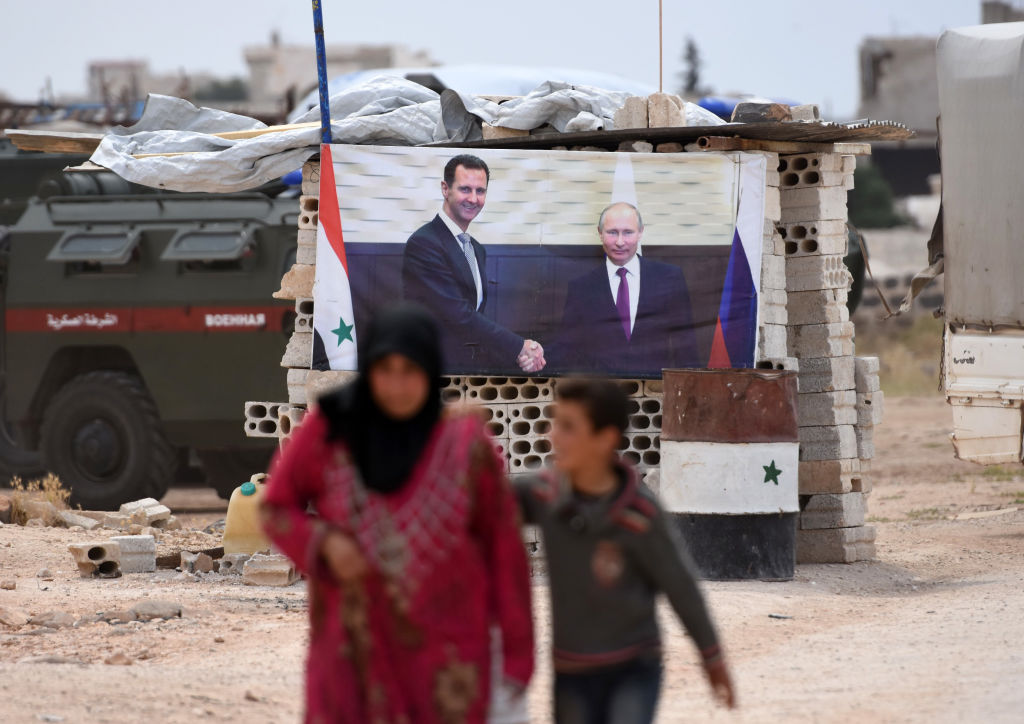
Russia’s invasion of Ukraine should fundamentally alter how we think about Syria and its future. How can the United States protect its objectives in Syria without compromising with Russia? The answer lies in the north.
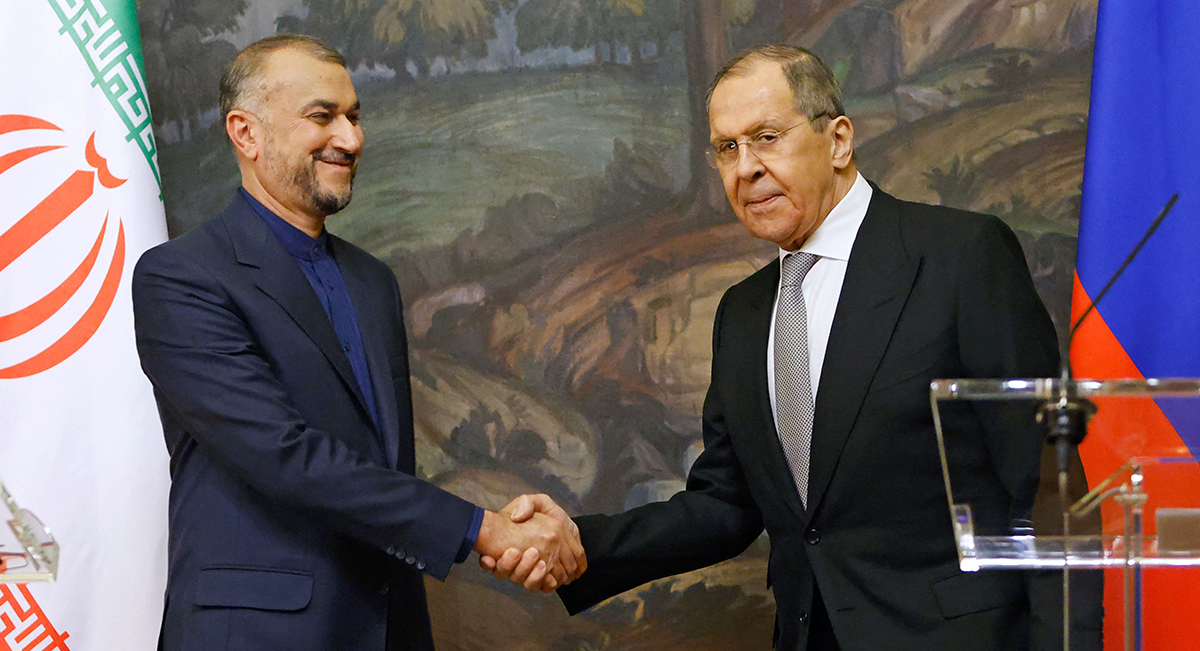
Russia's invasion of Ukraine and the nature of Iranian-Russian relations
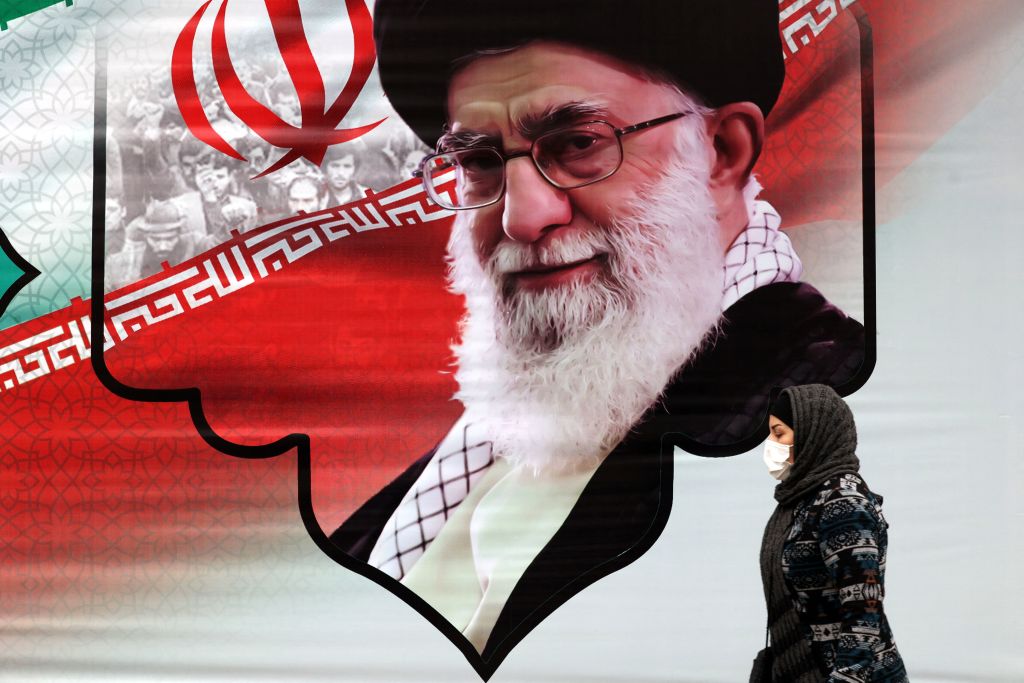
Russia’s Feb. 24 invasion of Ukraine, which triggered Europe’s first major conflict since the Balkan Wars of the 1990s, marks a watershed in the continent’s post-Cold War history. The conflict poses significant security challenges for countries throughout Eurasia and beyond, and Iran is by no means immune to the geopolitical changes underway.
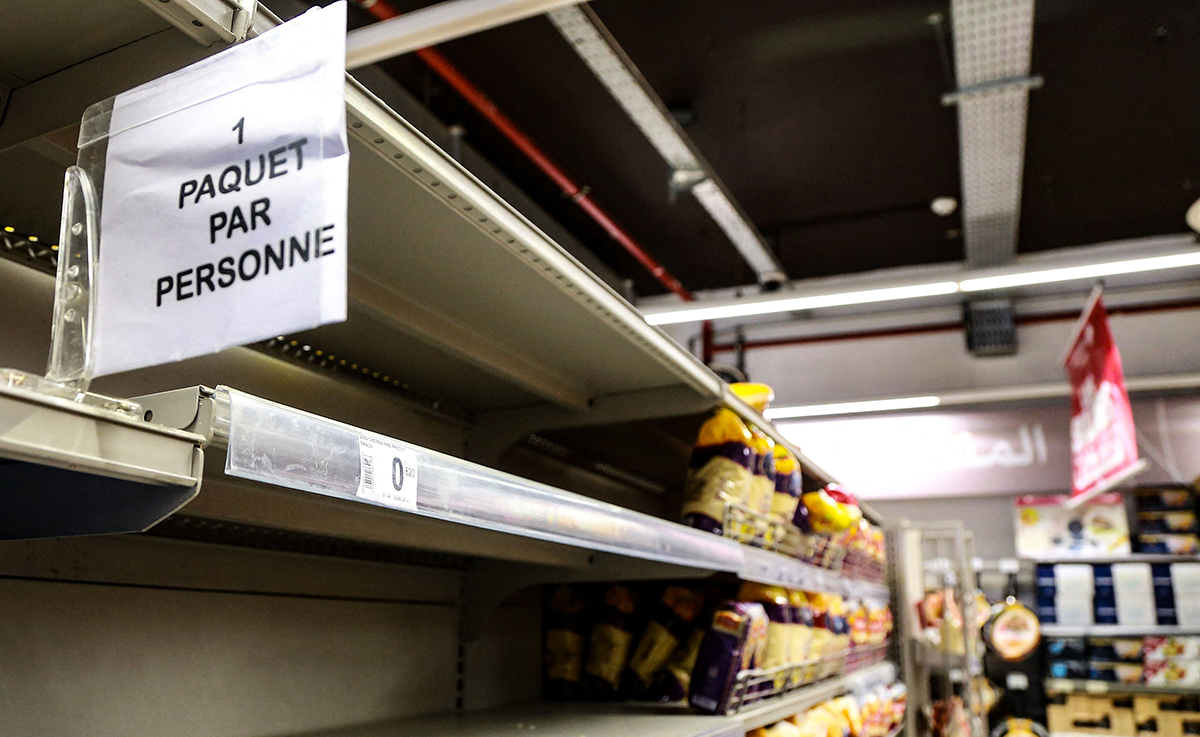
War in Ukraine and drought at home: A perfect storm in the Maghreb
This year was already expected to pose challenges for Morocco, Algeria, and Tunisia. Inflationary pressures have been driving up the price of goods since the fourth quarter of 2021. Persistent unemployment, worsened by the COVID-19 pandemic, aggravated social discontent. Now, as winter turns to spring, socio-economic stability in the Maghreb is being imperiled by the conflict in Ukraine and insufficient rainfall at home.
Mirette Mabrouk, Joey Shea, and guest host Eliza Campbell discuss current political disputes over the Grand Ethiopian Renaissance Dam (GERD), cyber diplomacy, and the effects of climate change on the Horn of Africa.
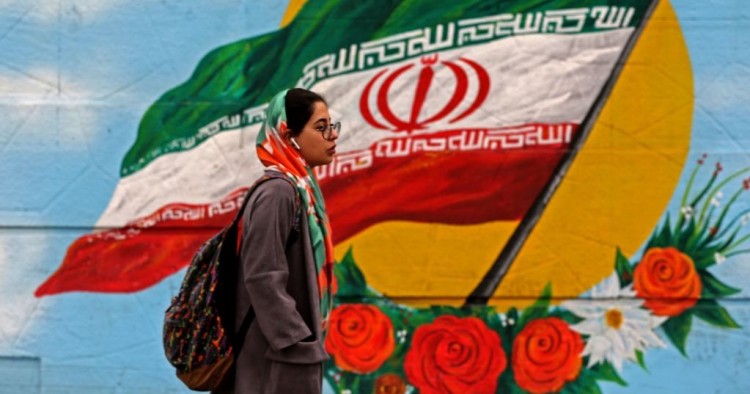
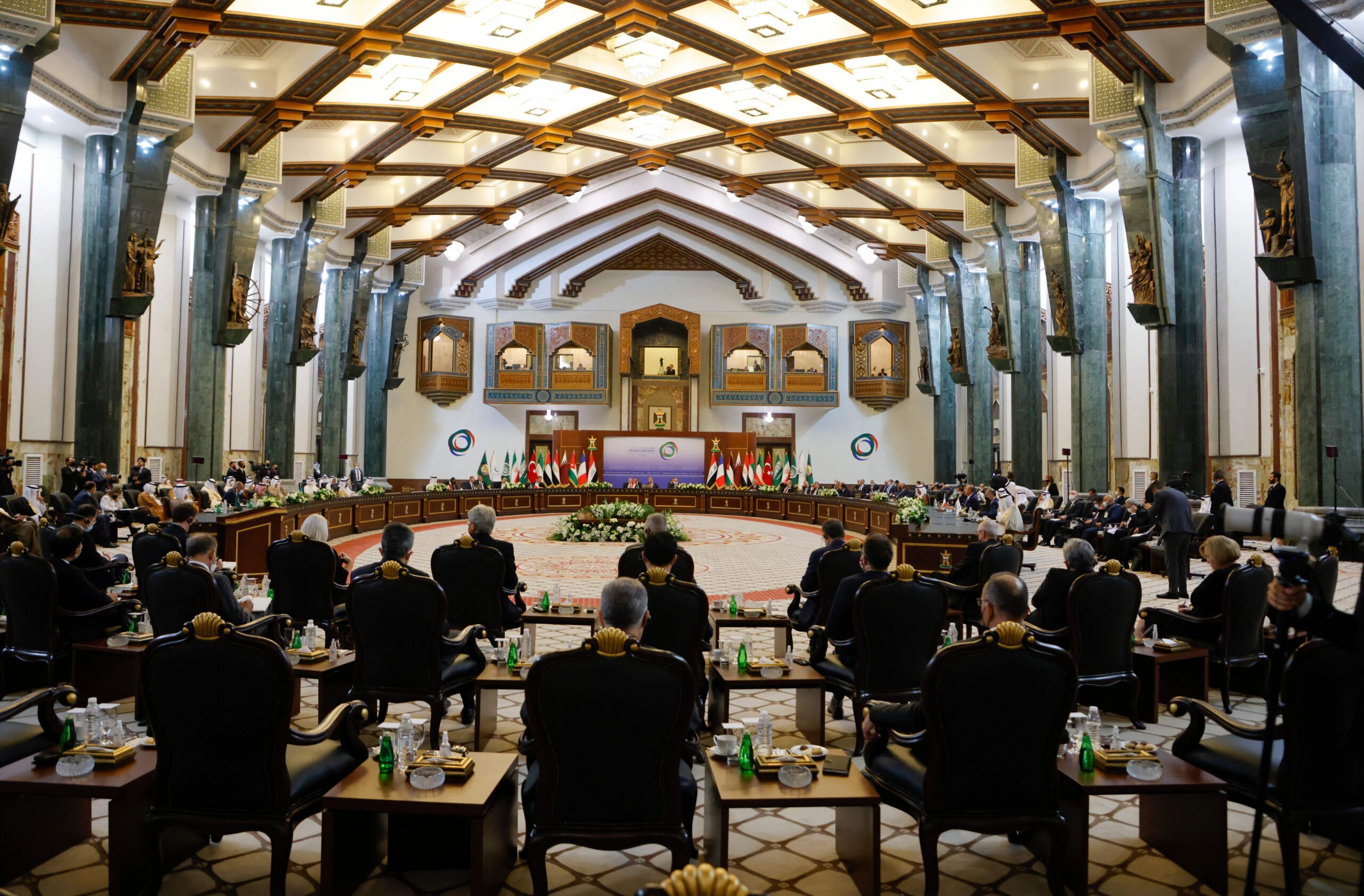
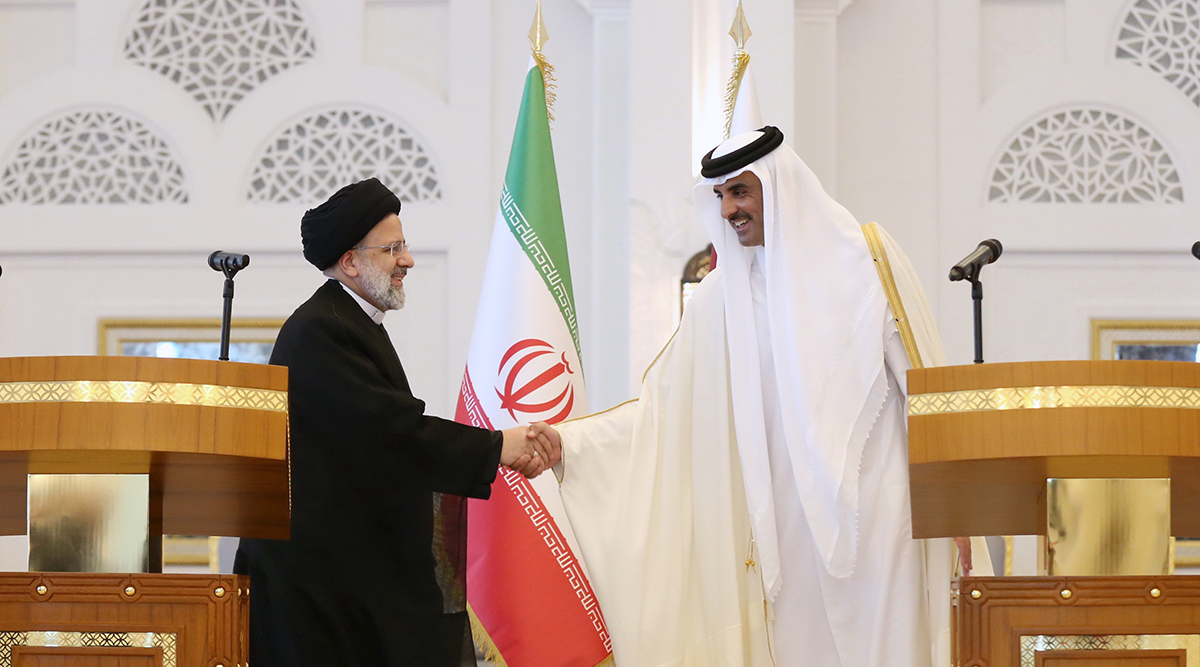
Iran’s regional agenda and the call for détente with the Gulf states
As both a candidate and as president, Ebrahim Raisi has repeated a basic mantra: that he will seek to quickly improve relations with Iran’s neighbors, and particularly the Arab Gulf states. But what are his motivations for this and what are the potential hurdles?
Russia’s invasion of Ukraine and the resulting collapse of U.S. and European diplomatic relations with Moscow mean Syria diplomacy is now all but dead. Small signs that diplomacy may have been poised for renewed investment in early 2022 now feel like a distant memory.