This individual is a guest contributor. MEI is not able to assist with contact requests.
Attiya Ahmad is Georgetown University’s 2009-10 Center for International and Regional Studies Post-Doctoral Fellow. She recently completed her PhD in Cultural Anthropology at Duke University. Dr. Ahmad’s work brings together scholarship on Islamic studies, globalization, diaspora and migration studies, economic anthropology, and political economy.
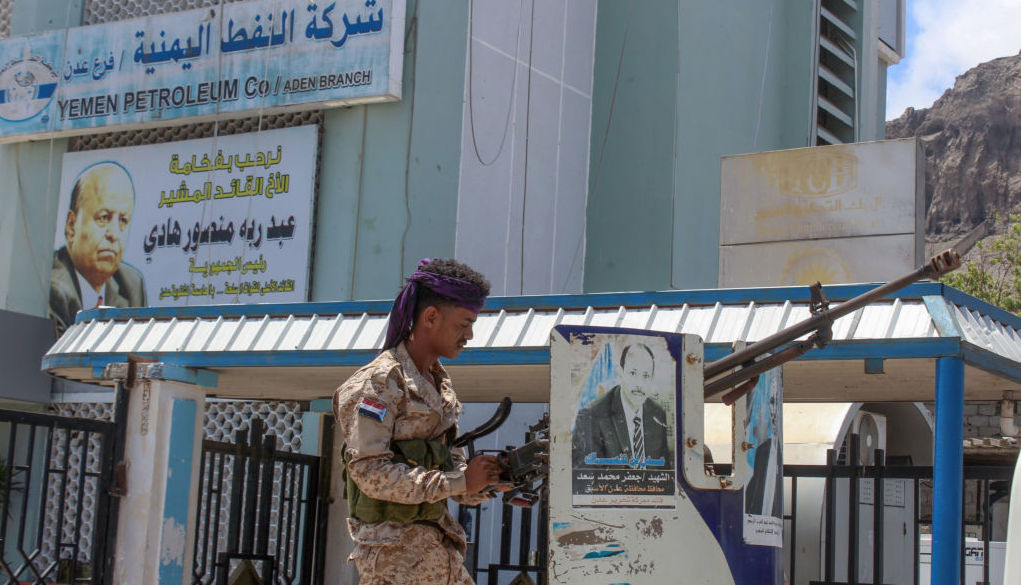
Yemen's competition for Saudi patronage heats up as the STC declares self-rule
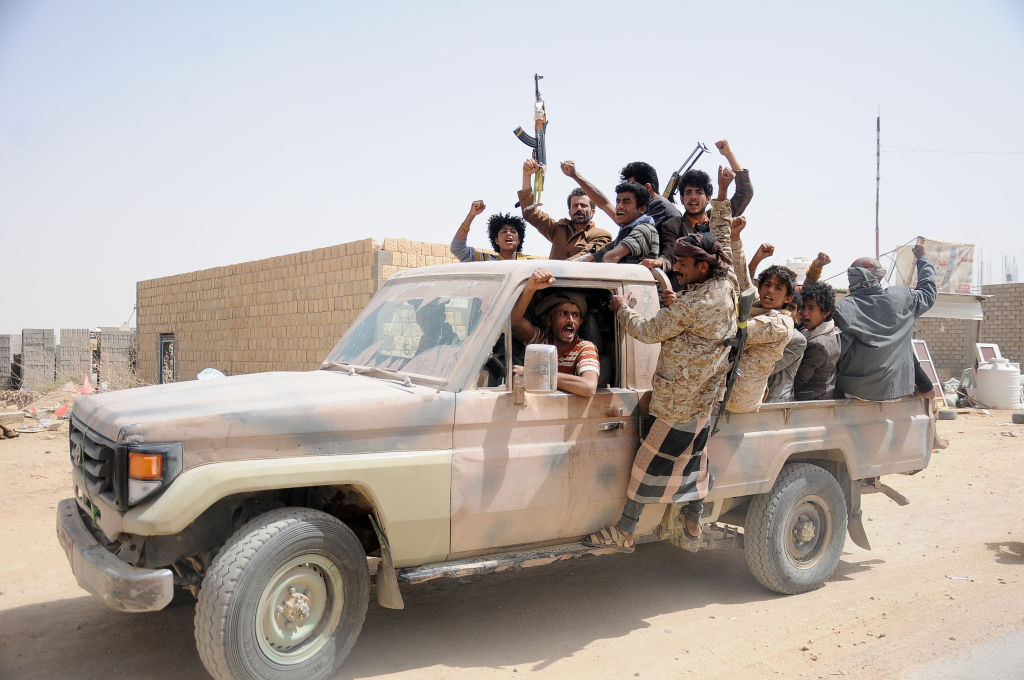
On April 25, the Southern Transitional Council declared self-administration and claimed authority over state institutions in the interim capital of Aden. The declaration demonstrates the region’s volatility, the limited reach of Yemen’s government, and the difficulty of imposing a solution to the problem of secessionism. It is also sparking political competition for Saudi patronage, and all of this poses a major diplomatic challenge for the Saudis.
Everything is changing rapidly amid the COVID-19 pandemic. These changes are occurring primarily at the national level, affecting politics, society, and economics, but the pandemic is also having a major impact on international relations.
The Impact of the Coronavirus Pandemic on China’s Belt and Road Initiative in the Middle East
The coronavirus has hit the Middle East at a time when the region is already burdened with multiple problems, including a series of long-running conflicts, sectarian tension, economic crises, and widespread political unrest. This article provides a preliminary assessment of the effects of the covid-19 virus on China’s Belt and Road partners and activities in the region.
While there is no shortage of rhetorical opposition to Israeli annexation from all corners, the question now is whether any of them intend to follow up their strong words with concrete actions.
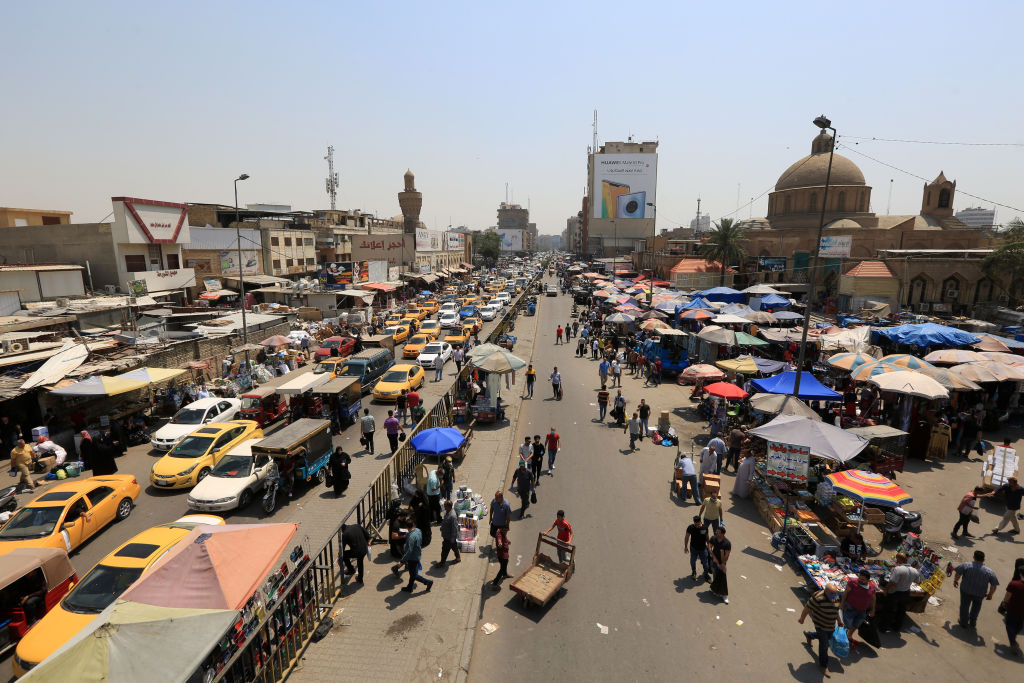
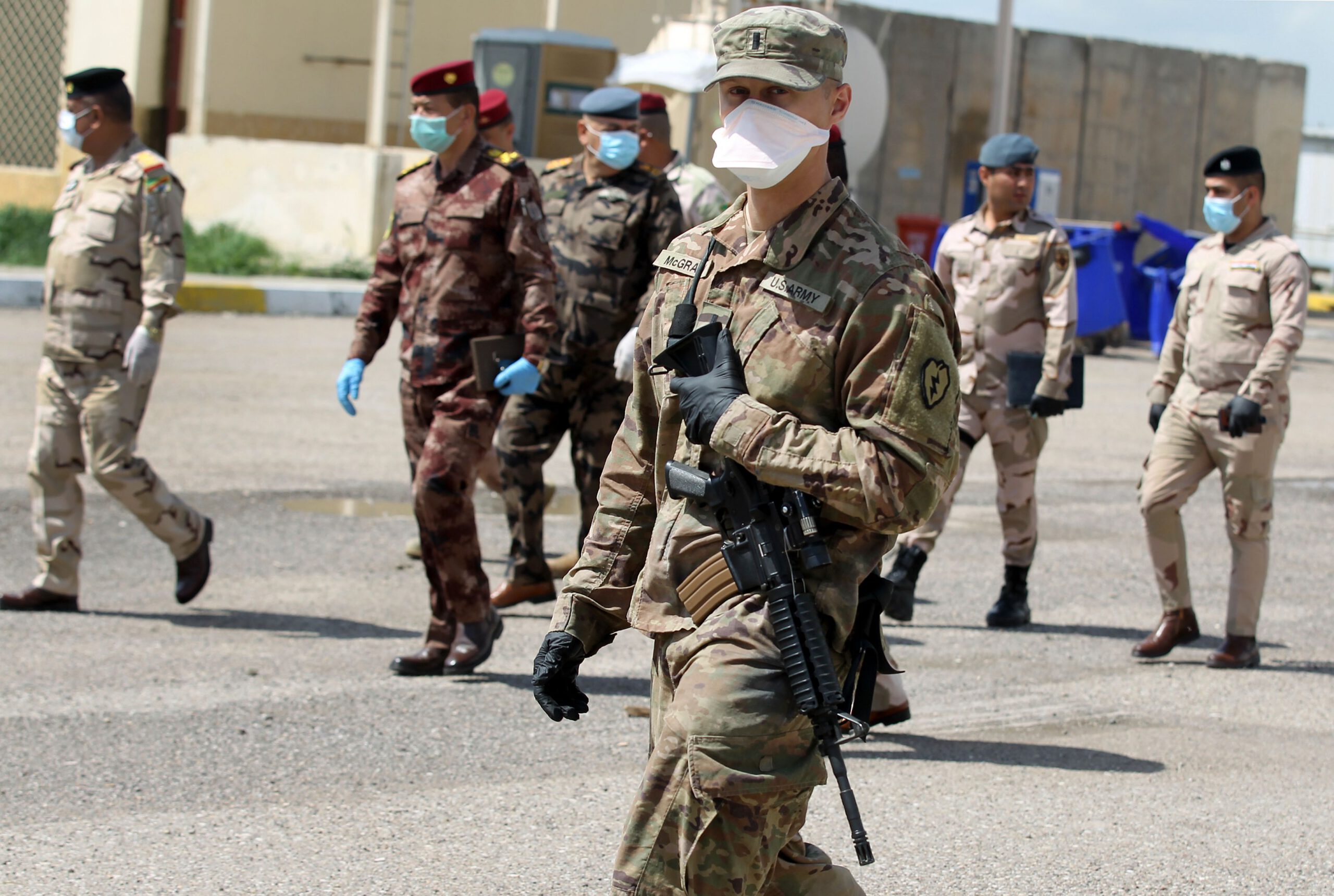
Iraq’s political jockeying continues as Baghdad-Erbil tensions flare up
The current state of affairs is a clear indication that the post-2003 system of apportionment of political posts on ethno-sectarian lines is no longer working.
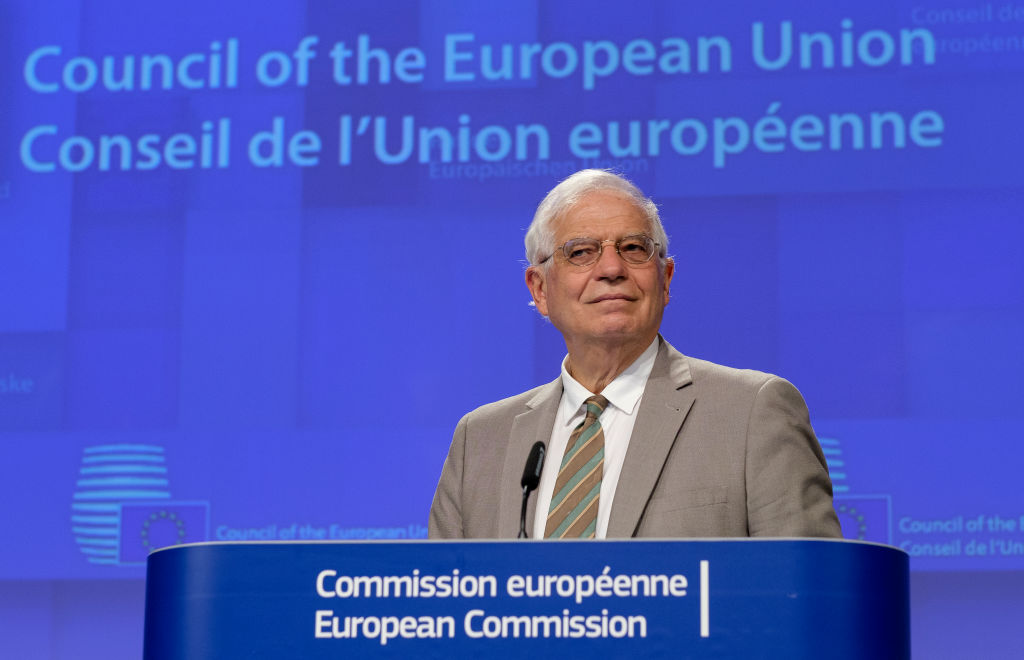
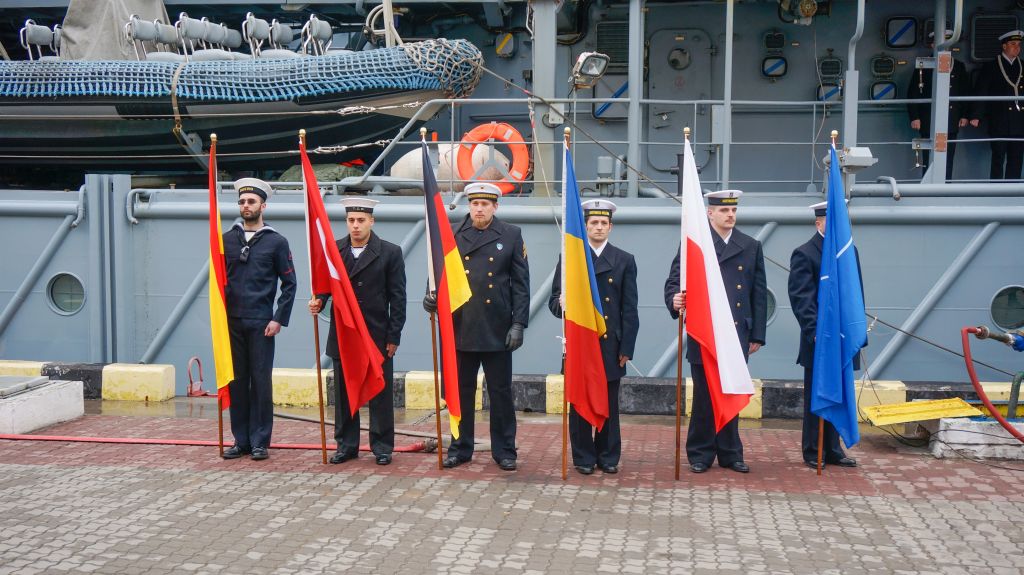
For an organization whose primary mission is collective security in the North Atlantic area, the Black Sea is a very important region for the North Atlantic Security Organization (NATO). This region forms the southeastern frontier of NATO’s area of responsibility. Thanks to Russia’s actions in the region, there are more miles of coastline under illegal military occupation along the Black Sea than in any other place in the world.
Supporting refugee communities during the pandemic
Basma El Husseiny (Action for Hope) and Samar El Yassir (Anera) join guest host Lyne Sneige to discuss the impact of the COVID-19 pandemic on refugee communities and the NGOs that work with them.
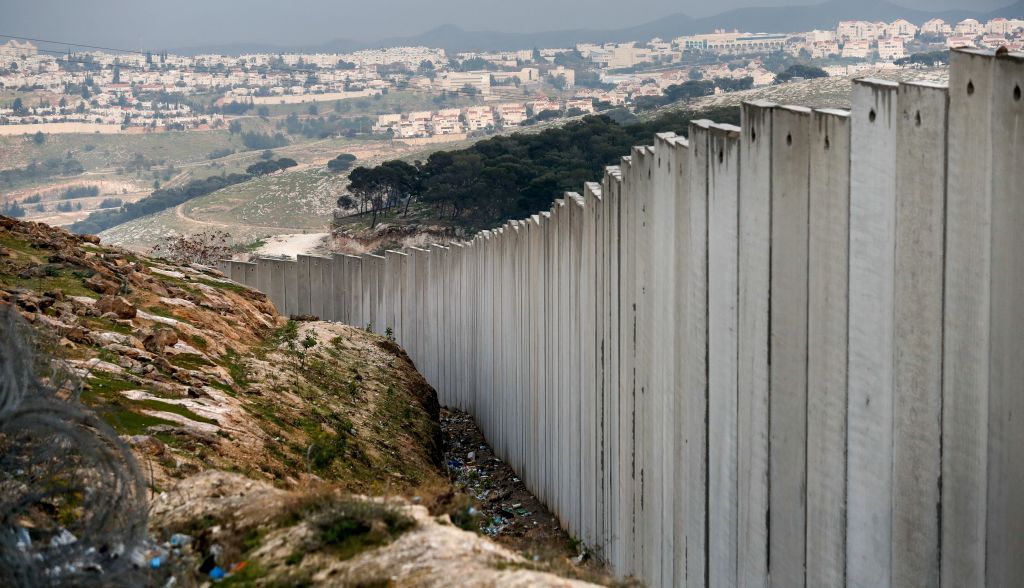
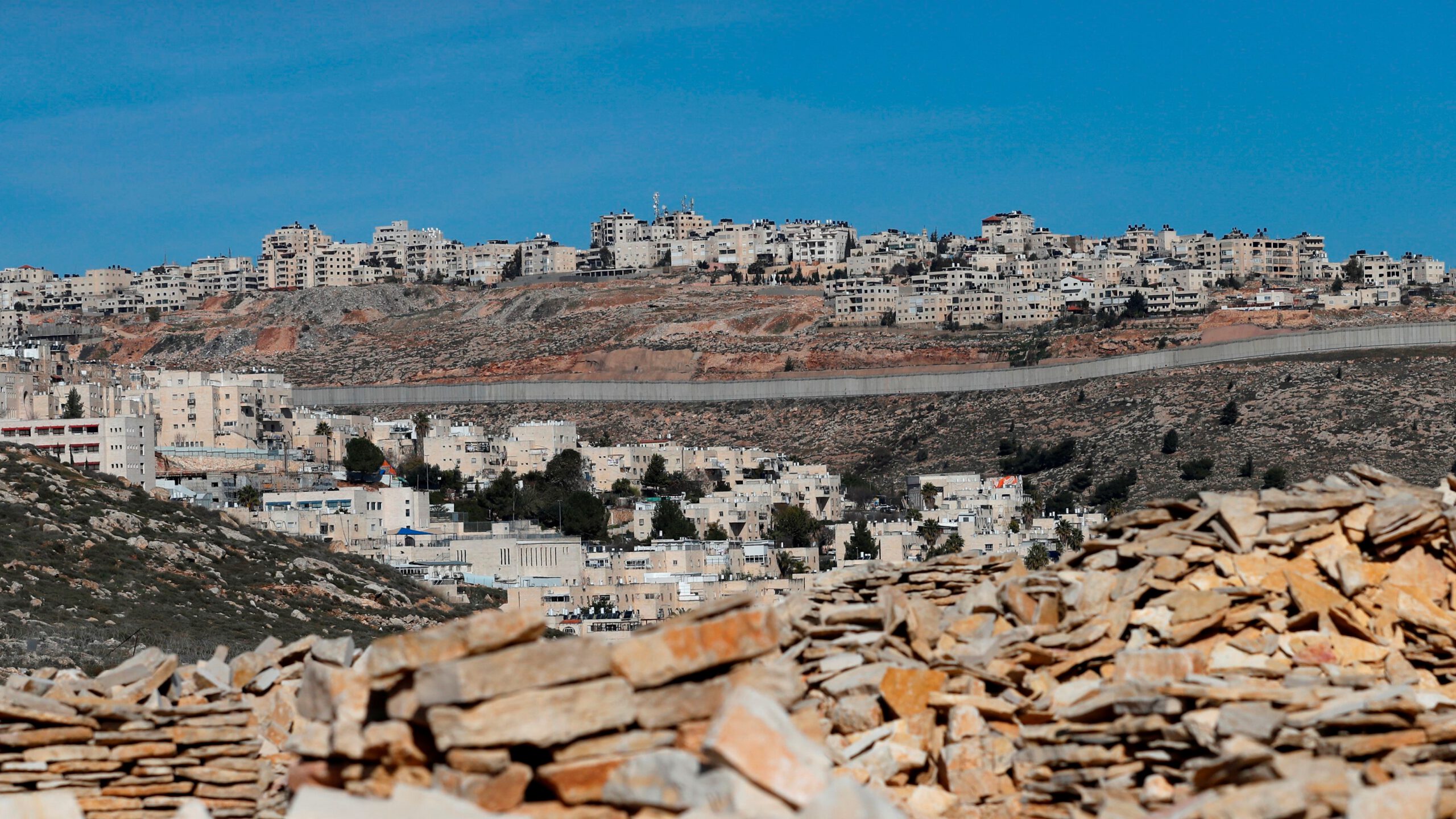
Gantz leaves the door open for Arab states to counter annexation
The April 20 Netanyahu-Gantz agreement legitimized the possibility of an Israeli law that will act as a unilateral annexation of parts of the West Bank to start as early as July 1, based on the controversial Trump Middle East plan. Articles 28 and 29 of the deal condition such annexation on the “consent of the Trump administration” and note that such a move would only be possible if the annexation preserves “the security and strategic interests of the state of Israel including the need to keep regional stability, keep existing peace agreements, and pursue future peace agreements.”
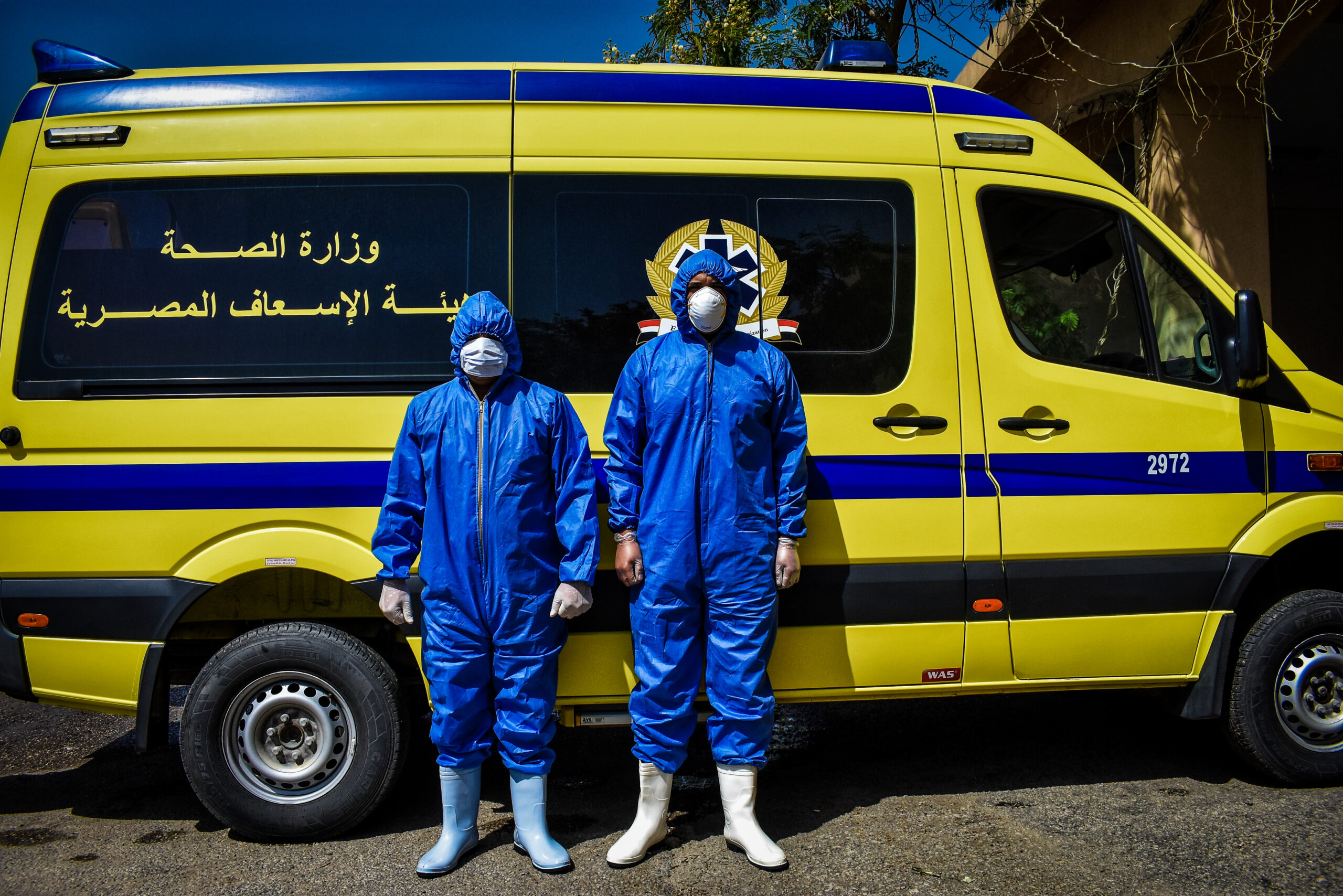
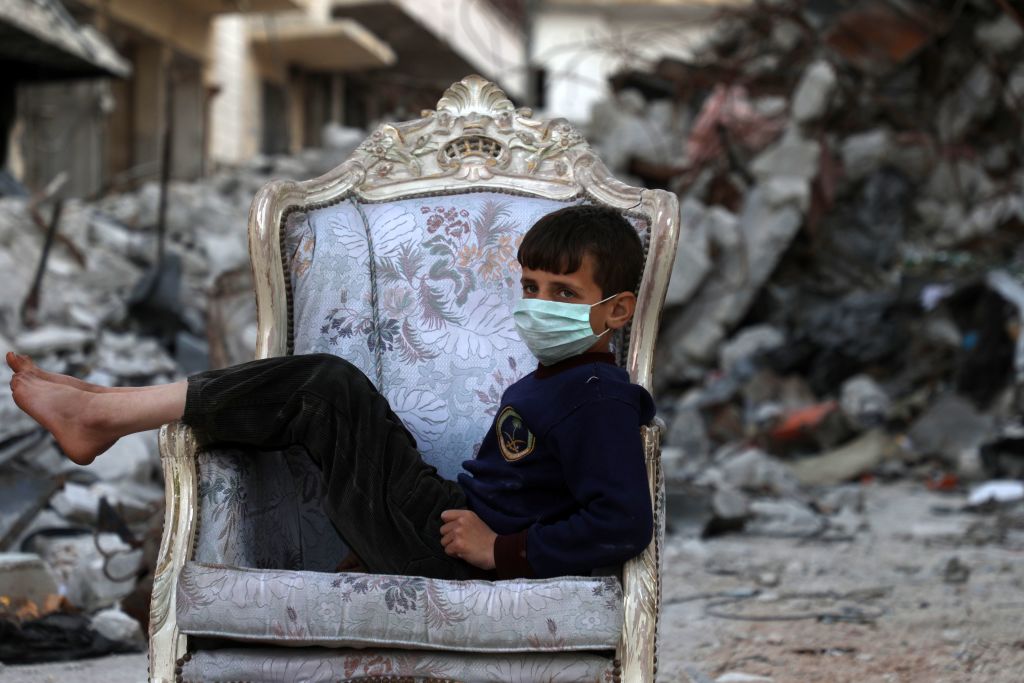
Ravaged by war, Syria’s health care system is utterly unprepared for a pandemic
Officially, Syria has just 42 COVID-19 cases, all but one of them in regime-held areas, as testing capacity is almost non-existent elsewhere. The actual number is certainly higher, but there appear to be few severe cases at the moment. Yet, interviews with doctors and NGO workers conducted over the phone and via messaging apps across all areas of control in Syria — from regime-held areas and the northeast to Idlib and the Turkish-controlled region — paint a grim picture of a health care sector utterly unprepared for a pandemic.